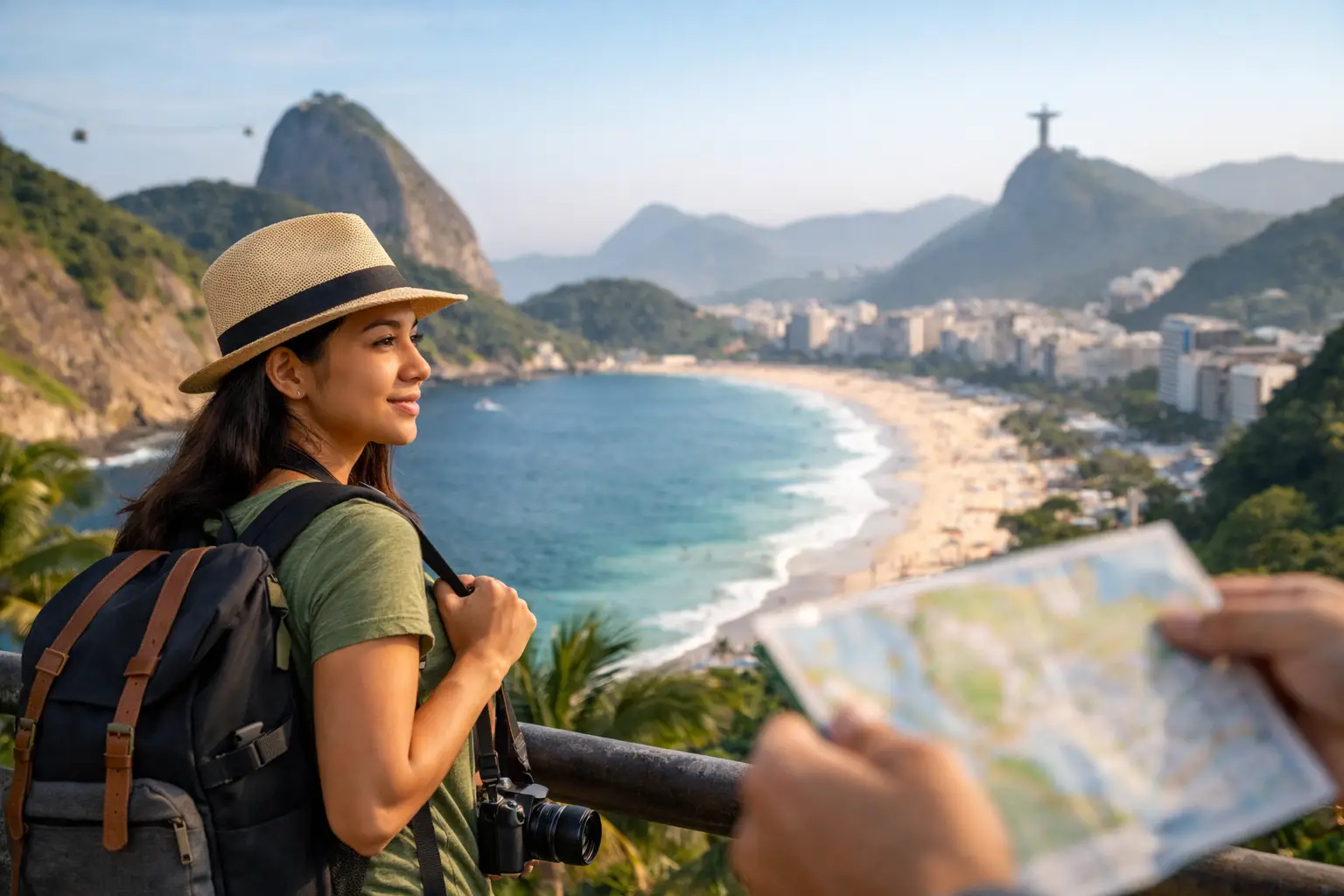
Landing in Brazil can feel exhilarating and slightly overwhelming at the same time. You might step out of the airport in Rio, São Paulo, or Salvador and immediately notice the scale, the energy, and the pace. If you are wondering how to travel Brazil safely, the good news is that most trips go smoothly with the same thing that makes travel easier anywhere else: informed choices.
Brazil is not a destination that requires fear, but it does reward awareness. Safety here is less about avoiding the country and more about understanding how to move through it well – choosing the right neighborhoods, using transportation carefully, staying alert with valuables, and adjusting your plans to the place and time of day.
How to travel Brazil safely from the start
The safest Brazil trips usually begin before arrival. Where you stay, how you get around, and what you carry each day matter more than dramatic safety hacks.
Start by booking accommodations in well-reviewed areas with strong tourist infrastructure. In major cities, that often means central or beachside neighborhoods with visible movement, easy transport, and a mix of hotels, restaurants, and shops. A cheaper stay far from the areas you want to visit can save money on paper, but it may create longer commutes, more complicated logistics, and a higher chance of ending up in unfamiliar places after dark.
It also helps to build a realistic itinerary. Brazil is huge, and trying to cover too many cities in one trip can leave you tired, rushed, and less attentive. A calmer plan is often a safer one.
Choose neighborhoods as carefully as attractions
International travelers often focus on landmarks first and geography second. In Brazil, neighborhood choice is one of the most practical safety decisions you will make.
Two areas in the same city can offer completely different experiences. One may feel busy, walkable, and comfortable during the day and evening, while another may be best visited only with a clear plan or local guidance. This is especially true in large urban centers.
Research the specific neighborhood, not just the city. “Rio de Janeiro” or “São Paulo” is too broad to be useful. You want to know whether your hotel is in an area where travelers regularly stay, whether restaurants are open at night, and whether getting back by rideshare is simple. Front desk staff can also tell you which nearby streets are fine for walking and which are better avoided.
This is one of the places where local knowledge makes a real difference. Advice that works for one part of a city may not apply a few miles away.
Getting around safely in Brazil
Transportation is usually where travelers feel the most uncertainty, especially on a first visit. The right option depends on the city, the hour, and your confidence level.
For airport arrivals, prearranged transfers, official taxis, or app-based rides are usually the easiest choice. After a long flight, this is not the moment to improvise. Confirm your driver details, avoid unsolicited offers inside or outside terminals, and check that you are entering the correct car.
In big cities, rideshare apps are widely used and often preferred by visitors because they reduce language friction and fare uncertainty. They are particularly useful at night or when moving between neighborhoods you do not know well. Taxis remain common too, but using official stands is the safer approach.
Public transit varies. In some cities, the metro is efficient and straightforward during the day, especially for popular routes. Buses can be useful, but they require more familiarity and are less intuitive for many international visitors. If you are carrying luggage, expensive gear, or feel unsure about the route, paying more for a direct ride may be the better trade-off.
For long distances, domestic flights are often the most practical option. Overnight buses can work well on certain routes, but comfort and security depend on the company, the station, and your arrival time. Reaching a terminal at 2 a.m. in an unfamiliar city is rarely ideal.
Handle phones, cash, and valuables carefully
Petty theft is the most common concern for visitors, especially in crowded urban areas and on public beaches. That does not mean you need to dress like a spy. It means being selective about what you carry and how visible it is.
Keep your phone put away when you are not actively using it. Standing on a sidewalk with your device out, checking directions for several minutes, can make you an easier target in busy areas. If you need to orient yourself, step inside a cafe, hotel lobby, or store.
Carry one payment card, some cash, and a copy of your passport details rather than every document and card you own. Many travelers prefer leaving their original passport secured at the hotel and carrying another valid photo ID if practical. That can be a sensible choice, but check the requirements for your itinerary, especially if you are taking domestic flights or moving between states.
Jewelry, luxury watches, and designer items draw more attention than many visitors expect. In beach destinations, casual and low-key usually works in your favor. If you bring a camera, use it intentionally rather than leaving it hanging visibly while you walk.
Beach safety is different from city safety
Brazil’s beaches are a major reason people visit, but they come with their own set of habits. On urban beaches, bring only what you need. A towel, some cash, sunscreen, and one card is enough for most outings. Leaving phones, passports, or extra electronics in your bag while you swim is not a good plan.
The ocean also deserves respect. Conditions can change quickly, and some beaches have strong currents even when they look calm. Swim where other people are swimming, pay attention to warning flags, and ask locals or lifeguards if the water is safe. This matters even more outside the most famous beach zones, where infrastructure may be lighter.
At night, beachfront areas vary widely. Some are lively and well-patrolled, while others become quiet fast. A beach that feels relaxed at 2 p.m. may not be the best walking route after dinner.
Day trips, nightlife, and tours
Many travelers worry most about dramatic risks, but small decisions often matter more. A well-reviewed day tour with clear transport is usually a safer bet than piecing together multiple unknown connections on your own. This is especially true for waterfalls, remote beaches, hiking routes, and boat trips.
Nightlife requires the same balanced approach. Brazil has excellent bars, music venues, and late dinners, and there is no need to avoid them entirely. It simply helps to plan your return before you go out. Know how you are getting back, avoid walking long distances late at night in unfamiliar areas, and watch your drink as you would anywhere.
If you are traveling solo, share your plans with someone and keep your phone charged. If you meet new people, enjoy the interaction but stay measured about invitations that change locations several times or move far from the area you know.
Health, documents, and everyday preparation
Travel safety is not only about crime. It is also about reducing everyday friction so small problems do not become bigger ones.
Before your trip, check whether any vaccines or health precautions are recommended for the regions you plan to visit. Brazil is geographically diverse, and guidance for the Amazon can differ from guidance for the south or major coastal cities. Heat, sun exposure, and dehydration are also common issues for visitors who spend full days outdoors.
Use bottled or filtered water when appropriate, apply sunscreen consistently, and keep basic medication with you for common travel issues. Good travel insurance is worth having, particularly in a country where your itinerary may include flights, beaches, nature activities, and multiple cities.
Store digital copies of important documents on your phone and in cloud storage. Keep emergency contacts somewhere easy to access. These steps are simple, but they make stressful moments easier to manage.
How to travel Brazil safely if you do not speak Portuguese
Not speaking Portuguese does not make Brazil unsafe, but it can make some situations less smooth. In major tourist areas, you will often find some English support, but not everywhere.
A translation app helps, especially for transportation, restaurants, and quick practical questions. It is also smart to save your hotel address, key destinations, and a few short phrases in Portuguese. Showing a written address is often easier than pronouncing it.
Confidence matters here. Looking completely lost can make you more vulnerable to confusion, overcharging, or bad advice. When in doubt, ask for help inside hotels, museums, restaurants, or established businesses rather than from random people on the street.
The safest mindset for Brazil
The best approach is neither overly relaxed nor overly anxious. Brazil is a country of major cities, small towns, beach resorts, rainforest gateways, and rural escapes. Safety depends heavily on context.
A couple staying in a well-located hotel in Florianópolis will have a different routine from a solo traveler changing buses in a large terminal, and both experiences can be perfectly manageable with the right planning. That is why broad statements about Brazil are often less useful than city-by-city, neighborhood-by-neighborhood guidance.
If you treat Brazil as a place that deserves preparation rather than suspicion, you will usually make better decisions. Stay aware, keep your plans practical, and let local context shape your choices. That leaves room for what you actually came for – the coastline, the food, the music, the nature, and the cities that make the country unforgettable.