Gramado has worthwhile places beyond Rua Coberta, Lago Negro and the big ticketed attractions, but “lesser-known” needs an honest definition. The six stops below are not secrets. They are simply different enough from the standard first-time circuit to justify a second look.
Choose one or two, not all six. Some are quick municipal stops; others sit outside the compact center and can take a large part of the day. Visitor information was checked on August 9, 2026. Hours, prices, monthly opening dates and booking rules can change, so follow the linked official page before you leave.
If you still need the essentials, start with our first-time Gramado itinerary. This guide deliberately takes a different route.
How this list is different
These choices earn a place here because each offers a clear alternative to central sightseeing: protected forest, railway history, a local-history museum, a flower garden, a rural olive estate or a geology collection.
That does not make every stop right for every traveler. The useful question is whether the experience matches your interests and whether its transport, schedule and price make sense for your day.
1. Parque dos Pinheiros: nature with a calendar
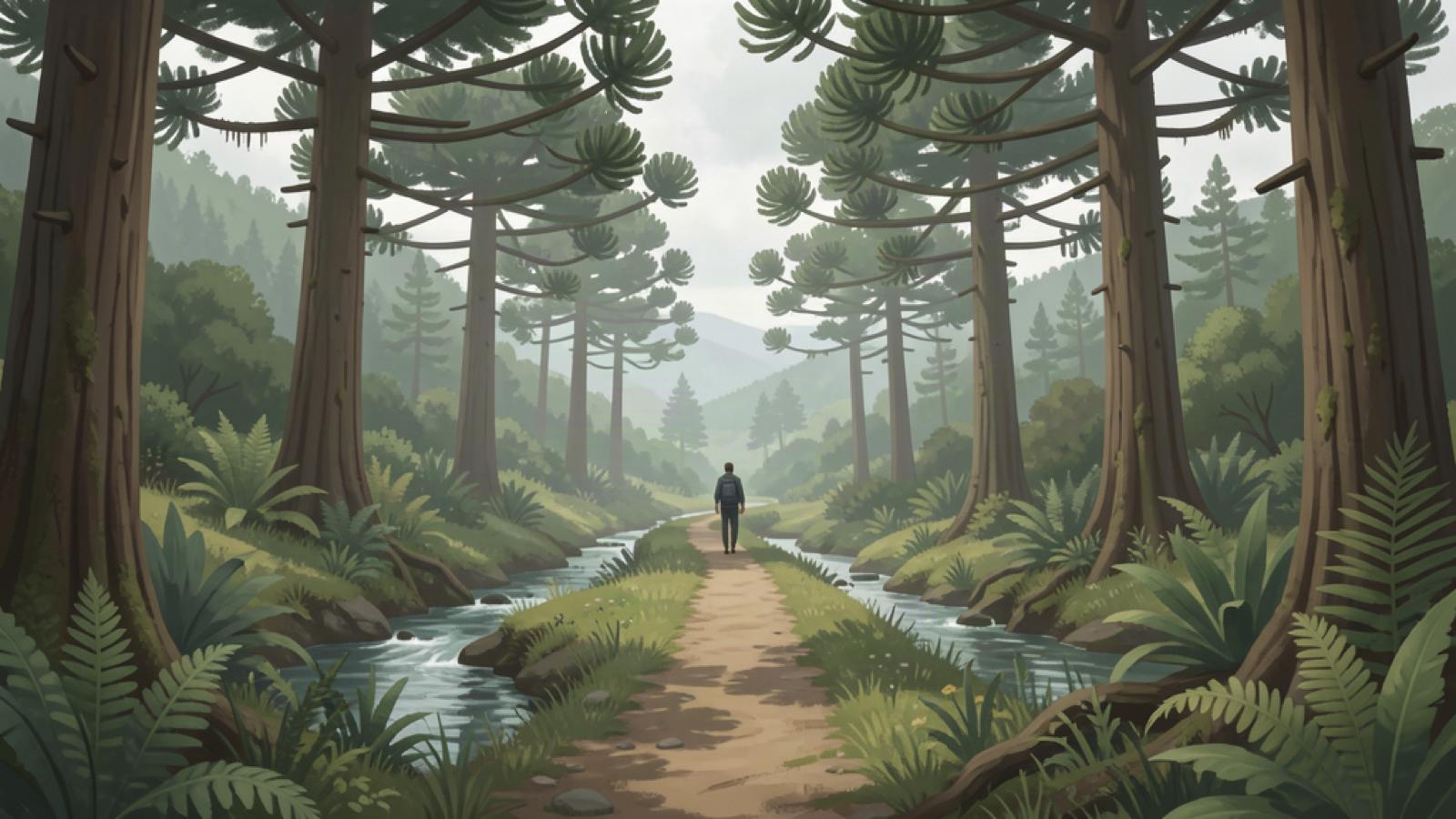
Parque Natural Municipal dos Pinheiros is the most nature-focused choice on this list. Rio Grande do Sul’s environmental register describes a 133.92-hectare municipal conservation area in the Atlantic Forest, while Gramado’s tourism portal highlights walking, wildlife and watercourse observation, chimarrão and picnics.
The catch matters: the municipal page says public visits happen on dates set by a monthly calendar. Individuals can enter without booking on those dates, while groups and schools can schedule visits. A state page describes visitation more broadly as free and open, so the safer plan is to follow the more specific municipal instructions and confirm the calendar before going.
Choose it if: you want a conservation landscape rather than a landscaped tourist park. Skip it if: your date is inflexible or the current opening calendar is not confirmed.
2. Museu do Trem: railway history in Várzea Grande
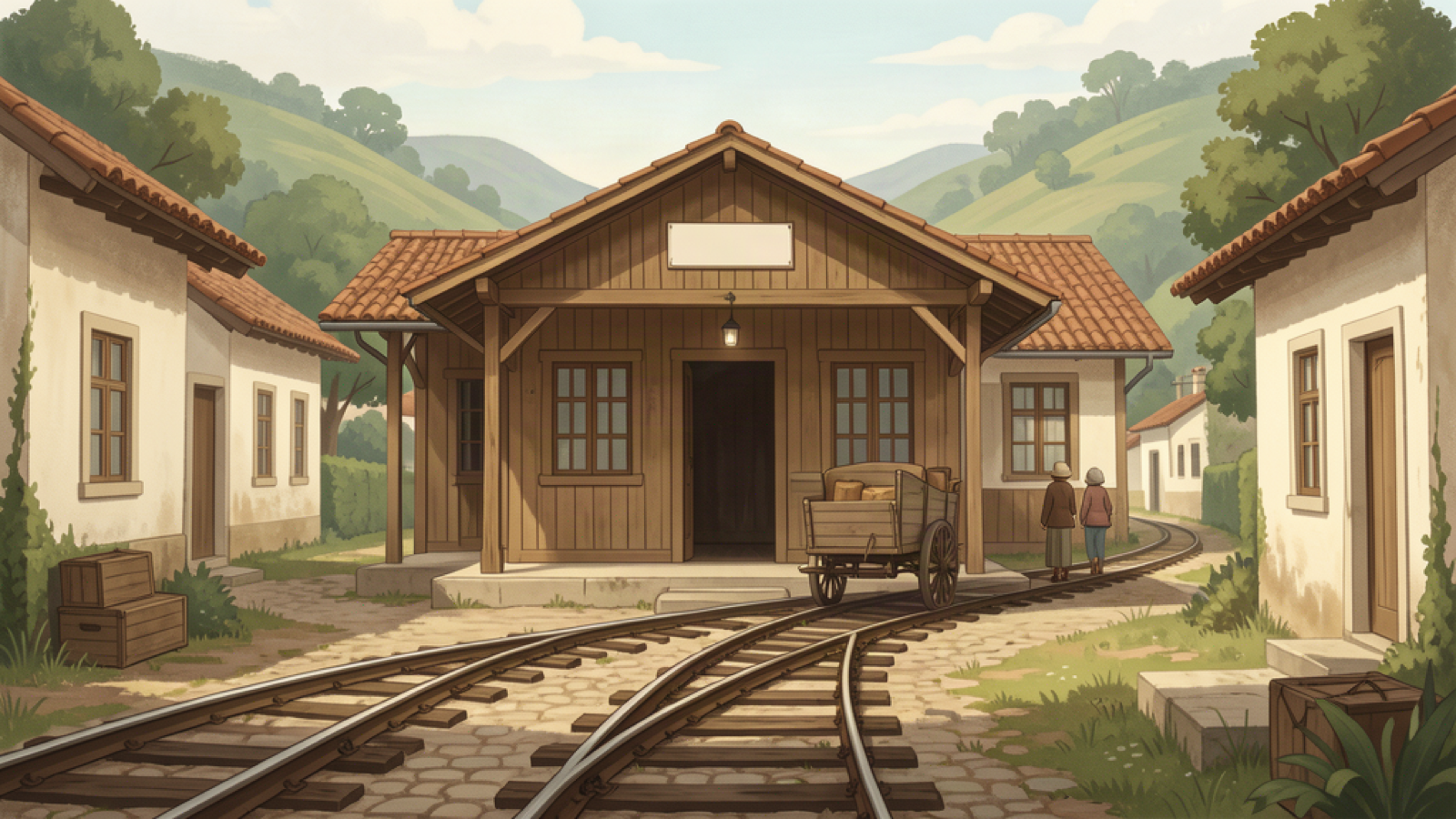
The Espaço Cultural Estação Férrea Várzea Grande, commonly presented as the Museu do Trem, uses a reconstructed railway-station setting to explain the arrival of the train and its role in Gramado’s development. It is at Rua Oscar Wille, 165, in Várzea Grande, and the municipal portal lists admission as free.
This is a small cultural stop, not an all-day museum. It works best for travelers interested in how transport helped shape the region before Gramado became a major resort destination.
Two official municipal pages publish different weekday hours. Rather than planning around either version, confirm the current schedule with the cultural space before making the trip.
Choose it if: local transport history interests you and you are already heading toward Várzea Grande. Skip it if: you need a guaranteed drop-in visit outside weekday hours.
3. Museu Major: local history inside a historic home
Museu Major José Nicoletti Filho is easier to combine with central plans. The museum occupies the former home associated with Gramado’s first sub-intendant and uses historic objects, preserved spaces and interactive displays to explain the municipality’s formation.
The municipal destination portal lists it among free attractions. A municipal culture route publishes a Tuesday-to-Sunday schedule, but the dedicated attraction page does not confirm those hours. Check before arrival instead of treating the route schedule as permanent.
Choose it if: you want context behind the destination rather than another themed attraction. Skip it if: you are looking for a large museum or need English-language interpretation to be guaranteed; the sources reviewed do not confirm that service.
4. Le Jardin: a garden stop with clear trade-offs
Le Jardin Parque de Lavanda is a paid, self-guided garden in Várzea Grande. Its visitor page describes more than 200 flower species and says the gardens remain colorful year-round, while lavender normally reaches its strongest flowering from roughly October through December.
At the time checked, the park listed daily opening from 9:30 a.m. to 5:30 p.m., with last admission at 5 p.m. Adult admission was R$35, and reduced prices applied to children, older visitors and disabled visitors. Parking was free and advance booking was not required. Treat every one of those details as temporary and recheck the operator’s page for your date.
Accessibility is partial: the operator warns that parts of the outdoor route are steep or include stairs. Picnics and drones are not allowed.
Choose it if: gardens and a slower visual stop appeal to you. Skip it if: you expect a wild lavender field or need a completely step-free route.
5. Olivas de Gramado: make it the main event
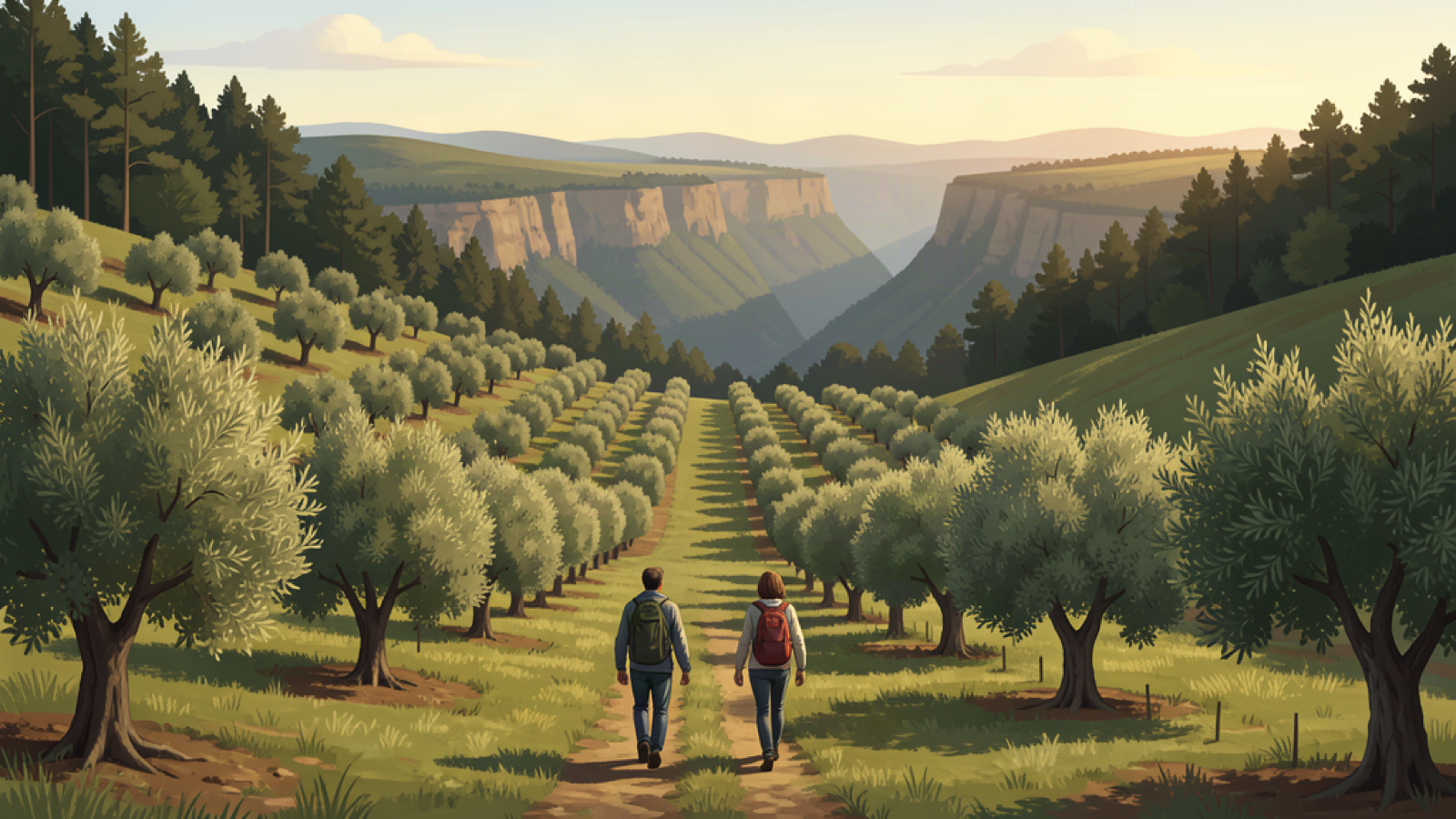
Olivas de Gramado is not a quick extra. The rural estate is 14 kilometers from central Gramado, and its operator recommends allowing four to five hours. The attraction combines olive groves, viewpoints, a farm area, a self-guided ecological trail and food-focused experiences.
The operator describes more than 12,000 olive trees and normally opens Thursday through Tuesday, closing Wednesday for maintenance outside July. Ticket prices vary by date and season, so the official store—not an old quoted price—is the right place to check. Some activities, including the sensory olive-oil tasting and rural tour, cost extra and need separate arrangements.
Choose it if: you want a rural half-day with landscape, food and olive-oil context. Skip it if: you have only a spare hour or want everything included in one admission.
6. A Mina de Gramado: geology instead of another theme park
A Mina de Gramado is a minerals, gems and fossils museum in Carazal, on the RS-235 corridor. Its own site describes a recreated mine environment and a collection of more than 1,000 specimens. It also lists on-site parking, ramps through the museum and a wheelchair available when needed.
The operator’s schedule says the museum closes on Wednesday, while Gramado’s municipal listing publishes different hours and does not mention that closure. Prefer the first-party site for planning, but confirm again before travel. The operator listed reception tickets at R$60 when checked, with half-price categories; that price can change.
Choose it if: geology and collections interest you more than rides or staged entertainment. Skip it if: you want an outdoor landscape experience.
Which Gramado alternative fits your day?
| Place | Best for | Time signal | Cost type | Recheck |
|---|---|---|---|---|
| Parque dos Pinheiros | Conservation and walking | Calendar-dependent | Free | Monthly opening dates |
| Museu do Trem | Railway history | Short stop | Free | Weekday hours |
| Museu Major | Local history | Short central stop | Listed free | Current opening hours |
| Le Jardin | Gardens and flowers | One to two hours | Paid | Price and accessibility |
| Olivas de Gramado | Rural landscape and food | Four to five hours | Paid; extras separate | Calendar and inclusions |
| A Mina de Gramado | Minerals and fossils | Dedicated stop | Paid | Wednesday closure and price |
For the lowest-friction cultural option, start with Museu Major while you are near the center. Choose Museu do Trem if railway history justifies the Várzea Grande detour. Parque dos Pinheiros is the nature pick, but only after you confirm an open date.
Le Jardin works as a compact paid garden visit. Olivas deserves the largest block. A Mina is the clearest specialist choice: it makes sense when geology is the reason to go, not simply because it appears on a list.
What to verify before leaving the center
- the opening day and current hours;
- whether entry requires a calendar date, ticket or separate reservation;
- which experiences cost extra;
- transport to Várzea Grande, Linha Nova, Carazal or Mato Queimado;
- accessibility for the exact route you plan to use;
- whether an event or maintenance closure changes access.
The best choice is the one that gives your day a different purpose. Pick forest, history, gardens, a rural estate or geology—then verify the official details and leave enough time for that experience to stand on its own.
Frequently asked questions
Are these Gramado attractions really hidden?
No. “Lesser-known” here means they sit outside the usual first-time circuit; it does not mean they are secret, empty or unknown locally.
Which options are free?
The official municipal pages list Parque dos Pinheiros, Museu do Trem and Museu Major as free. Access dates and opening hours still need confirmation.
Do you need a car for these places?
Not every traveler needs a car, but the outlying locations require transport planning. Check the address and return options before committing to a visit.
Which attraction needs the most time?
Olivas de Gramado has the clearest long-visit signal: its operator recommends allowing four to five hours.