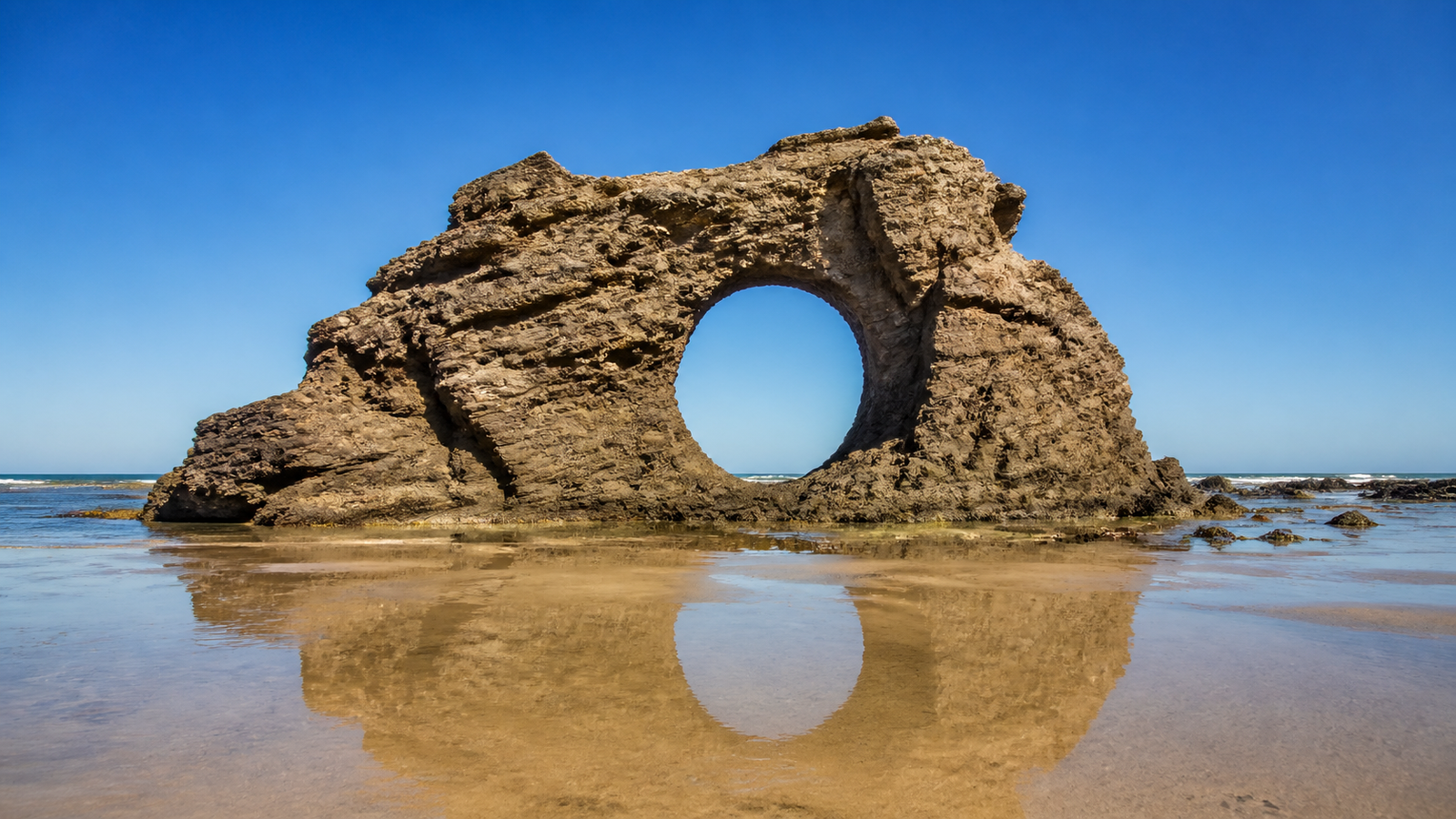
Jericoacoara’s two most famous natural attractions—Pedra Furada and Duna do Pôr do Sol—are on every visitor’s list. But without the right timing (and a peek at the tide table), your dream visit can easily become a stressful hike. If you want to see these iconic spots without losing time, spending unnecessary money, or getting stuck in massive crowds, you need a plan.
Here is everything you need to know about getting to these spots safely, the best times to go, and why you shouldn’t ignore the local tide chart.
The images in this guide are illustrative representations, not documentary photographs.
Pedra Furada: How to Get There and Avoid the Crowds
Pedra Furada (the “Pierced Rock”) is the symbol of Jericoacoara. But what many visitors don’t realize is that you cannot just drive right up to it. It requires a 30 to 45-minute walk from the main village, and the route you take depends entirely on the ocean.
The Beach Route (Low Tide Only): You can walk along the beach directly from the village. This is the most scenic route, but it is only safe and possible during low tide. If you attempt this when the tide is rising, you risk being cut off by the water against the cliffs. Always check the tide table before you set out.
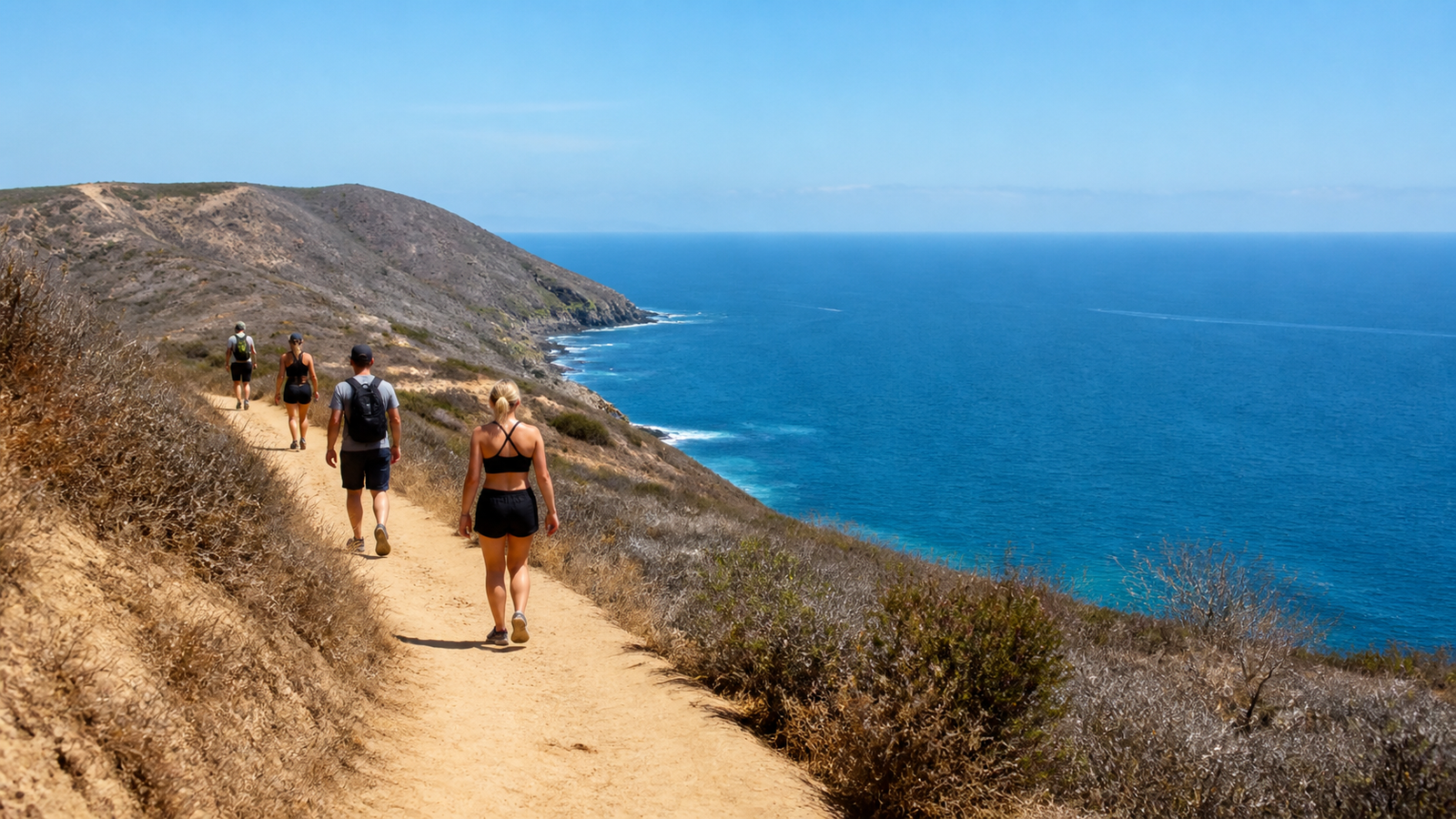
The Serrote Trail (Any Tide): If the tide is high, you must take the trail over the Morro do Serrote (the hill to the right of the village). It’s a beautiful hike, but there is zero shade. Bring plenty of water and wear sturdy sandals or walking shoes—flip-flops will make the rocky parts difficult.
Do you need a buggy? Many East Coast (Litoral Leste) buggy tours (which cost around R$ 450 to R$ 600 for a private vehicle) include a stop for Pedra Furada. However, the buggies can only drop you at the top of the Serrote hill. You still have to walk the rest of the way down to the rock and back up. If you are reasonably fit, you can easily walk from the village for free and save your money.
To avoid the massive tour groups, aim to arrive early—around 6:00 AM or 7:00 AM. Also, remember that climbing the rock itself is strictly prohibited to protect the formation.
Duna do Pôr do Sol: The Sunset Ritual (and Reality)
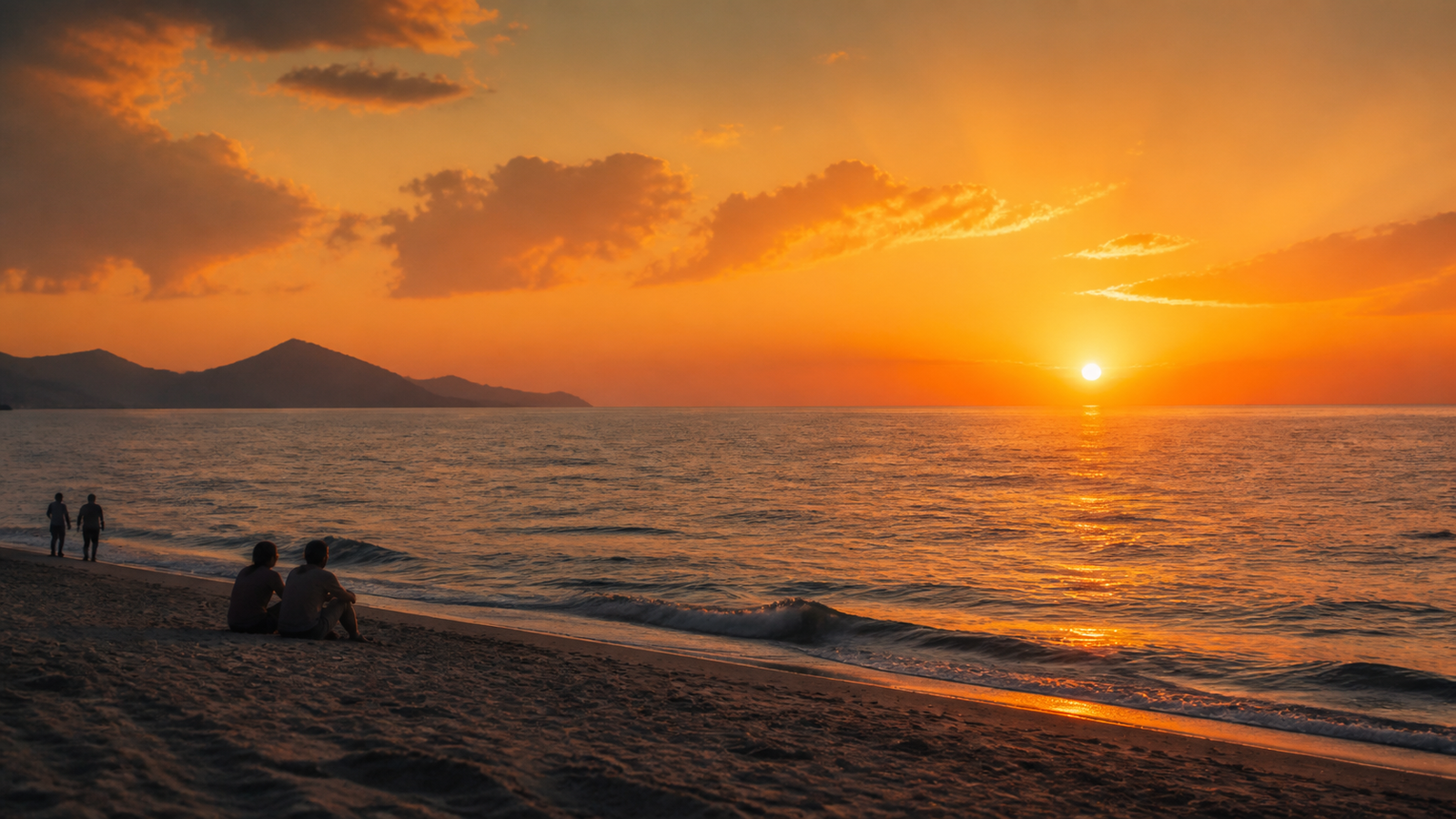
Watching the sun go down at the Duna do Pôr do Sol (Sunset Dune) is a daily ritual in Jericoacoara. Located right next to the village beach, it draws hundreds of people every single afternoon.
The first thing to know is that there is no entrance fee. It is a public natural area. (You only pay the general Sustainable Tourism Tax to enter the town itself).
However, you need to manage your expectations: due to natural erosion over the years, the dune is much smaller than it used to be. Many people now gather on the beach area in front of the remaining dune to watch the sunset.
If you want a good spot to sit, aim to arrive by 5:00 PM at the latest. By 5:30 PM, the area gets incredibly crowded. It is a social event—vendors sell caipirinhas, and the crowd often applauds as the sun disappears below the horizon.
Pro-tip: The wind here can be very strong, blowing sand everywhere. Bring sunglasses to protect your eyes, and don’t leave immediately after the sun sets. The dusk colors in the sky are often better than the sunset itself, and the area becomes much more peaceful as the crowds rush back to town for dinner.