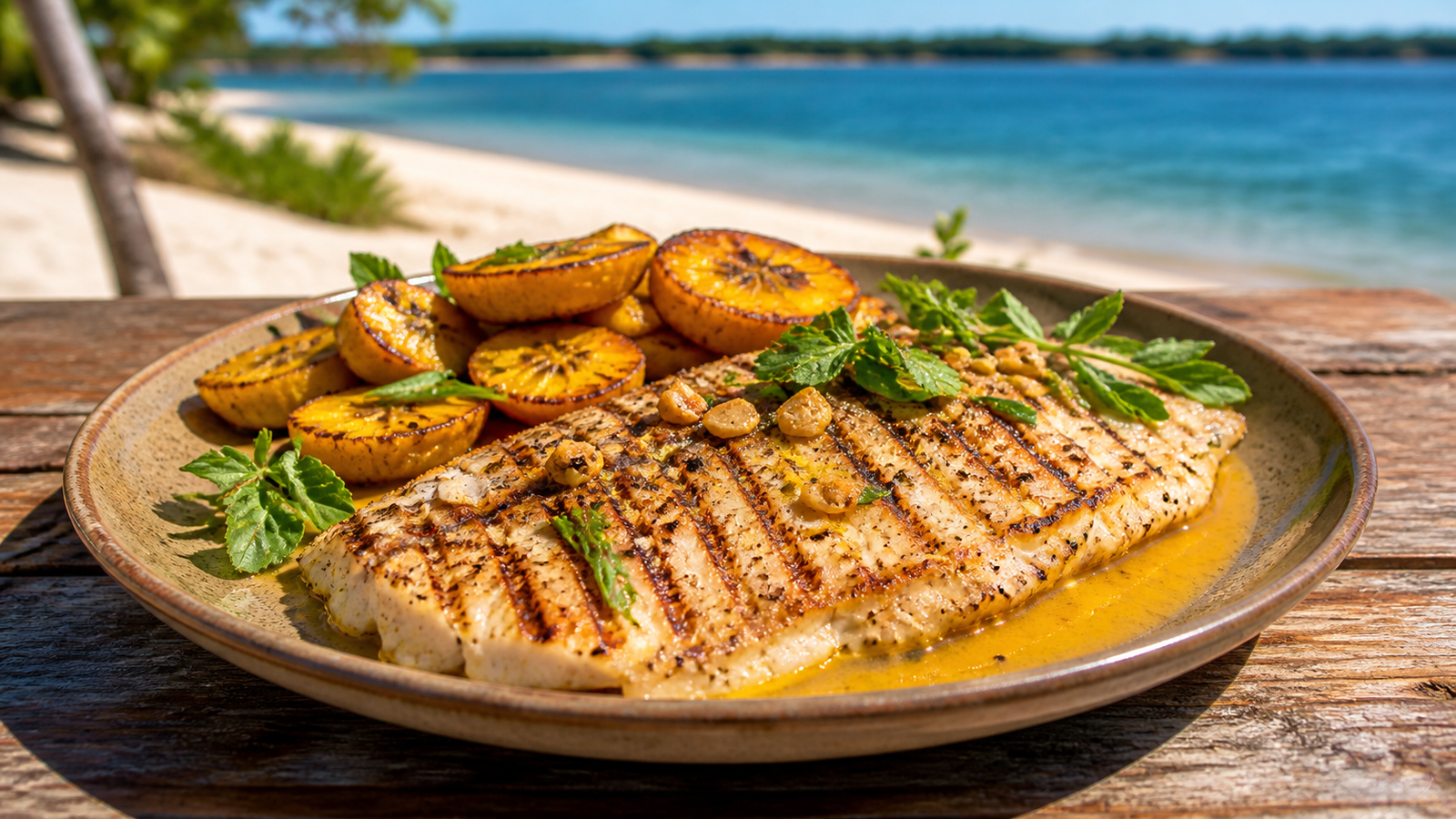
Alter do Chão is widely recognized as the culinary capital of the Tapajós River, offering some of the most vibrant freshwater dining in all of South America. Because the Tapajós runs clear, warm, and remarkably pure compared to the muddy main stem of the Amazon River, the freshwater fish caught here have a clean, sweet, and delicate flavor that surprises most first-time visitors.
Known locally as culinária tapajônica, the regional food culture blends indigenous riverside traditions with native forest ingredients like yellow tucupi broth, tingling jambu leaves, and creamy manteiguinha beans. Best of all, eating well in Alter do Chão fits every travel budget. You can enjoy a steaming bowl of street-side tacacá for R$ 25 (around $5 USD), savor a waterfront bistro lunch for R$ 60 ($12 USD), or indulge in an internationally acclaimed riverside feast at Casa do Saulo for R$ 140 ($28 USD) per person. Here is everything you need to know to navigate local menus and find the best meals in town.
Amazonian Fish 101: What to Order and How It Tastes
When you sit down at any restaurant in Alter do Chão, the menu will be dominated by freshwater species that you rarely encounter outside Northern Brazil. If you are worried about picking through fine fish bones or ordering something overly fishy, knowing the four core species makes choosing a meal easy and stress-free.
Filhote: The undisputed king of Tapajós restaurant menus. Filhote is the juvenile stage of the giant piraíba river catfish. It yields thick, silky, snow-white fillets that are completely boneless, with a mild, buttery flavor. In Alter do Chão, filhote is most famously prepared with a golden crust of crushed Brazil nuts (castanha-do-pará) or gently poached in a reduction of native tucupi broth.
Pirarucu: One of the world’s largest freshwater fish, reaching over two meters in length. Often called the ‘Amazon cod’, pirarucu has dense, meaty flakes and a clean, firm texture similar to sea bass or mahi-mahi. It holds up exceptionally well to charcoal grilling, rich moqueca stews, and even lime-cured ceviche.
Tambaqui: A fruit- and nut-eating river fish famous for its succulent ribs (costelas de tambaqui). Because tambaqui has a generous layer of natural fat beneath the skin, it is best enjoyed roasted whole or grilled over hot coals on the beach, where the meat stays juicy and absorbs deep smoky flavors.
Tucunaré: The iconic peacock bass, prized by sport anglers and local cooks alike. Tucunaré has lean, firm white meat with a mild, slightly sweet profile. It is typically seasoned with lime and garlic, then fried whole until the skin is extra crispy, served with farofa and lime wedges.
| Fish Species | Meat Texture | Flavor Profile | Best Preparation | Bone Risk |
|---|---|---|---|---|
| Filhote | Silky, tender, white flakes | Mild, buttery, delicate | Crusted with Brazil nuts or poached in tucupi | None (thick boneless fillets) |
| Pirarucu | Dense, firm, meaty steaks | Clean, rich, sea-bass like | Grilled steaks, moqueca stew, or ceviche | None (boneless cuts) |
| Tambaqui | Rich, succulent, fatty meat | Robust, savory river fish | Charcoal-grilled ribs (costela na brasa) | Large, visible rib bones only |
| Tucunaré | Firm, lean white meat | Sweet, light, delicate | Fried whole or grilled with farofa | Fine bones present (eat carefully) |
Essential Tapajós Flavors: Tucupi, Jambu, and Manteiguinha Beans
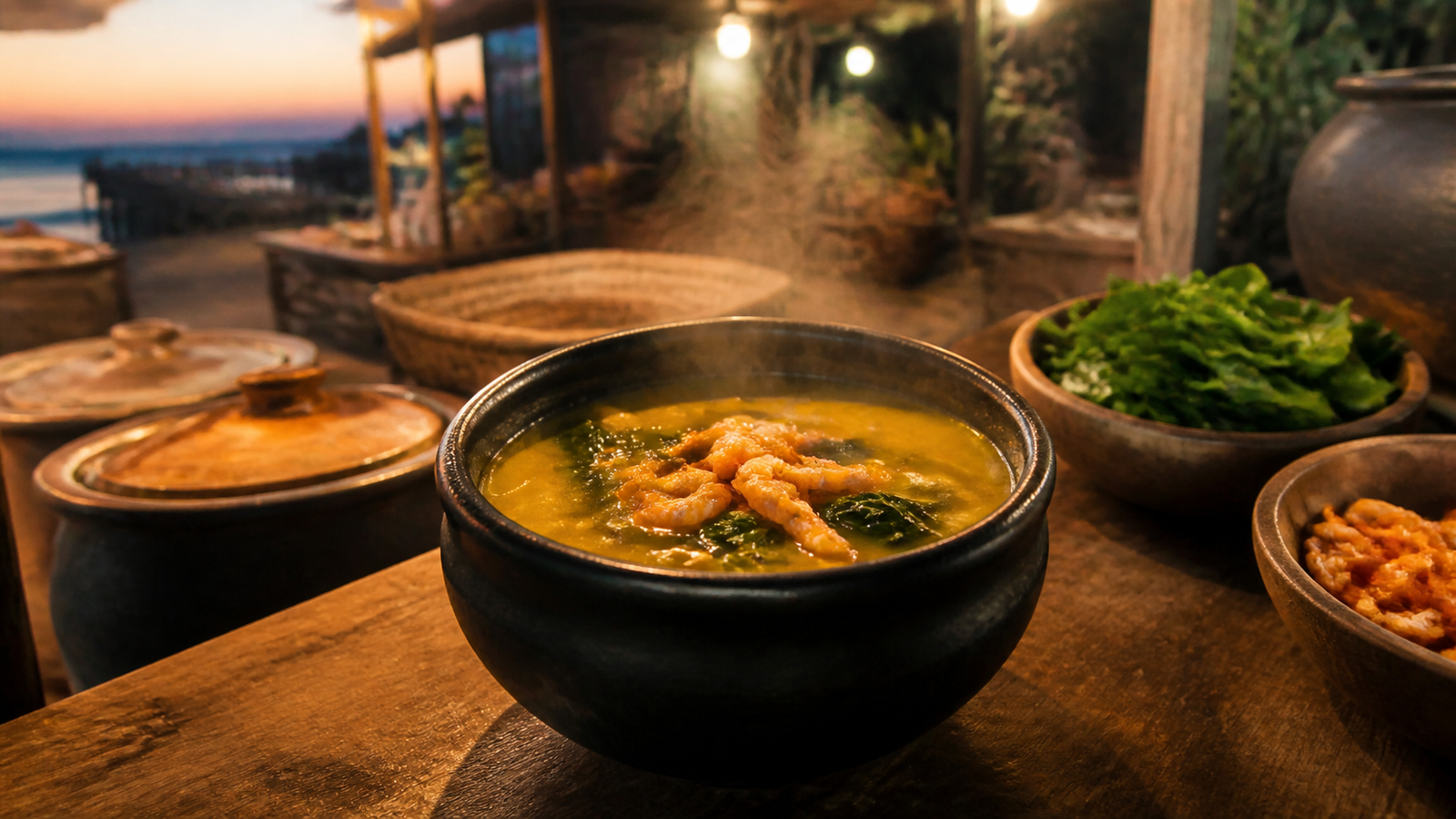
To truly understand Alter do Chão’s food scene, you need to know the unique native accompaniments that appear beside your grilled fish.
Tucupi: A vibrant yellow broth extracted from wild manioc root. Raw manioc juice contains natural hydrocyanic acid, so local cooks simmer it for hours with wild chicory (chicória do Pará), garlic, and alfavaca until it is completely safe and packed with savory, tangy umami. It serves as the aromatic base for stews and street soups.
Jambu: An unassuming leafy green herb that delivers an unforgettable sensory surprise. Jambu contains a natural compound called spilanthol, which creates a refreshing, electric tingling and gentle numbing sensation across your lips and tongue. It is completely harmless, acts as a natural palate cleanser, and pairs brilliantly with rich fish and savory broths.
Feijão Manteiguinha de Santarém: A tiny, cream-colored cowpea unique to the microclimate of Santarém. Cooked until tender without losing its shape, it has a delicate, buttery texture and appears on nearly every table as a refreshing vinaigrette salad or rich side purée.
Piracuí: Often referred to as ‘Amazon fish flour’, piracuí is made by salting, sun-drying, and finely pounding fish (traditionally tambaqui or acari) in wooden mortars. It is toasted into crunchy farofas or rolled into savory croquettes (bolinhos de piracuí), making it one of the most popular beach snacks in the region.
Budget Eats & Street Food: Praça Central and Ilha do Amor (Under R$ 45 / $9 USD)
Budget dining in Alter do Chão is easy, flavorful, and deeply tied to local daily life. For cheap meals that do not compromise on authentic flavor, focus on two main hubs: the village central square and the beach kiosks across the river.
Praça Sete de Setembro (Praça Central / Matriz): Every evening around 6:00 PM, the village square comes alive as food carts roll out to feed locals and travelers alike. Look for traditional vendors like Barraca da Tina and Égua do Sabor. This is the best place in town to order a bowl of tacacá (R$ 20 to R$ 30 / $4 to $6 USD), served piping hot in a polished black cuia gourd filled with yellow tucupi broth, chewy tapioca gum, fresh jambu, and dried river shrimp. You will also find hearty plates of vatapá paraense, crispy pastéis filled with Marajó cheese, and homemade ice creams made from Amazonian fruits like cupuaçu, bacuri, and taperebá.
Ilha do Amor Beach Barracas: Just across the narrow channel from the village waterfront lies Ilha do Amor, the iconic white sandspit jutting into the green waters of the Tapajós. A quick wooden canoe crossing costs R$ 10 per boat (up to 4 passengers). Along the beach, rustic thatched-roof kiosks set tables right at the water’s edge. Order a platter of fried river fish (such as crispy manjubinha or tucunaré chunks) served with lime, farofa, and vinaigrette for R$ 35 to R$ 50 ($7 to $10 USD), large enough to share between two people over cold drinks.
Budget Tip: Most street carts on the square and beach barracas have unreliable mobile connectivity. While some accept PIX, international cards often fail—always keep R$ 50 to R$ 100 in physical cash in your pocket.
Mid-Range Casual Dining: Village Waterfront Bistros (R$ 50 – R$ 90 / $10 – $18 USD)
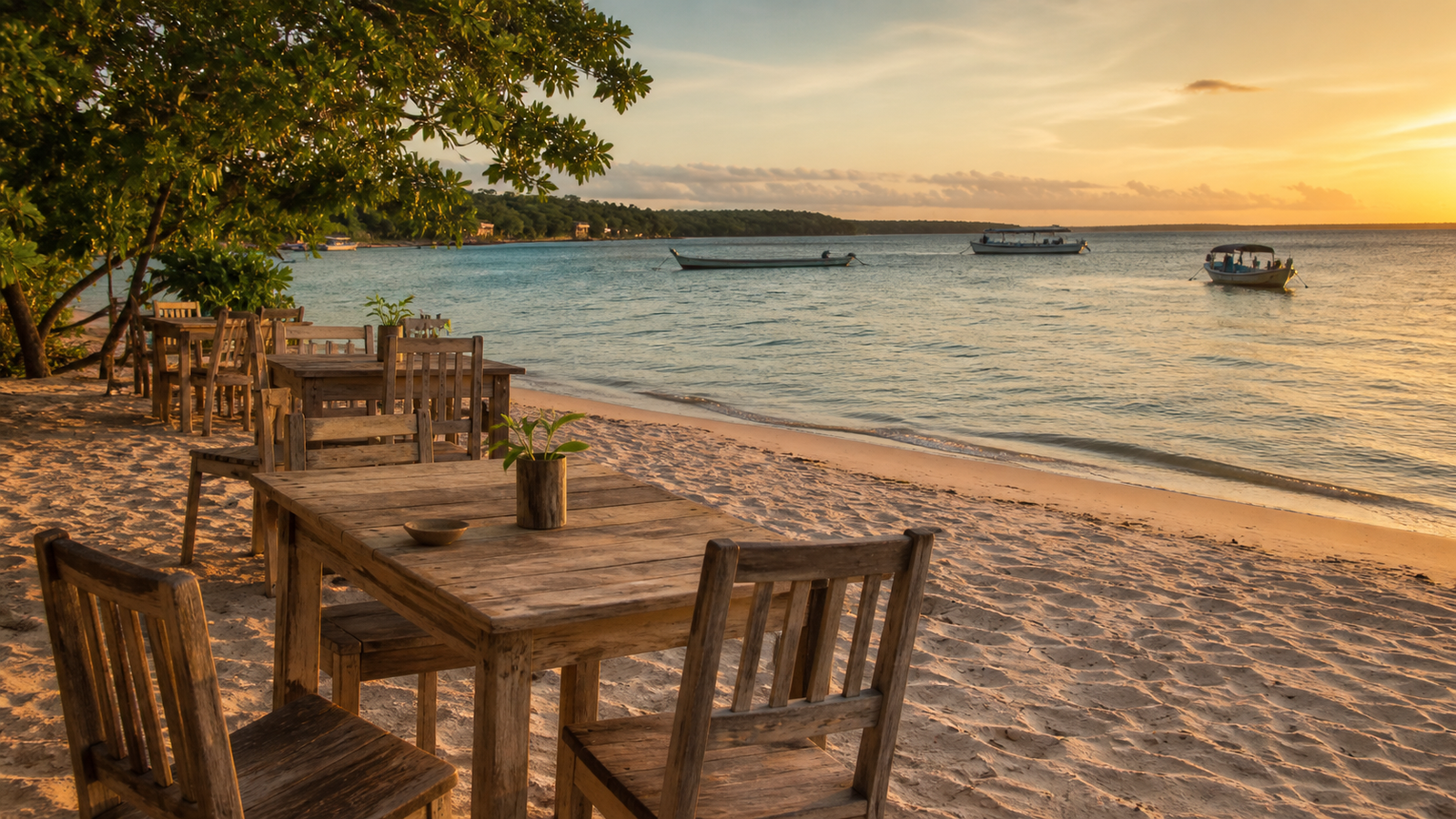
For relaxed, sit-down dinners with excellent service, creative recipes, and barefoot river views, Alter do Chão’s village promenade (orla) offers fantastic value. Individual entrees at these establishments typically range from R$ 50 to R$ 85 ($10 to $17 USD).
Ty Comedoria e Bar: Located directly on the village waterfront with fine sand beneath your feet, Ty Comedoria is the standout modern bistro in Alter do Chão. The kitchen specializes in contemporary interpretations of tapajônica cuisine. Standout dishes include lime-cured pirarucu ceviche, filhote in a crunchy Brazil nut crust served over jambu rice, and inventive craft caipirinhas made with local cachaça and Amazonian fruit reductions. Expect to spend around R$ 60 to R$ 80 ($12 to $16 USD) for a main dish.
Restaurante Farol da Ilha: Set right on the promenade overlooking Ilha do Amor, this longstanding classic is ideal for traditional river fish preparations. Try the Peixe Alter (fillet stuffed with cheese and sweet plantain) or their comforting caldinho de tucupi. Many of their main dishes are generous multi-person platters priced between R$ 70 and R$ 120 ($14 to $24 USD), bringing the per-person cost down significantly when dining in pairs or groups.
Espaço Gastronômico Alter do Chão: Tucked into a leafy garden setting a short walk from the riverfront, this beloved venue blends local art, gastronomy, and live music. It is especially famous for its Friday night Carimbó sessions, where travelers and locals dance to traditional drumming. On the menu, do not miss the coxinha de jambu or the tender fish stews served with manteiguinha bean vinaigrette.
Destination Riverside Dining: Casa do Saulo Tapajós (R$ 100 – R$ 180+ / $20 – $36+ USD)
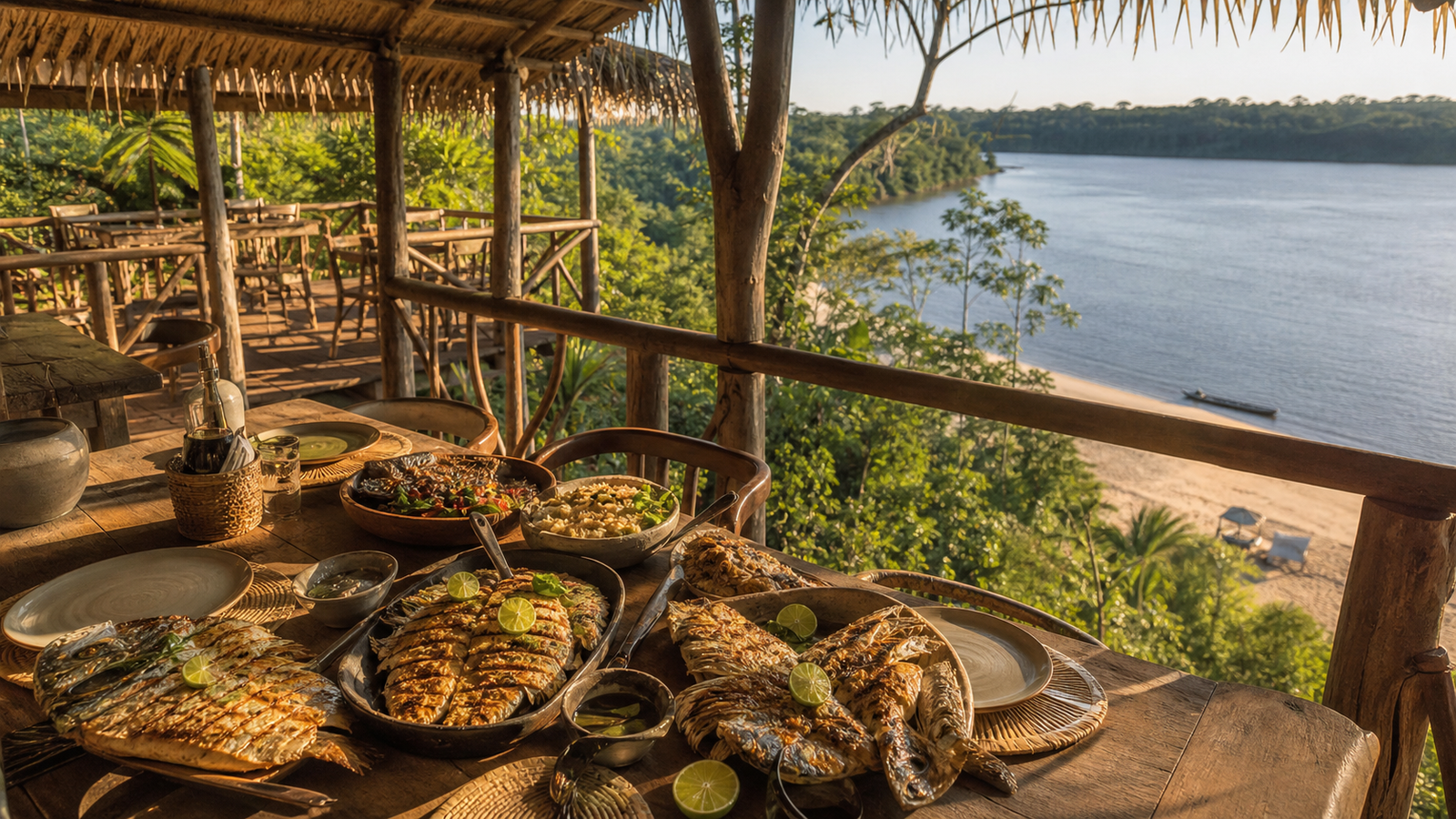
If you have room for one special culinary splurge during your trip to the Amazon, booking a meal at Casa do Saulo Tapajós is an absolute must. Founded by celebrated local chef Saulo Jennings, this world-renowned restaurant has put Pará gastronomy on the international map.
The restaurant is located in Praia do Carapanari, approximately 27 kilometers from Alter do Chão village. It sits on a wooden terrace perched high above a private white sand beach on the Tapajós River, surrounded by dense rainforest canopy. Facilities include a swimming pool, lounge hammocks, and shaded day-beds, making it ideal for a leisurely half-day excursion.
The signature dish is Saulo’s famous Filé de Pirarucu Grelhado, served in a rich Brazil nut cream sauce alongside sautéed sweet plantains, jambu rice, and unlimited bowls of buttery feijão manteiguinha. Another highlight is the Paraíso Verde—tender fish medallions wrapped in bacon and finished with dark tucupi molasses. Dishes here are served family-style for 2 to 3 diners, ranging from R$ 130 to R$ 220 total ($26 to $44 USD), which averages out to roughly R$ 70 to R$ 110 ($14 to $22 USD) per person for the food, plus drinks and dessert.
Getting There: You can reach Casa do Saulo by hiring a private taxi or transfer from Alter do Chão village (about 25 minutes by road, roughly R$ 80 to R$ 120 each way) or by joining a scenic boat tour that docks directly at the restaurant’s private beach for lunch.
Another authentic destination dining experience in the region is a traditional Piracaia—a sunset beach fish barbecue organized on secluded shores like Ponta de Pedras or Praia de Pindobal. Whole tambaqui or filhote are roasted over hot charcoal laid directly on the sand, accompanied by farofa de piracuí, cold beer, and acoustic river music.
Practical Tips for Dining in Alter do Chão: Money, Water, and Seasonality
To make sure your culinary adventures along the Tapajós go as smoothly as possible, keep these practical travel tips in mind:
- Cash vs. Cards: Established village bistros (like Ty Comedoria and Farol da Ilha) and Casa do Saulo readily accept Visa, Mastercard, and Brazilian PIX. However, street carts on Praça Sete de Setembro and beach shacks on outlying river beaches frequently suffer from dropped mobile signals. Always carry R$ 100 to R$ 200 in paper cash for canoe crossings, beach snacks, and street tacacá.
- Drinking Water: Never drink untreated tap or river water. Always order bottled mineral water (água mineral sem gás for still, com gás for sparkling). Ice served in reputable village restaurants and beach bars is produced from filtered commercial ice and is safe to consume.
- Understanding Seasonality: The dining landscape in Alter do Chão changes dramatically with the river level. The dry season (August to December) is prime beach weather, when sandbars appear and rustic kiosks on Ilha do Amor operate at full capacity. During the flood season (March to July), the river rises up to 7 meters, submerging the beaches; during these months, dining shifts entirely to village restaurants, second-story balconies, and floating wooden decks.
- Tipping Etiquette: A standard 10% service fee (taxa de serviço) is routinely included at the bottom of sit-down restaurant bills. While technically optional in Brazil, it is customary to pay it. For street carts and small beach barracas where no service fee is charged, rounding up or leaving a few Reais in change is always appreciated.
Frequently Asked Questions About Dining in Alter do Chão
What is the best fish to order in Alter do Chão for first-time visitors?
Filhote and Pirarucu are the top choices for first-time visitors. Both are large, noble river fish that yield thick, completely boneless fillets with mild, buttery flavors that pair wonderfully with Brazil nut sauces and tucupi reductions.
How much does an average meal cost in Alter do Chão?
Street food and casual snacks on Praça Sete de Setembro cost between R$ 20 and R$ 35 ($4 to $7 USD). Sit-down entrees at village waterfront restaurants range from R$ 50 to R$ 85 ($10 to $17 USD). At upscale destination spots like Casa do Saulo, shared platters cost R$ 130 to R$ 220 ($26 to $44 USD, serving 2 to 3 people).
Can I pay with international credit cards in Alter do Chão?
Yes, all major restaurants in the village center and Casa do Saulo accept international credit cards. However, you should always carry R$ 100 to R$ 200 in cash because street food vendors and remote beach kiosks often have weak mobile network connectivity.
What does jambu feel like when you eat it?
Jambu contains spilanthol, a natural plant compound that creates a gentle, sparkling, slightly numbing sensation on your lips and tongue. It is completely safe, highly refreshing, and an essential hallmark of authentic Pará cuisine.
How do I get to Casa do Saulo from Alter do Chão village?
You can reach Casa do Saulo on Praia do Carapanari by booking a 25-minute taxi or private transfer from Alter do Chão village (around R$ 80 to R$ 120 each way), or by arranging a scenic 20- to 30-minute boat excursion that docks directly at the restaurant’s private river beach.