Manaus is home to one of the most distinctive, biodiversity-driven food cultures on earth. Unlike the coastal coconut-and-dendê stews of Bahia or the churrasco barbecue of southern Brazil, cuisine in the Amazon capital is drawn straight from the surrounding rainforest and its massive river systems. Here, breakfast is a warm crusty roll layered with golden palm fruit shavings, lunch is a half-meter-wide freshwater fish sizzling over open charcoal, and sunset is marked by sipping hot, tongue-tingling broth from a polished natural gourd.
For international travelers, navigating this culinary world can feel intimidating. Menus are rarely in English, ingredients bear unfamiliar indigenous names like tucumã and jambu, and prices can vary wildly depending on whether you are eating at a market stall or an upscale dining room. Fortunately, eating well in Manaus does not require a luxury budget. From legendary R$ 15 street sandwiches to R$ 50 shared fish feasts and world-class Amazonian tasting menus, here is your definitive, budget-organized guide on where to eat in Manaus.
The Amazonian Plate: What Makes Food in Manaus So Unique?
To appreciate dining in Manaus, you have to understand that the forest and river dictate everything on the table. There is virtually no heavy dairy, olive oil, or wheat native to the region; instead, traditional Amazonian gastronomy is built upon freshwater fish, wild fruits, and cassava (manioc) root in dozens of ingenious preparations.
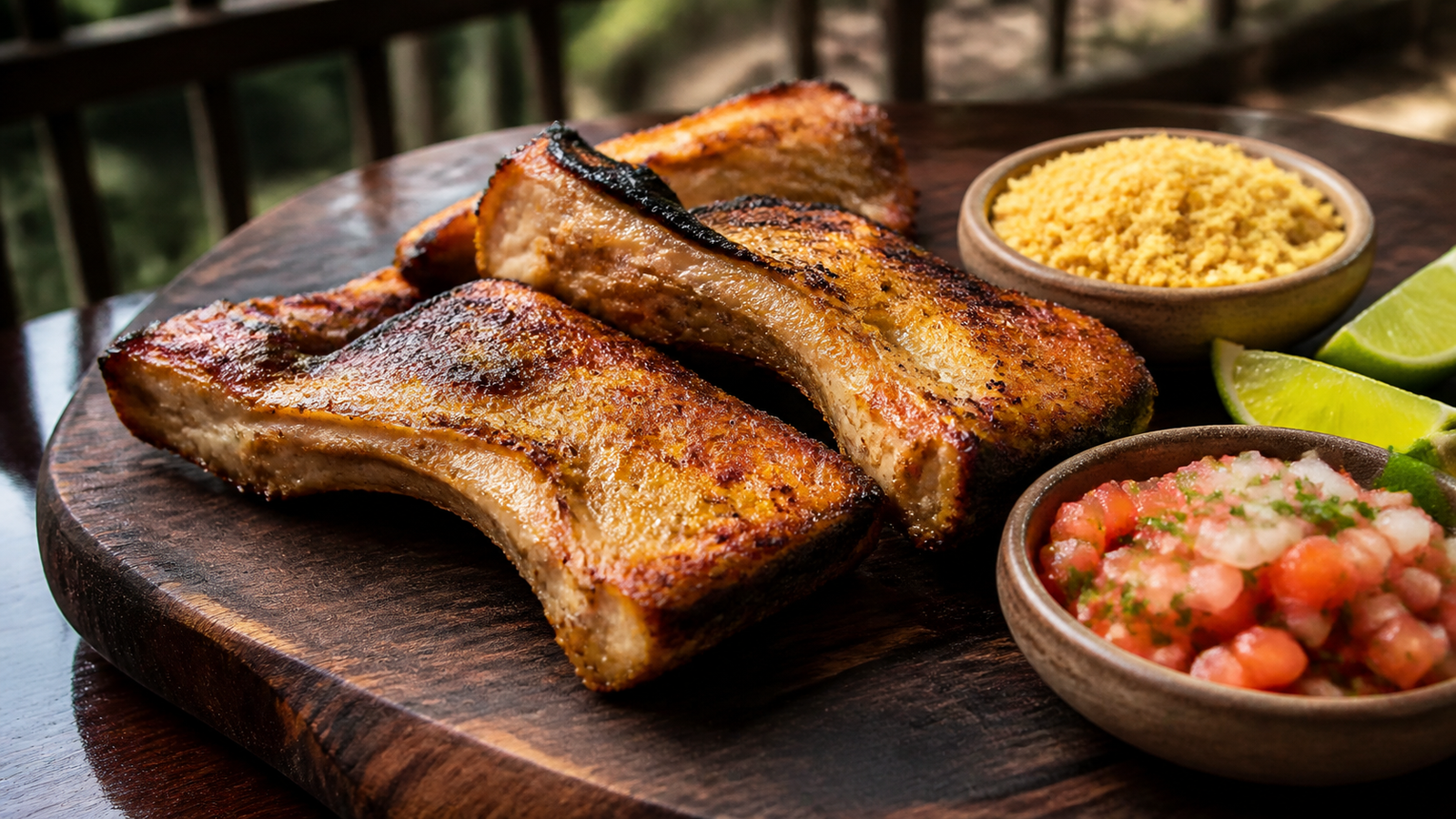
The undisputed king of the table is tambaqui, a giant, fruit-eating freshwater fish famous for its large, meaty ribs (costelas de tambaqui) that are richly marbled and naturally tender. Alongside it swims the mighty pirarucu, one of the largest freshwater fish in the world, prized for its dense, flaky white meat often called the ‘cod of the Amazon.’
Equally central to local cooking is tucupi, a golden, tangy broth extracted from wild manioc root that is boiled for hours to eliminate natural toxins and infused with garlic and chicory. When paired with jambu—an indigenous leafy herb that triggers an electrifying, mouth-numbing tingling sensation across your tongue and lips—it creates flavor profiles you cannot experience anywhere else on the planet.
Manaus Dining Budgets at a Glance: What to Expect in 2026
Dining out in Manaus offers remarkable value for international visitors. Because food production is deeply local, fresh river fish and tropical fruits remain accessible across all price points. Here is a realistic breakdown of what you will spend across the city’s three primary dining tiers:
| Dining Style | Typical Price (BRL) | Approx. USD | Recommended Venues | Must-Order Dishes |
|---|---|---|---|---|
| Street Food & Cafés Regionais | R$ 15 – R$ 35 | $3 – $7 | Café Priscila, Mercado Adolpho Lisboa, Tacacá da Gisela | X-Caboquinho, Tacacá, Tapioca com Tucumã |
| Traditional Fish Houses (Peixarias) | R$ 45 – R$ 75 / person | $9 – $15 | Tambaqui de Banda, Peixaria Morada do Peixe | Tambaqui de Banda na Brasa, Caldeirada de Tambaqui |
| Fine Dining & Modern Amazonian | R$ 120 – R$ 220 / person | $24 – $44 | Banzeiro, Caxiri Manaus | Costela com Agridoce de Tucupi, Matrinxã na Brasa |
Most sit-down restaurants accept international Visa and Mastercard, though carrying R$ 10 to R$ 20 in cash is helpful when grabbing street food or shopping at local fruit stands.
Budget & Breakfast: The Art of the ‘Café Regional’ and the X-Caboquinho (R$ 15 – R$ 35)
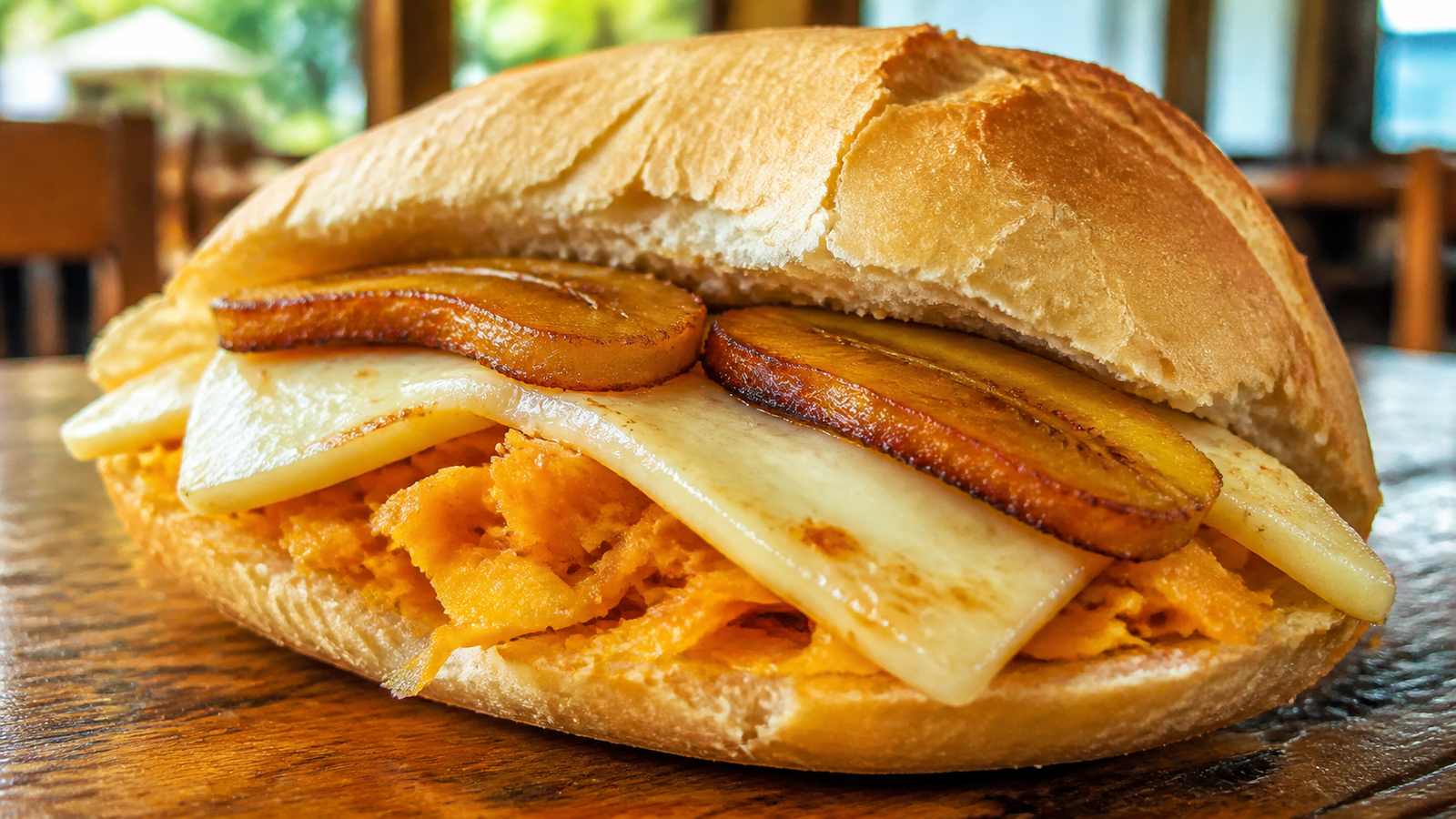
In Manaus, breakfast is an elaborate cultural ritual known as the café regional. Rather than a quick pastry, locals sit down to hearty spreads of fresh tapiocas, steaming corn porridges (mingau), fried sweet plantains (banana pacovã), and the city’s undisputed culinary masterpiece: the x-caboquinho.
Pronounced ‘sh-cabo-KEEN-yoo’, this sandwich is so deeply cherished that municipal law officially designated it as Intangible Cultural Heritage of Manaus. It starts with a warm, crusty French roll (pão francês), generously stuffed with thin, oily shavings of raw tucumã palm fruit (which tastes rich, nutty, and slightly buttery), griddled salty queijo coalho cheese, and sweet fried plantain. The combination of savory cheese, rich fruit, and caramelized banana is extraordinary.
Here are the best spots to experience an authentic café regional:
- Café Regional Priscila: A beloved local institution with multiple branches (including Ponta Negra and Cidade Nova). The menu features over 100 regional items, from custom tapiocas to cassava cakes (bolo de macaxeira) and freshly assembled x-caboquinhos (R$ 15 to R$ 25).
- Mercado Municipal Adolpho Lisboa: Set within an 1883 Art Nouveau iron structure right on the Rio Negro waterfront, the market’s interior food kiosks (such as Coreto Peixaria & Café Regional) serve freshly pressed juices, x-caboquinhos, and steaming black coffee for under R$ 20. It is a fantastic morning stop while exploring our Centro Histórico walking guide.
- Café Regional Tapiri: Located in an open-air thatched pavilion, Tapiri operates on weekends and holidays with a massive all-you-can-eat breakfast buffet (rodízio) for approximately R$ 30 to R$ 35 per person.
Mid-Range Classics: Feast on Grilled Tambaqui and River Fish (R$ 45 – R$ 75 per Person)
When lunchtime rolls around, the only place to be is at a traditional peixaria (fish house). In Manaus, fish is almost always ordered as a shared platter, meaning a single order easily feeds two to three hungry travelers.
The benchmark dish to order is tambaqui de banda—half of an entire tambaqui split lengthwise and roasted over open charcoal embers until the skin turns blistered and crispy while the inner ribs stay juicy. A full platter comes flanked by classic Amazonian sides: baião de dois (rice and black-eyed peas cooked with cheese), fresh tomato-onion vinagrete, and farinha de uarini—crunchy, golden cassava pearls often called ‘Amazonian caviar.’
Top mid-range fish destinations include:
- Restaurante Tambaqui de Banda (Largo de São Sebastião): Situated right on the plaza with open-air terrace seating overlooking the illuminated dome of Teatro Amazonas. Their signature grilled tambaqui platter for two costs between R$ 90 and R$ 140 (about R$ 45 to R$ 70 per person) and delivers exceptional flavor in the most scenic square in town. Pair your meal with an ice-cold regional fruit juice like cupuaçu or taperebá.
- Peixaria Morada do Peixe: A favorite among local families for hearty, homestyle dishes. Beyond grilled fish, try their caldeirada de tambaqui—a rich, fragrant fish stew simmered with onions, peppers, and whole boiled eggs, served alongside velvety fish pirão (R$ 80 to R$ 150 for 2-3 people).
- Waku Sese: A modern, air-conditioned regional chain perfect for a relaxed lunch. It is one of the best places in town to sample genuine, pure Amazonian açaí—which locals eat unsweetened with crunchy tapioca pearls alongside grilled fish, though sweet fruit-topped bowls are also available.
The Sunset Street Ritual: Sipping Tacacá at Largo de São Sebastião (R$ 20 – R$ 25)
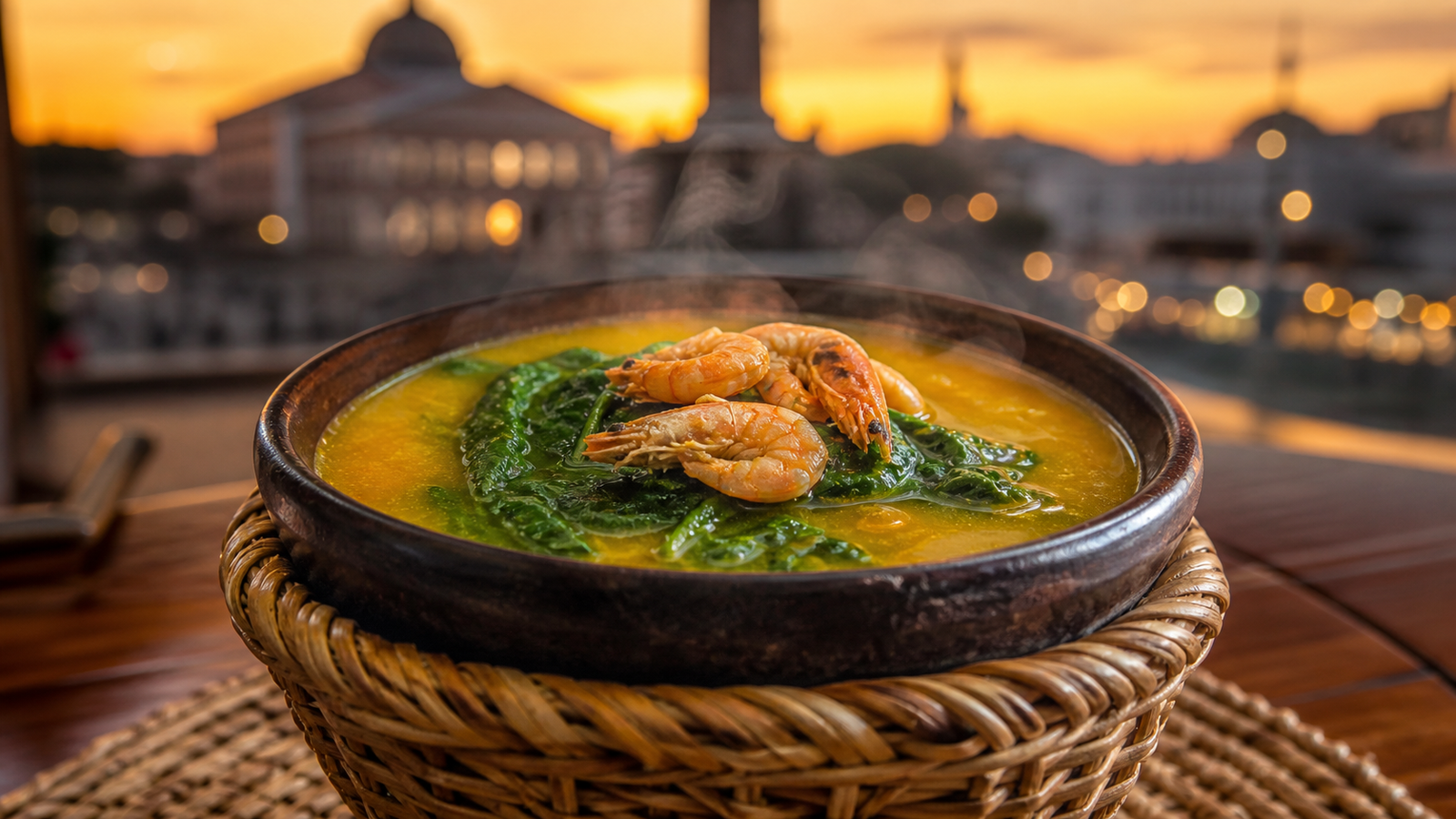
As the intense afternoon heat begins to fade around 4:30 PM, life in Manaus gravitates toward the historic plazas for the daily ritual of tacacá. Tacacá is an ancient, indigenous soup served boiling hot from large aluminum cauldrons into polished natural gourds called cuias.
Inside the cuia, the tacacazeira (the specialist who prepares it) ladles a layer of translucent, gelatinous manioc starch (goma), stacks a generous handful of fresh jambu leaves, tops it with salted dried river prawns (camarão seco), and floods the bowl with steaming golden tucupi broth.
The quintessential spot to experience this is Tacacá da Gisela, an open-air kiosk operating on Largo de São Sebastião directly in front of the Opera House. A bowl costs approximately R$ 20 to R$ 22. To enjoy it like a local, follow proper tacacá etiquette:
- Never ask for a spoon: Tacacá is meant to be drunk directly from the cuia.
- Use both hands: Cradle the cuia in its woven wicker base, rotating the bowl gently as you sip small amounts of hot broth between bites of jambu and shrimp.
- Embrace the buzz: Within two sips, the jambu leaves will cause a harmless, delightfully electric tingling sensation across your lips, stimulating your salivary glands and amplifying every flavor.
Fine Dining: Contemporary Amazonian Gastronomy at Banzeiro and Caxiri (R$ 120 – R$ 220 per Person)
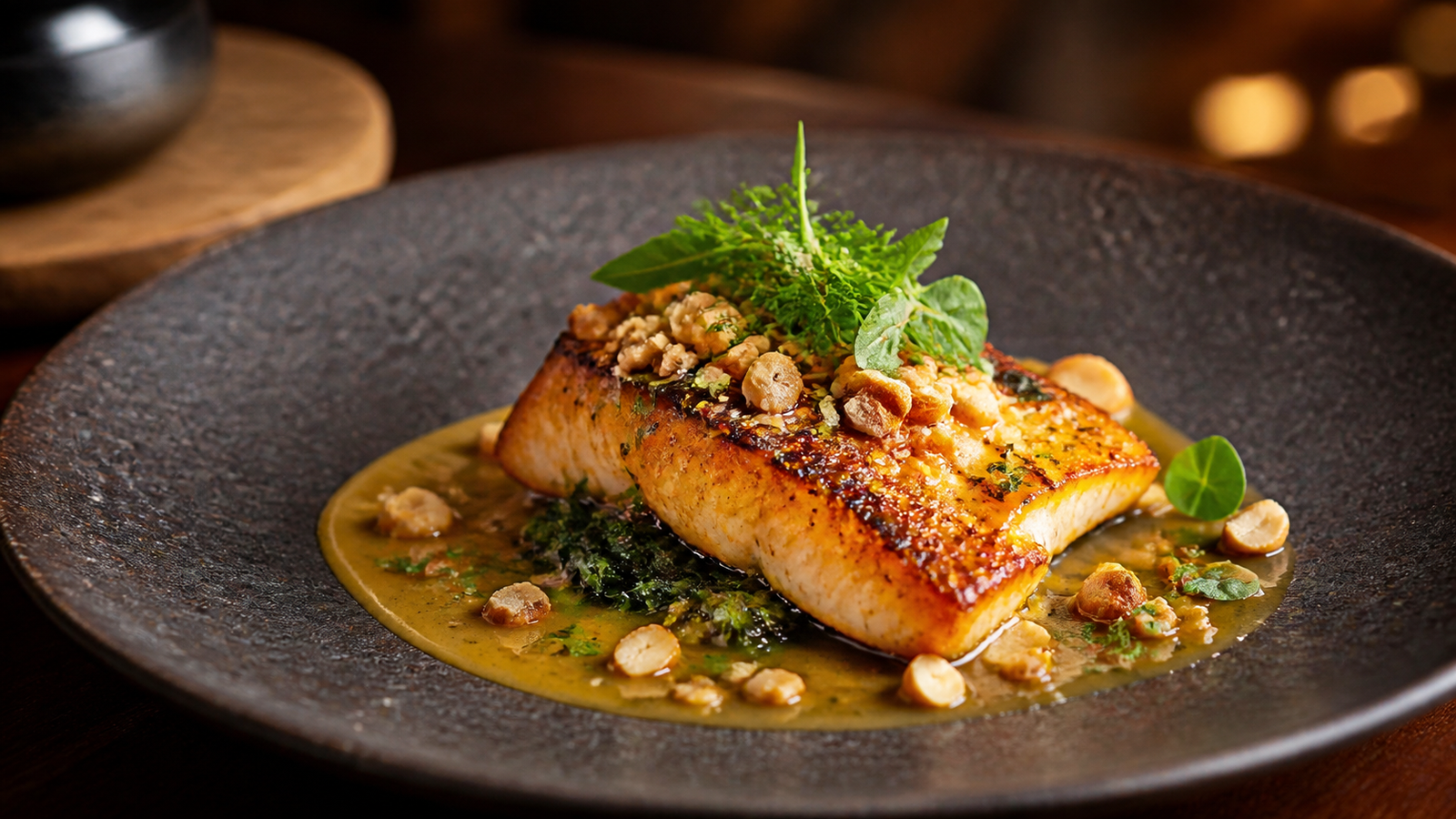
Over the past decade, Manaus has emerged as a beacon of modern Latin American gastronomy, where talented chefs elevate rainforest ingredients, indigenous foraging traditions, and sustainable community fisheries into refined tasting menus.
For an unforgettable dinner in the city, two restaurants stand head and shoulders above the rest:
- Banzeiro (Adrianópolis): Founded by celebrated Chef Felipe Schaedler, Banzeiro is widely credited with putting contemporary Amazonian cuisine on the global culinary map. Signature dishes include succulent tambaqui ribs brushed with a tangy tucupi reduction, delicate pirarucu fillets crusted in Brazil nuts (castanha-do-pará), and an adventurous starter of edible saúva ants served atop lemongrass foam and cassava puree. Expect to spend R$ 140 to R$ 220 per person for an exceptional dinner.
- Caxiri Manaus (Centro Histórico): Located on the first floor of a restored historic townhouse at Rua 10 de Julho, 495, Caxiri offers tall shuttered windows that look directly out onto the façade of Teatro Amazonas. Helmed by Chef Débora Shornik, the kitchen specializes in creative river fish and indigenous PANCs (unconventional edible food plants). Highlights include matrinxã fish roasted over wood embers with pressed cassava, pirarucu ceviche, and desserts crafted from wild cupulate (cacao made from cupuaçu seeds). Caxiri also offers a high-value weekday executive lunch (menu executivo) for roughly R$ 65 to R$ 80, making fine dining accessible during a daytime tour of our Teatro Amazonas visiting guide.
Practical Tips for Dining Out in Manaus
To ensure your culinary adventures in the Amazon capital go smoothly, keep these practical dining guidelines in mind:
- Drink only bottled or filtered water: Tap water in Manaus is not recommended for drinking. High-end restaurants and established cafés always use filtered water for ice and juices, but when in doubt, order sealed bottled mineral water (água mineral sem gás).
- Timing is everything: Cafés regionais are liveliest between 7:00 AM and 9:30 AM. Traditional fish houses do their briskest business during lunch (12:00 PM to 2:30 PM), while tacacá stalls operate exclusively in the late afternoon and early evening (4:00 PM to 7:30 PM).
- Payment and tipping: Major credit cards are accepted across almost all restaurants and sit-down cafés. A standard 10% optional service fee (taxa de serviço) is typically included at the bottom of restaurant bills. If service was exceptional, leaving an extra cash tip is appreciated.
- Navigating spice: If you are sensitive to heat, don’t worry—traditional Amazonian cooking is fragrant rather than fiery. Local hot pepper sauces (made with fragrant pimenta de cheiro and potent pimenta murupi) are always kept in bottles on the table so you can control your own spice level drop by drop.
Frequently Asked Questions
Is food in Manaus spicy?
No. Traditional Amazonian cuisine relies on herbs, garlic, wild manioc broths, and wood smoke rather than fiery chili peppers. Local hot sauces (such as pickled murupi peppers) are always served on the side, allowing you to customize your own spice level.
What exactly is an x-caboquinho?
The x-caboquinho is Manaus’s signature breakfast sandwich. It consists of a crusty French roll filled with thinly sliced raw tucumã palm fruit, griddled salty queijo coalho cheese, and sweet fried plantain (banana pacovã).
How do you eat tacacá without a spoon?
Tacacá is traditionally sipped directly from the natural gourd (cuia). Hold the cuia with both hands using its straw stand, take small sips of the hot tucupi broth, and use a small wooden toothpick (provided with the bowl) to eat the jambu leaves and dried prawns.
Do restaurants in Manaus take credit cards?
Yes. International Visa and Mastercard credit and debit cards are widely accepted at restaurants, cafés, and established market kiosks in Manaus. It is only necessary to carry small Brazilian Real cash bills (R$ 10 or R$ 20) for small street vendors.