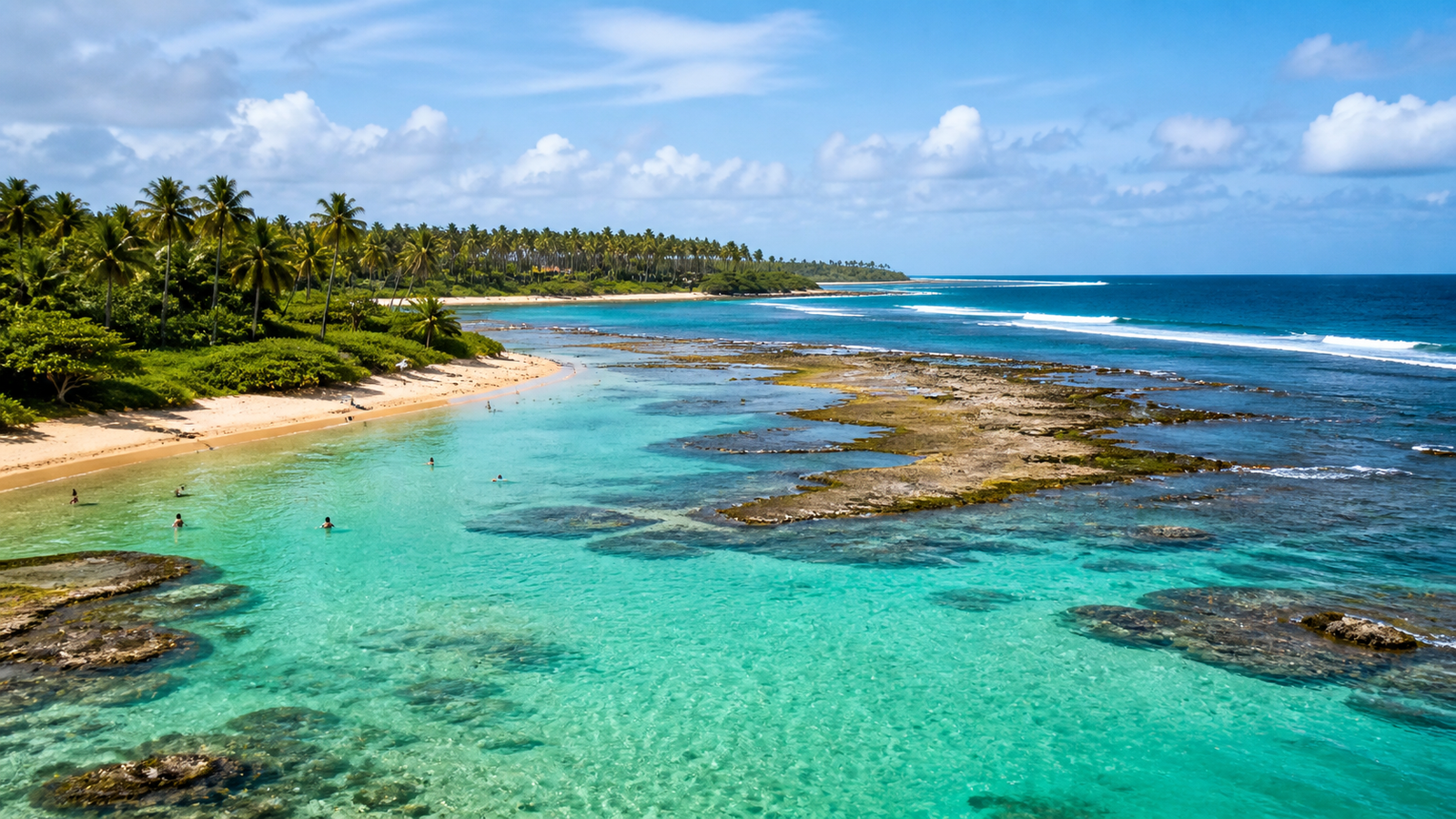
If central Porto de Galinhas feels busier than the beach day you had in mind, the nearby coast gives you several different choices—but they are not interchangeable. Muro Alto has the clearest reef-protected profile; Cupe and Maracaípe lean toward a more open-sea, surf-oriented atmosphere; Pontal de Maracaípe adds a river-mouth setting for late afternoon; and Serrambi mixes open water with a reef-protected stretch.
The honest catch is that “farther from the center” does not guarantee an empty beach, calm water or safe swimming. Tide, weather, sea state, access and holiday traffic can change the experience. Use the profiles below to narrow the choice, then check local conditions on the day.
Choose by beach profile, not by a universal ranking
Start with the kind of day you want. If sheltered-looking water is the priority, begin with Muro Alto. If you want an Atlantic beach with surf energy, compare Cupe and Maracaípe. If the plan is a slower late afternoon near the meeting of river and sea, look at Pontal de Maracaípe. If you are willing to travel farther for a shore with distinct open and reef-protected sections, investigate the exact access point in Serrambi.
None of those descriptions is a same-day conditions report. They are planning profiles drawn from official tourism pages, and they work best as a first filter rather than a promise.
A practical shortcut is to rule out the wrong profile before comparing scenery. Travelers focused on sheltered water should not start with a surf-oriented shore; visitors who want wave watching may find a reef-protected setting too subdued. That first decision is more dependable than trying to predict which beach will feel least busy at a particular hour.
Muro Alto: a reef-protected water profile
Visit Brasil describes Muro Alto as a beach shaped by a long reef that creates a large natural pool, with calm, warm water as its defining profile. That makes it the most intuitive first option for travelers who want to compare a protected-water setting with the open sea around other nearby beaches.
The trade-off is atmosphere. The same official page notes the resort and residential complexes along the shore, so Muro Alto is not a “wild beach” choice. It can suit a family-oriented or slower beach day, but the exact stretch, access arrangement and level of activity still matter.
Before entering the water, check the tide and ask for current local guidance. A reef-protected description does not mean every point is equally shallow, calm or suitable for every swimmer.
Cupe: more open-sea energy close to the resort strip
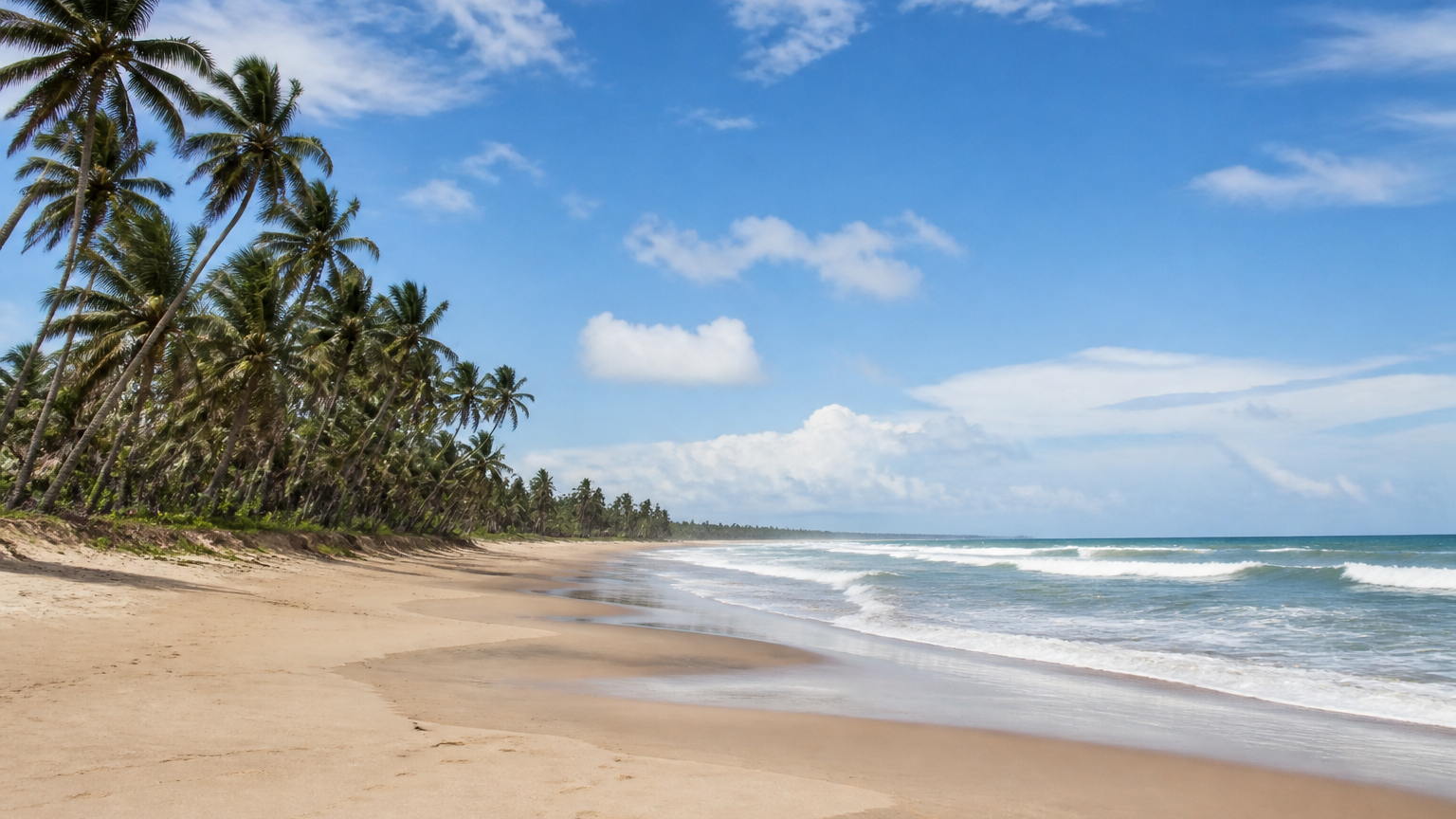
Cupe is the better comparison when you want a broader Atlantic-beach feel rather than making calm water the main requirement. Visit Brasil groups Cupe with Maracaípe as a surf-oriented beach with more agitated water.
That is useful for setting expectations, not for making a blanket safety judgment. Sea conditions can shift, and different sections of a long beach can behave differently. Check where local operators or lifeguards indicate swimming conditions, and do not assume that a photogenic patch of water is protected.
Choose Cupe for the open-coast atmosphere. Choose Muro Alto first if the protected-water profile is the deciding factor.
Maracaípe and the Pontal: surf by day, river-mouth atmosphere later
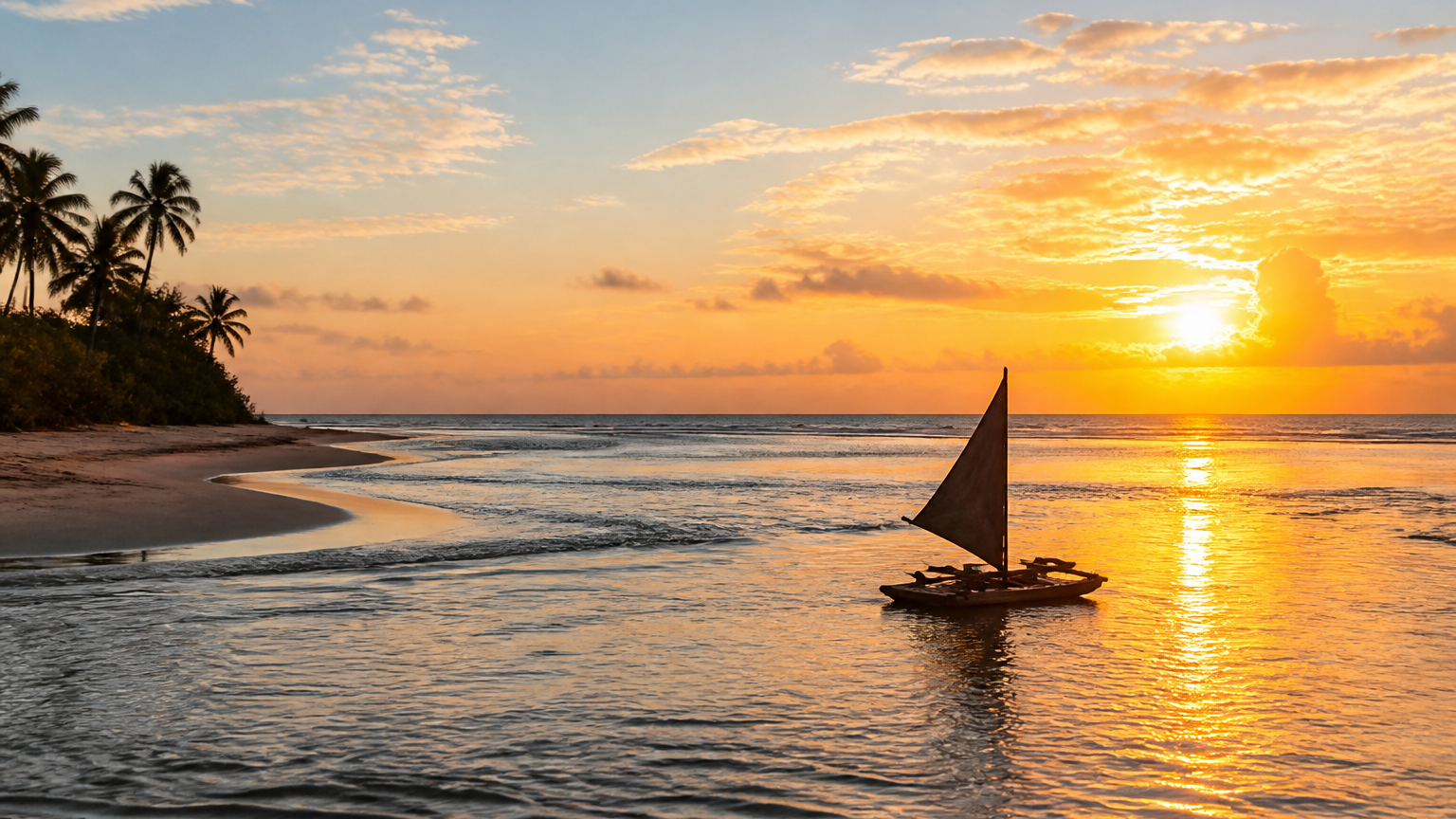
Maracaípe is also associated with surf and a more agitated sea on Visit Brasil’s destination page. That makes the main beach a natural fit for travelers who enjoy watching surf or want a more open, energetic coastal scene. It is a weaker fit for anyone choosing solely on the assumption of calm swimming.
Pontal de Maracaípe is a different part of the experience. The Ipojuca municipal tourism page highlights sunset where the river meets the sea. That makes the Pontal a useful late-day choice when the setting matters as much as time in the water.
Keep the distinction clear when arranging transport or asking for directions: “Maracaípe beach” and “Pontal de Maracaípe” do not describe exactly the same stopping point or atmosphere.
Serrambi: choose the exact stretch before you settle in
Serrambi is the option that most rewards precise planning. Visit Brasil describes its shore as divided between an open-sea section and another protected by reefs. The same destination page presents tranquility as a central part of Serrambi’s appeal.
That split profile is the key fact. Do not arrive with one mental image of the whole beach. Ask where the protected and open sections are, decide which one matches your plan, and confirm the current sea conditions before entering.
Serrambi can work for a slower change of scene from Porto de Galinhas, but “tranquil” should be read as a destination profile—not a live crowd count or safety guarantee.
A five-minute check before leaving Porto de Galinhas
- Check the tide: reef and natural-pool experiences change with water level.
- Check the weather and sea state: official destination descriptions are not live forecasts.
- Confirm the exact access point: this matters especially at Serrambi and when distinguishing Maracaípe from the Pontal.
- Ask about local swimming guidance: do not infer safety from a photo or from the word “calm.”
- Confirm transport and return timing: avoid relying on an old fare, schedule or travel-time estimate.
The simplest decision is conditional: start with Muro Alto for a reef-protected profile; look at Cupe or Maracaípe for open-sea energy; consider the Pontal for a river-mouth sunset; and choose the correct Serrambi section if you want a quieter-feeling change of scene. Then let the day’s tide, weather and local guidance make the final call.
For natural pools, the village and broader trip planning, use our complete Porto de Galinhas guide as a separate overview.