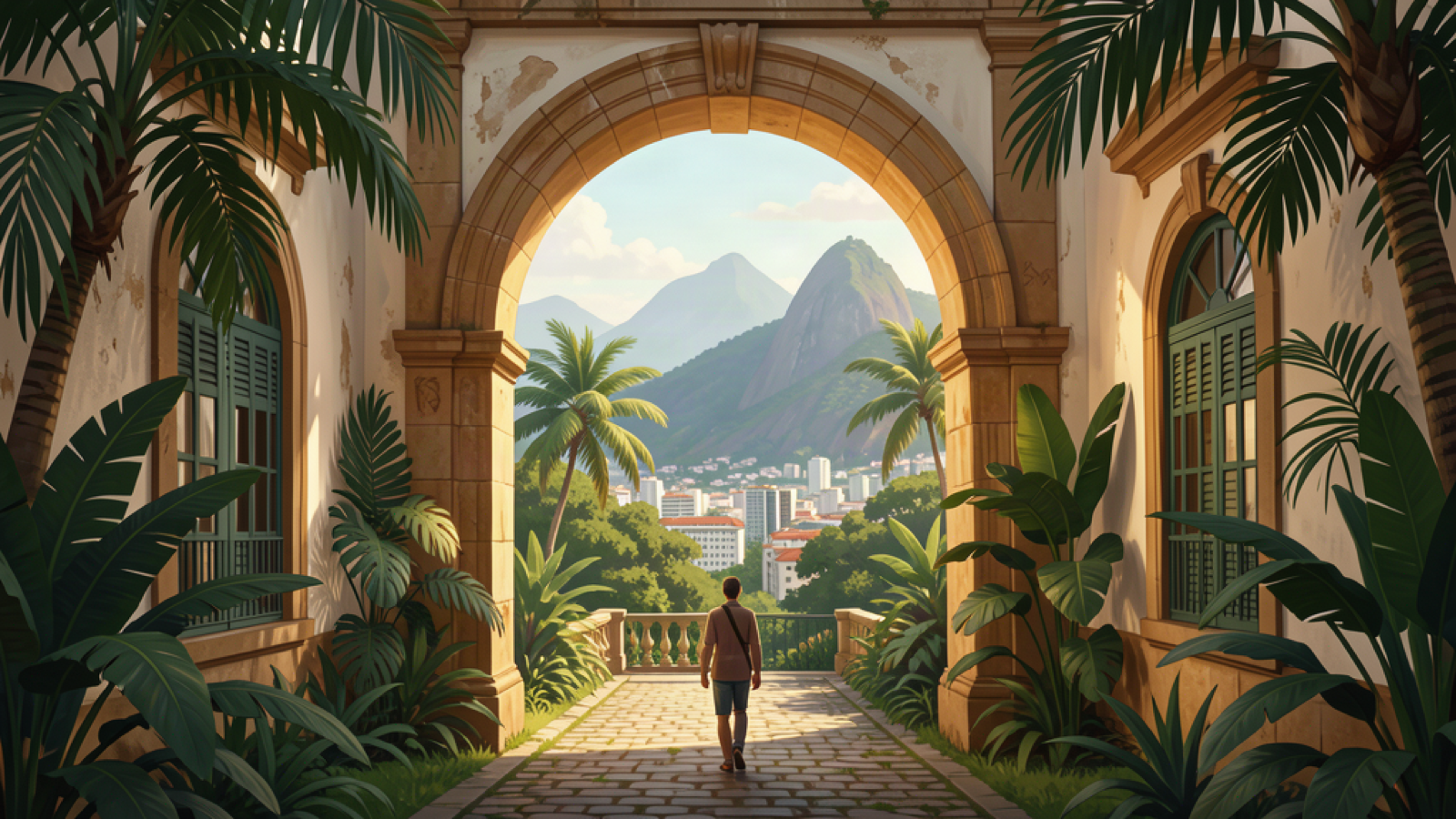
Rio beyond the beaches works best as a set of choices, not another checklist. The five places below reveal literary, Afro-Brazilian, landscape, imperial and folk-art sides of the city—and each asks for a different amount of planning.
For an easy cultural addition in central Rio, start with the Real Gabinete Português de Leitura or Pedra do Sal. For a deeper half-day outing, choose Sítio Roberto Burle Marx, Ilha Fiscal or Museu do Pontal. Trying to squeeze all five into one day would trade discovery for traffic.
Choose a quick central stop or a planned destination
| Place | Best for | Planning level | Key check |
|---|---|---|---|
| Real Gabinete | Architecture and books | Low | Weekday opening |
| Pedra do Sal | Afro-Brazilian and samba history | Medium | Current event schedule |
| Sítio Burle Marx | Gardens and design | High | Advance booking |
| Ilha Fiscal | Imperial and naval history | High | Check-in and official transport |
| Museu do Pontal | Brazilian folk art | Medium | West-zone travel time |
Real Gabinete: a short, dramatic stop in Centro

The Real Gabinete Português de Leitura is the easiest place on this list to add to a central Rio day. Its reading room rises in layers of dark carved wood and books, making the visit feel much larger than the time it takes.
The institution’s visitor page currently lists free admission on weekdays from 10 a.m. to 5 p.m. That weekday-only schedule is the main catch. Pair it with other Centro architecture rather than crossing the city just for a quick photo.
This is a working cultural institution, not a themed attraction. Keep voices low, follow photography rules and leave room for people using the reading room.
Pedra do Sal: read the place before chasing the party
Pedra do Sal sits in the area historically known as Little Africa. Riotur connects the rock, the surrounding streets and courtyards with Afro-Brazilian religious life and the development of urban samba in Rio.
That context matters more than treating the place as a backdrop for a night out. Visit the port area in daylight if you want to understand the geography, then return for music only after checking the current organizer or venue listing. Live schedules can change, and an old blog post is not a reliable calendar.
Pedra do Sal and the Real Gabinete can belong to the same broad central-city day, but not as a rushed walk between photo stops. Give the port area’s history its own time.
Sítio Roberto Burle Marx: the place to book ahead
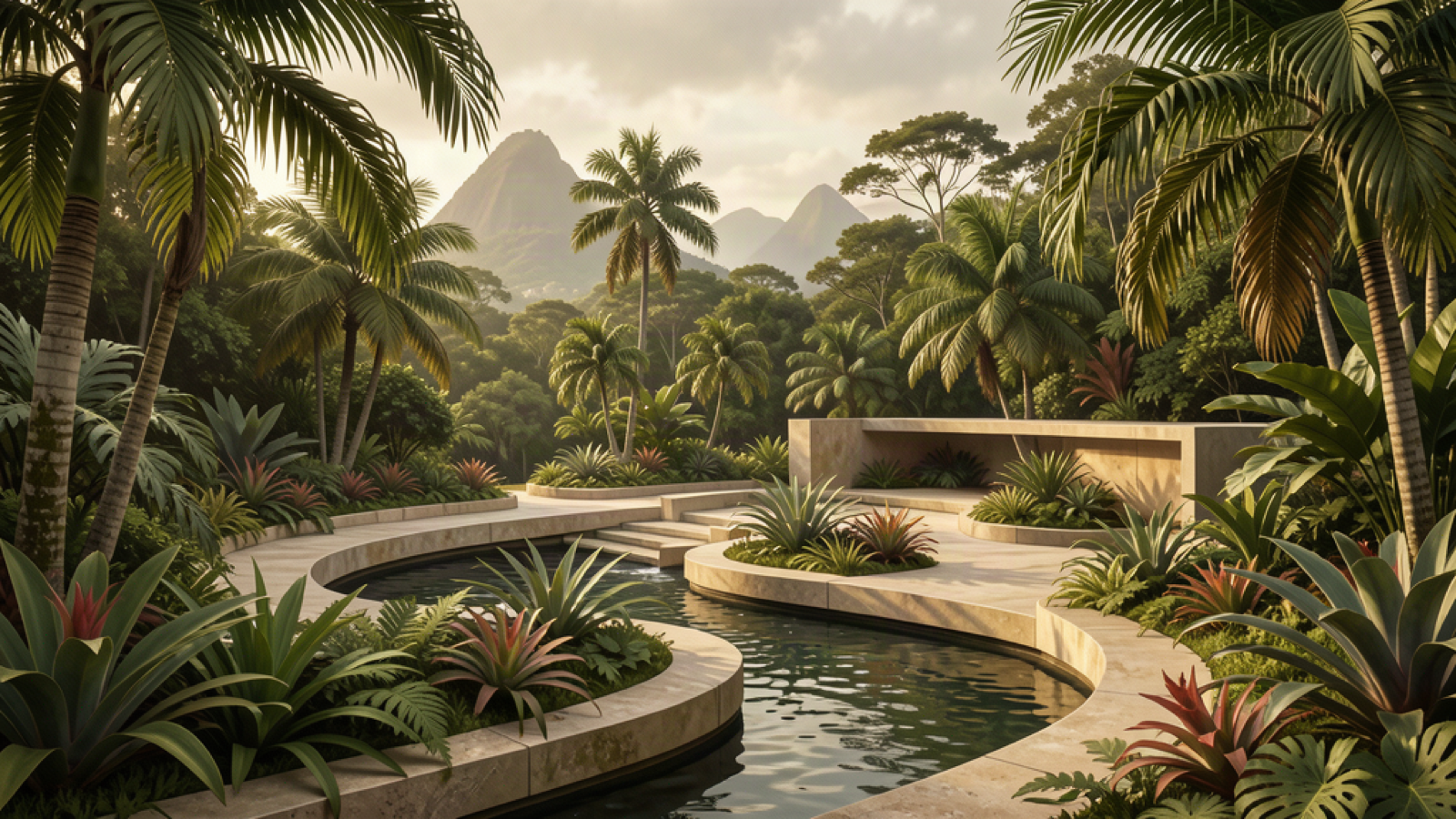
The UNESCO-listed Sítio Roberto Burle Marx in Barra de Guaratiba is a landscape laboratory rather than a conventional botanical garden. UNESCO describes a property developed by landscape architect and artist Roberto Burle Marx over more than 40 years, combining Modernist ideas with native tropical plants.
This is the least spontaneous visit here. The official visitor page says visits are scheduled in advance, Tuesday through Saturday except holidays. The guided route lasts about 90 minutes and covers roughly 1.8 kilometers on foot with elevation change. English guiding and mobility support should be requested when booking.
The official page currently lists a R$10 ticket paid in cash, but prices and payment rules are exactly the kind of details to reconfirm before leaving. The real cost is time: Barra de Guaratiba deserves a dedicated half-day rather than a slot between central attractions.
Ilha Fiscal: a museum visit with a transport plan
Ilha Fiscal’s neo-Gothic building is associated with the event remembered as the last ball of the Brazilian Empire. Today, the island forms part of the Brazilian Navy’s cultural complex and contains exhibition rooms about the building, the imperial ball and the Navy’s occupation of the site.
The crucial detail is access. According to the Brazilian Navy visitor page, travelers must validate their tickets at the Espaço Cultural da Marinha near Praça XV and use transport provided by the Navy. Independent arrival is not allowed, and the transport may be by boat or minibus depending on operating conditions.
Allow roughly two hours for the regular visit plus check-in time. The historic surfaces include cobblestones and steps, and the central tower has a spiral staircase without an elevator. The Navy also publishes date-specific closures, so check the page again before paying or heading downtown.
Museu do Pontal: folk art worth crossing town for
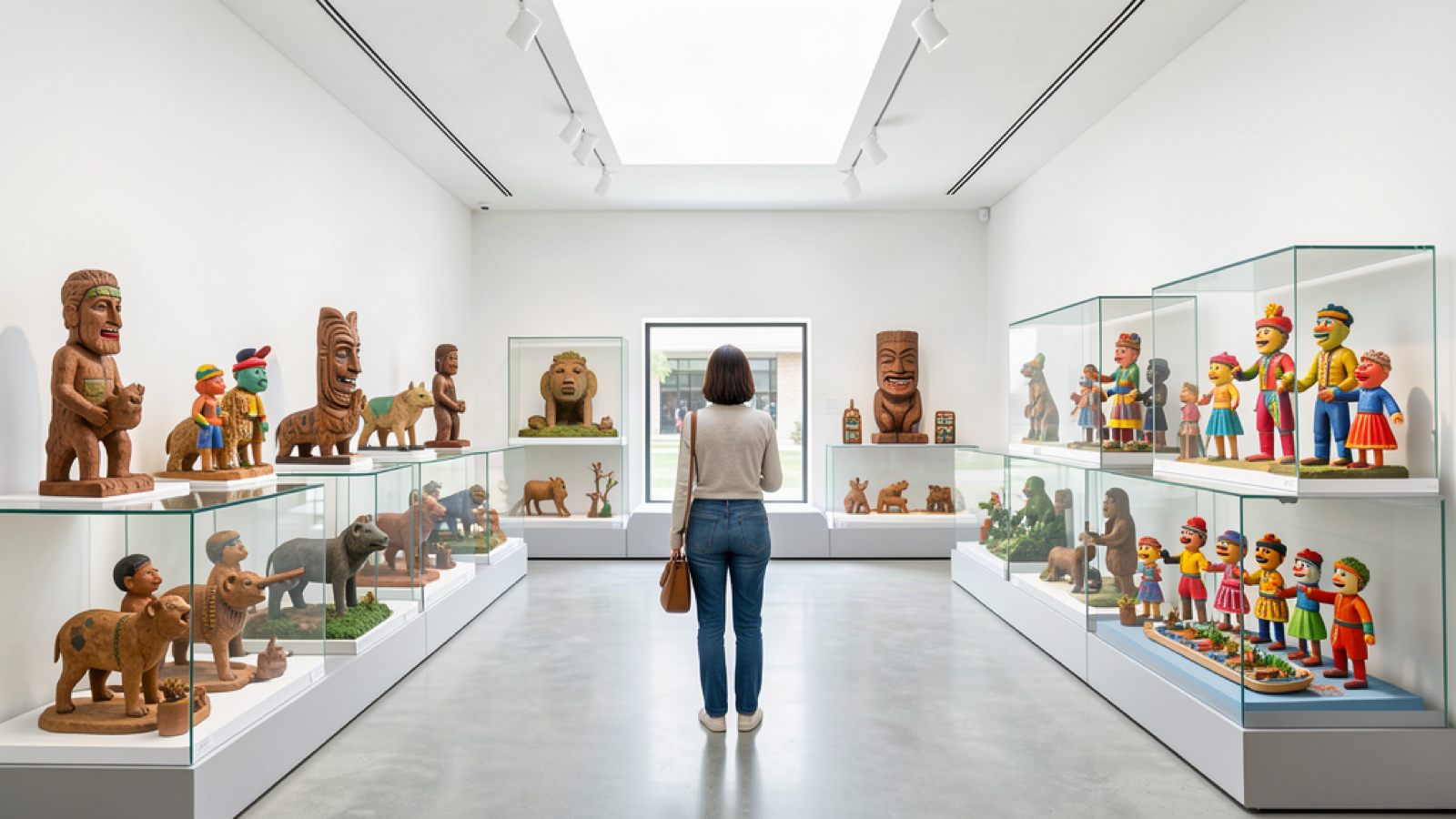
The Museu do Pontal is the strongest choice for travelers who want a broad view of Brazilian folk art rather than another monument. The museum says its collection includes more than 10,000 works by 300 artists from 21 Brazilian states, with exhibitions that bring together sculpture, festivals, faith, work and everyday life.
Its current home is in Barra da Tijuca, close to Bosque da Barra. The museum lists free admission from Thursday through Sunday, 10 a.m. to 6 p.m., with exhibition entry ending at 5:30 p.m. Advance reservation is recommended even though admission is free.
Do not add the museum as an afterthought from Copacabana or Centro. Build the day around Barra, perhaps with nearby green space, and keep enough time for the galleries instead of measuring the visit by the drive alone.
How to choose without overloading your itinerary
Choose by the version of Rio you want to understand. Pick the Real Gabinete for architecture and literary atmosphere; Pedra do Sal for Afro-Brazilian history and samba context; Sítio Burle Marx for landscape design; Ilha Fiscal for imperial and naval history; or Museu do Pontal for art from across Brazil.
- Only one spare hour in Centro: Real Gabinete, on a weekday.
- A central day with historical depth: Pedra do Sal and the port area, with current schedule checks.
- A planned garden visit: Sítio Roberto Burle Marx.
- A timed museum excursion: Ilha Fiscal.
- A west-zone culture day: Museu do Pontal.
Operating details change. Open the official links on the day you finalize your plan, especially for reservations, closures, payment methods and accessibility support. If this is your first trip, use these places as additions to a first-time Rio itinerary, not as a reason to race across the city.
Frequently asked questions
Are these places really hidden?
No. They are established attractions that are often left out of beach-focused first-trip itineraries. The point is not secrecy; it is seeing different layers of Rio’s culture and history.
Which places are easiest to combine in central Rio?
The Real Gabinete Português de Leitura and Pedra do Sal can fit into a Centro and port-area day, but their best visiting times differ. Check current hours and event listings before setting the route.
Which attraction needs advance booking?
Sítio Roberto Burle Marx accepts scheduled visits only. Ilha Fiscal also requires ticket validation and transport provided by the Navy, so advance planning is strongly recommended.
Can I visit all five in one day?
No practical itinerary should try. The list stretches from Centro to Barra da Tijuca and Barra de Guaratiba. Choose one central pair or one west-zone destination instead.