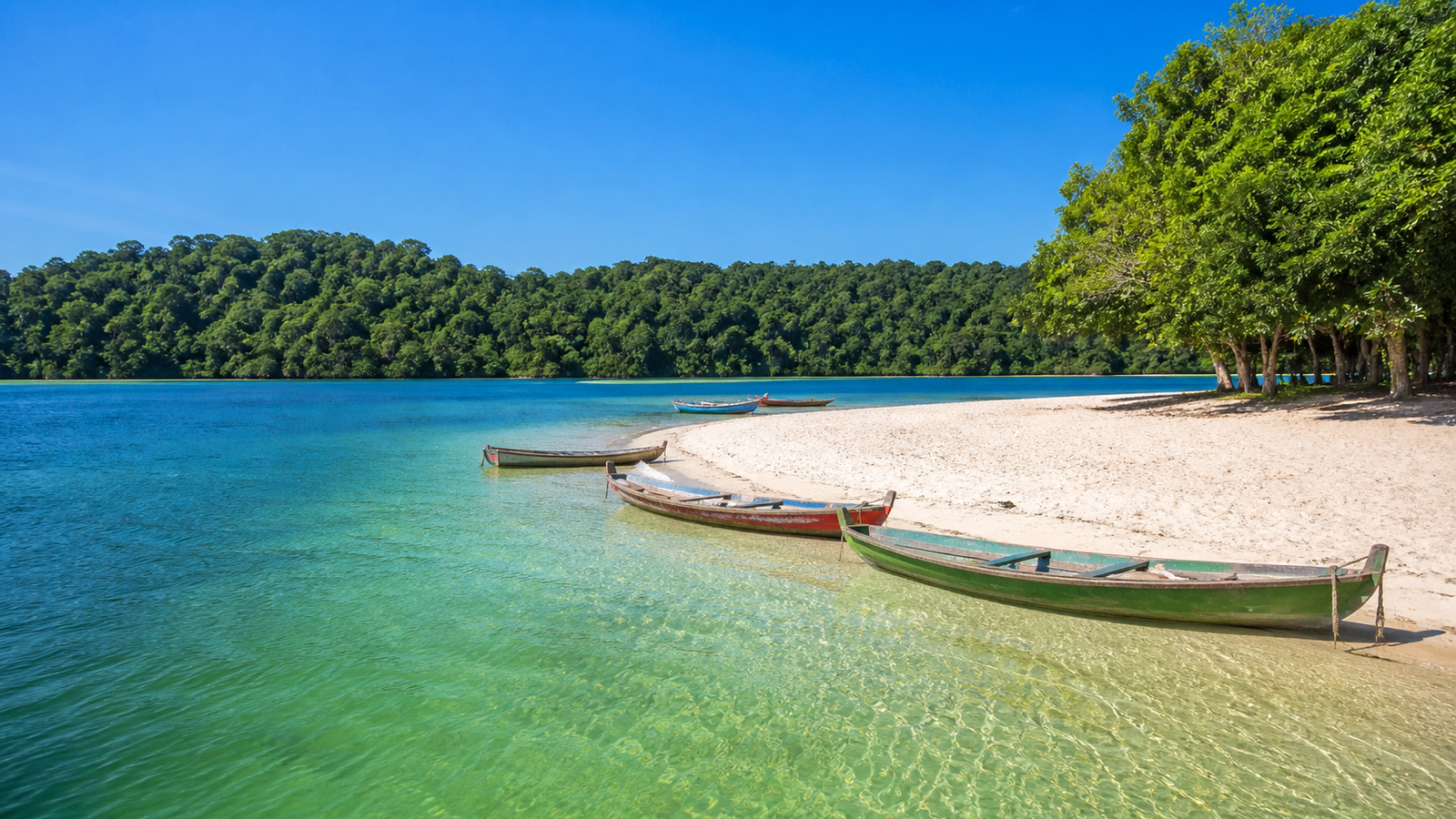
Alter do Chão defies almost every stereotype travelers hold about the Brazilian Amazon. Instead of churning muddy waters and dense, impenetrable swamp, you step out onto blinding white sandbars meeting calm, crystal-clear, emerald-green freshwater. Located along the wide bend of the Rio Tapajós in the state of Pará, this tranquil river village has earned a reputation as the freshwater Caribbean of Brazil.
What makes Alter do Chão truly special is the seamless harmony between laid-back beach life and pristine primary rainforest. In a single weekend, you can spend your morning sunbathing on a sandspit with your feet in warm river water and your afternoon standing before a colossal centuries-old Sumaúma tree deep in the Amazonian canopy. However, because the entire region revolves around river navigation and dramatic seasonal water changes, traveling here without a realistic route can lead to expensive boat charter mistakes or missed attractions. Here is how to structure a smooth, unforgettable 3 to 4-day itinerary in Alter do Chão.
The Caribbean of the Amazon: Why Alter do Chão Is Different
The secret behind Alter do Chão’s crystal-clear water lies in the unique nature of the Rio Tapajós. Unlike the sediment-heavy, coffee-and-milk colored Rio Amazonas, the Tapajós is an Amazonian clearwater river (rio de águas claras). Its waters are warm, slightly acidic—which naturally deters mosquitoes—and free from ocean waves, tidal surges, or saltwater.
Before packing your bags, you need to understand the region’s powerful hydrological cycle, which splits the year into two distinct travel seasons:
- The Amazon Summer / Dry Season (August to December): As river water levels drop by several meters, vast white sandbanks, islands, and walkable peninsulas emerge across the river. Peak beach visibility occurs between September and November. This is the classic beach season.
- The Amazon Winter / Flood Season (January to July): Heavy seasonal rainfall causes the Tapajós to rise by up to 7 to 8 meters. Sandbars submerge, transforming the landscape into an enchanting flooded forest (igapó). During these months, boatmen steer wooden canoes directly through the leafy tree canopies of Lago Verde (the Enchanted Forest).
Both seasons offer breathtaking beauty, but if your primary goal is lounging on white sand river beaches, plan your visit between August and December.
Day 1: Village Arrival, Ilha do Amor, and Sunset at Ponta do Cururu
Your journey begins at Santarém’s Maestro Wilson Fonseca Airport (STM), located about 34 kilometers from Alter do Chão. Hop into a pre-arranged transfer or official airport taxi for the scenic 40-to-45-minute drive along the paved PA-457 highway. Once you check into your village pousada, head straight down to the waterfront promenade on Lago Verde.
Morning & Afternoon: Crossing to Ilha do Amor
Directly facing the village waterfront sits Ilha do Amor (Island of Love), the iconic postcard sandbar of Alter do Chão. Step up to the shore and wave down a traditional wooden rowing canoe (catraia). For a flat fee of R$ 5 to R$ 10 per passenger, local catraieiros will row you across the narrow channel in under two minutes.
Spend your early afternoon settling into one of the rustic wooden beach kiosks. Order a cold Brazilian beer and fresh fried tucunaré (peacock bass) or charutinho. After swimming in the calm freshwater, take the trail leading toward the tip of the peninsula to climb Morro da Piraoca. This 110-meter hill is the highest natural point in the area, offering a sweeping 360-degree panoramic view of Lago Verde, the vast Tapajós River, and the endless green carpet of the Amazon basin.
Late Afternoon & Evening: Sunset at Ponta do Cururu
Around 4:30 PM, head to the village boat docks or Centro de Atendimento ao Turista (CAT) to catch a short speedboat (voadeira) to Ponta do Cururu. This deserted, razor-thin sandspit juts hundreds of meters straight into the Tapajós. With no permanent bars or loud sound systems, it is the premier spot to watch the Amazonian sun melt into the horizon while pink and gray river dolphins (botos) breach in the golden water.
Return to the village center for dinner around the main square (Praça 7 de Setembro). Try a steaming bowl of street-side tacacá—the iconic northern broth made with wild manioc juice (tucupi), jambu leaves that create a gentle tingling sensation on the tongue, and dried shrimp.
Day 2: Deep Jungle Trekking in Floresta Nacional do Tapajós (FLONA)
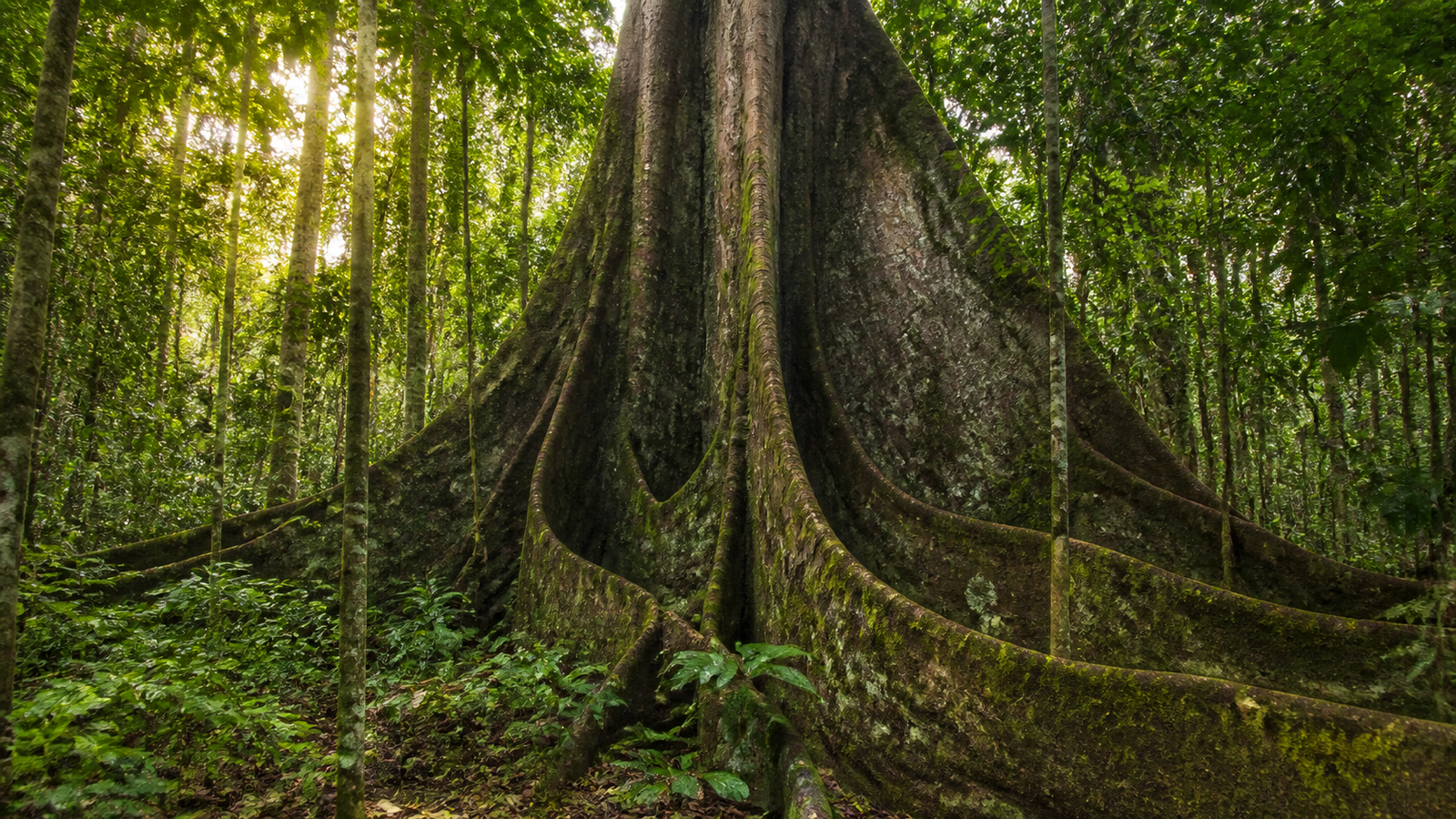
Day two is dedicated to serious wilderness exploration in the Floresta Nacional do Tapajós (FLONA), a massive 529,000-hectare federal conservation reserve managed by ICMBio. This is real, intact Amazonian primary forest with towering ancient hardwoods and rich biodiversity.
Morning: The Giant Sumaúma Trail in Jamaraquá
Board an early morning speedboat from Alter do Chão for the 1-hour cruise south along the Tapajós to the traditional riverine community of Jamaraquá. Under federal environmental regulations, all visitors entering the forest trails must hire an accredited local community guide (typically R$ 150 to R$ 200 per group).
Embark on the famous Trilha da Samaúma (Piquiá Trail), an 9-to-11-kilometer round-trip hike through dense primary jungle. As you walk, your local guide will point out medicinal plants, natural rubber trees (seringueiras), and the sounds of howler monkeys and toucans in the upper canopy. The undisputed highlight of the trek is standing before the legendary Vovó da Floresta (Grandmother of the Forest)—a colossal centuries-old Sumaúma tree whose colossal buttress roots (sapopemas) span the size of a small house.
Afternoon: Community Lunch and Crystal Streams
Upon returning to Jamaraquá village around midday, sit down for a home-cooked community meal prepared with freshly caught river fish, seasoned cassava flour (farinha d\x27água), and fresh cupuaçu or taperebá fruit juice. After lunch, take a refreshing dip in the crystal-clear, cool waters of the local Jamaraquá igarapé (forest stream) before your speedboat departs back to Alter do Chão.
Day 3: Community Crafts and Deserted Sandspits on Rio Arapiuns
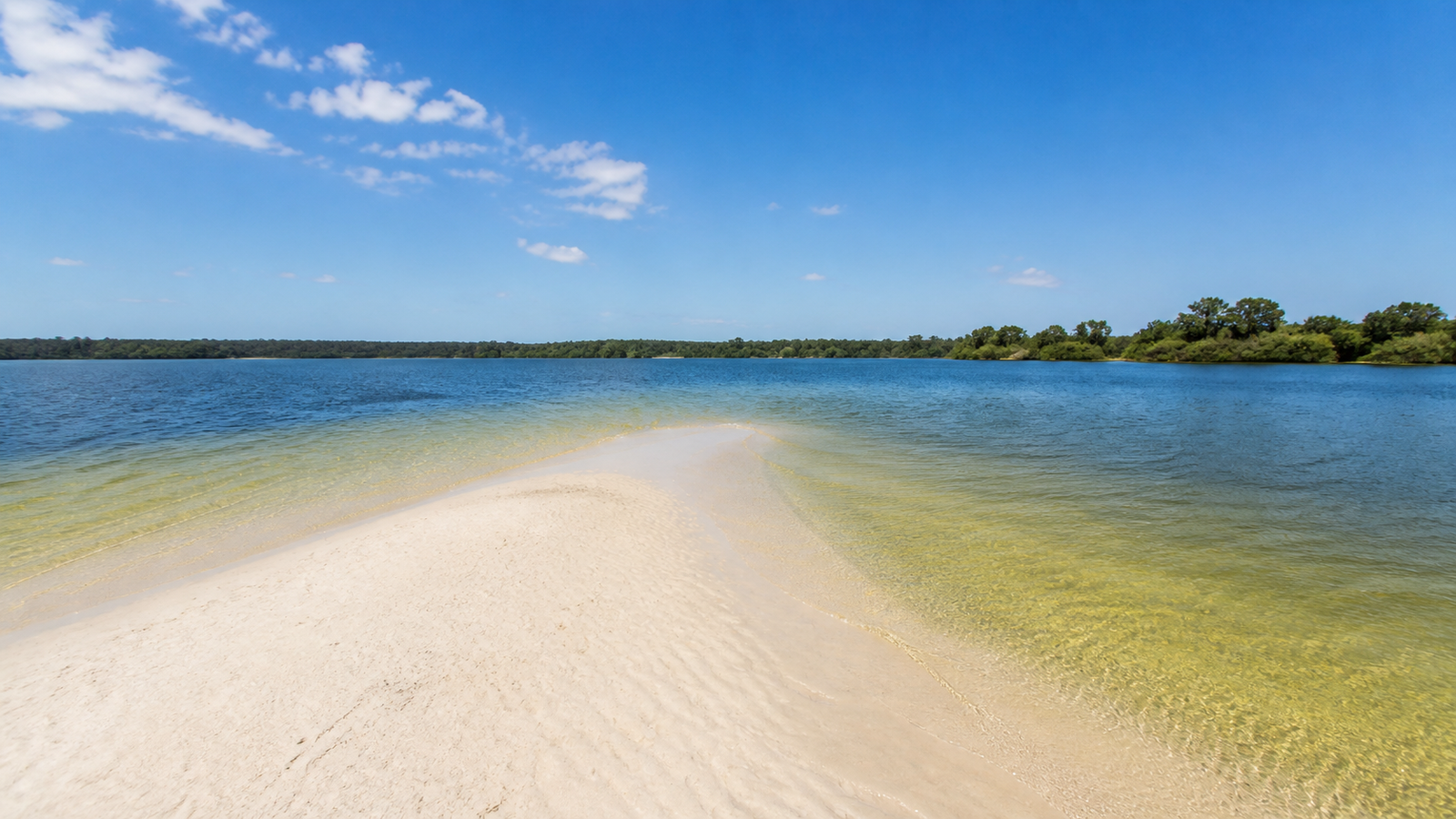
On your third day, chart a boat course across the Tapajós to enter the mouth of the Rio Arapiuns, a magnificent tributary renowned for its tea-tinted, mirror-like waters and extraordinary community-based ecotourism projects.
Morning: Turtles, Melipona Bees, and Weaving in Coroca
Your first stop is the welcoming riverside community of Coroca. Here, the local residents run three inspiring community conservation initiatives:
- The Tucumã Palm Weaving Cooperative: Local women craft world-renowned decorative baskets, bowls, and accessories using natural fibers from the tucumã palm and vegetable dyes extracted from forest roots and bark.
- The Amazonian Turtle Project: The community protects native river turtles (quelônios) in a dedicated lake, protecting eggs from poachers and releasing hatchlings into the wild.
- Native Meliponary: Learn about indigenous stingless bees (such as the Jandaíra) and taste pure, medicinal wild Amazonian honey.
Afternoon: Pure Solitude on Ponta Grande and Ponta do Toronó
After supporting the community with a home-cooked riverside lunch and artisan purchases, cruise to the isolated sandbars of Ponta Grande or Ponta do Toronó. These vast, blinding white sandspits stretch out into transparent emerald waters with zero beach bars or crowds. Spend the afternoon swimming, strolling along the sandbanks, and soaking in the untouched silence of the western Pará waterways.
Day 4: Beach Hopping, Pindobal Thatched Kiosks, and Casa do Saulo
Your final day is designed for relaxed coastal exploration, scenic beach hopping, and the finest regional gastronomy in northern Brazil. You can complete this route by chartered speedboat or by taxi/car transfer along the coastal road.
Morning: Lounging in the Palhoças of Praia do Pindobal
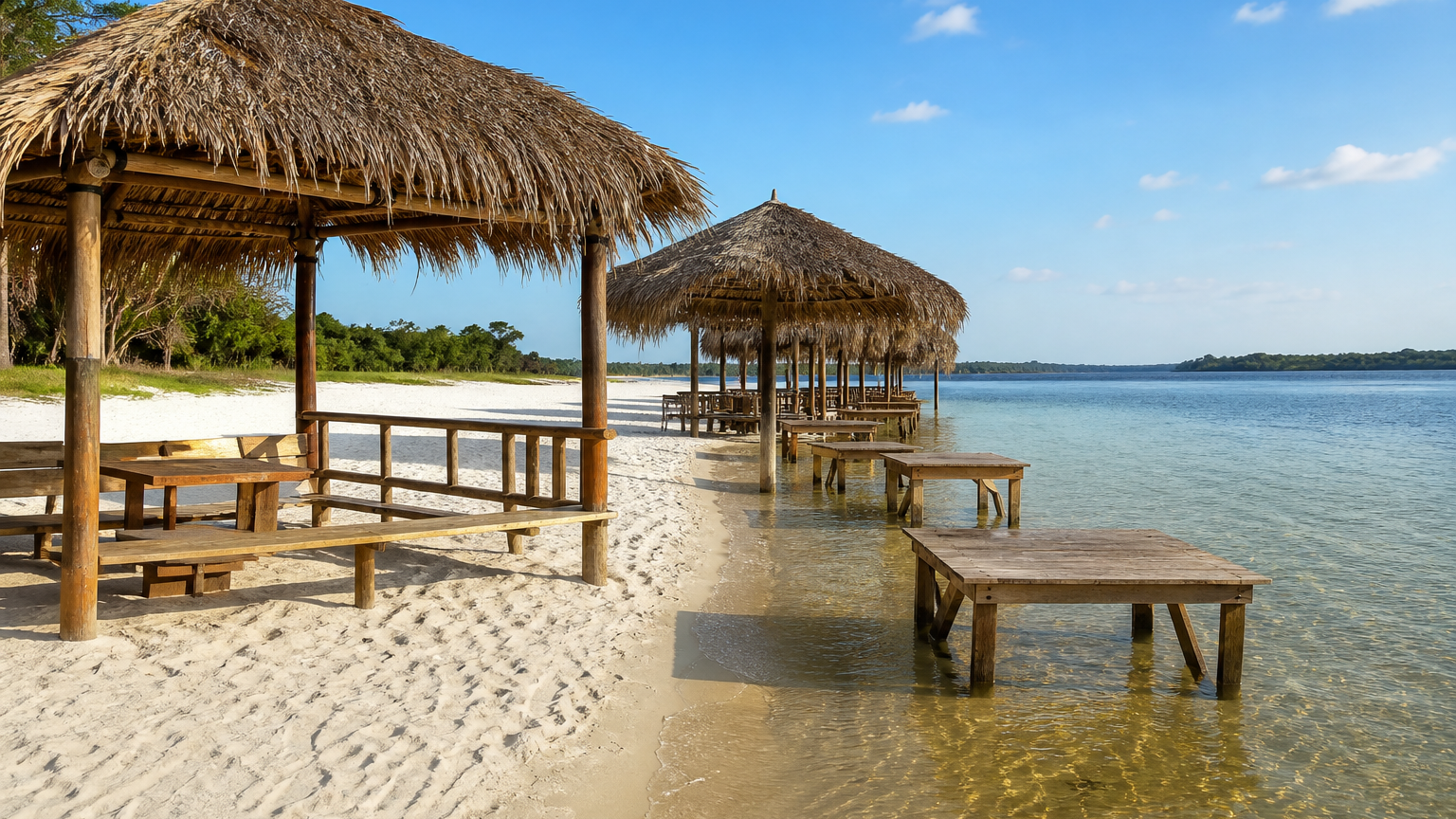
Head south to Praia do Pindobal, one of the most comfortable and family-friendly beaches in the region. Pindobal is famous for its long rows of rustic thatched-roof wooden kiosks (palhoças). During the dry season, tables and wooden chairs are placed directly in the shallow, tepid river water, allowing you to sip fresh coconut water while the gentle freshwater laps at your feet.
Midday: Rocky Outcrops at Ponta de Pedras
Next, visit Praia de Ponta de Pedras, distinctive for its natural black rock formations contrasting sharply against the white sandbanks. Small beach huts here specialize in crispy, golden-fried charutinho, served with lime wedges and toasted manioc flour.
Afternoon: A Culinary Feast at Casa do Saulo
End your Alter do Chão journey with a celebrated late lunch at Casa do Saulo, located atop a forested bluff overlooking Praia do Carapanari. Widely recognized as one of the best regional restaurants in all of Brazil, Chef Saulo Jennings crafts modern Amazonian masterpieces.
Must-order dishes include the Pirarucu de Casaca (shredded Amazonian giant fish baked with plantains, cassava flour, and coconut milk) or grilled Tambaqui glazed with Brazil nut pesto. Sip a caipirinha made with local taperebá fruit as you watch the river traffic glide along the Tapajós below.
Alter do Chão 4-Day Itinerary At a Glance
| Day | Morning | Afternoon | Evening / Sunset | Transport Mode |
|---|---|---|---|---|
| Day 1 | STM Airport arrival & hotel check-in | Ilha do Amor & hike Morro da Piraoca | Sunset boat at Ponta do Cururu & village Tacacá | Road transfer + Catraia + Short boat |
| Day 2 | Speedboat cruise to FLONA Tapajós | Guided Trilha da Samaúma (giant tree) | Community lunch & Jamaraquá stream swim | Full-day private/shared speedboat (Voadeira) |
| Day 3 | Cruise up Rio Arapiuns to Coroca | Tucumã weaving, turtle project & bees | Swimming at deserted Ponta Grande sandspit | Full-day private/shared speedboat (Voadeira) |
| Day 4 | Relax in water palhoças at Pindobal | Rocky shoreline at Ponta de Pedras | Gastronomic feast at Casa do Saulo (Carapanari) | Car transfer or chartered speedboat |
Essential Logistics: Getting There, Booking Boats, and Money Realities
To ensure your trip runs smoothly without unexpected hitches, keep these practical travel guidelines in mind:
- Getting to Alter do Chão: Book a commercial flight to Santarém (STM) via Brasília, Belém, or Manaus. From the airport, take a pre-arranged transfer or official taxi (R$ 100 to R$ 140) for the 40-to-45-minute drive along PA-457. Ride-hailing apps like Uber operate intermittently in Santarém but are rarely available for return trips from Alter do Chão.
- How to Book Boat Tours at the CAT: Located directly on the village waterfront square, the Centro de Atendimento ao Turista (CAT) coordinates the local boatmen associations (ATUFA/ACBAL). They maintain an official board of standardized prices for set day routes. Short sunset runs to Ponta do Cururu cost around R$ 150 to R$ 250 per boat, while full-day private speedboats (voadeiras) to FLONA or Rio Arapiuns range from R$ 600 to R$ 1,000+ per boat. If traveling solo or as a couple, visit the CAT around 8:30 AM or the evening before to partner with other travelers and split the boat charter.
- Cash Is Essential: While pousadas, bars, and established restaurants in the village widely accept major credit cards and PIX, you must carry physical Brazilian Reais (cash). Catraia canoe crossings, community trail fees in FLONA, guide payments, and artisanal handicraft purchases in Coroca require cash. The village has no standard bank branches, and local ATM machines often run out of bills. Withdraw cash at Santarém airport before arriving.
- Connectivity & Health: Cell signal (Vivo and Claro) provides reliable 4G in Alter do Chão village, but reception drops completely once your boat enters FLONA or Rio Arapiuns. Pack high-SPF sunscreen, a wide-brim hat, light hiking shoes for jungle trails, and insect repellent (especially for forest walks).
Frequently Asked Questions About Visiting Alter do Chão
How many days should I spend in Alter do Chão?
A minimum of 3 full days is recommended to experience the primary highlights: Ilha do Amor, a rainforest trek in FLONA Tapajós, and a boat excursion to Rio Arapiuns. Spending 4 to 5 days allows for an unhurried rhythm, including beach hopping along Praia do Pindobal and relaxed dining at Casa do Saulo.
Is it safe to swim in the Tapajós River?
Yes, swimming in the Rio Tapajós is very safe. The river consists of calm, warm freshwater with no ocean currents, waves, or saltwater predators. Always follow local guidance, swim near established beach areas, and step carefully in sandy shallows during low-water season.
What is the best month to visit Alter do Chão?
For classic white sand river beaches and sandbars, the best months are between August and December, with peak beach exposure from September to November. If you want to experience the flooded forest (igapó) and paddle canoes through submerged treetops, visit between February and June.
Do I need cash in Alter do Chão, or are credit cards accepted?
You must bring cash in Brazilian Reais. While village shops, hotels, and restaurants accept credit cards and PIX, cash is required for small wooden catraia crossings (R$ 5-10), community entrance fees, accredited guide tips in FLONA, and handmade craft purchases in river villages.