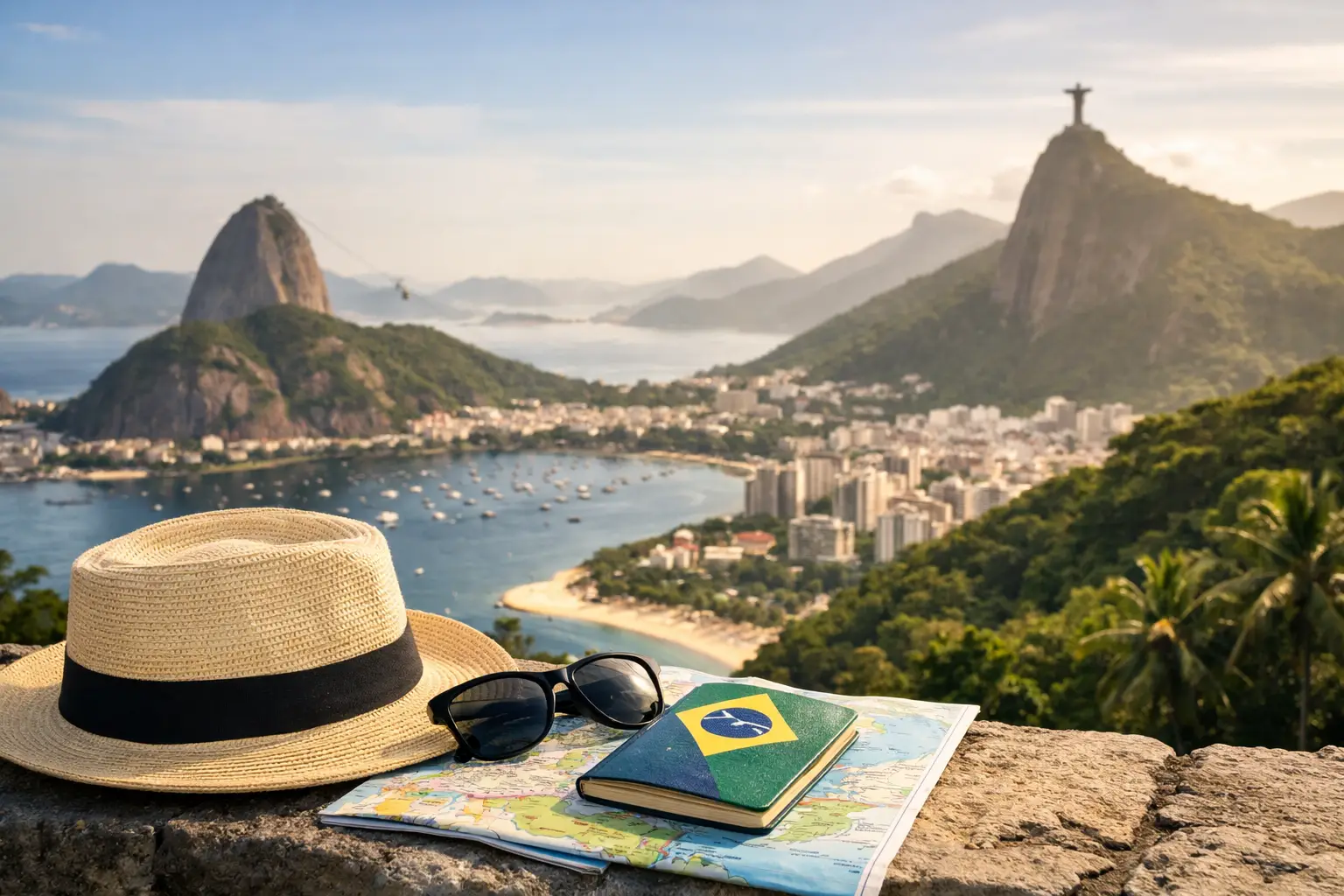
Brazil can feel easy one moment and overwhelming the next. You might land in Rio ready for beaches and landmarks, then realize the country works more like a continent than a single destination. That is why these Brazil travel tips for first timers matter most before you book too much, move too fast, or assume one city represents the whole country.
A first trip to Brazil usually goes better when you narrow your plan instead of trying to see everything. Brazil is huge, distances are long, and regional differences are real. Rio de Janeiro, São Paulo, Salvador, Foz do Iguaçu, Florianópolis, and Manaus can all fit under the same national identity, but they offer very different rhythms, weather patterns, food cultures, and logistics.
Brazil travel tips for first timers: start with geography
One of the most common planning mistakes is underestimating travel time. A flight between major cities may look manageable on paper, but airport transfers, traffic, and connections can take a large part of the day. If you only have 7 to 10 days, two or three bases are usually enough.
For many first-time visitors, combining Rio de Janeiro with one contrasting destination works well. São Paulo adds food, nightlife, and urban culture. Salvador adds Afro-Brazilian heritage and a different coastal atmosphere. Foz do Iguaçu adds one of South America’s most impressive natural attractions. If your priority is nature, the Amazon or Pantanal can be unforgettable, but they need more deliberate planning and a realistic budget.
The best route depends on your travel style. If you want iconic highlights, keep it simple. If you want beaches and slower days, skip excessive domestic flights. Brazil rewards focused itineraries much more than rushed checklists.
Choose the right season for your route
Brazil is not a destination with one universal best time to visit. Weather varies by region, and so do prices and crowd levels. Summer in Brazil runs from December to March, which means beaches are lively and days are hot, but this is also peak season in many destinations.
Carnival is a major example of trade-offs. It is exciting, culturally rich, and worth experiencing for some travelers, but prices rise sharply and cities become much busier. If this is your first trip and you prefer easier logistics, the weeks outside Carnival can be a better fit.
The shoulder months often work well for international travelers. April to June and August to November can bring a good balance of weather and fewer crowds in many places. Still, it depends on where you are going. The Amazon, for example, changes dramatically between high-water and low-water seasons, and that affects both scenery and access.
Safety in Brazil: be alert, not alarmed
Safety is one of the first concerns for international visitors, and it should be taken seriously without turning your trip into a stress exercise. The most useful approach is practical awareness. In Brazil, as in many large destinations, tourists usually do better when they avoid looking distracted, carrying valuables openly, or moving through unfamiliar areas without basic local advice.
In major cities, use trusted transportation at night, keep your phone secure in public, and avoid displaying expensive jewelry or large cameras when not needed. Beach areas, busy transit points, and nightlife districts require extra attention because petty theft tends to happen where visitors are relaxed.
It also helps to understand that safety varies block by block. A neighborhood can be excellent for hotels and restaurants but less comfortable after dark on quieter side streets. Ask your accommodation about the immediate area, especially if you plan to walk at night. Confident planning usually matters more than fear.
Getting around without making the trip harder
Brazil’s size means domestic flights are often necessary, especially if you are combining regions. Book them early if you are traveling in high season or around major holidays. For shorter distances, rideshare apps are widely used in big cities and are often the simplest option for visitors.
Public transit can be useful, especially in places like Rio and São Paulo, but it depends on your comfort level, luggage, and arrival time. Metro systems are generally easier for first-time visitors than buses. Buses are extensive across Brazil and can be comfortable for intercity travel, but long journeys are best reserved for travelers with flexible schedules.
If you plan to rent a car, think carefully about where. It can be useful in beach regions, smaller towns, or parts of the countryside. In dense cities, traffic, parking, and navigation often make driving more trouble than convenience.
Money, cards, and daily spending
Card payments are widely accepted in Brazil, including for many everyday purchases. In larger cities and tourist destinations, you can often pay by card for meals, rides, and small expenses. Still, carrying a modest amount of cash is smart for markets, small shops, beach vendors, or places with unstable card machines.
Before traveling, check your bank’s foreign transaction fees and let them know you will be abroad if needed. It is also worth using a payment method with strong fraud protection. Cash withdrawal is possible at ATMs, but using machines in airports, malls, or banks is generally more comfortable than withdrawing on the street.
Tipping is less complicated than some visitors expect. Many restaurants include a service charge, often around 10 percent. If it is already added, an extra tip is optional rather than expected.
Language: a little Portuguese goes a long way
Portuguese is the language of Brazil, and many first-time visitors mistakenly assume Spanish will carry them through. Sometimes it helps a little, but not always, and English proficiency varies a lot depending on the city, the neighborhood, and the type of business.
You do not need to speak Portuguese fluently to travel well in Brazil. What helps is learning a few practical phrases, keeping your hotel address saved offline, and using translation apps when necessary. Even basic greetings and polite expressions are appreciated and can make everyday interactions smoother.
In tourist-heavy areas, you may find more English support, but once you move beyond the obvious zones, self-sufficiency becomes more important. This is especially true for transport, pharmacies, casual restaurants, and smaller towns.
Food, water, and everyday habits
Brazilian food is one of the highlights of the trip, and first-time visitors should leave room for regional variety. Rio offers classic beach snacks and casual local dishes. São Paulo stands out for range and international influence. Salvador brings bold Afro-Brazilian flavors. Minas Gerais is known for comfort food, cheese, and traditional sweets.
If you have a sensitive stomach, ease into heavier dishes and be selective with street food, especially in very hot weather. Bottled water is commonly used by travelers. In hotels and established restaurants, food standards are usually straightforward, but common-sense choices still matter.
Meal times can also feel slightly different from what some US travelers expect. Lunch is often substantial, and dinner can start later in urban areas. In beach destinations and smaller towns, the daily rhythm may be more relaxed than in business-oriented cities.
What to pack for a first trip
Pack for variety, not just for postcards. Brazil is often imagined as always hot and tropical, but conditions change by season and region. Even in warmer destinations, indoor spaces can feel cool with air conditioning, and evenings may be breezy.
Light clothing, comfortable walking shoes, sun protection, and a compact rain layer cover most trips well. If your route includes nature lodges, waterfalls, or the Amazon, add insect repellent and quick-dry pieces. If you are heading south during cooler months, include a light jacket.
More importantly, avoid overpacking flashy items. Practical clothing helps you stay comfortable and draw less attention, especially in large cities.
Cultural rhythm and expectations
Brazil is welcoming, expressive, and social, but service pace and logistics may not always match what some international visitors expect. Flexibility helps. Things can run late, informal communication is common, and local rhythm often feels more relaxed than in the US or northern Europe.
That does not mean disorganized. It means your trip tends to go better when you build in buffer time and avoid scheduling every hour too tightly. The best experiences often come when you allow room for a longer lunch, an extra beach stop, or a neighborhood you did not plan to like.
For travelers using Explora Brasil to compare destinations, this is often the key shift: Brazil becomes much easier once you stop treating it like one trip and start treating it like a set of distinct regions worth choosing between.
Brazil travel tips for first timers who want a smoother trip
If there is one principle to keep in mind, it is this: simplify first, then expand. Pick fewer destinations, stay in well-located areas, book key transport in advance, and leave space for local advice once you arrive. Brazil is not difficult in the way some travelers fear, but it does reward preparation.
A first visit does not need to explain the whole country. It only needs to make you comfortable enough to enjoy your first region, understand the pace, and start seeing how much more there is to return for. That is usually when Brazil stops feeling intimidating and starts feeling surprisingly easy to love.