
Search “what to do in Rio de Janeiro” and you’ll get the same five names, in a different order, from every site that shows up. Christ the Redeemer, Sugarloaf Mountain, Copacabana, Ipanema, and Santa Teresa are all worth your time, but none of those lists actually tell you how to fit them into three, four, or five days without losing half your trip to traffic between neighborhoods.
This itinerary is organized by region instead of by popularity, so you can group what you see by where it actually sits on the map. It also flags what’s genuinely free, what needs to be booked ahead, and what current guidance says about staying safe as a first-time visitor.
How to Use This Itinerary (3 vs. 5 Days)
Rio’s main attractions cluster into two areas: Zona Sul and Urca, home to Christ the Redeemer, Sugarloaf Mountain, and the main beaches, and the Centro, Lapa, and Santa Teresa area, where you’ll find the Museum of Tomorrow, the Selarón Steps, and the historic tram.
With 3 days, plan on spending two of them in Zona Sul and Urca and one in the Centro/Lapa/Santa Teresa cluster. With 5 days, use the extra time to slow down inside those same two clusters rather than rushing to add neighborhoods that haven’t been part of the plan.
Many first-time visitors base themselves somewhere in Zona Sul, since it sits close to the beaches and is a shorter ride from both Christ the Redeemer and Sugarloaf Mountain. Book your Christ the Redeemer and Sugarloaf Mountain tickets before you land — both run on timed, limited access, and showing up without a reservation can mean a long wait or missing your preferred time slot.
Days 1-2: Christ the Redeemer, Sugarloaf, and the Beaches (Zona Sul & Urca)

Christ the Redeemer typically opens daily from around 8 a.m. to 6 p.m., with the last admission around 5 p.m. Tuesday-to-Thursday mornings tend to be the quietest time to visit, though cloud cover at the summit can block the view regardless of the time of day, so it’s worth checking a live forecast before committing to a specific morning.
You’ll reach the statue by the cogwheel train or by official van; both require a ticket. Prices for the combined transportation-and-access ticket have been reported anywhere from roughly R$90 to R$135 for adults, depending on the season, source, and ticket type — treat that as a rough range and confirm the current price on the official booking site before you buy.
Sugarloaf Mountain (Pão de Açúcar) runs on two connected cable car legs, from Praia Vermelha to Morro da Urca and then on to the summit. It typically operates Monday to Thursday from 9 a.m. to 5 p.m., and Friday to Sunday from 8:30 a.m. to 5 p.m., with the last boarding about 45 minutes before closing — hours often extend during Carnival, New Year’s, and other major holidays. Ticket prices for foreign visitors have been reported in the R$150 to R$210 range across booking platforms — the operator’s own site couldn’t be independently confirmed during this review, so treat this figure as an estimate rather than a fixed price.
Copacabana and Ipanema beaches are free and open to the public, and they’re a natural way to fill whatever’s left of either day — an afternoon after Christ the Redeemer, or a full day sandwiched between the two ticketed attractions.
Day 3: Lapa, Santa Teresa, and the Museum of Tomorrow (Centro & Lapa)
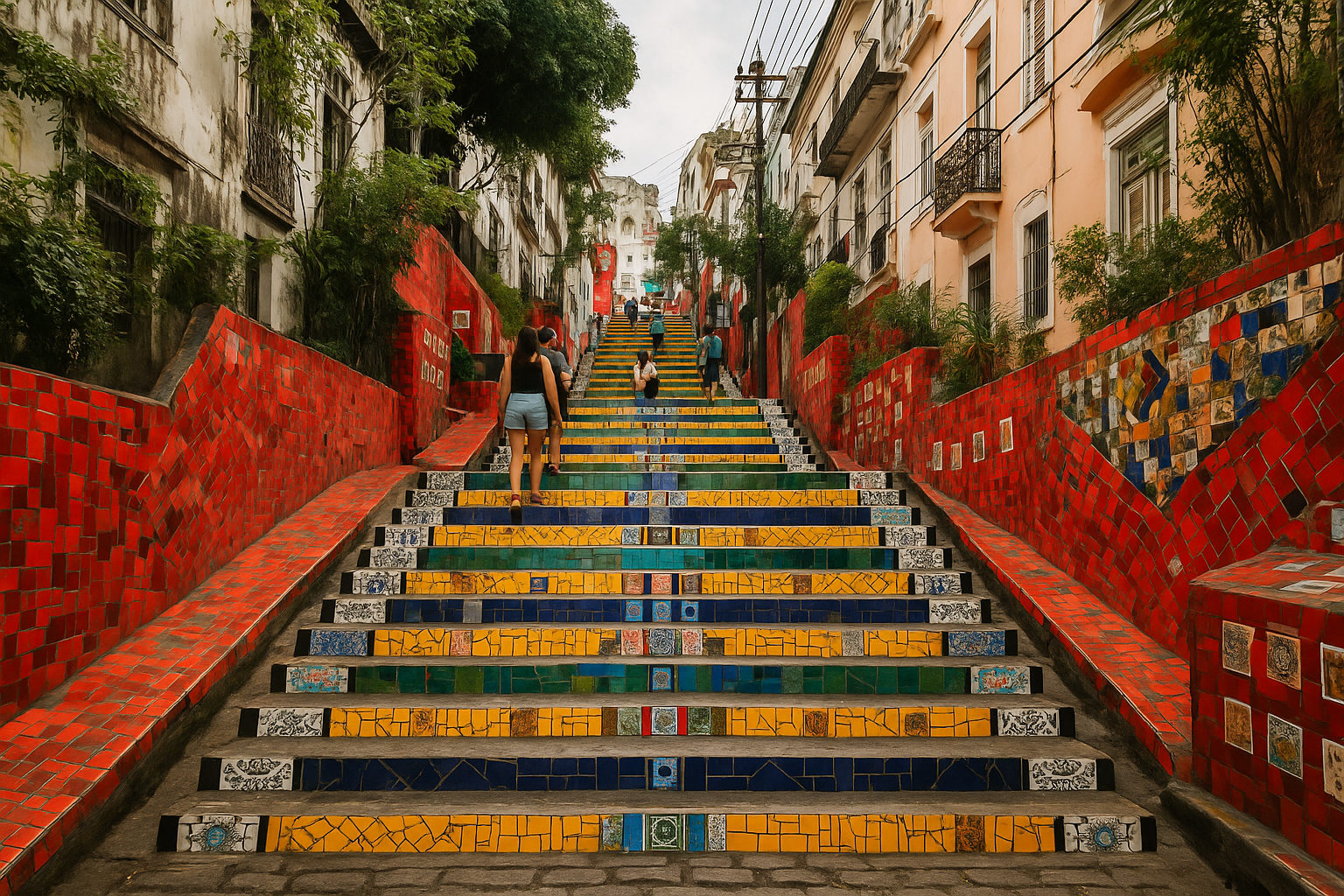
This part of the city rewards a slower pace and costs a lot less. The Selarón Steps, the mosaic-tiled staircase between Lapa and Santa Teresa, are free and open at any time — weekday mornings tend to have the smallest crowds.
From there, the Santa Teresa tram (bonde) connects the neighborhood to the city center, crossing the historic Arcos da Lapa aqueduct along the way. The boarding line typically runs from around 8 a.m. to 6:30 p.m. on weekdays and 9 a.m. to 5 p.m. on weekends, and a round trip costs around R$20. Because it’s a popular ride, the wait can stretch to an hour or more during busy periods, so getting there early on a weekday is worth the effort.
If you’re passing through the city center, the Museum of Tomorrow (Museu do Amanhã) is open Thursday to Tuesday, 10 a.m. to 6 p.m., with last entry an hour before closing — it’s closed on Wednesdays. Full admission is R$40, with a reduced R$20 rate available.
If You Have 5 Days: Slowing Down Without Adding Random Stops
With extra time, the better move is usually to slow down inside the two clusters above rather than bolt on attractions that haven’t been part of this plan. Floresta da Tijuca, the forest surrounding Christ the Redeemer, is a national park in its own right, with free entry — the statue itself is the only ticketed part of the area. It’s typically open from 8 a.m. to 5 p.m., extending to 6 p.m. in summer, and it gives you a reason to spend an extra half-day in the same general area as Day 1 instead of crossing the city again.
A fifth day is also a reasonable place to build in a longer, unhurried beach afternoon, or to revisit Santa Teresa’s streets and cafés at a pace the tram queue didn’t allow the first time.

Rio de Janeiro First-Timer Itinerary at a Glance
Here’s the same information in a format you can check quickly while planning, or on your phone once you’re actually there. Prices are approximate and can change, so confirm current numbers before you travel.
| Attraction | Region | Typical Hours | Approximate Price | Practical Tip |
|---|---|---|---|---|
| Christ the Redeemer | Corcovado, Zona Sul | Daily, ~8 a.m.-6 p.m. | ~R$90-R$135 (varies by season) | Book ahead; go early on a weekday |
| Sugarloaf Mountain | Urca | Mon-Thu 9 a.m.-5 p.m.; Fri-Sun 8:30 a.m.-5 p.m. | ~R$150-R$210 (foreign visitors, unofficial estimate) | Last boarding ~45 min before close |
| Copacabana & Ipanema beaches | Zona Sul | Open access | Free | Keep valuables out of sight |
| Selarón Steps | Between Lapa & Santa Teresa | Open access | Free | Go early on a weekday for fewer crowds |
| Santa Teresa Tram | Santa Teresa / Centro | Weekdays ~8 a.m.-6:30 p.m.; weekends 9 a.m.-5 p.m. | ~R$20 round trip | Line can take an hour or more at busy times |
| Museum of Tomorrow | Centro | Thu-Tue 10 a.m.-6 p.m. (closed Wed) | R$40 (R$20 reduced) | Last entry is one hour before closing |
| Floresta da Tijuca (Tijuca National Park) | Zona Norte/Sul | ~8 a.m.-5 p.m. (later in summer) | Free (Christ the Redeemer ticketed separately) | Good half-day add-on for a 5th day |
Getting Around and Staying Safe in Rio de Janeiro
Official travel guidance, including the U.S. State Department’s advisory for Brazil, currently places the country at “Level 2: exercise increased caution,” citing crime as the main concern. That’s the same general category most of Latin America falls into, not a unique red flag specific to Rio, and it’s a reasonable baseline for any international visitor, not just travelers from the country that issued it.
In the neighborhoods covered by this itinerary — Copacabana, Ipanema, Leblon, and Santa Teresa — travel guides consistently describe the day-to-day risk as petty theft and phone-snatching rather than violent crime, particularly in crowded areas. A few habits go a long way: use Uber, 99, or a licensed taxi instead of a random street cab, especially after dark, and avoid pulling out an expensive phone or camera in crowded spots. Favelas are a real part of the city, and the consistent recommendation across travel sources is to visit one only with an experienced, reputable guide rather than on your own.
None of this means treating Rio as either perfectly safe or unusually dangerous. It means applying the same city-smart habits you’d use in most major international destinations.
Frequently Asked Questions About Visiting Rio de Janeiro
How many days do you need in Rio de Janeiro?
Three days is enough to cover the Zona Sul/Urca cluster and a shorter version of the Lapa/Santa Teresa day. Five days lets you move through the same areas at a slower pace instead of rushing.
Do you need to book Christ the Redeemer and Sugarloaf Mountain tickets in advance?
Both operate with limited, timed access, so booking ahead is the safer option if you want a specific day or time slot.
Is Rio de Janeiro safe for tourists?
Official travel advisories recommend the same increased caution suggested for most of Latin America, and travel guides describe the main risk in tourist areas as petty theft rather than violent crime. Basic precautions, like using licensed transport and keeping valuables out of sight, apply throughout the trip.
What’s free to do in Rio de Janeiro?
The Selarón Steps, Floresta da Tijuca (aside from the Christ the Redeemer ticket), and Copacabana and Ipanema beaches don’t require an entrance fee.
What’s the best time of day to visit Christ the Redeemer?
Tuesday-to-Thursday mornings tend to have the smallest crowds, though cloud cover at the summit can affect the view regardless of when you go.
Putting Your Rio de Janeiro Itinerary Together
The classic Rio attractions earn their reputation — the research behind this itinerary didn’t turn up any evidence that Christ the Redeemer or Sugarloaf Mountain are overrated. What actually trips up first-time visitors is logistics: not booking ahead, not grouping days by region, and not knowing what’s free.
With 3 days, prioritize Christ the Redeemer, Sugarloaf Mountain, and the beaches, then use whatever’s left for Lapa and Santa Teresa. With 5, spread the same clusters out and add Floresta da Tijuca or a slower beach day. Either way, double-check prices and hours on the official sites shortly before you travel — they’re exactly the kind of details that change without much notice.