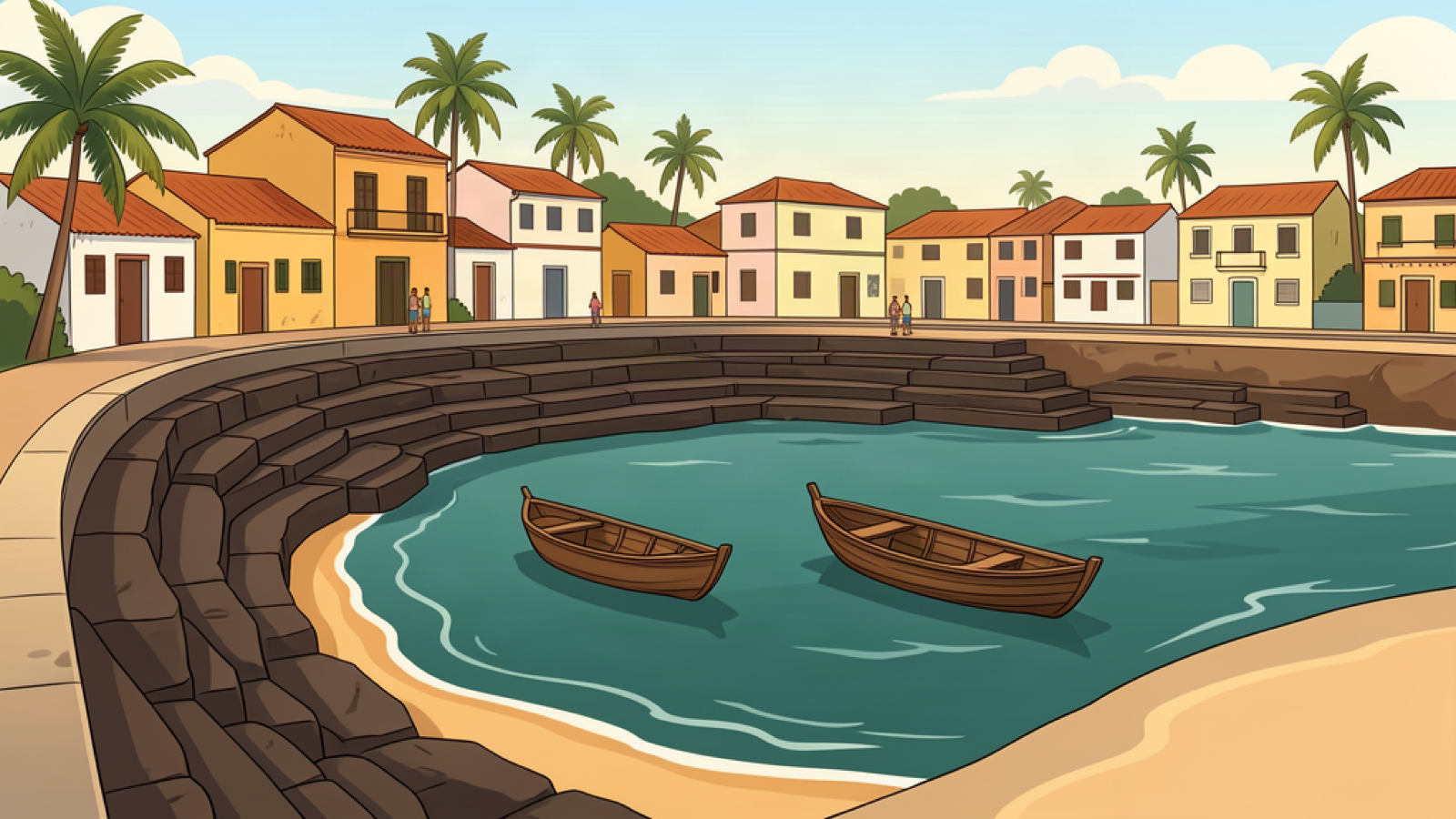
Rio Vermelho is worth a half day if you want to see a side of Salvador that feels different from both Pelourinho and Barra. The most practical route links five stops: Casa do Rio Vermelho, Largo da Mariquita, Casa de Iemanjá, Largo de Santana and Praia da Paciência.
The walking itself is roughly 2.1 km, but this is not a quick march. Allow about 3.5 to 4.5 hours for the museum, street crossings, photos, heat and an optional food stop. The route works best from late morning into early afternoon, when you can understand the neighborhood before its better-known nightlife begins.
Is Rio Vermelho worth visiting?
Yes—especially for travelers who want culture and coastal scenery in one compact outing. Rio Vermelho brings together the former home of two major Brazilian writers, a fishing community linked to Iemanjá, public art, the heritage of Bahia’s acarajé vendors and a small urban cove.
It is not a polished, self-contained attraction. It is a living neighborhood, so the appeal comes from moving between places and noticing how literature, faith, food and the sea overlap. If your Salvador itinerary already includes the historic center, this route adds a useful contrast without requiring a full day.
1. Start at Casa do Rio Vermelho
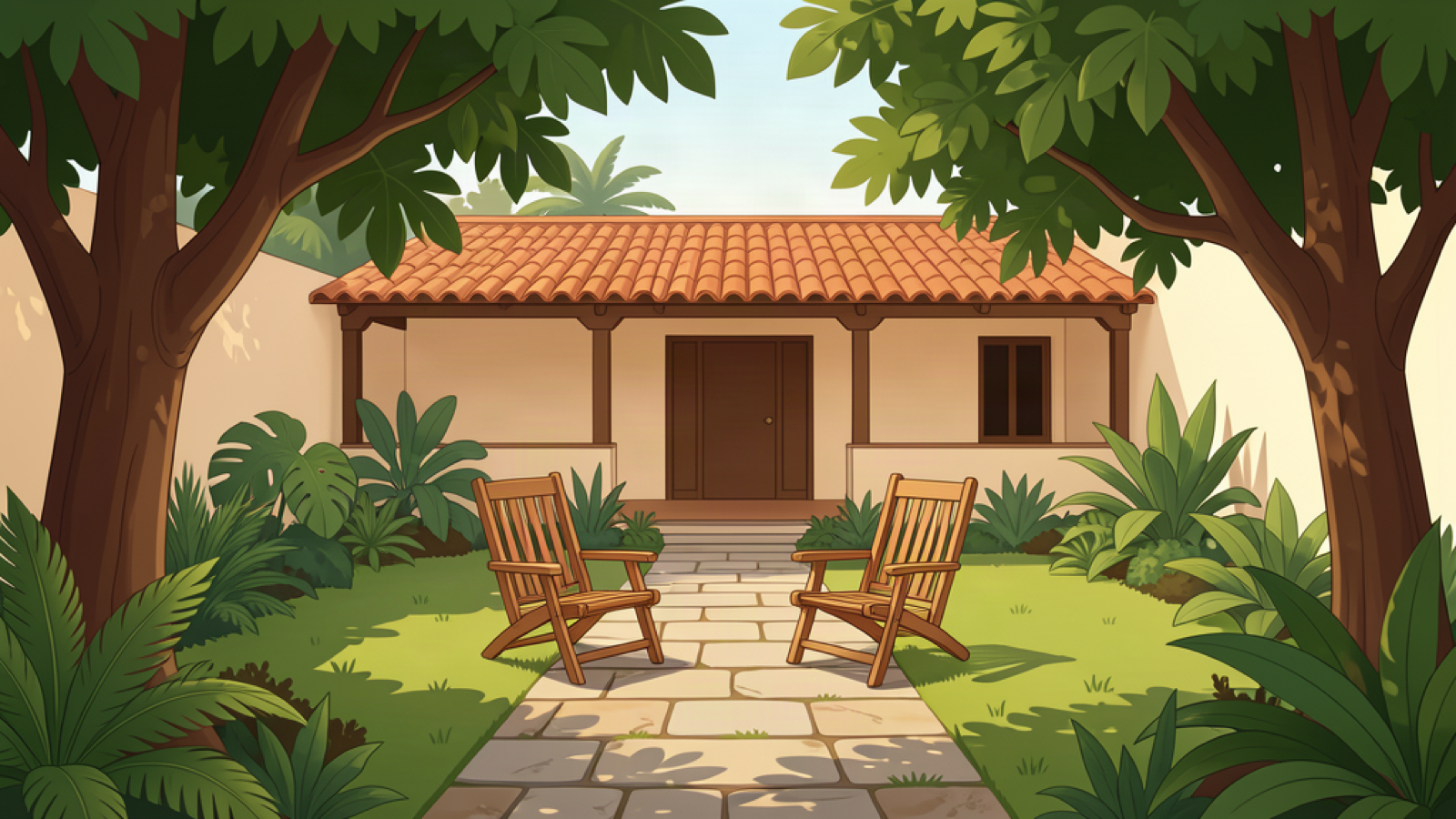
Begin at Casa do Rio Vermelho, the house where writers Jorge Amado and Zélia Gattai lived for about four decades. The memorial preserves original rooms, personal objects, documents, art, a library and the garden where their ashes rest. Its 22 themed spaces make it the one stop on this route that deserves real time rather than a quick photo.
Allow 75 to 90 minutes if you want the rest of the walk to remain comfortable. Even readers who do not know Amado’s books can use the house as an introduction to the cultural world that shaped much of his work.
Visitor details need a careful check. A Salvador SECULT notice published August 7, 2026 listed Tuesday to Sunday opening from 10 a.m. to 6 p.m., with last entry at 5 p.m.; admission was R$20 full and R$10 reduced, with free admission on Wednesday. Other official pages still show an older schedule, so confirm the current hours and ticket price shortly before you go.
2. Walk down to Largo da Mariquita
From the museum, walk downhill toward Largo da Mariquita. This stretch shifts the mood from a garden memorial to Rio Vermelho’s open waterfront, where fishing boats, public art and busy neighborhood streets meet.
Look for the golden Sereia Yemanjá sculpture by Tatti Moreno facing the sea. Opposite the square, Vila Caramuru occupies the redeveloped former fish-market area and now contains restaurants. You do not need to turn this into a meal stop; the square works mainly as the route’s first view of the relationship between the neighborhood and the water.
Use care at street crossings and do not plan the route around a specific food stall being open. Operating times in the area can change, and the most famous acarajé stops often make more sense later in the day.
3. Treat Casa de Iemanjá as an if-open stop
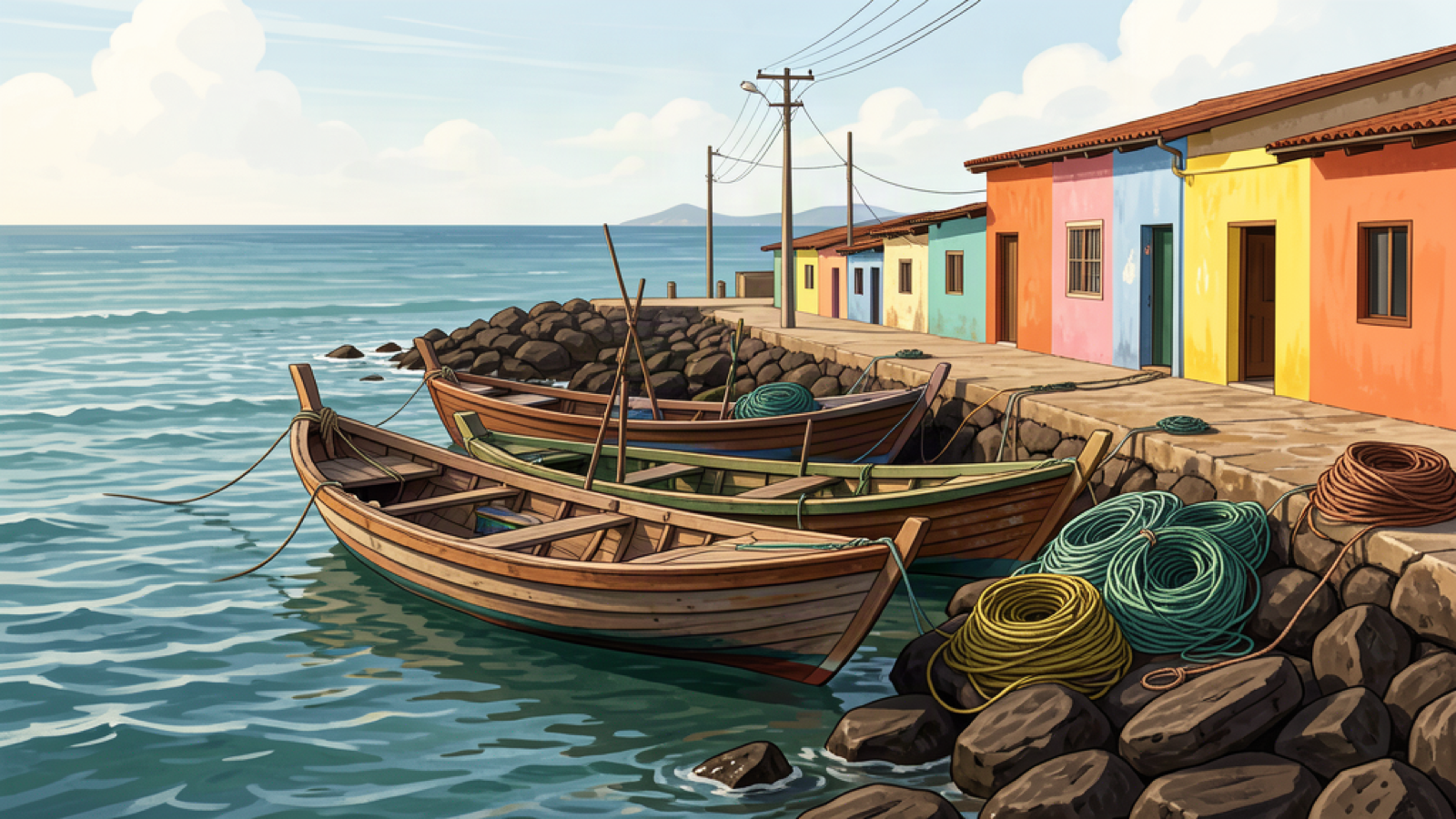
Continue along the waterfront to Casa de Iemanjá, beside the fishermen’s area and the Parish Church of Sant’Ana. The small building was once known as Casa do Peso and remains connected to the community that organizes Rio Vermelho’s February 2 offering to Iemanjá.
This is an active sacred and community space, not simply a decorated tourist room. Enter quietly if the door is open, follow any guidance from the people caring for it, and avoid treating prayer or offerings as a staged photo opportunity.
The official tourism material describes the house as generally accessible in the morning and early afternoon but does not publish a dependable current timetable. That makes it safer to treat the interior as a possible bonus rather than a guaranteed part of the walk. The exterior, fishing boats and nearby Odoyá sculpture still provide context if the house is closed.
4. Pause at Largo de Santana for acarajé culture
Make the short detour to Largo de Santana, also known locally as Largo da Dinha. Along with Largo da Mariquita, this square is closely associated with generations of baianas who prepare and sell acarajé and other foods from the traditional tabuleiro.
Acarajé here is more than a snack added to a sightseeing list. IPHAN has registered the Ofício das Baianas de Acarajé as Brazilian Intangible Cultural Heritage since 2005, recognizing knowledge tied to food made with dendê and to Afro-Brazilian religious traditions.
If a stall is operating, this is the natural place for a break. Ask about heat before adding pepper, and expect opening times to vary. If the stalls are closed during a morning visit, keep moving rather than waiting—the route still explains why food is central to Rio Vermelho’s identity.
5. Finish at Praia da Paciência
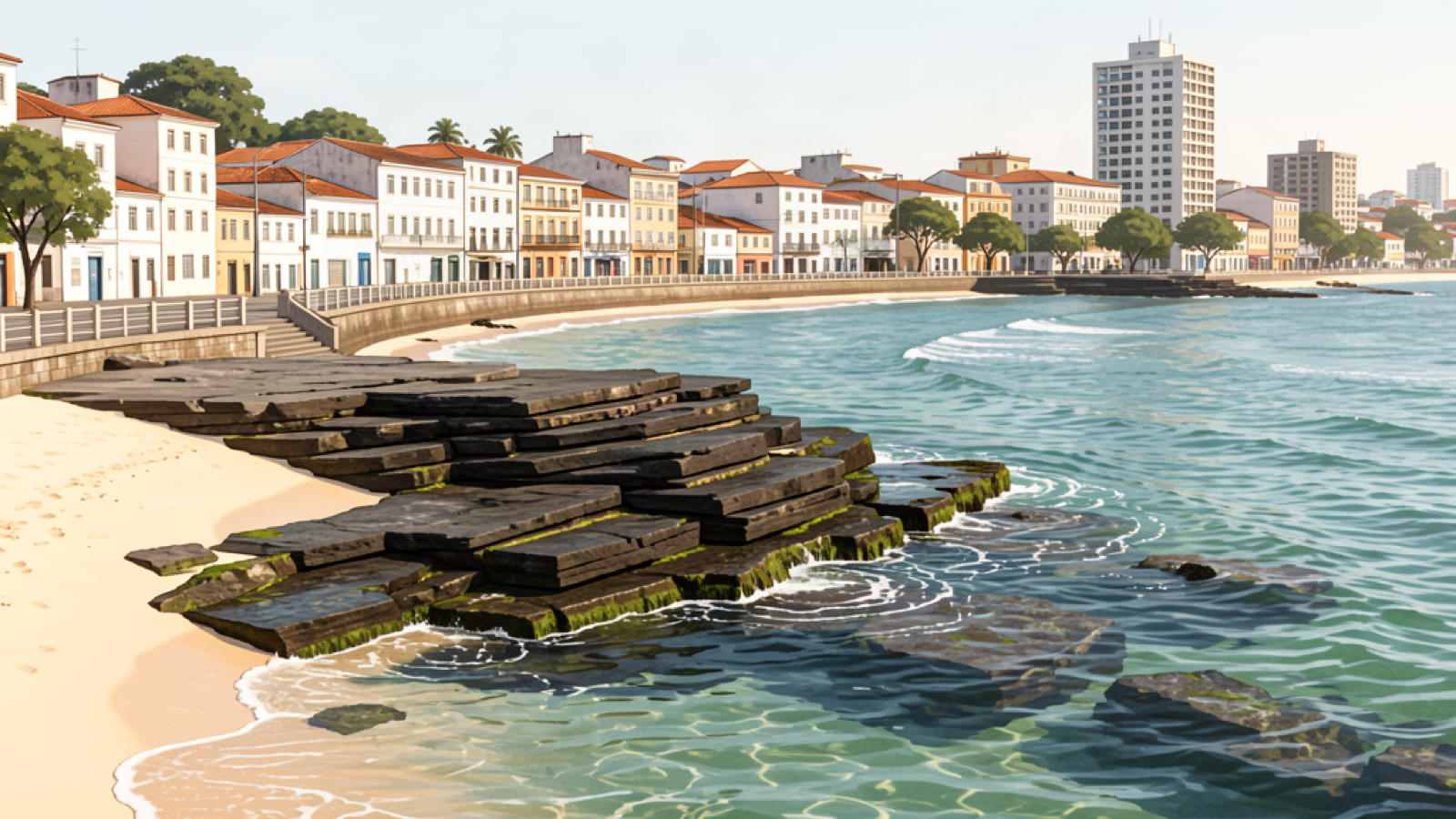
End at Praia da Paciência, a small cove set below street level with rocks around the sand and water. It works best as a scenic finish: you can look back along the coast, rest after the walk and decide whether the conditions suit a longer beach stop.
Do not assume that a photograph or an old description proves the water is calm or suitable for swimming. Tide, rain and weekly bathing-water results can change the picture. Check the newest INEMA beach-quality bulletin, avoid the water after heavy rain or near visible drains, and stay on the overlook if conditions or access do not feel comfortable.
Travelers who care more about a broader beach scene than a compact linear walk can consider Praia do Buracão as an alternative ending. It adds distance and may require some backtracking, so Paciência remains the easier finish for this five-stop plan.
A practical plan before you go
- Best starting point: Casa do Rio Vermelho, ideally near its opening time.
- Time needed: about 3.5 to 4.5 hours.
- Walking distance: roughly 2.1 km, excluding small detours.
- Best days: Tuesday to Sunday if you want to enter the museum. On Monday, use the route as an outdoor waterfront walk.
- What to recheck: museum hours and tickets, Casa de Iemanjá access, weather, tide and the latest INEMA bulletin.
- What to bring: water, sun protection and shoes comfortable enough for slopes, street crossings and uneven waterfront surfaces.
Rio Vermelho is not the place to rush from landmark to landmark. Its value lies in how closely different parts of Salvador’s story sit together. Start with literature, follow the neighborhood downhill to the sea, approach Casa de Iemanjá respectfully, pause for the acarajé tradition and finish with the coast in view.
Save the stop order, then check the linked official pages on the day of your visit. That small amount of preparation makes this half-day route much easier to enjoy without depending on outdated hours or perfect beach conditions.
Frequently asked questions
How long do you need in Rio Vermelho?
Allow about 3.5 to 4.5 hours for this route. The walking is roughly 2.1 km, but Casa do Rio Vermelho, heat, crossings and optional food stops add most of the time.
Is Rio Vermelho walkable?
The five stops can be connected on foot, but the route includes slopes, road crossings and a beach set below street level. It should not be described as fully step-free without a current accessibility check.
Can you visit Casa de Iemanjá?
You can enter when the community space is open, but no dependable current official timetable was found. Treat the interior as a possible stop, behave respectfully and continue the waterfront route if it is closed.
Can you swim at Praia da Paciência?
Swimming depends on current tide, weather and water-quality conditions. Check the latest INEMA bulletin and use the cove as a scenic finish if conditions are uncertain.