Most first-time visitors to Salvador see the city from two spots: the top of the Elevador Lacerda and the cobblestone streets of the Pelourinho. Both are worth it. But a short ride away, Salvador has other places to watch the Bay of All Saints turn gold at sunset, or to stand in front of a church that has been there since the 1500s, without sharing the view with a tour group. None of these places are secret — locals go to them all the time — they just rarely make it into a first-time itinerary. Here are five that do.
Ponta de Humaitá: where Salvador’s sunset falls into the sea
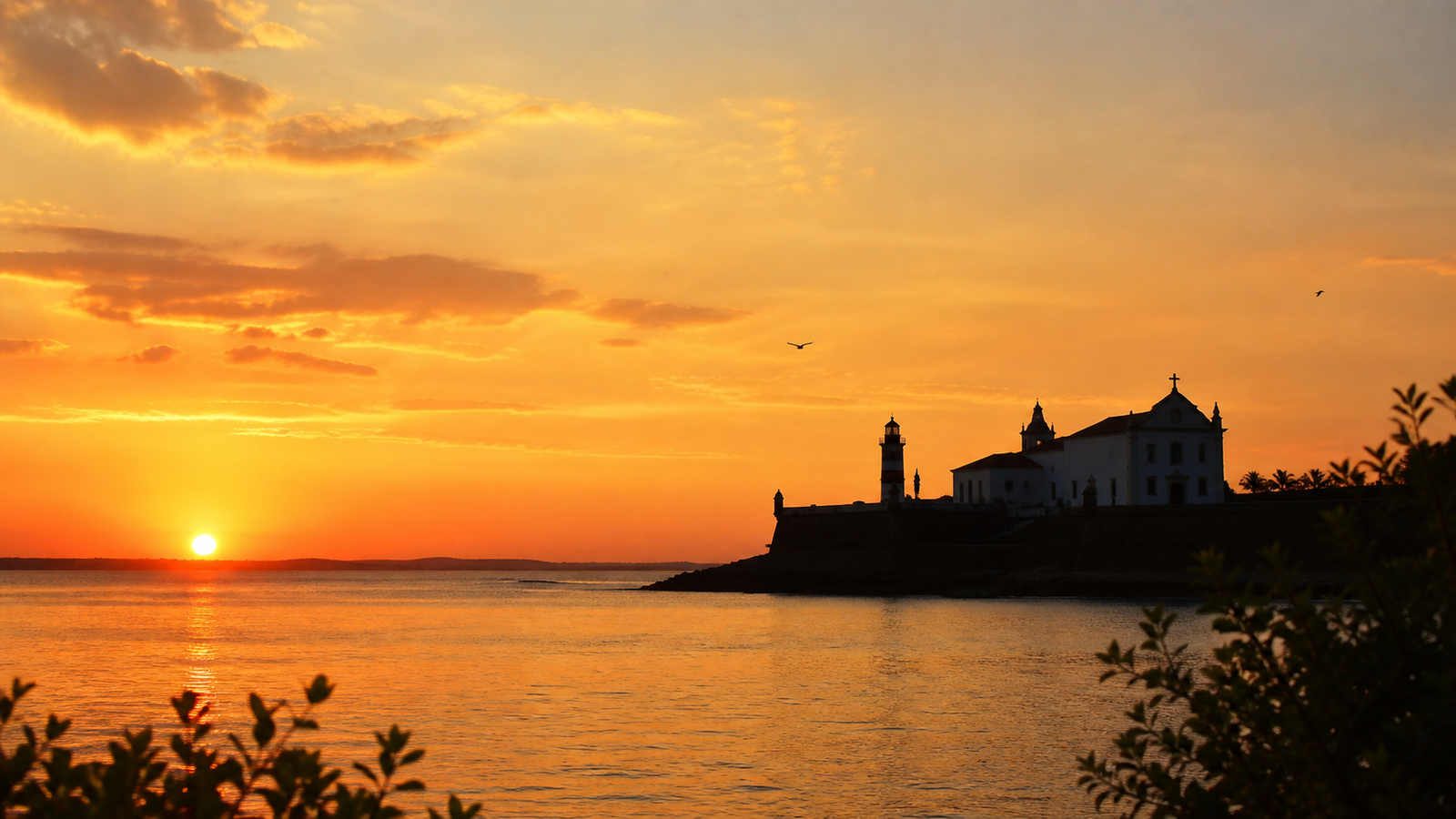
Most of Salvador’s coastline faces east, so watching a bay sunset usually means looking at the water without the sun actually setting into it. Ponta de Humaitá is different. This point on the Itapagipe Peninsula faces west, which makes it one of the few spots in Brazil where the sun sets directly over the ocean horizon.
The point is anchored by the Church and Monastery of Monte Serrat, a structure dating back to the 16th century, along with its lighthouse. Standing at the tip of the peninsula, you get an open view across the Bay of All Saints, with the city’s skyline curving away on one side. It’s a short trip from Colina do Bonfim, which most visitors already have on their list, so it pairs naturally with a Bonfim church visit earlier in the day.
Igreja Nossa Senhora da Escada: a 16th-century church almost no tourist visits
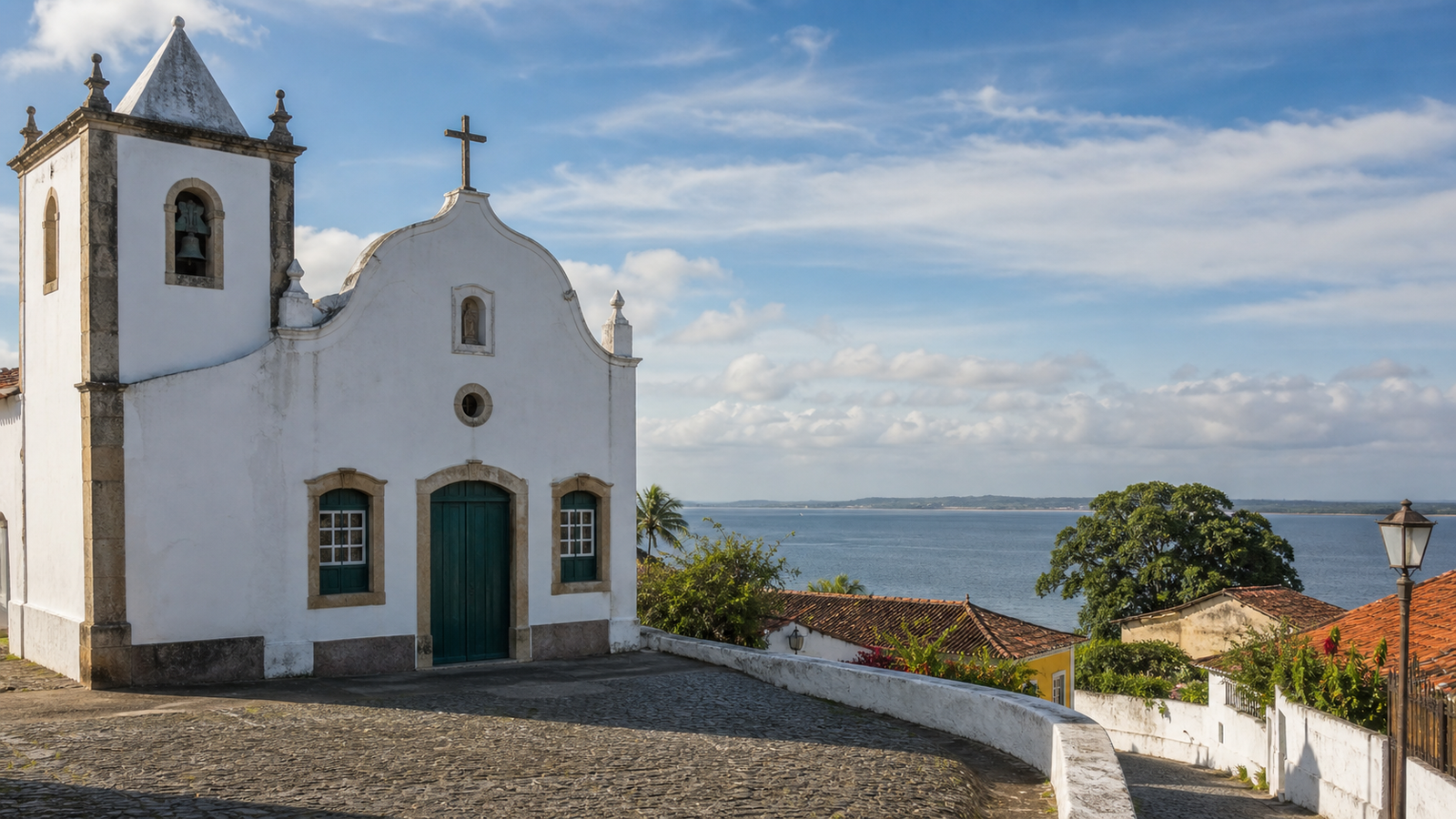
If the Pelourinho makes Salvador feel like an open-air museum, the Escada neighborhood is the room nobody walks into. The Igreja Nossa Senhora da Escada dates back to around the mid-1500s, making it — together with the church at Monte Serrat — one of only two 16th-century religious buildings still standing in Salvador.
The building was listed as a national heritage site by Brazil’s historic preservation institute, IPHAN, in 1962, and its facade was restored a few years later. It sits in the Escada neighborhood, with the Bay of All Saints spread out behind it. There’s no confirmed public schedule for visiting the interior, so treat this as a stop to see the facade and setting, and check locally if you want to try to see inside.
Mirante dos Aflitos: the panoramic view without the crowds
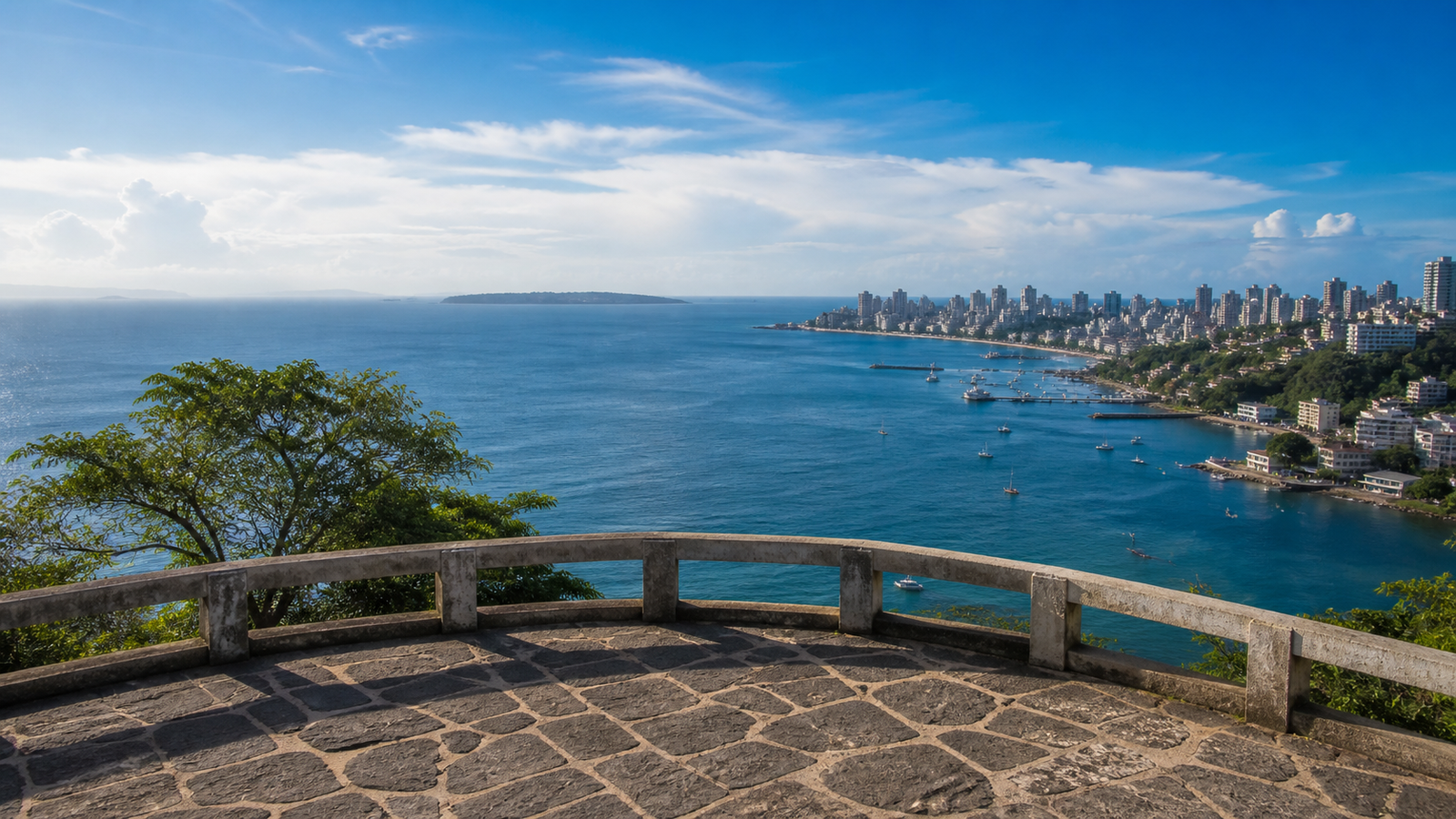
For a wide, unobstructed view of the bay that doesn’t require timing a sunset or crossing town, Mirante dos Aflitos in the Campo Grande neighborhood is the most practical option on this list. It was renovated in 2000, and from the overlook you can pick out Itaparica Island, the port of Salvador, the Solar do Unhão museum complex, and the Forte de São Marcelo sitting out in the water.
Because it’s centrally located, this is the easiest spot on this list to combine with a standard Pelourinho and Elevador Lacerda day — it works as an add-on rather than a separate trip.
MUSAS: street art with a bay-front view
Not everything worth seeing in Salvador is centuries old. The Museu de Street Art Salvador, known as MUSAS, sits on Avenida do Contorno with the Bay of All Saints as a backdrop. It’s a community space built around graffiti, murals, and visual culture, and it gives the bay-view theme of this list a more contemporary counterpoint to the churches and colonial forts. Opening hours and programming can change, so it’s worth checking current status before making a special trip.
The Ribeira waterfront: a string of viewpoints and a historic ice cream stop
Rather than one single point, Ribeira is a whole stretch of coastline worth walking. Following Avenida Beira Mar through the Largo da Ribeira and around the Enseada dos Tainheiros gives you a sequence of viewpoints over the bay, with Itaparica Island visible across the water most of the way. The neighborhood’s traditional ice cream shop, Sorveteria da Ribeira, has long been a local stop along this same stretch.
If you have extra time, some locals also point to Mirante Wildberger, between the Graça and Corredor da Vitória neighborhoods, as another bay view near the historic English Cemetery — though this one is less documented than the other spots on this list, so treat it as a bonus stop rather than a must-see.
Getting there safely
None of these places are on the main tourist strip, which is exactly what makes them worth visiting — but it also means the usual big-city travel precautions matter more here than they do in the Pelourinho. A few practical points:
- Visit during daylight hours, especially Ponta de Humaitá, Igreja Nossa Senhora da Escada, and Mirante Wildberger.
- Use app-based ride-hailing or a taxi to get to and from each spot rather than walking long stretches, particularly around the Escada neighborhood.
- Keep valuables out of sight and avoid bringing more cash or gear than you need for the visit.
- If you’re unsure about a specific area on the day you’re visiting, ask at your accommodation — conditions in any city neighborhood can change, and local, current advice beats any general guideline.
Frequently asked questions
Is it safe for tourists to visit these viewpoints alone?
There’s no official safety rating for these specific spots, so the safest approach is practical: visit during the day, arrive by app-based transport rather than walking long distances, and check current local conditions before heading to less central areas like Escada.
Can I visit the inside of Igreja Nossa Senhora da Escada?
There’s no confirmed public visiting schedule for the interior. Plan to see the exterior and its bay-front setting, and ask locally about mass times or occasional openings if you want to try to go inside.
Which of these is easiest to combine with a Pelourinho visit?
Mirante dos Aflitos, in Campo Grande, is the most central and the simplest to add to a standard Pelourinho and Elevador Lacerda day.
What’s the best time of day to visit Ponta de Humaitá?
Late afternoon into sunset, since the point faces west over the bay — that orientation is what makes the sunset there different from most of Salvador’s coastline.
Do I need a car to reach these spots?
No. App-based ride-hailing or taxis reach all five easily from the historic center. Trying to walk between all of them in a single day isn’t realistic, given the distances involved.
Which one to prioritize if you’re short on time
If you only have time for one or two extra stops, Mirante dos Aflitos is the easiest add-on to an existing Pelourinho day, and Ponta de Humaitá is worth planning around if you want to catch it at sunset. Igreja Nossa Senhora da Escada rewards travelers who care about the historical detail — knowing you’re looking at one of only two 16th-century churches left in the city changes how you see it. For a fuller first-time itinerary, it’s worth pairing this list with a general Salvador attractions guide to make sure the essentials are covered too.