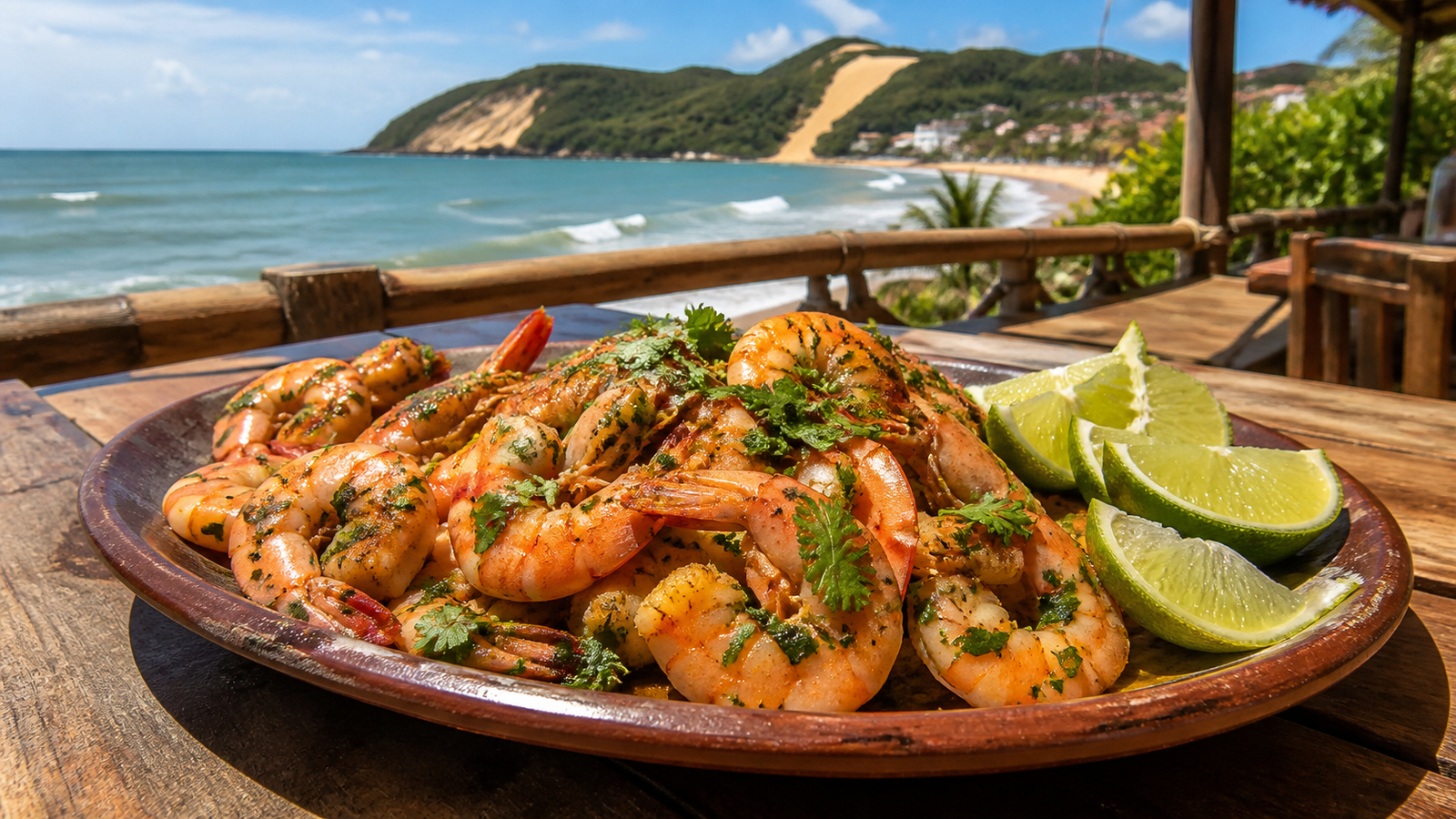
Natal is widely celebrated as the shrimp capital of Brazil and the culinary heartland of sun-dried beef (carne de sol), offering some of South America’s most incredible gastronomic value. Whether you are savoring hot, crispy Ginga com Tapioca for R$ 20 at a historic seaside market or sharing a monumental shrimp platter at the legendary Camarões Potiguar, dining well in Natal is remarkably accessible on any budget.
Because the state of Rio Grande do Norte is Brazil’s leading producer of farm-raised shrimp, fresh seafood here is extraordinarily abundant, high quality, and affordable. Combined with generous Brazilian portion sizes designed for two people to share, international travelers can easily enjoy memorable regional meals without overspending.
The Soul of Natal Dining: Ocean Bounty Meets Sertão Heritage
Potiguar cuisine—named after the indigenous Tupi word potiguar, meaning “shrimp eater”—is defined by a harmonious blend of coastal seafood and inland Sertão farming traditions. While the Atlantic coastline provides fresh shrimp, red snapper, and crab, the arid interior contributes hearty comfort staples like sun-cured beef, cassava root (macaxeira), green cowpeas (feijão verde), and rich molten cheese porridge (pirão de queijo).
Unlike some international perception, Northeastern Brazilian food in Natal is not overwhelmingly spicy. Instead, dishes are deeply aromatic, seasoned with fresh garlic, onions, sweet peppers, fresh coriander, and coconut milk, with fiery malagueta pepper sauces always served on the side for diners to add to their personal taste.
4 Essential Potiguar Dishes You Must Try
Before stepping into any restaurant in Natal, keep an eye out for these four signature regional specialties that capture the authentic identity of Rio Grande do Norte:
- Potiguar Shrimp (Camarão Potiguar): Prepared in dozens of creative styles across the city, from creamy cassava puree stews (bobó de camarão) and garlic-infused olive oil platters to sun-dried variations and oven-gratinated casseroles with Catupiry cheese.
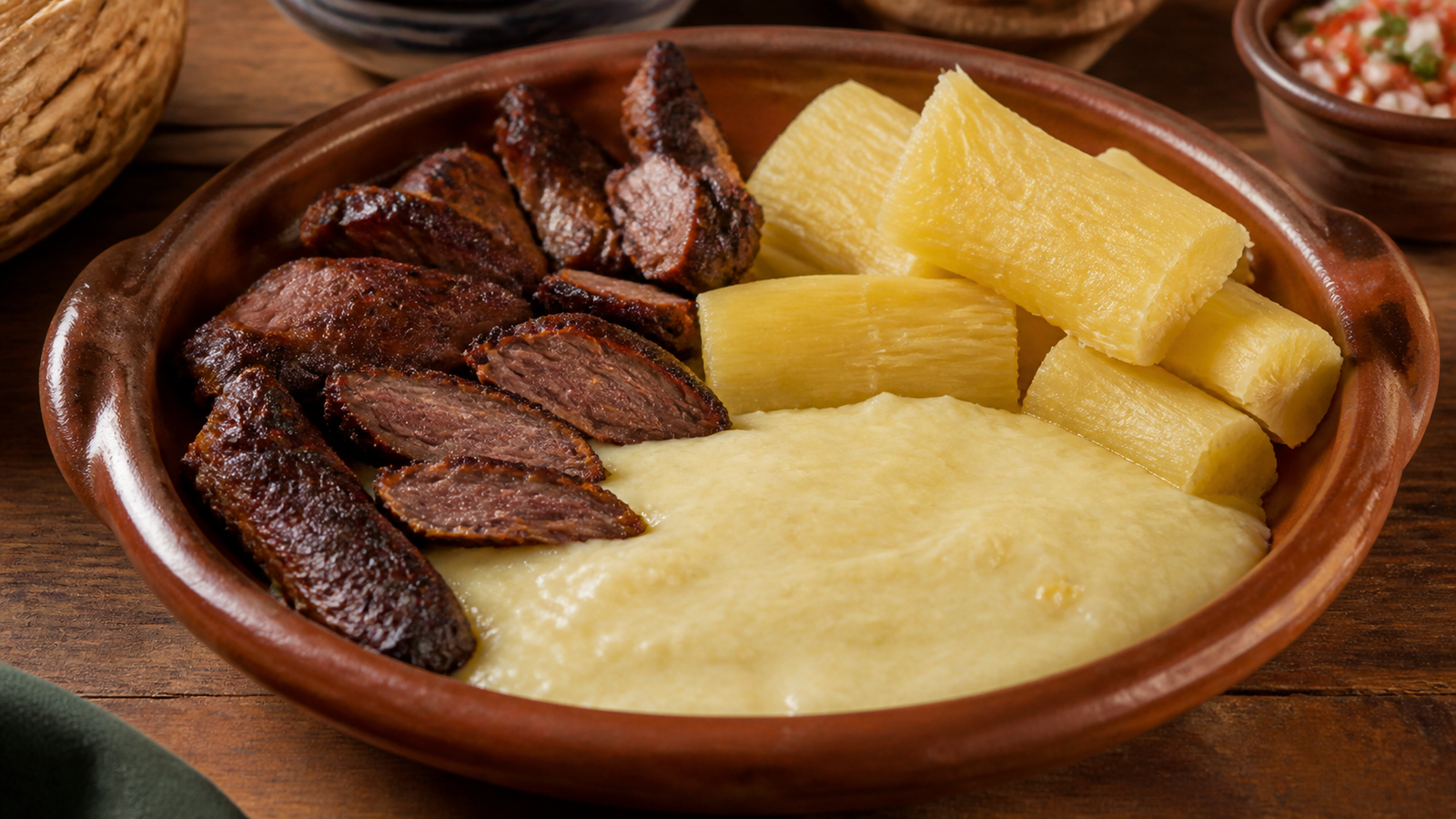
- Carne de Sol with Pirão de Queijo: Lightly salted, tender sun-cured beef grilled over charcoal and smothered in rich, molten coalho cheese porridge, served alongside buttery cassava, feijão verde, and savory manioc flour crumble (paçoca de pilão).
- Ginga com Tapioca: Small, whole needle-fish (ginga) skewered and deep-fried in fragrant red palm oil (azeite de dendê), then folded inside a hot, fresh tapioca crepe. Born at the Mercado da Redinha, this dish is officially recognized as Intangible Cultural Heritage of Rio Grande do Norte.
- Peixada Potiguar: A comforting traditional fish stew made with fresh coastal catch simmered gently in coconut milk, bell peppers, tomatoes, boiled eggs, and pirão made from seasoned fish broth.
Where to Eat in Natal by Budget: From Street Stalls to Iconic Seafood
To help you plan your daily meals, here is how Natal’s best dining spots break down across three practical price tiers:
1. Budget Eats: R$ 15 to R$ 35 per person
For an authentic cultural experience, take a morning trip across the Newton Navarro bridge to the Mercado Público da Redinha. Here, seaside food stalls serve piping-hot Ginga com Tapioca made to order for approximately R$ 15 to R$ 25.
In Ponta Negra, Casa de Taipa (Av. Praia de Ponta Negra, 6878) is an artisan tapiocaria offering over 40 sweet and savory fillings—such as sun-dried beef with coalho cheese or shrimp with cream cheese—ranging from R$ 20 to R$ 35 in a charming, sand-floored rustic garden.
2. Mid-Range & Regional Buffets: R$ 50 to R$ 90 per person
For an unbeatable introduction to Northeastern cooking, head to Mangai (Rua Des. João Vicente da Costa, 8861, Ponta Negra). Operating as a massive, high-end pay-by-weight buffet (self-service por quilo), Mangai presents more than 150 hot regional dishes, allowing you to sample small portions of everything from baião de dois to creamed cassava and regional desserts.
Another excellent mid-range choice is the weekday lunch buffet at Tábua de Carne in Ponta Negra, where you can enjoy extensive regional grilled meats and traditional sides in a relaxed, family-friendly setting.
3. Iconic Seafood & Upscale Dinners: R$ 90 to R$ 160 per person
No trip to Natal is complete without dinner at Camarões Restaurante, specifically the flagship Camarões Potiguar on Rua Pedro Fonseca Filho in Ponta Negra. Celebrated since 1989, this culinary institution offers more than 30 mouthwatering shrimp recipes. While full main platters cost between R$ 140 and R$ 220, they are generously sized to feed two to three adults comfortably, bringing the actual per-person cost down to roughly R$ 80 to R$ 110.
For upscale seafood dining with sleek modern architecture, NAU Frutos do Mar (near Cidade Jardim) also serves exceptional sharing platters of grilled lobster, fish fillets, and shrimp casseroles in an elegant atmosphere.
Potiguar Food Decoder: Signature Dishes at a Glance
| Dish Name | Key Ingredients & Flavor | Typical Price Range | Best Spot in Natal |
|---|---|---|---|
| Camarão Potiguar | Fresh local shrimp in cream, garlic, or coconut sauce | R$ 140–200 (serves 2) | Camarões Potiguar (Ponta Negra) |
| Carne de Sol com Pirão | Sun-cured grilled beef with melted curd cheese porridge | R$ 110–160 (serves 2) | Tábua de Carne (Via Costeira) |
| Ginga com Tapioca | Crispy whole fish fried in dendê inside fresh tapioca | R$ 15–25 (individual) | Mercado Público da Redinha |
| Regional Self-Service | Over 150 traditional Northeastern dishes by weight | R$ 70–95 per kg | Mangai (Ponta Negra) |
Neighborhood Dining Guide: Where to Go in Ponta Negra, Petrópolis, and Beyond
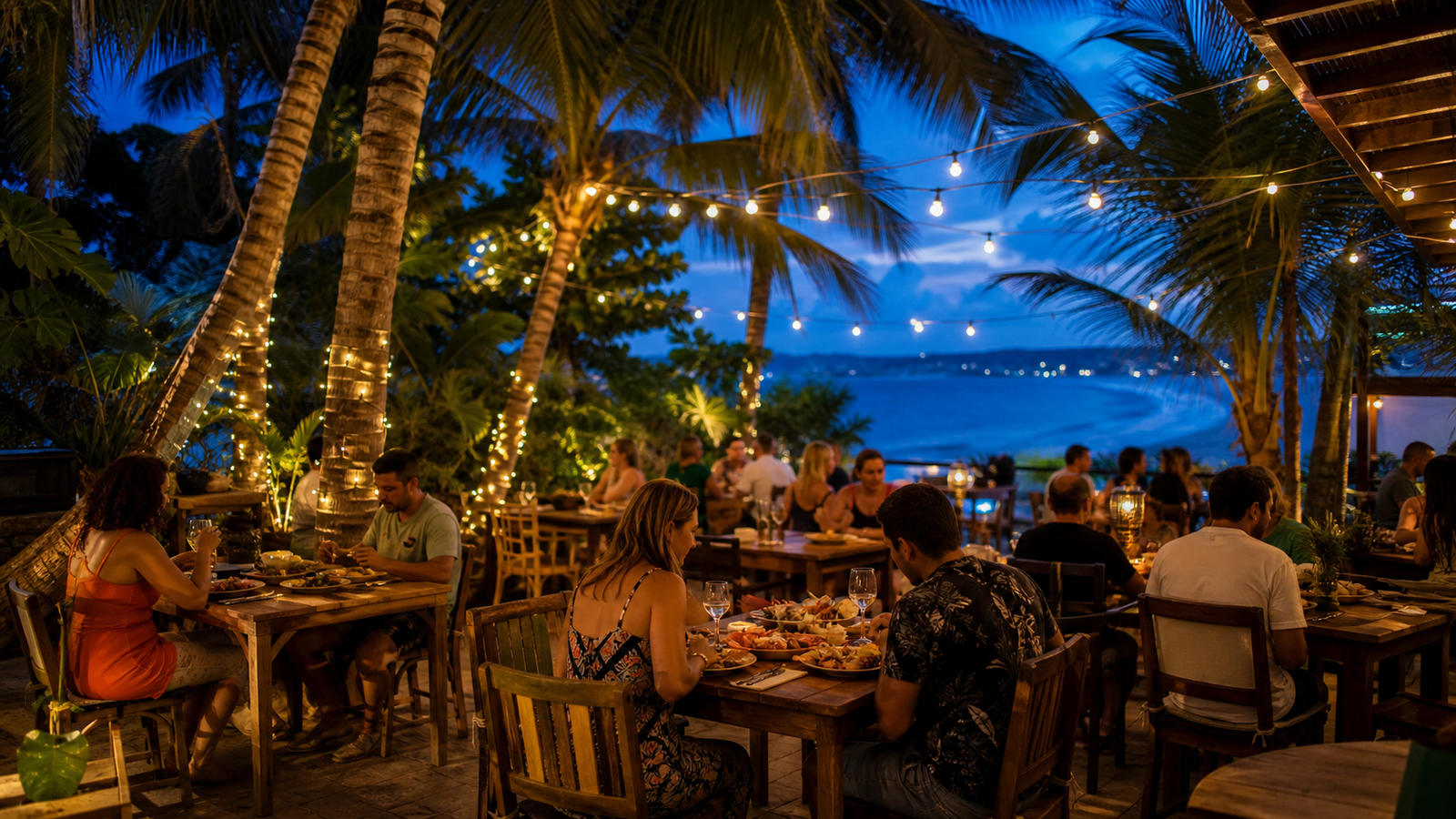
Knowing where Natal’s dining clusters are located makes planning your evenings effortless and safe:
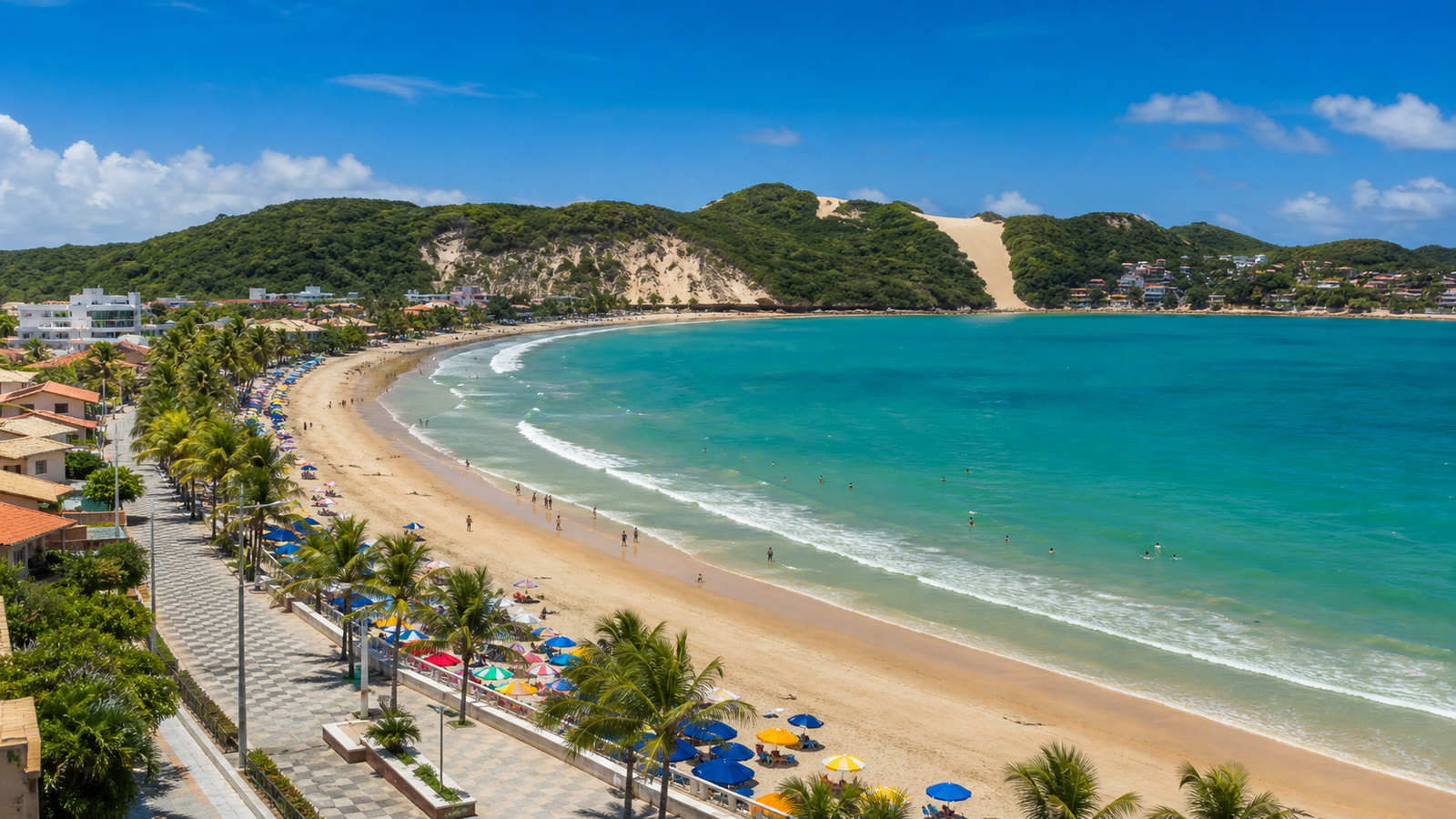
- Ponta Negra: The undisputed tourist dining capital. Concentrated along Rua Pedro Fonseca Filho and Avenida Engenheiro Roberto Freire, you will find Camarões Potiguar, Mangai, Casa de Taipa, and dozens of cozy bars. It is walkable, bustling, and lively every evening.
- Via Costeira: The scenic coastal highway connecting urban beaches to Ponta Negra. Anchored by Tábua de Carne Via Costeira, this area offers oceanfront dining with panoramic Atlantic views.
- Petrópolis & Tirol: Natal’s historic upscale residential neighborhoods. Popular with local residents for chic contemporary bistros, artisan bakeries, and international wine bars away from the main tourist strip.
- Praia da Redinha: Located in the North Zone across the dramatic Newton Navarro bridge, this working-class beach area is best visited during daytime for fresh fried seafood and cultural heritage market stalls.
Practical Tips for Dining Out in Natal: Portions, Tipping, and Timing
To enjoy smooth, hassle-free dining experiences throughout your stay in Natal, keep these essential local customs in mind:
- Understanding Portion Sizes: Traditional restaurant menus in Brazil are predominantly designed for sharing (para 2 pessoas). If you are traveling solo, look for lunch executive menus (menu executivo) on weekdays or ask your server if half portions (meia porção) are available.
- The 10% Service Charge: Brazilian restaurants automatically add a standard 10% service fee (taxa de serviço) to the bottom of the itemized bill. While optional by federal law, it is universally customary to pay it. Additional cash tips are not expected, though rounding up for exceptional service is appreciated.
- Payment Methods: Major international credit cards (Visa and Mastercard) as well as contactless mobile payments are accepted virtually everywhere, including beachfront kiosks. Carrying R$ 50 to R$ 100 in cash is only necessary for informal beach carts or small Redinha market vendors.
- Drinking Water: Tap water in Brazil is not served at tables; always order bottled mineral water, specifying whether you prefer still (água sem gás) or sparkling (água com gás).
- Beating the Lines: Famous spots like Camarões Potiguar do not take reservations for the majority of their tables during peak weekend dinner hours. Arriving by 6:45 PM or after 9:30 PM ensures you get seated immediately without waiting in long entrance queues.
Frequently Asked Questions About Dining in Natal
What is the most famous restaurant in Natal?
Camarões Restaurante—particularly its flagship Camarões Potiguar branch in Ponta Negra—is the city’s most renowned restaurant, famous since 1989 for extensive shrimp dishes served in generous platters designed for two people.
How much should I budget for food per day in Natal?
A comfortable daily dining budget is R$ 70 to R$ 120 per person for casual eateries and regional buffets, or R$ 150 to R$ 250 per person when dining at celebrated seafood and meat houses with drinks.
What is Ginga com Tapioca?
Ginga com Tapioca is Natal’s signature street food: small seasoned fish deep-fried in red palm oil (dendê) and served inside a freshly made folded tapioca crepe, officially protected as state cultural heritage.
Is tipping required in Natal restaurants?
A 10% service fee is automatically included on restaurant bills across Brazil. Extra tipping is entirely optional, though rounding up the total for attentive waitstaff is a welcome gesture.
Can I pay with credit cards at restaurants in Natal?
Yes, credit cards (Visa and Mastercard) and contactless payments are accepted almost everywhere in Natal, from fine dining establishments to beach kiosks and casual cafes.