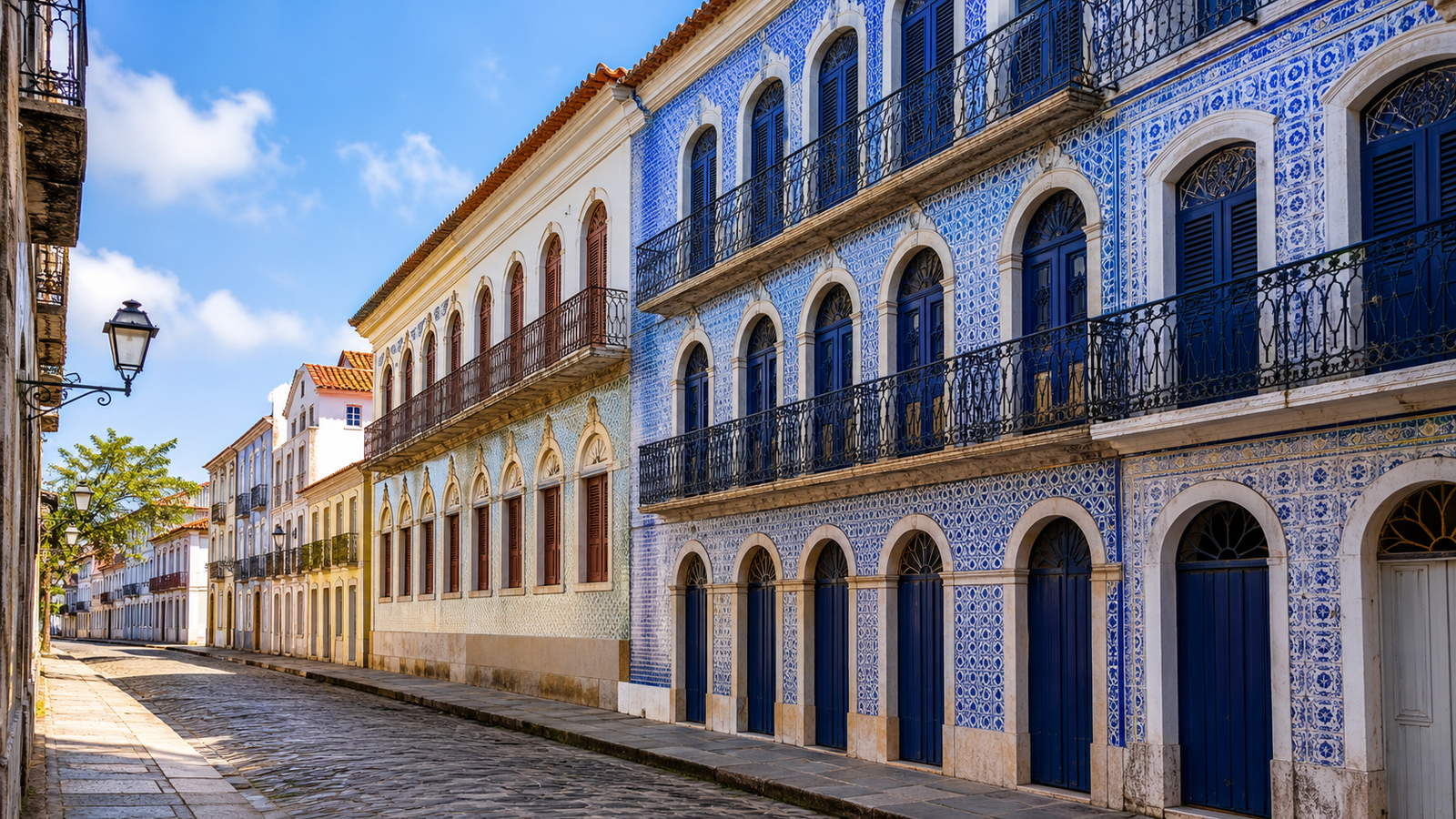
São Luís is South America’s tile capital, home to over 3,000 colonial buildings clad in shimmering Portuguese ceramic azulejos. While countless international travelers treat the capital of Maranhão as merely a quick airport layover on their way to the world-famous sand dunes of Lençóis Maranhenses, doing so means missing one of Brazil’s most architecturally unique and culturally vibrant destinations. With its UNESCO World Heritage historic core, intoxicating Afro-Brazilian reggae culture, and one-of-a-kind regional cuisine, São Luís easily justifies a dedicated 24 to 48-hour stop.
Whether you have a single full day between flights or a relaxed 48 hours before catching a transfer to Barreirinhas, this daylight-conscious guide lays out a turn-by-turn route connecting the city’s essential colonial landmarks, bustling market stalls, and oceanfront sunset viewpoints.
Why São Luís Deserves a Spot on Your Maranhão Itinerary
Recognized by UNESCO as a World Heritage Site in 1997, São Luís boasts an architectural heritage unlike any other colonial city in the Americas. Founded by French explorers in 1612, briefly captured by the Dutch, and developed extensively under Portuguese rule, the island city reflects a layered colonial history preserved across massive urban blocks.
The hallmark of São Luís is its extraordinary exterior tilework. Starting in the 18th century, Portuguese settlers covered entire two- and three-story townhouse facades in ceramic tiles (azulejos) imported from Lisbon, Porto, and France. Beyond their striking aesthetic beauty, these glazed tiles served an essential practical purpose: insulating interior living quarters from intense equatorial heat and shielding soft clay mortar from torrential tropical rains. Today, wandering these cobblestone avenues offers a rare glimpse into colonial Brazil that feels completely distinct from Salvador or Ouro Preto.
Day 1 Morning: Walking Through the Tile Capital (Praça Pedro II & Rua Portugal)
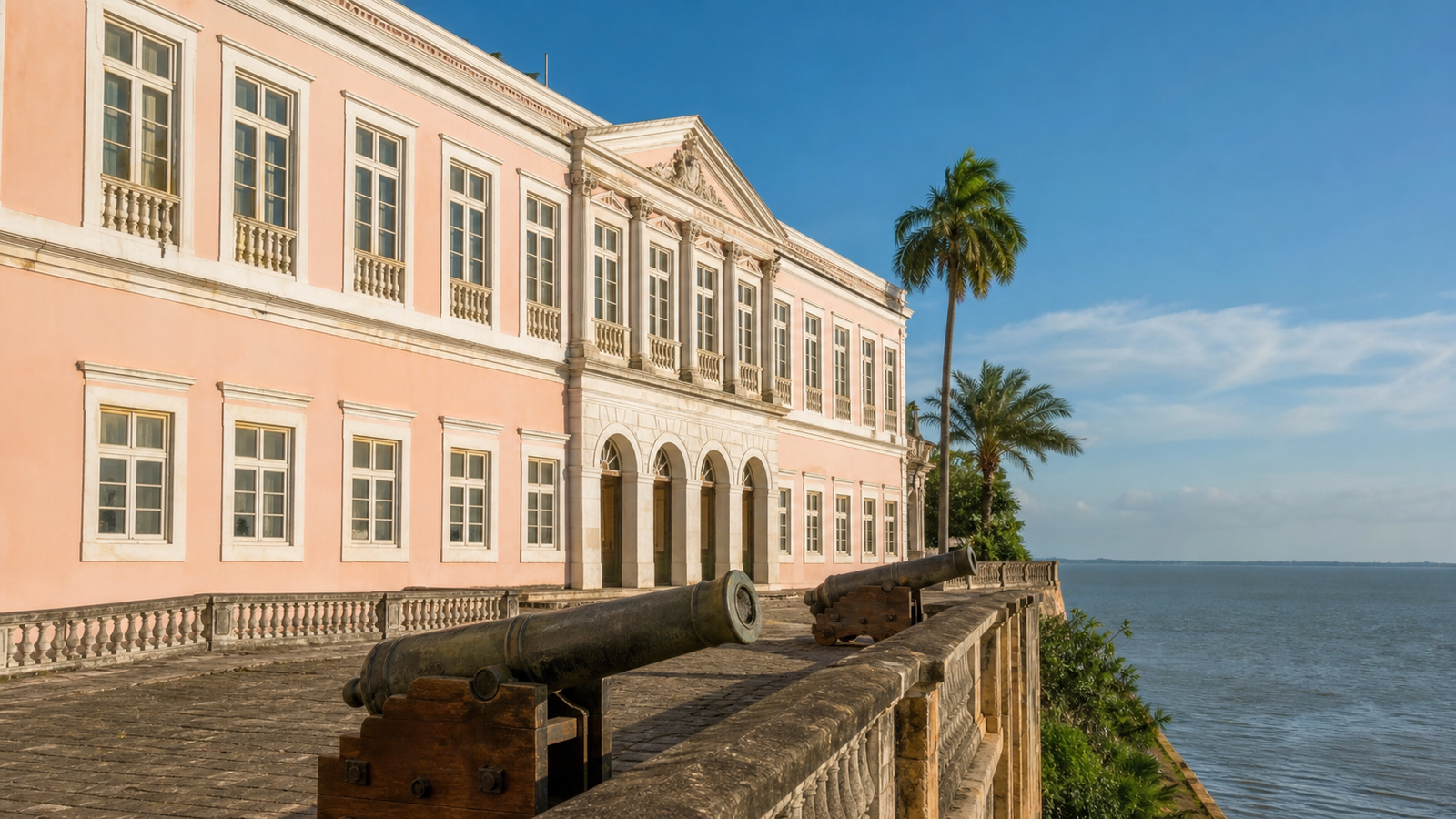
Begin your morning by 9:00 AM at Praça Pedro II, the elevated administrative heart of the city that overlooks the wide expanse of the Baía de São Marcos. Here, you will find the neoclassical Palácio dos Leões (the state government headquarters) alongside the 17th-century Catedral da Sé. While the interior salons of the Palácio dos Leões are undergoing structural preservation works in 2026, the exterior esplanade, historic bronze cannons, and sweeping coastal viewpoint remain fully open to visitors and provide some of the best panoramic photos in town.
From Praça Pedro II, walk down the historic stone staircase toward Rua Portugal in the Praia Grande district (locally known as Reviver). Rua Portugal represents the visual pinnacle of colonial São Luís. Both sides of the street are lined with tall 18th-century commercial mansions completely sheathed in blue, yellow, and patterned ceramic tiles, complete with wrought-iron balconies and towering wooden shutters. Take time to explore atmospheric cross-alleys like Beco da Prensa and Beco do Quebra-Bunda, where morning sunlight highlights the intricate glaze of centuries-old azulejos.
Midday: Sensory Overload at Casa das Tulhas & Local Food Tastings
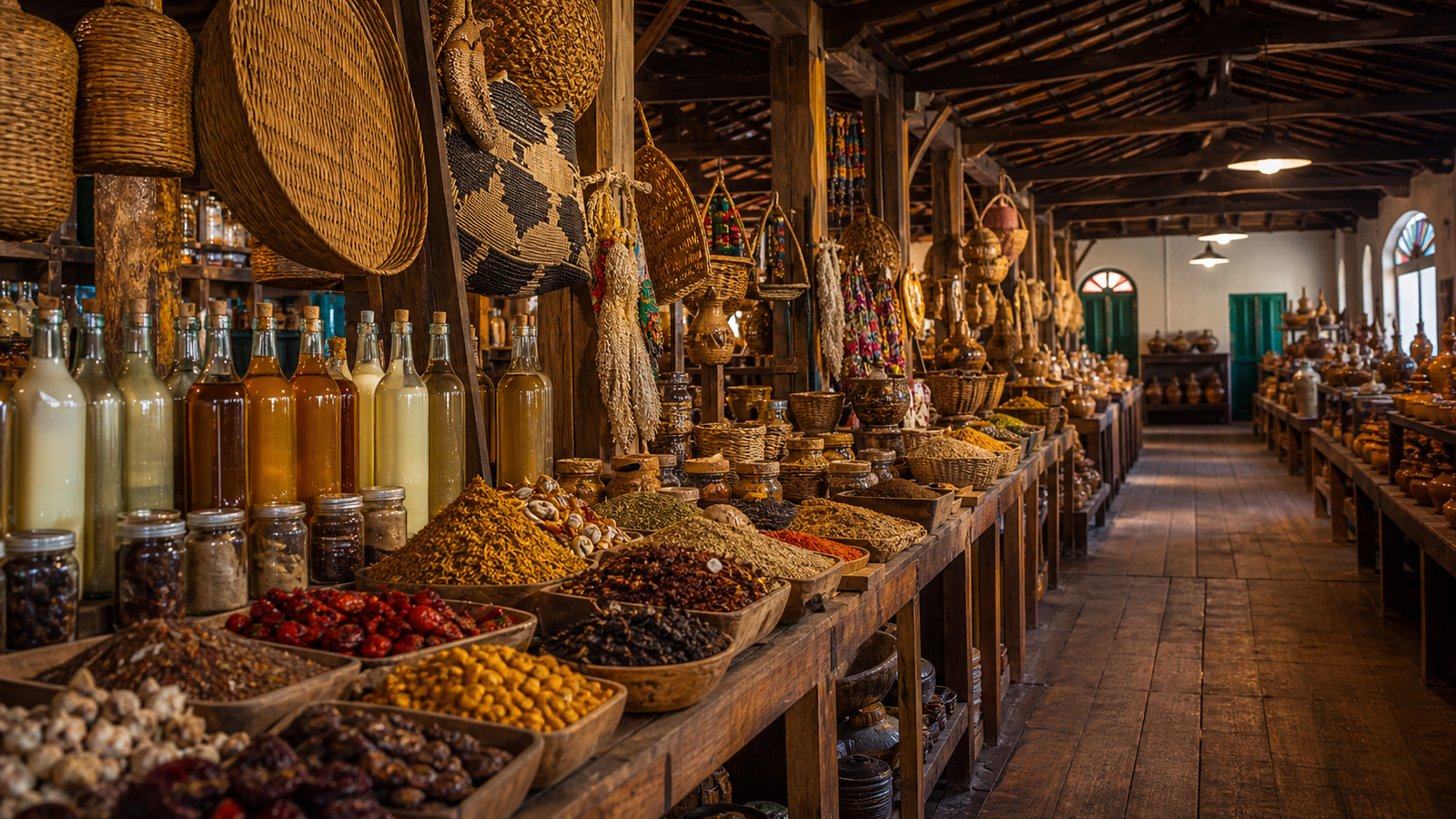
By late morning, make your way to the Casa das Tulhas (also known as Mercado das Tulhas or Feira da Praia Grande). Built inside an octagonal 19th-century colonial courtyard, this lively market is the epicenter of Maranhão’s culinary traditions. Wandering between narrow wooden stalls, you will encounter towering sacks of crunchy farinha d’água (toasted manioc flour), dried salted shrimp, cashews, and indigenous forest sweets like doce de buriti and doce de espécie (a spiced coconut pastry native to nearby Alcântara).
Casa das Tulhas is also the prime spot to sample tiquira, a traditional violet-tinted artisanal spirit distilled from manioc root that holds deep indigenous roots. For lunch, head to the market food stalls or nearby restaurants along Rua da Estrela to taste São Luís’s signature specialty: arroz de cuxá. This rich, savory rice dish is seasoned with tangy leaves of the vinagreira plant (roselle/hibiscus), toasted sesame paste (gergelim), dried shrimp, and hot pepper, traditionally served alongside fresh fried fish or a savory torta de camarão (seafood pie). Wash it down with a glass of ice-cold Guaraná Jesus, Maranhão’s famously sweet, bright pink soda flavored with cinnamon and cloves.
Day 1 Afternoon: Teatro Arthur Azevedo & The Reggae Capital of Brazil
After lunch, head up to Rua do Sol to visit the Teatro Arthur Azevedo. Inaugurated on June 1, 1817, during the regional cotton boom, it stands as the second-oldest functioning theater in Brazil. Behind its restrained neoclassical facade lies an opulent four-tiered horseshoe auditorium lit by crystal chandeliers. Free guided tours run Tuesday to Saturday from 14:00 to 18:00 (and Sundays 10:00 to 13:00) for small walk-in groups, offering a fascinating look at the theater’s history, royal boxes, and backstage lore.
Next, walk down to Rua da Estrela 124 to discover the Museu do Reggae do Maranhão, the first museum dedicated exclusively to reggae music outside Jamaica. Since the 1970s, São Luís has cultivated an intense love affair with Jamaican roots reggae, earning the city the proud moniker Jamaica Brasileira. The museum details how local sound system operators (known as radiolas) transformed the genre, inventing a unique cultural tradition of dancing reggae in partner pairs (dançar agarradinho). If you visit on a weekend evening, the neighboring Praça Nauro Machado comes alive with outdoor tables, live musicians, and cultural gatherings.
Late Afternoon & Sunset: Espigão Costeiro da Ponta d’Areia
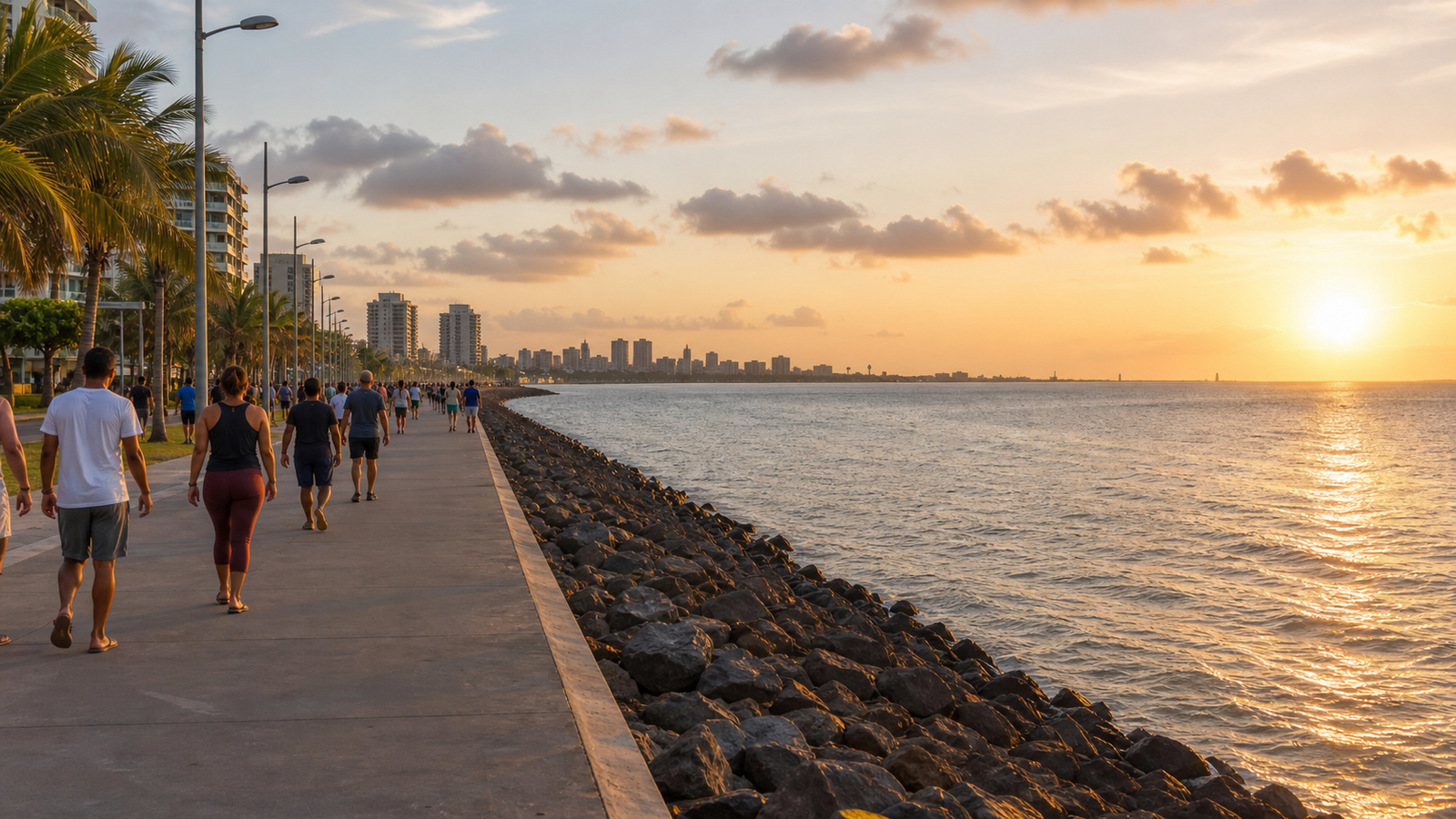
As the afternoon heat softens around 17:00, take a quick 10-minute taxi or rideshare from the historic center to the Espigão Costeiro da Ponta d’Areia. This 572-meter breakwater pier extends directly into the Baía de São Marcos, catching refreshing ocean breezes and providing an unobstructed panoramic view of the sunset over the Atlantic.
Locals and visitors gather along the wide promenade to stroll, rollerblade, and sip chilled coconut water from waterfront kiosks. At the base of the breakwater sits the historic Forte de Santo Antônio da Barra, which houses small exhibits on regional seafaring vessels. After the sun dips below the horizon, head along the coastal avenues of Ponta d’Areia or Calhau for a relaxed dinner at traditional restaurants like Cabana do Sol, renowned for generous platters of peixada maranhense (poached sea fish in coconut broth with pirão and boiled eggs).
Day 2 Options: Calhau Beach, Historic Alcântara, or Heading to Lençóis
If you have a second full day in São Luís, tailor your morning according to your travel style and ongoing itinerary:
- Option A (Coastal Relaxation): Spend a leisurely morning along Praia do Calhau, walking along the beachfront boardwalk, enjoying fresh crab and grilled fish at shaded beach kiosks, and exploring the urban park around Lagoa da Jansen.
- Option B (Colonial Day Trip to Alcântara): Board a morning passenger catamaran across the bay from the historic center terminal to Alcântara (approx. 1 hour and 15 minutes each way). This sleepy colonial town features dramatic 18th-century stone church ruins, grand stone pillories, and quiet grassy squares. Note: Boat departures strictly depend on daily tide tables, so verify departure and return times at the ferry terminal a day in advance.
- Option C (Direct Transfer to Lençóis Maranhenses): Catch a scheduled morning van transfer or private transport to Barreirinhas. The overland drive covers approximately 260 km along paved highways and takes between 4 and 4.5 hours, arriving in time for an afternoon 4×4 dune tour into the national park.
Practical Tips: Best Time, Safety, and Getting Around
Planning a smooth trip to São Luís comes down to understanding local logistics, seasonal weather patterns, and daytime neighborhood dynamics:
- Best Time to Visit: The dry season runs from June to October, bringing sunny days and pleasant coastal winds. This window coincides perfectly with peak water levels in the freshwater lagoons of Lençóis Maranhenses and the vibrant cultural festivities of Bumba Meu Boi in June and July.
- Safety in Centro Histórico: During daylight hours (9:00 AM to 17:00 PM), the main streets of the historic center (Rua Portugal, Rua da Estrela, Praça Pedro II, and Praça do Giz) are active, well-traveled, and pleasant to explore on foot. As with any historic urban center in South America, stick to populated streets and avoid quiet, unlit side alleys after dark. For evening dining and nightlife, use Uber, 99, or licensed taxis between your hotel and your destination.
- Footwear & Sun Protection: The historic center features uneven cobblestones, stone stairways, and moderate slopes. Wear sturdy, comfortable flat walking shoes with good grip. Bring sunscreen, a hat, and plenty of water, as midday humidity can be high.
- Where to Stay: Travelers prioritizing modern amenities and ocean views generally prefer staying in beachside neighborhoods like Ponta d’Areia or Calhau, taking short 10-minute rideshares into the historic center for daytime sightseeing. Travelers seeking immersive historic charm can choose boutique colonial pousadas directly inside Praia Grande.
São Luís 1 to 2-Day Itinerary At a Glance
| Time / Period | Location | Key Highlights | Practical Tip |
|---|---|---|---|
| Morning (Day 1) | Praça Pedro II & Rua Portugal | Palácio dos Leões terrace, Catedral da Sé, Portuguese azulejo facades | Start early (9:00 AM) for ideal lighting and cooler temperatures. |
| Midday (Day 1) | Casa das Tulhas & Praia Grande | Tiquira spirit tasting, regional spices, arroz de cuxá lunch | Visit on weekdays or Saturday morning; closed Sunday afternoons. |
| Afternoon (Day 1) | Teatro Arthur Azevedo & Rua da Estrela | 1817 neoclassical theater tour, Museu do Reggae exhibits | Free guided tours at the theater start from 14:00 (Tue–Sat). |
| Sunset (Day 1) | Espigão Costeiro (Ponta d’Areia) | 572m breakwater promenade, ocean breeze, fresh coconut water | Arrive by 17:00; combine with Forte de Santo Antônio da Barra. |
| Day 2 Options | Praia do Calhau / Alcântara / Transfer | Beachfront dining, historic boat trip, or overland road transfer | Overland road trip to Barreirinhas takes ~4 to 4.5 hours. |
Frequently Asked Questions
Is São Luís worth visiting for 1 or 2 days?
Yes, São Luís is well worth a 1 to 2-day visit. As a UNESCO World Heritage site featuring Latin America’s largest collection of Portuguese colonial tile facades, a rich Afro-Brazilian reggae heritage, and distinct regional cuisine, spending 24 to 48 hours in the city provides a rich cultural foundation before or after visiting the sand dunes of Lençóis Maranhenses.
Is the historic center of São Luís safe for tourists?
During daylight hours (between 9:00 AM and 5:00 PM), the primary pedestrian corridors of the Centro Histórico—including Rua Portugal, Rua da Estrela, and Praça Pedro II—are active, monitored, and safe for travelers to explore on foot. For nighttime dining and moving between districts, travelers should rely on rideshares (Uber/99) or licensed taxis rather than walking alone through unlit side streets.
What is the most famous food to try in São Luís?
The signature dish of São Luís is arroz de cuxá, rice prepared with tangy vinagreira (roselle) leaves, toasted sesame paste, and dried shrimp, traditionally served alongside fresh fried seafood. Other iconic culinary items include torta de camarão, tiquira (indigenous cassava spirit), and the bright pink Guaraná Jesus soda.
How do you travel from São Luís to Lençóis Maranhenses?
Travelers typically travel from São Luís to Barreirinhas (the primary gateway to Lençóis Maranhenses) via shared tourist vans, private transfers, or intercity buses. The overland journey covers approximately 260 km along paved roads and takes about 4 to 4.5 hours.