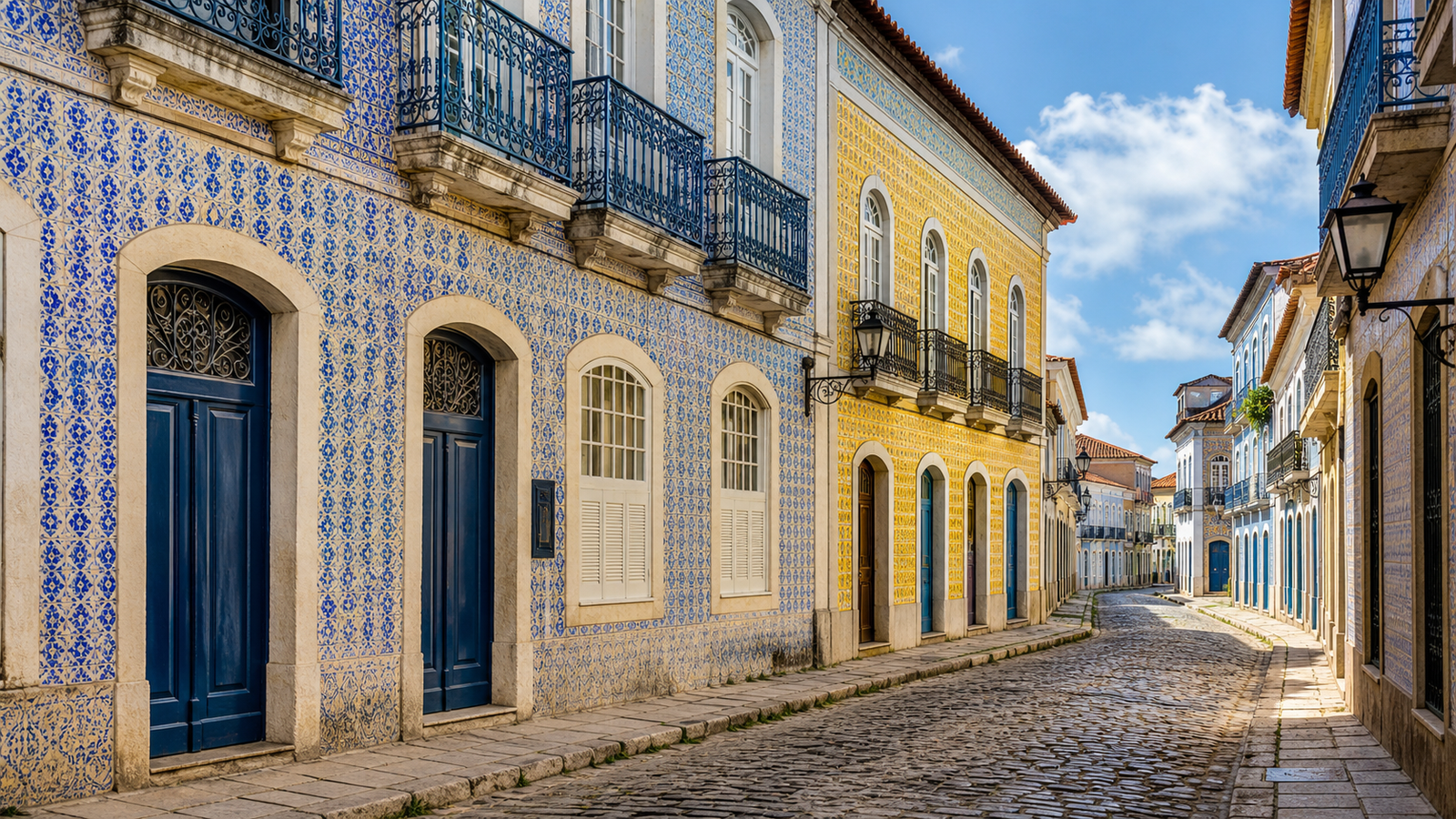
If you have ever seen a postcard of São Luís, chances are you were looking straight down Rua Portugal. Located in the historic Praia Grande district, this pedestrian cobblestone corridor is lined on both sides with two- to four-story colonial townhouses completely covered in glazed ceramic tiles. It is one of the most visually captivating urban scenes in Brazil—and the centerpiece of the city’s UNESCO World Heritage historic center.
While many colonial towns across Brazil showcase whitewashed walls or pastel-painted stucco, São Luís took a completely different architectural path during its 18th- and 19th-century trade boom. Here, wealthy merchants wrapped entire building exteriors in millions of imported European tiles. Rua Portugal holds the densest and best-preserved concentration of these historic facades anywhere in South America, creating an open-air architectural gallery that feels frozen in time.
Whether you are visiting São Luís for a quick stopover before heading to the Lençóis Maranhenses or spending a couple of days soaking in Maranhão’s unique culture, a walk down Rua Portugal is an absolute must. Here is everything you need to know to explore the street, understand its architecture, step inside its best cultural spaces, and navigate the area comfortably and safely.
Why Rua Portugal Is the Architectural Heart of São Luís
Rua Portugal serves as the historic pedestrian spine of Praia Grande, the portside commercial district of São Luís. In the 18th and 19th centuries, this street directly linked the bustling waterfront docks (Cais da Praia Grande) with the warehouses, trading houses, and consulates that powered the regional economy.
When UNESCO designated the Historic Centre of São Luís as a World Heritage site in 1997, Rua Portugal was highlighted as the prime example of an integrated Iberian colonial urban ensemble adapted to an equatorial climate. Walking down the street today, you notice immediately that vehicle traffic is prohibited, allowing you to wander freely across its historic cobblestone pavement (calçamento pé-de-moleque) and take in the multi-story mansions known as sobrados.
These sobrados feature tall French-style wooden shuttered windows, delicate cast-iron and wrought-iron balconies imported from Europe, and towering facades adorned with blue, yellow, green, and white patterned tiles. It is this unbroken rhythm of historic textures that makes Rua Portugal the most photographed street in the state of Maranhão.
The Story Behind the Tiles: Beauty Meets Climate Engineering
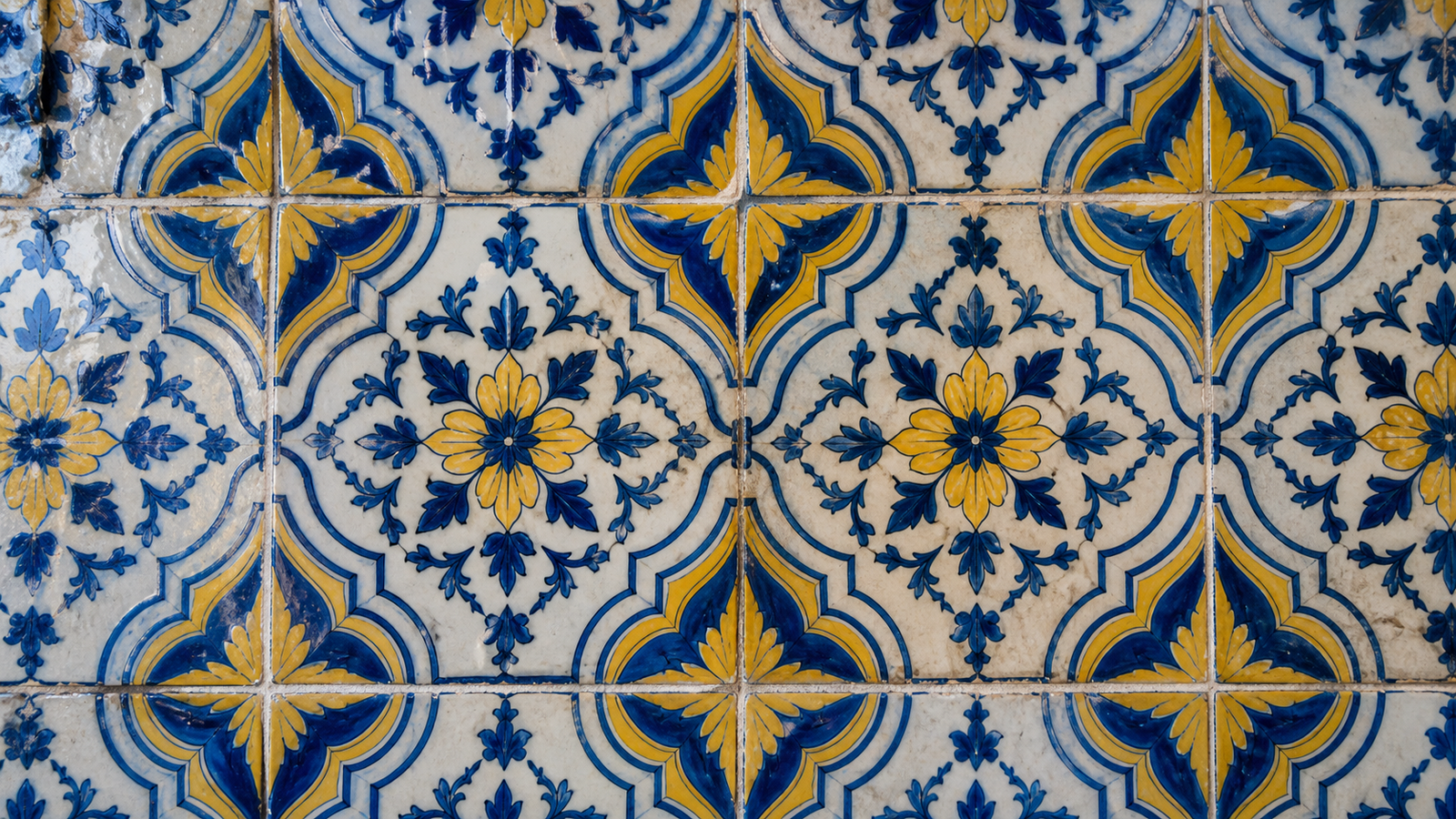
The iconic tiles covering Rua Portugal are known in Portuguese as azulejos. While they look undeniably elegant and aristocratic, their widespread installation was driven just as much by practical climate engineering as by aesthetic vanity.
During the late 18th century, the creation of the Companhia Geral de Comércio do Grão-Pará e Maranhão spurred a massive economic boom driven by cotton and rice exports to Europe. Wealthy local merchants looked for ways to display their newfound prosperity, importing luxury glazed ceramics from Lisbon, Porto, Marseille, and Dutch and German workshops. But they quickly discovered that the tiles solved two severe tropical living challenges:
- Waterproofing Against Tropical Downpours: São Luís experiences an intense equatorial rainy season with heavy, driving rainstorms. Traditional lime and sand mortar on exterior walls deteriorated rapidly in the humidity. The waterproof glaze of ceramic tiles created an impenetrable protective shield that kept the underlying walls dry and structurally sound for centuries.
- Thermal Insulation Against Equatorial Heat: The glazed, reflective surfaces—especially white and light-colored tiles—effectively reflected intense solar radiation during blazing sunny afternoons. This natural reflection helped keep the interior rooms of the tall sobrados noticeably cooler than standard brick or stone structures.
- Status and Prestigious Display: Cladding an entire multi-story facade in imported European tiles was extraordinarily expensive, serving as an immediate visual statement of a merchant family’s trade success and social standing.
Because of this extensive historic practice, São Luís earned its famous nickname: A Cidade dos Azulejos (The City of Tiles). Rua Portugal remains the purest place to see this historic phenomenon up close.
Top Cultural Stops on Rua Portugal You Shouldn’t Miss
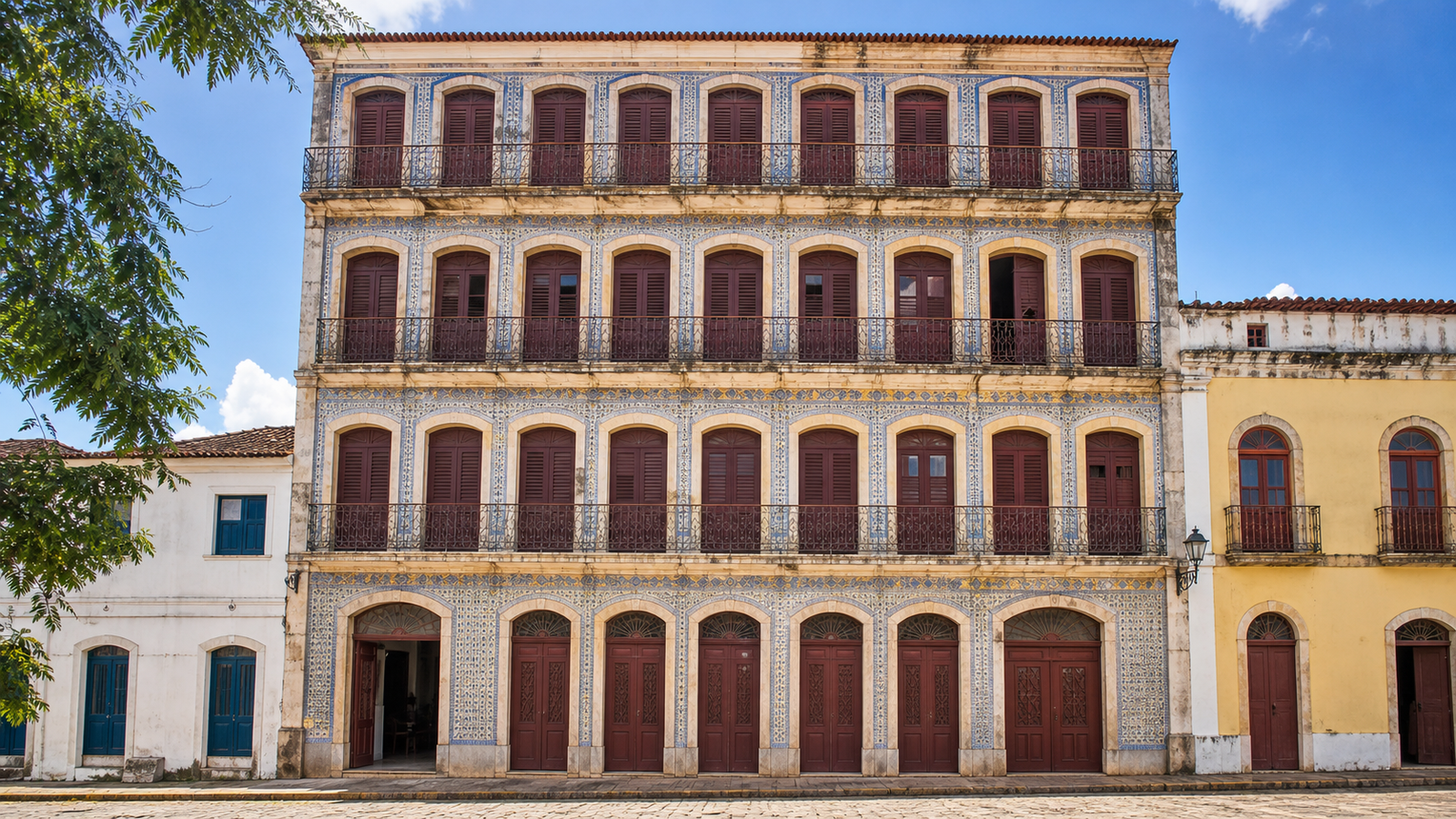
While the exterior facades alone are worth the visit, several key colonial sobrados along Rua Portugal now house cultural institutions and museums that offer a deeper look into Maranhense heritage.
Museu Casa de Nhozinho: Housed in a grand four-story townhouse on Rua Portugal, this museum is dedicated to regional folk art, traditional crafts, and indigenous culture. It takes its name from Antônio Bruno Pinto Nogueira (1904–1974), affectionately known as Mestre Nhozinho, a celebrated artisan from Cururupu who mastered the craft of carving intricate figures and toys from the lightweight pith of the native buriti palm. Inside, you will find traditional fishing equipment, indigenous basketry, festive Bumba Meu Boi costumes, and miniature wooden figures depicting rural life.
Casa do Maranhão: Located at the lower end of Rua Portugal facing Praça da Praia Grande, this expansive cultural center occupies the historic 19th-century provincial customs house (Antiga Alfândega). The exhibits showcase the vibrant folklore of the state, including the origins and musical rhythms of Bumba Meu Boi, the Afro-Brazilian drum ritual of Tambor de Crioula, coastal sailing vessels, and regional mythology.
IPHAN Technical Office & Restored Sobrados: Along the street, several beautifully restored sobrados house cultural heritage offices and private craft workshops. Take time to pause and examine the varied geometric and floral tile patterns, which differ from building to building.
The Street Walk: Connecting Rua Portugal to Nearby Historic Corners
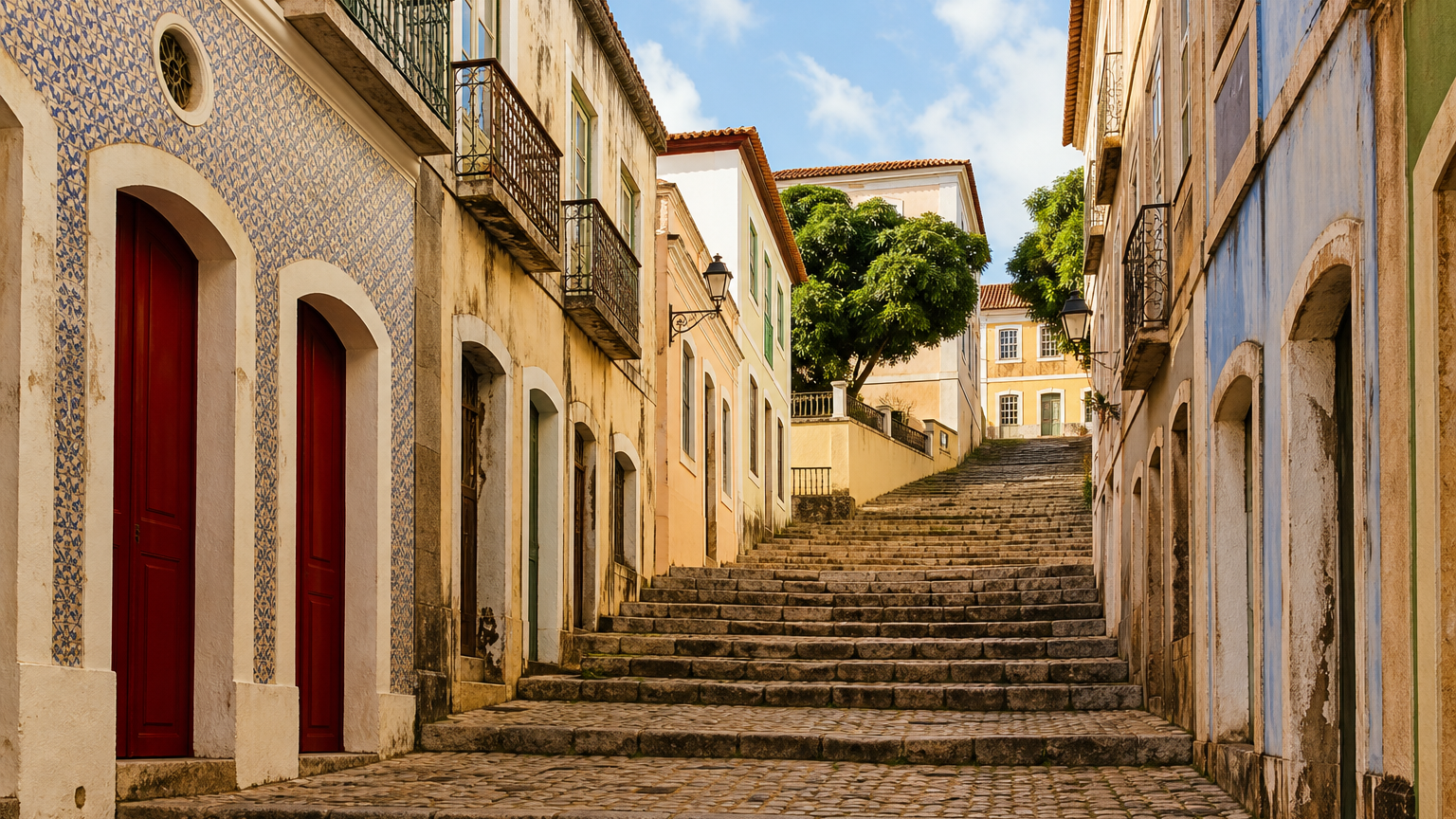
Rua Portugal is relatively short—around two blocks in length—making it ideal to combine with neighboring historic lanes for an easy half-day walking tour of Praia Grande:
- Start at Praça da Praia Grande: Begin at the open square near the old port area. Here you can admire the imposing facade of Casa do Maranhão and look up the gentle incline of Rua Portugal.
- Walk Up Rua Portugal: Stroll slowly past the tiled sobrados, stopping at Museu Casa de Nhozinho. Look up at the ornamental cast-iron balconies and stone window frames.
- Turn into Beco Catarina Mina: Near the intersection with Rua da Estrela, step into Beco Catarina Mina. This famous stepped cobblestone alley is named after Catarina Rosa Pereira de Jesus (Catarina Mina), an enslaved woman who worked as a street vendor, purchased her own freedom, and eventually acquired multiple properties in the neighborhood. The steep stairs framed by colorful colonial buildings make it another iconic photo spot.
- Explore Casa das Tulhas (Mercado da Praia Grande): Just a short block away sits the historic Casa das Tulhas market. Step inside to browse local spices, dried shrimp, cuxá seasoning (made from the leaves of the vinagreira plant), regional tiquira liquor (artisanal cassava brandy), and bottles of the famous pink Guaraná Jesus soft drink.
- Extend to Rua do Giz & Praça Nauro Machado: Continue your walk toward Rua do Giz, another photogenic street famous for its stone steps, colonial sobrados, and outdoor cafes around Praça Nauro Machado.
Practical Tips: Photography, Footwear, Best Hours, and Safety
To enjoy your walk down Rua Portugal to the fullest, keep these practical travel tips in mind:
- Best Time for Photography: The morning light between 8:30 AM and 11:00 AM illuminates the street with clear, direct brightness before midday heat peaks. For warm, golden tones, visit in the late afternoon between 3:30 PM and 5:30 PM, when the setting sun creates rich reflections on the glazed tiles and cast-iron balconies.
- Footwear Essentials: Historic streets in Praia Grande are paved with traditional cobblestones (calçamento pé-de-moleque) and large, smooth granite slabs. These stones are naturally uneven and become very slippery when wet after a tropical rain shower. Wear flat, comfortable sneakers or walking shoes with reliable rubber grip—leave high heels and slick flip-flops at your hotel.
- Daylight Exploration & Safety: Rua Portugal is active and pleasant to explore during daytime hours (roughly 9:00 AM to 5:00 PM), when shopkeepers, museum staff, and tourists are around. Stick to the main pedestrian corridors and avoid wandering down empty, deserted side alleys alone. In the evening, if you are dining in Praia Grande or attending a cultural event near Praça Nauro Machado, take an app-based taxi (such as Uber or 99) directly to and from your destination rather than walking through dark, unlit streets late at night.
- Hydration and Sun Protection: São Luís has warm, humid tropical weather year-round. Carry a water bottle, wear sunscreen, and take advantage of shaded sidewalks along the high colonial facades.
Quick Reference: Rua Portugal at a Glance
Here is a quick overview of what you will find along and immediately around Rua Portugal:
| Stop / Attraction | Location | Key Highlights | Best For |
|---|---|---|---|
| Rua Portugal Streetscape | Praia Grande | Continuous 18th- and 19th-century Portuguese tile facades & cobblestones | Architecture, walking & photography |
| Museu Casa de Nhozinho | Rua Portugal | 4-story townhouse, buriti palm carvings, indigenous crafts & folk art | Regional culture & artisan history |
| Casa do Maranhão | Rua Portugal / Praça Praia Grande | Historic customs building, Bumba Meu Boi and folklore exhibits | Maranhão festival traditions & music |
| Beco Catarina Mina | Connecting to Rua Portugal | Stepped cobblestone alley with historic colonial architecture | Photography & local history |
| Casa das Tulhas | 1 block away | Historic circular market with spices, cuxá, tiquira & local snacks | Souvenir shopping & food tasting |
Frequently Asked Questions About Rua Portugal
Where is Rua Portugal located in São Luís?
Rua Portugal is located in the Praia Grande neighborhood, right in the heart of São Luís’s UNESCO-listed Centro Histórico, connecting the waterfront area near Praça da Praia Grande to the center of the historic quarter.
Why are the buildings on Rua Portugal covered in ceramic tiles?
The ceramic tiles (azulejos) were imported from Portugal and Europe during the 18th- and 19th-century trade boom. Beyond showing off merchant wealth, they served as critical climate engineering: waterproofing porous mortar walls against intense tropical rains and reflecting solar heat to keep building interiors cooler.
What is inside the Museu Casa de Nhozinho on Rua Portugal?
Museu Casa de Nhozinho is a regional folk art museum housed in a four-story colonial townhouse. It features buriti palm wood carvings by Master Nhozinho, indigenous artifacts, traditional fishing gear, and exhibits on Maranhense popular culture.
Is Rua Portugal safe for foreign tourists to visit?
Rua Portugal is safe and enjoyable during active daylight hours when shops, museums, and police patrols are present. Visitors should stay mindful of personal belongings, avoid quiet deserted alleys alone, and use app-based rides (such as Uber or 99) when visiting the historic center for evening dining.
What shoes should I wear when walking Rua Portugal?
Wear flat, comfortable walking shoes or sneakers with sturdy rubber traction. The historic cobblestones and granite paving slabs are uneven and can be slippery when wet.