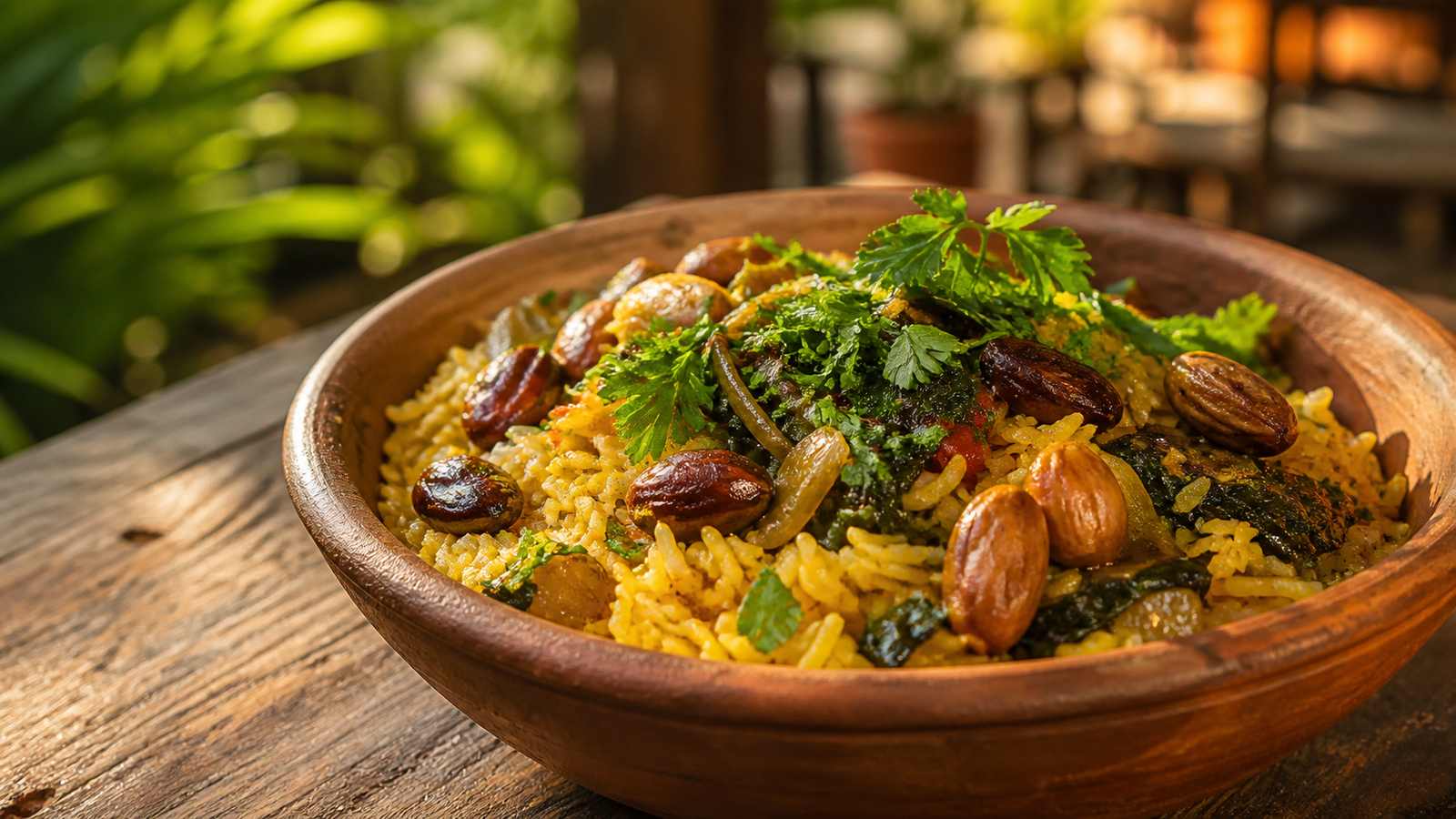
After a full day trekking across the sun-drenched quartz canyons of Chapada dos Veadeiros and swimming under freezing waterfalls, your appetite demands something truly nourishing. Many first-time visitors arrive expecting only basic backcountry trail rations, but this UNESCO-protected national park region in central Brazil hides one of the country’s most vibrant and surprising culinary scenes.
Dining here is a captivating study in contrasts. On one hand, you have centuries of rustic Cerrado biome heritage cuisine—dishes built around native nuts, wild fruits, and slow-simmered stews originally carried in banana leaves by colonial cattle drovers. On the other hand, the region boasts an established culture of organic farm-to-table dining, wholesome vegetarian buffets, and candlelit village risotterias that rival the dining scenes of Brazil’s major capitals.
Because the region’s two main travel bases—the bustling town of Alto Paraíso de Goiás and the sandy, unpaved eco-village of Vila de São Jorge—are separated by 36 kilometers of highway and operate on completely different daily rhythms, planning where and when to eat is essential for a smooth adventure.
The Culinary Landscape: Cerrado Roots Meet Bohemian Wellness
The culinary foundation of Chapada dos Veadeiros is deeply rooted in the Brazilian Cerrado, the world’s most biodiverse tropical savanna. For generations, local rural communities and traditional Quilombola settlements (descendants of afro-Brazilian maroon communities) harvested native wild fruits, seeds, and root vegetables that exist nowhere else on the planet.
In the late 20th century, Alto Paraíso attracted holistic communities, botanists, and eco-travelers from across the globe, introducing a strong culture of organic agriculture, vegetarian cooking, and sourdough baking. Today, these two culinary philosophies have fused seamlessly across the plateau. You will find contemporary Italian risottos enriched with indigenous wild nuts, artisan pizzerias using local goat cheeses, and rustic roadside ranches serving slow-cooked stews beside house-made botanical liqueurs.
Essential Cerrado Flavors: What to Taste (and How to Eat Pequi Safely)
Before stepping into a local restaurant, understanding the core native ingredients will help you navigate menus like a seasoned food traveler:
- Castanha de Baru (Baru Nut): The undisputed king of Cerrado superfoods. Roasted baru nuts have a deep, complex flavor falling somewhere between a dark-roast peanut and a toasted cashew. Rich in protein and antioxidants, baru appears everywhere in Chapada—from pestos and crusts on grilled meats to artisanal ice creams, cakes, and regional craft beers.
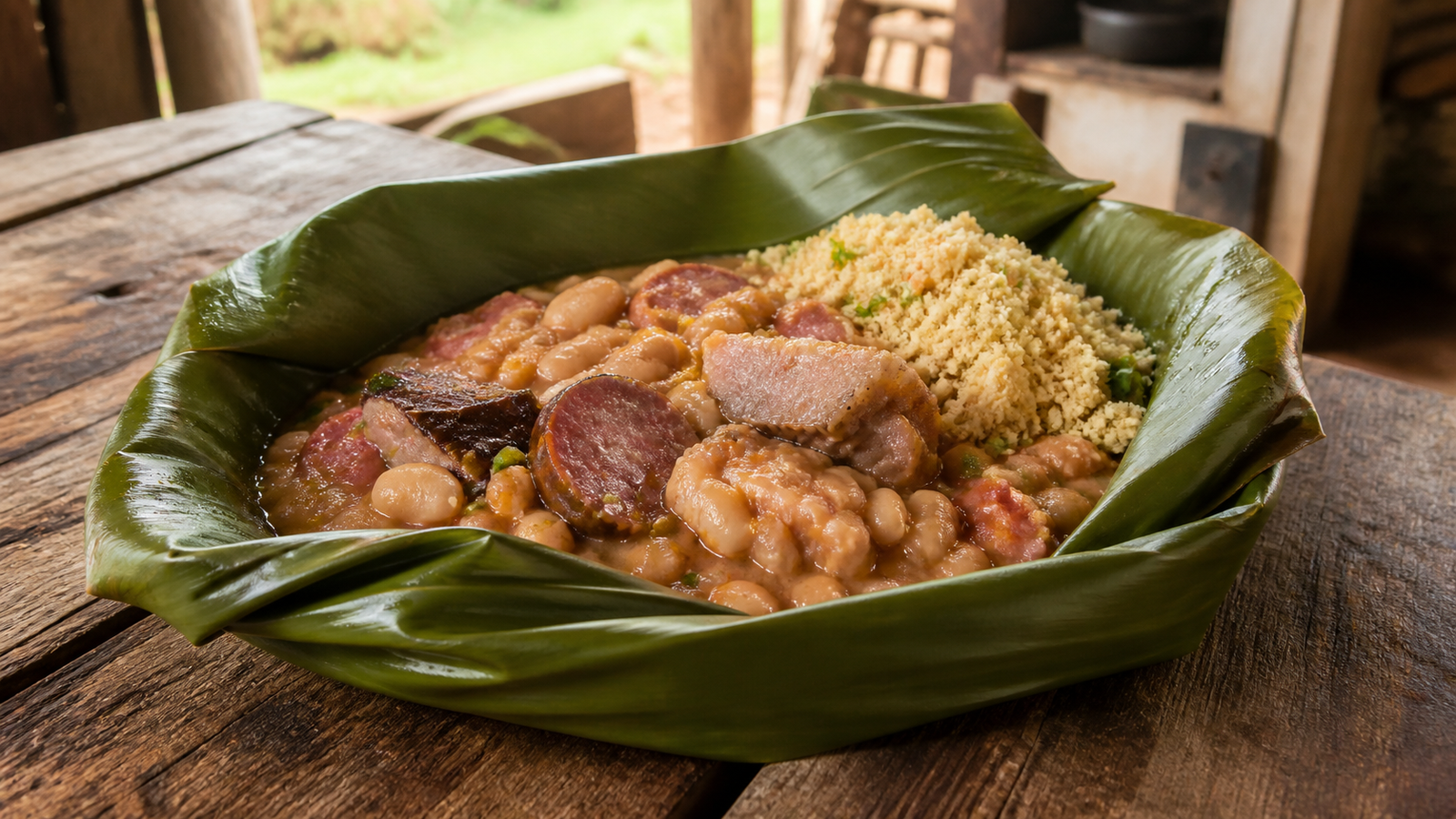
- Matula: The iconic historic dish of Chapada dos Veadeiros. Originally developed as portable fuel for tropeiros (cattle drovers), it is a hearty, rich stew of white beans cooked with garlic, cassava flour, and savory seasoned meats (such as carne de sol and cured sausage), traditionally wrapped and served inside a fresh green banana leaf.
- Guariroba (Gueroba): A native wild palm heart known for its distinct, pleasant bitterness. It is frequently braised into chicken stews or baked into traditional Goiano pies (empadão goiano).
- Native Savanna Fruits: Look out for fresh juices, popsicles (picolés), and caipirinhas made from local fruits like buriti (rich, golden-orange palm fruit), cagaita (tart and thirst-quenching), and cajuzinho-do-cerrado (intensely flavorful native cashew).
The Critical Rule for Eating Pequi: Pequi is an intensely aromatic, golden-yellow fruit cooked into traditional rice and chicken stews. If you order a dish containing pequi, never bite into the seed with your teeth. Beneath the soft, buttery outer yellow flesh lies a hard inner core packed with thousands of microscopic, needle-sharp thorns that will pierce your tongue, gums, and lips. To enjoy pequi safely, use your front teeth to gently scrape only the soft outer yellow pulp away from the kernel, leaving the central seed completely intact on your plate.
Where to Eat in Alto Paraíso de Goiás: Natural Cafes, Buffets, and Bistros
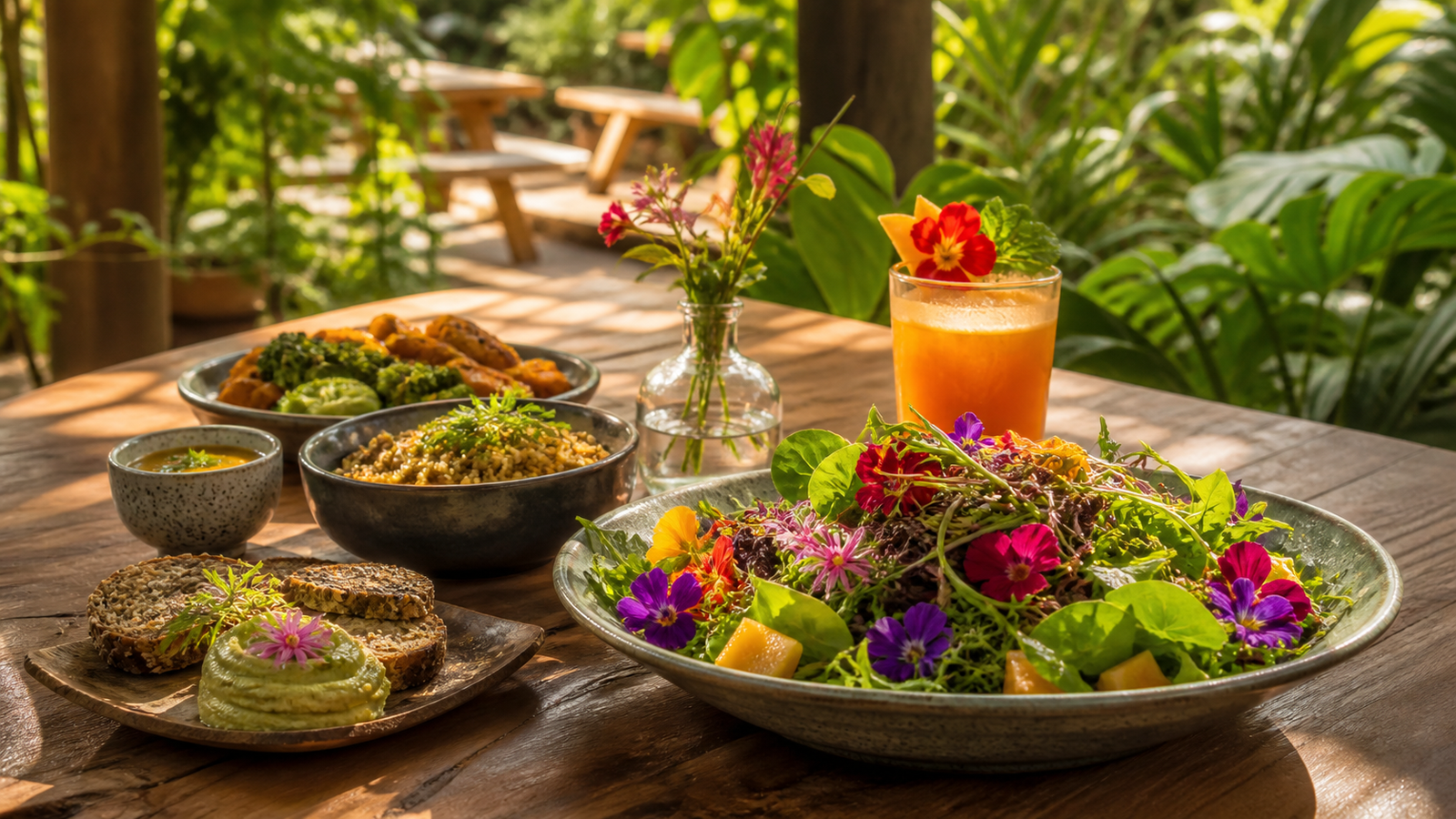
As the commercial and logistical hub of the region, Alto Paraíso de Goiás offers the widest variety of daytime dining, making it the ideal town for early breakfast, nutritious lunch buffets, and relaxed evening drinks.
Cravo e Canela (Bistrô & Cafeteria): A pioneer in Chapada’s plant-based movement, this charming garden bistro is dedicated to organic, farm-to-table vegetarian and vegan dining. Open for both lunch and dinner, their menu features fresh seasonal salads, wholesome veggie burgers, nourishing soup broths (caldos), and artisan desserts made without refined sugar. Expect to spend around R$ 45 to R$ 75 per person.
Restaurante Alquimia: If you are looking for a fast, healthy, and high-value lunch before or after a hike, Alquimia is a local institution. Operating on a self-service pay-by-weight (por quilo) buffet system, it offers dozens of fresh salads, hot plant-based proteins, grains, and vegetarian versions of classic Brazilian comfort dishes. A generous plate typically costs between R$ 30 and R$ 50.
Vendinha 1961: Located right on the main avenue (Avenida Ary Valadão Filho), Vendinha 1961 is the most famous casual gathering spot in town. It is celebrated for its colossal, freshly fried pastéis stuffed with savory fillings (including sun-dried beef with cheese, hearts of palm, and baru pesto), accompanied by ice-cold regional craft beers and live acoustic music in the evenings. Pastéis cost between R$ 20 and R$ 35.
Lobo Guará Bistrô & Bistrô Vinil: For an upscale dinner in Alto Paraíso, these intimate venues deliver creative regional gastronomy. Lobo Guará specializes in inventive contemporary dishes with local Cerrado seasonings, while Bistrô Vinil pairs vintage vinyl records with creamy risottos and traditional Goiano panelinhas (savory rice stews cooked in cast-iron pots). A full dinner with wine ranges from R$ 90 to R$ 150 per person.
Where to Eat in Vila de São Jorge: Candlelit Risottos and Post-Hike Feasts
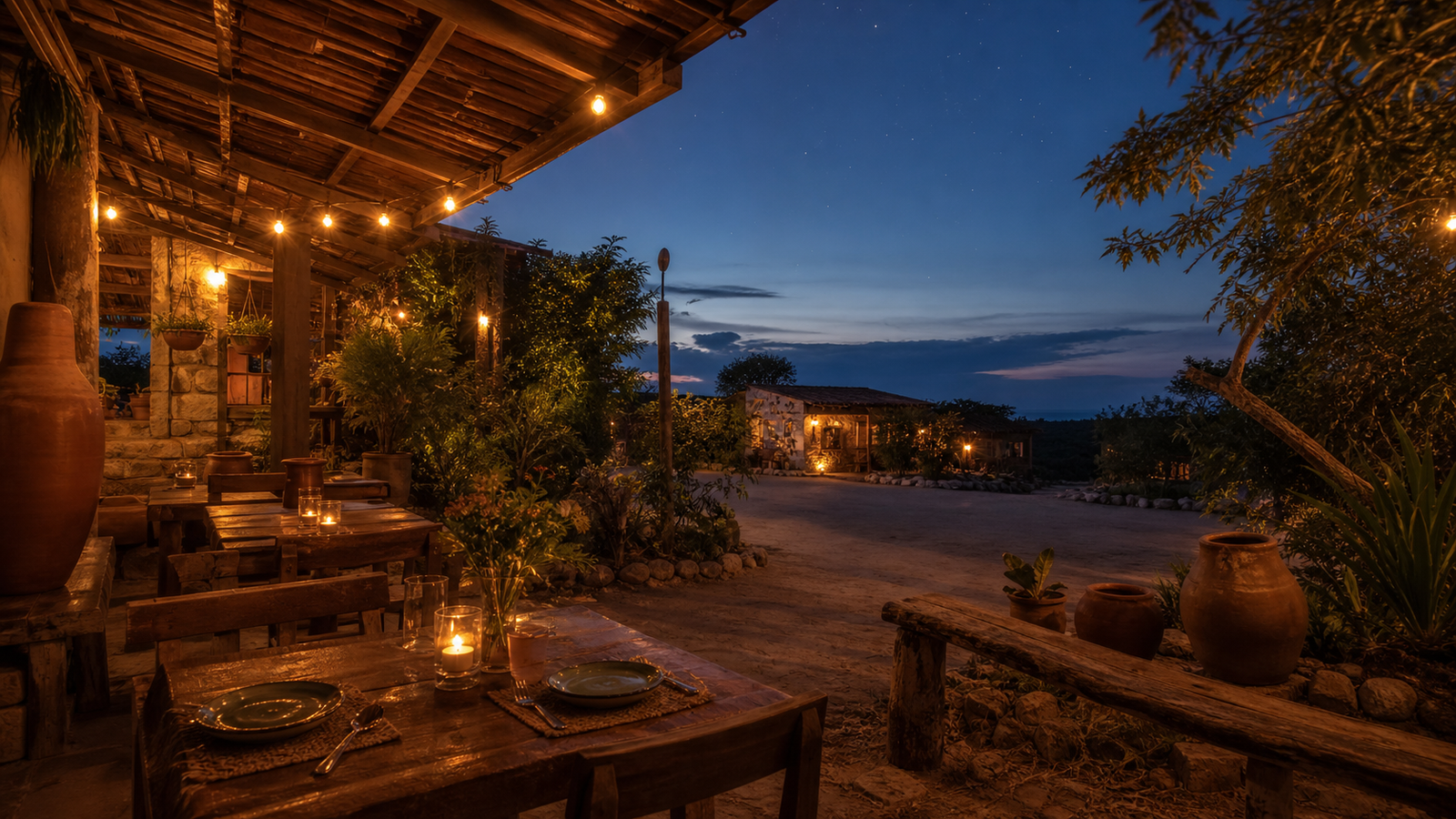
Located right at the entrance of the Chapada dos Veadeiros National Park, Vila de São Jorge is a bohemian, sandy village where paved roads give way to unpaved dirt tracks and streetlights are kept dim so visitors can stargaze. The village comes alive after dark when hikers return from the trails.
Santo Cerrado Risoteria & Café: The undisputed crown jewel of romantic evening dining in São Jorge. Perched on an open-air rooftop overlooking the village and sunset horizon, Santo Cerrado features candlelit wooden tables, crackling fire pits, and an exceptional menu of gourmet risottos made with local ingredients (including baru nuts, dried beef, and rich vegetarian/vegan variations). Due to its immense popularity, arriving right at sunset opening time is recommended. Dinners typically cost R$ 110 to R$ 170 per person with drinks.
Rústico Premium Grill: A sophisticated open-air restaurant delivering premium grilled steaks, artisanal burger cuts, and an expansive craft cocktail bar. It offers a lively rustic-chic atmosphere with warm string lighting and excellent acoustic background music. Mains cost between R$ 75 and R$ 140.
Restaurante da Nenzinha: The ultimate savior for hungry hikers finishing the National Park’s grueling 10-kilometer trails. Dona Nenzinha serves authentic, homestyle Brazilian food on a generous self-service buffet featuring slow-cooked meats, fresh beans, roasted pumpkin, and farm salads at very fair prices (around R$ 35 to R$ 50 per person).
Moringa Gastronomia: An elegant bistro dedicated to contemporary interpretations of Central Brazil’s culinary traditions, highlighting freshwater fish, native herbs, and inventive sauces in a tranquil garden setting. Expect to spend R$ 80 to R$ 130 per person.
Roadside Landmarks & Cavalcante: Rancho do Waldomiro and Kalunga Heritage
Some of Chapada’s most memorable meals are found outside the main towns along the scenic highways and in the northern historic municipality of Cavalcante.
Rancho do Waldomiro (Highway GO-239): Situated roughly midway on the paved road connecting Alto Paraíso and São Jorge, this legendary roadside ranch is a mandatory pilgrimage for food lovers. Waldomiro is credited with preserving the authentic Matula recipe. Pull up a wooden bench and order a steaming Matula served on banana leaves alongside farofa and homemade hot pepper preserves. Afterwards, sample their famous array of artisanal cachaças infused with native fruits and baru nuts. A hearty meal here costs R$ 40 to R$ 65 per person.
Cavalcante & Kalunga Gastronomy: If your itinerary takes you north to explore the dramatic Santa Bárbara Waterfall, the historic town of Cavalcante offers a window into traditional Kalunga cuisine. Restaurants such as Restaurante Cavalcante and Canela de Ema feature wood-fired home cooking using organically farmed local squashes, free-range chicken, and heirloom corn meal that reflect centuries of self-sustaining quilombola agriculture.
Budgeting for Food in Chapada: What Meals Cost in 2026
Eating well in Chapada dos Veadeiros is remarkably adaptable to different travel styles. Whether you are backpacking on a shoestring or seeking memorable gastronomic experiences every night, here is a transparent breakdown of realistic 2026 meal costs:
| Dining Tier | Average Cost per Person | What to Expect | Top Recommended Venues |
|---|---|---|---|
| Budget / Quick | R$ 25 – R$ 45 | Hearty prato feito, self-service kilo lunch buffets, jumbo fried pastéis | Restaurante Alquimia, Restaurante da Nenzinha, Vendinha 1961 |
| Mid-Range / Casual Bistro | R$ 55 – R$ 95 | Farm-to-table lunch plates, artisan sourdough pizzas, regional stews, pasta | Cravo e Canela, Pizzaria Vila Chamego, Rancho do Waldomiro, Lobo Guará |
| Upscale / Experience | R$ 110 – R$ 180 | Gourmet Cerrado risottos, premium grilled meats, craft cocktails, desserts | Santo Cerrado Risoteria, Rústico Premium Grill, Moringa Gastronomia |
Practical Dining Tips for Trail Hikers
To avoid common logistical pitfalls while traveling in Chapada dos Veadeiros, keep these practical dining rules in mind:
- Embrace the “Almojanta” Lifestyle: Because the best waterfalls require full-day hikes between 9:00 and 15:00, most travelers skip a traditional midday sit-down lunch. Instead, plan for an almojanta (a substantial combined late-lunch/early-dinner) around 15:30 to 17:30 when returning to town.
- Always Pack Trail Snacks: The trails inside the Chapada dos Veadeiros National Park and private reserves have zero commercial kiosks or water stands inside. Purchase nuts, dried fruits, sandwiches, and energy bars at supermarkets in Alto Paraíso before setting off.
- Plan for São Jorge’s Quiet Daytimes: During weekdays, many restaurants in São Jorge remain closed until 17:00 or 18:00. If you are staying in São Jorge and taking a rest day, confirm daytime dining hours in advance or take a short trip into Alto Paraíso.
- Payment Methods: Credit cards, debit cards, and PIX are widely accepted across restaurants in both towns. However, rural electrical storms occasionally knock out village internet towers, so keeping R$ 50 to R$ 100 in physical cash in your daypack is a wise backup.