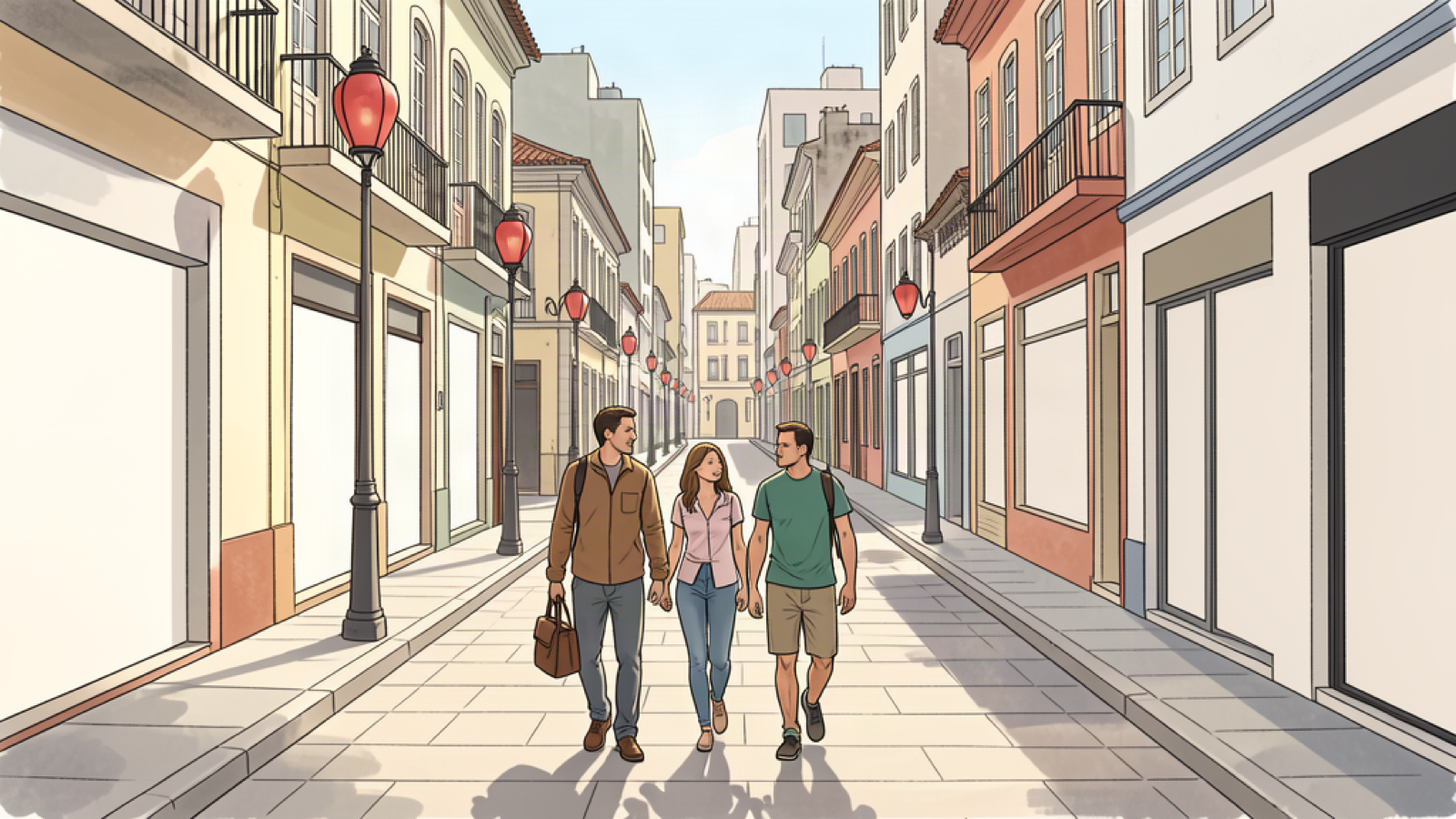
Liberdade makes more sense as a one-way cultural walk than as a race through shops and food stalls. Start at Japão-Liberdade station, look beyond the district’s familiar red lanterns, take a short detour into the Aflitos area, and finish at the Japanese Immigration Museum near São Joaquim.
The day matters. A weekday gives you the strongest museum-and-history plan; Sunday shifts the experience toward pedestrian streets, market stalls and heavier foot traffic. Either can work, but they are not the same visit.
Choose the day before you arrive

Wednesday is the most efficient culture-first choice. The Japanese Immigration Museum listed free admission on Wednesdays when its official page was checked on August 8, 2026, and the city’s current Vai de Roteiro page listed guided Liberdade walks on Wednesdays and Fridays at 10 a.m. and 2 p.m.
| Your priority | Best fit | What to check |
|---|---|---|
| Free museum entry | Wednesday | Confirm the museum schedule before leaving. |
| Municipal guided walk | Wednesday or Friday | Reserve through the city’s listed booking page. |
| Street atmosphere | Sunday or a holiday | Recheck the current Ruas Abertas operation. |
A 2024 city page describes four streets in the district as pedestrian-only on Sundays and holidays from 9 a.m. to 4 p.m.: Rua dos Estudantes, Rua dos Aflitos, Rua Américo de Campos and part of Rua Galvão Bueno. That makes walking easier, but the same official page notes busy food lines. Because the schedule source is older, verify the program before building a Sunday around it.
Start at Praça da Liberdade, but do not stop at the postcard view
Japão-Liberdade station is the simplest starting point. The Metro’s official page places it at Praça da Liberdade, 133, on Line 1-Blue, lists daily operation from 4:40 a.m. to midnight and notes elevator access. Live service conditions can still change.
The square gives you the visual shorthand most visitors expect: lantern-style street fixtures, Asian grocery shopping and the beginning of the Galvão Bueno corridor. It also gives you an early clue that the district is more layered than a single label. The city’s tourism material describes Japanese, Chinese and South Korean cultures as represented in local businesses.
Pause near the square long enough to notice the statue of Madrinha Eunice, founder of the Lavapés samba school. The city’s Ruas Abertas page identifies the sculpture as part of the square. It is a small but important signal that the district’s story does not begin with its best-known Asian imagery.
Take the short detour into Liberdade’s older Black history
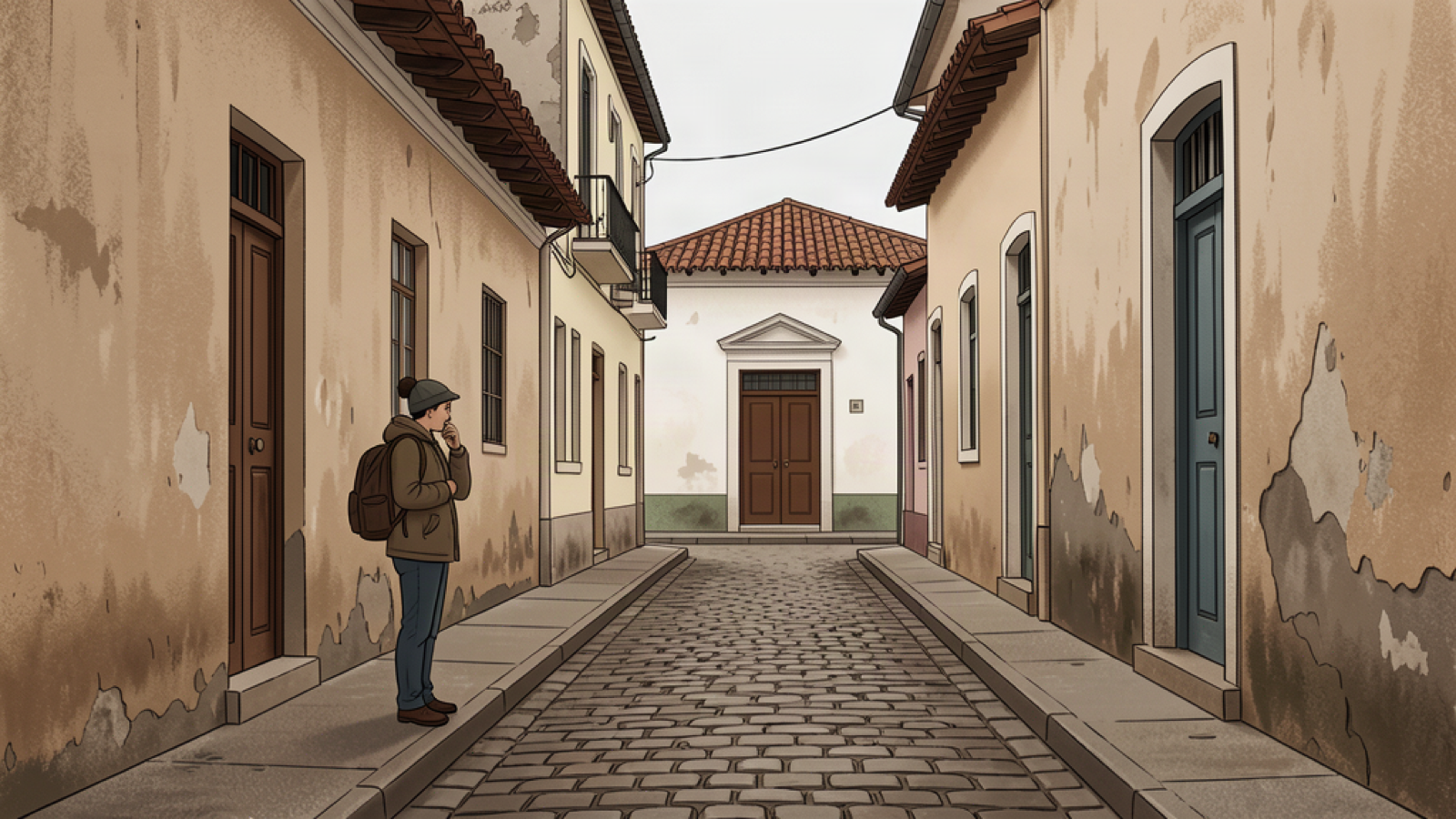
Rua dos Aflitos changes the meaning of the walk. Municipal culture sources describe the area around the former Largo da Forca and Cemetery of the Aflitos as a significant site in the history of Black and Indigenous people in São Paulo. The Capela dos Aflitos remains the physical reference point on this short lane.
This stop deserves a respectful pace rather than a quick photo. The city’s 2023 Memorial dos Aflitos page explains that the current Praça da Liberdade area was once associated with executions of enslaved Black and Indigenous people. That history predates the commercial identity most visitors see today.
The chapel may not be open when you pass; the municipal Sunday-street page specifically described it as closed on Sundays at the time of publication. Treat the exterior and lane as a historical stop, not as a guaranteed interior visit, and check locally if entry matters to you.
Walk Galvão Bueno without turning the visit into a shopping checklist
Return toward Galvão Bueno and let the street work as the connective line rather than the entire purpose of the visit. The practical choice is to browse one market or gallery, choose one meal or snack, and keep enough time for the museum.
- Look before joining a queue. A long line may reflect a Sunday crowd rather than a uniquely essential stop.
- Do not assume every business is Japanese. Municipal tourism material explicitly points to Chinese and South Korean cultural presence too.
- Use Rua dos Estudantes as a branch, not a second full route. It works well for food browsing before you continue south.
- Keep your museum cutoff time visible. The museum lists its last entry one hour before closing.
This approach protects the main promise of the walk: experiencing the district without reducing it to consumption. Food and shopping are part of Liberdade, but the historical stops explain why the neighborhood deserves more attention.
Finish at the Japanese Immigration Museum
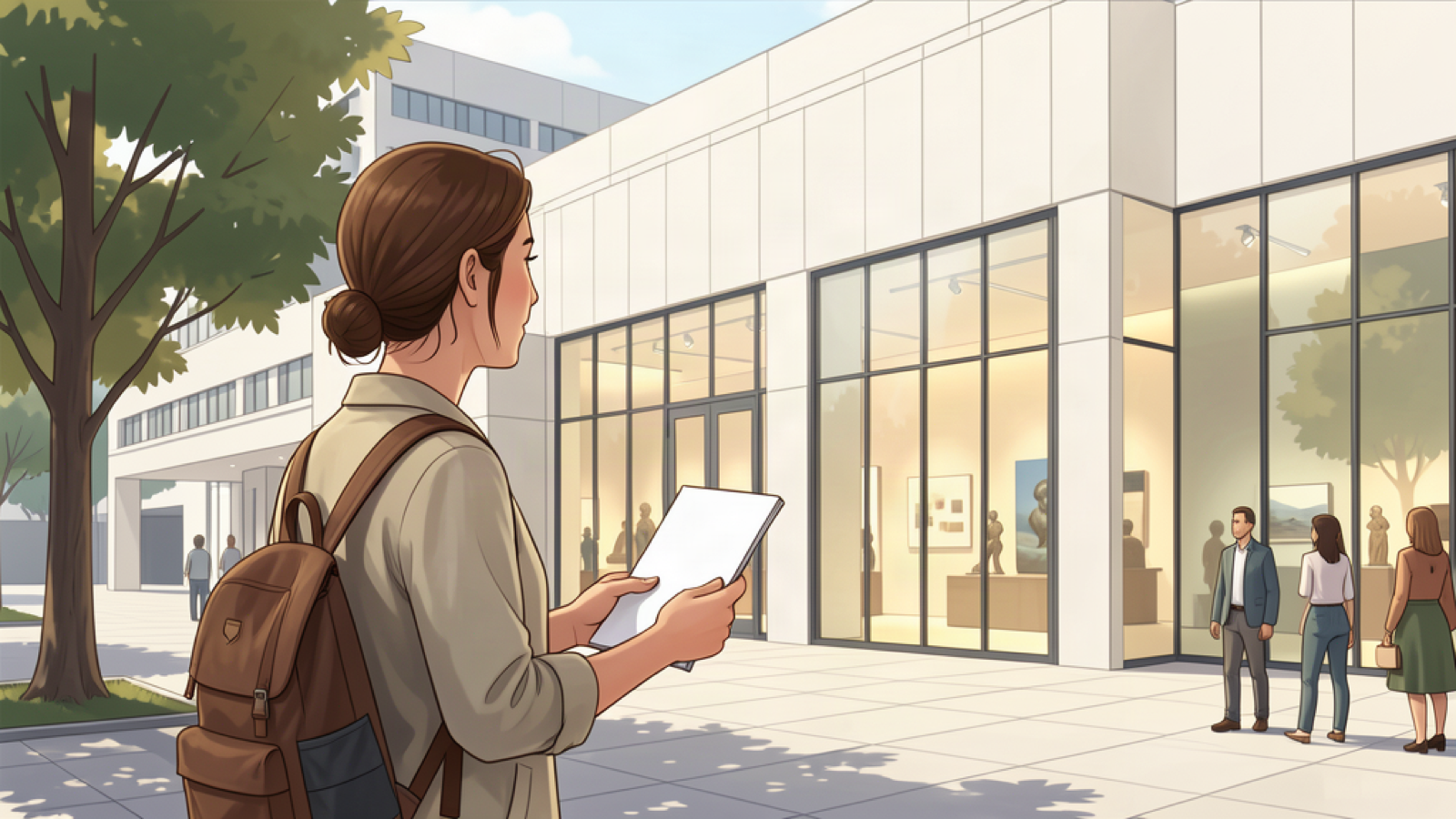
The Museu Histórico da Imigração Japonesa no Brasil is the strongest indoor anchor. Its official page says the permanent exhibition occupies the seventh, eighth and ninth floors of the Bunkyo building at Rua São Joaquim, 381, and that the collection contains more than 97,000 items connected to Japanese immigration in Brazil.
When checked on August 8, 2026, the museum listed public visits Tuesday through Sunday from 10 a.m. to 5 p.m., with last entry at 4 p.m. Adult admission was R$25; reduced admission for listed groups was R$12; Wednesday entry was free. Prices, hours and holiday exceptions can change, so use the official page as your final check.
Ending here gives the route a clear progression. The square introduces the district’s visible Asian identity, Aflitos reveals an older and often overlooked historical layer, and the museum explains Japanese immigration through documents, photographs and everyday objects.
The museum is also closer to São Joaquim station than to your starting point, so there is no reason to retrace the entire walk. This is the simplest way to keep the route linear.
A simple half-day route
- Arrive at Japão-Liberdade station. Use the square to orient yourself.
- Walk through the Galvão Bueno and Rua dos Estudantes core. Choose one food or shopping stop, not every option.
- Detour into Rua dos Aflitos. Read the lane and chapel as part of the district’s Black and Indigenous history.
- Continue south toward Bunkyo. Save enough time to enter the museum before 4 p.m. under the schedule checked on August 8, 2026.
- Leave via São Joaquim station. Avoid backtracking to the main square.
If you prefer a guide, the city’s current Vai de Roteiro service page lists a free two-hour Liberdade walk on Wednesdays and Fridays at 10 a.m. and 2 p.m., meeting by the ticket area at Japão-Liberdade station. Registration and availability should be reconfirmed on the official booking page.
Quick answers
What is the best day to visit Liberdade?
Wednesday is the strongest culture-first option because the museum listed free entry and the city listed guided walks. Sunday is better for pedestrian-street atmosphere, provided you recheck the current Ruas Abertas schedule and accept larger crowds.
How long do you need in Liberdade?
A half-day is enough for this compact route: the square, Aflitos, limited browsing and the Japanese Immigration Museum. Add more time if a meal or museum exhibition is the main purpose.
Is the Japanese Immigration Museum free?
It listed free entry on Wednesdays when checked on August 8, 2026. On other operating days, the same page listed R$25 adult admission and R$12 reduced admission for eligible groups.
Is Liberdade only a Japanese neighborhood?
No. Japanese immigration is central to its modern identity, but municipal sources also point to Chinese and South Korean presence and to much older Black and Indigenous history around Aflitos.
Walk the district as a place, not a theme
Choose Wednesday or Friday if the guided route and museum matter most. Choose Sunday if the street experience is the priority. Then keep the walk linear: square, Aflitos, Galvão Bueno, museum and São Joaquim station.
Check the official pages the night before, especially for museum hours, tour registration and the pedestrian-street program. Then connect Liberdade to the two-day São Paulo itinerary rather than trying to make one neighborhood carry the whole city.