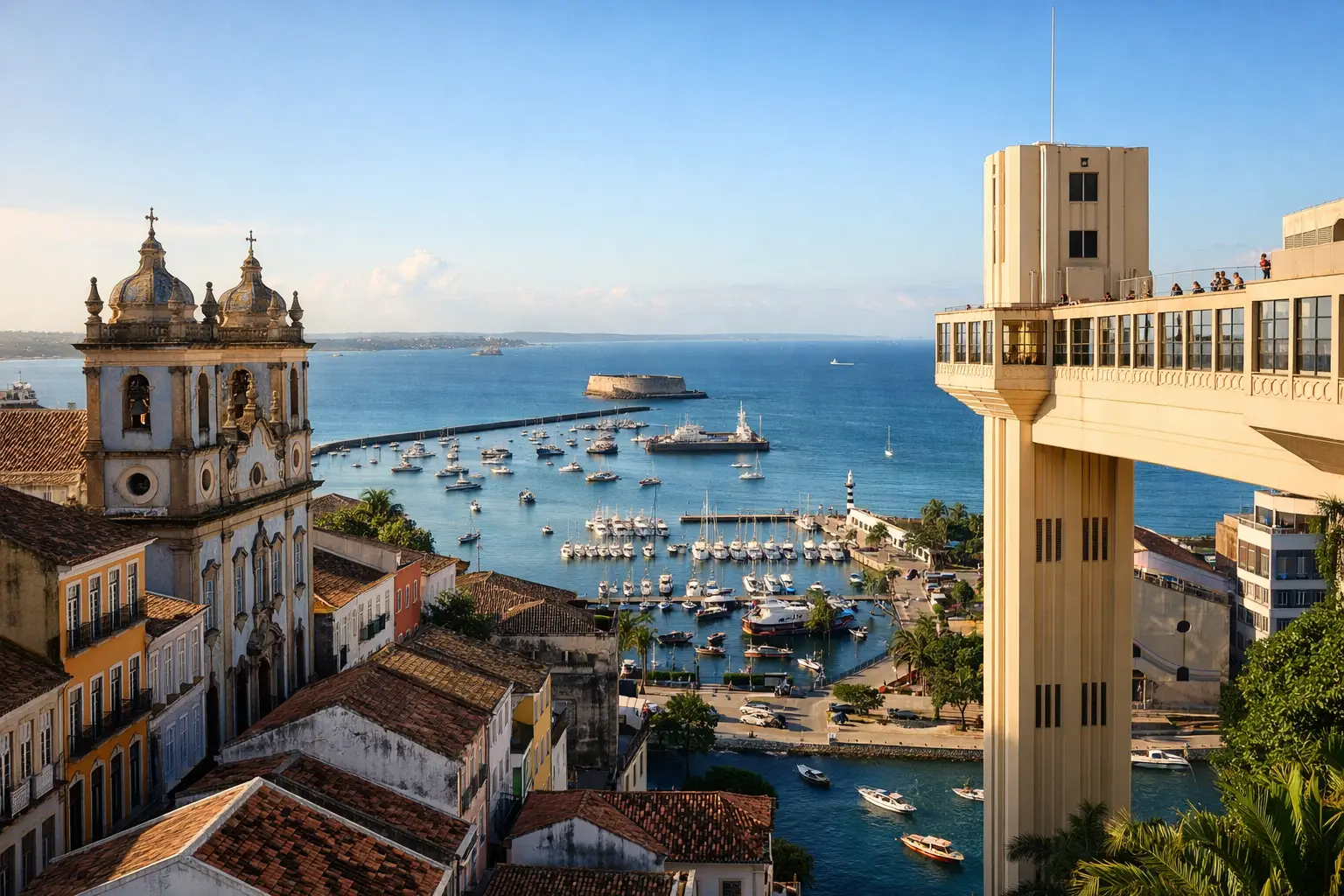
Salvador does not feel like anywhere else in Brazil. You hear drums before you see the square, colonial facades glow in the late sun, and the city’s Afro-Brazilian identity shapes everything from food to faith. If you are looking for a Salvador Brazil travel guide that helps you plan with confidence, the key is to understand that Salvador is both historic and beachy, intense and relaxed, and best enjoyed with a little strategy.
As the capital of Bahia in northeastern Brazil, Salvador is one of the country’s most culturally significant destinations. It was Brazil’s first colonial capital, and today it remains a center of music, religion, cuisine, and street life. For international travelers, that means a richer experience than a simple beach vacation – but it also means choosing the right neighborhood, timing your visits well, and knowing how to move around the city.
Why visit Salvador, Brazil
Salvador stands out because it offers several trips in one destination. You can spend the morning walking through UNESCO-listed streets in Pelourinho, the afternoon at the beach, and the evening listening to live music over a plate of moqueca. Few Brazilian cities combine history, coastline, and cultural depth so naturally.
It is also one of the best places in Brazil to understand Afro-Brazilian heritage. That influence appears in local religion, dance, capoeira, music traditions like samba-reggae, and Bahian cuisine built around palm oil, seafood, and spice. If Rio feels defined by landscape, Salvador feels defined by identity.
That said, Salvador is not the most polished or easiest city in Brazil for first-time visitors. Some areas are busy and unevenly maintained, traffic can be slow, and safety awareness matters. For many travelers, those trade-offs are worth it because the city feels vivid, local, and memorable in a way that more resort-driven destinations sometimes do not.
Best areas to stay in this Salvador Brazil travel guide
Where you stay will shape your experience more than almost anything else. Salvador is a large city, and the atmosphere changes sharply by neighborhood.
Pelourinho and the historic center are the best fit for travelers who want architecture, museums, churches, and a strong sense of place. Staying here puts you close to major landmarks and gives you the most atmospheric version of Salvador. The trade-off is that the area can feel quieter at certain times, busier with day visitors, and less practical for beach-focused trips.
Barra is the most convenient choice for many international visitors. It has a more modern feel, good access to the waterfront, the famous Farol da Barra lighthouse, and a solid range of hotels and restaurants. It is generally one of the easiest neighborhoods for short stays because it balances sightseeing, beach time, and urban convenience.
Rio Vermelho is a strong option if you care most about food and nightlife. This neighborhood feels more local and social, especially in the evening, with many bars, casual restaurants, and live music spots. It suits couples, younger travelers, and repeat visitors who want to see Salvador beyond the postcard version.
If your priority is a calmer beach stay, areas farther along the coast may appeal to you. They can be more relaxing, but they often place you farther from the historic center and the city’s main cultural attractions.
What to do in Salvador
The historic center deserves real time, not just a quick walk-through. Pelourinho is the visual heart of Salvador, with cobbled streets, colorful colonial buildings, churches, museums, and open squares that often host performances. Visit during the day when the area is more active and easier to navigate. A guided visit can be worthwhile here, especially if you want context on the city’s history and culture rather than just photos.
The Elevador Lacerda is one of Salvador’s classic landmarks and connects the upper and lower parts of the city. Nearby, Mercado Modelo is a traditional market where you can browse crafts and souvenirs. It is touristy, but still useful if you want a quick introduction to Bahian products and a central waterfront view.
Farol da Barra is one of the city’s best coastal landmarks. The lighthouse area is popular for walking, sunset views, and beach time, and it tends to be one of the easier places for visitors to enjoy without much planning. The nearby beaches are urban rather than secluded, but they are scenic and lively.
If you want a stronger sense of local daily life, spend time in Rio Vermelho. This is a good area for casual evenings, regional food, and a less formal side of the city. It can feel more contemporary than the historic center while still being deeply connected to Salvador’s cultural identity.
Churches are a major part of the city’s appeal, even for travelers who are not especially religious. São Francisco Church is one of the best-known examples of ornate Brazilian baroque architecture. Salvador’s religious landscape also includes Afro-Brazilian traditions such as Candomblé, and understanding that coexistence adds depth to any visit.
For beaches, expectations matter. Salvador has attractive urban beaches, but if you are looking for crystal-clear, resort-style perfection, other parts of Brazil may fit better. Salvador’s beaches work best as part of a broader city trip rather than the only reason to come.
What to eat in Salvador
Food is one of the strongest reasons to visit. Bahian cuisine is distinct within Brazil, and Salvador is one of the best places to try it properly.
Moqueca is the dish many travelers start with – a fragrant seafood stew usually made with dendê oil, coconut milk, peppers, and herbs. It is rich, aromatic, and very different from lighter fish stews you may know elsewhere. Acarajé is another essential experience: a deep-fried bean fritter split and filled with shrimp and spicy condiments, commonly sold by street vendors dressed in traditional white clothing.
You may also come across vatapá, caruru, and abará, all tied to Bahian culinary traditions. If you are sensitive to spice or unfamiliar ingredients, ask before ordering. Dendê oil has a strong flavor that many visitors love, but not everyone takes to it immediately.
For a safer first approach, start at a well-reviewed restaurant in Barra or Rio Vermelho, then try street food once you feel more comfortable. Salvador rewards curiosity, but a gradual approach can help if this is your first time in Brazil.
Getting around Salvador
Ride-hailing apps are usually the most practical option for visitors moving between neighborhoods. They are generally easier than figuring out local bus routes and more predictable for travelers who do not speak Portuguese. Taxis are also available, especially in tourist areas and at the airport.
Walking works best in specific zones like Pelourinho during the day, Barra’s waterfront, or short stretches within Rio Vermelho. Walking long distances between neighborhoods is rarely practical. Salvador is spread out, hilly in parts, and traffic can be heavy.
If you plan to use public transportation, expect a learning curve. It is possible, but not always the easiest choice for short-term international travelers. For most visitors, a mix of walking in busy areas and using ride-hailing apps is the simplest solution.
Safety and practical tips
Salvador is rewarding, but it is a city where basic precautions matter. Avoid displaying valuables, keep your phone use discreet in the street, and use extra care at night, especially in quieter areas. Ask your hotel or host which streets are best avoided after dark.
Daytime sightseeing is usually straightforward in main visitor areas, especially if you stay aware of your surroundings. At night, many travelers prefer to move by car rather than on foot, even for short distances. This is less about fear and more about smart urban travel.
English is not widely spoken outside some hotels and tourist-facing businesses, so having key phrases in Portuguese or a translation app helps. Card payments are common, but carrying a small amount of cash can be useful for markets and street food.
Best time to visit Salvador
Salvador is warm year-round, so there is no bad season in the simple sense. The better question is what kind of trip you want.
Summer, especially from December through March, brings heat, energy, festivals, and bigger crowds. Carnival in Salvador is world-famous and very different from Rio’s parade-based image. It is more street-based, musical, and immersive. That can be incredible if you want nonstop atmosphere, but it also means higher prices, more crowds, and more planning.
Shoulder months can be easier for travelers who want good weather with a little more breathing room. Rain is possible at different times of year, and tropical showers do not always ruin the day, but they can affect beach plans and walking routes.
If your goal is cultural sightseeing with some beach time, aim for a period outside major holiday peaks. If your goal is maximum energy and music, summer is the right choice.
How many days do you need
Three full days is enough for a first impression, especially if you stay in a central area and focus on Pelourinho, Barra, and one or two food-centered evenings. Four to five days is a better pace if you want to combine the city with slower beach time, museums, and a more relaxed rhythm.
If Salvador is part of a longer Brazil trip, it pairs well with other destinations in Bahia. Still, it deserves more than a rushed stopover. This is a city best understood gradually, through neighborhoods, meals, and music as much as through monuments.
Salvador is not a destination you simply check off. It asks for attention, curiosity, and a little flexibility – and in return, it gives you one of Brazil’s most distinctive travel experiences.