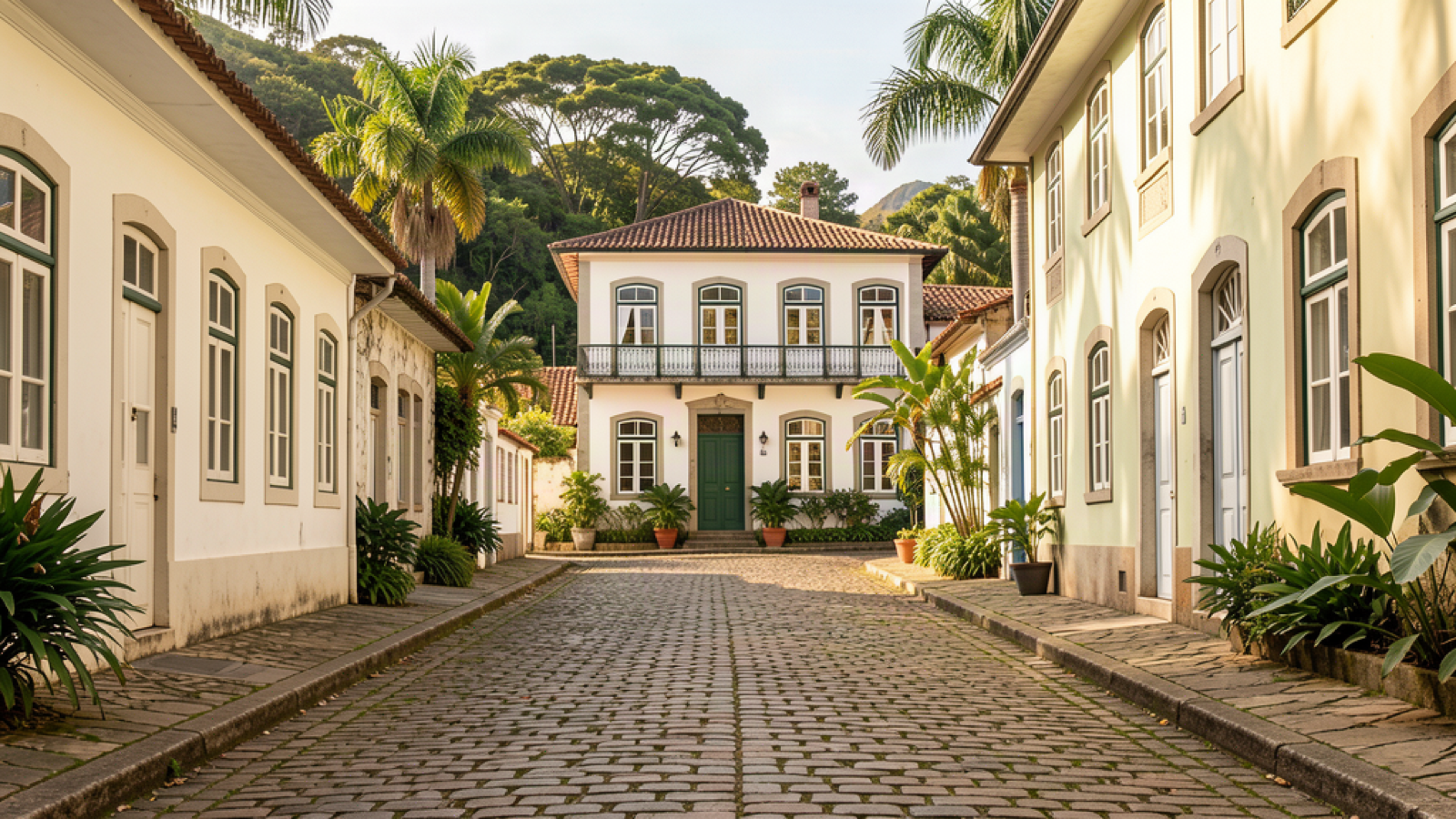
Yes, Santa Teresa is worth visiting — but it’s a neighborhood you visit with a plan, not just wander into. Built on a hill just above Rio’s city center and Lapa, Santa Teresa is one of the only parts of Rio de Janeiro where cobblestone streets, colonial-era mansions, and a working 19th-century tram still shape daily life. It doesn’t look or feel like the rest of the city, which is exactly why so many first-time visitors add it to their itinerary.
This guide covers what’s actually worth seeing, in what order to walk it, and — since it’s one of the most common questions travelers ask about this neighborhood — when it’s safe to explore on foot and when it isn’t.
A Bit of History: How Rio’s Bohemian Hilltop Neighborhood Came to Be
Santa Teresa takes its name from a Carmelite convent founded on the hill in 1750. For more than a century afterward, the area stayed largely rural, covered in forest and farmland.
That changed in the late 1800s, when Rio’s coffee boom brought a wave of wealthy families looking to escape the crowded center. They built grand, European-inspired mansions along the hillside, many in the French style that was fashionable at the time.
As those families eventually moved on, artists, musicians, and writers moved in, turning the aging mansions into studios and creative spaces. That shift is what gave Santa Teresa its lasting reputation as Rio’s bohemian neighborhood — a reputation that’s easy to spot today in the street art, small galleries, and studios tucked into the hillside. Access to the neighborhood improved with the arrival of steam and later electric trams in the 1890s — a restored version of that same historic line, still carrying visitors up the hill today.
The Santa Teresa Tram: How It Works and What It Costs
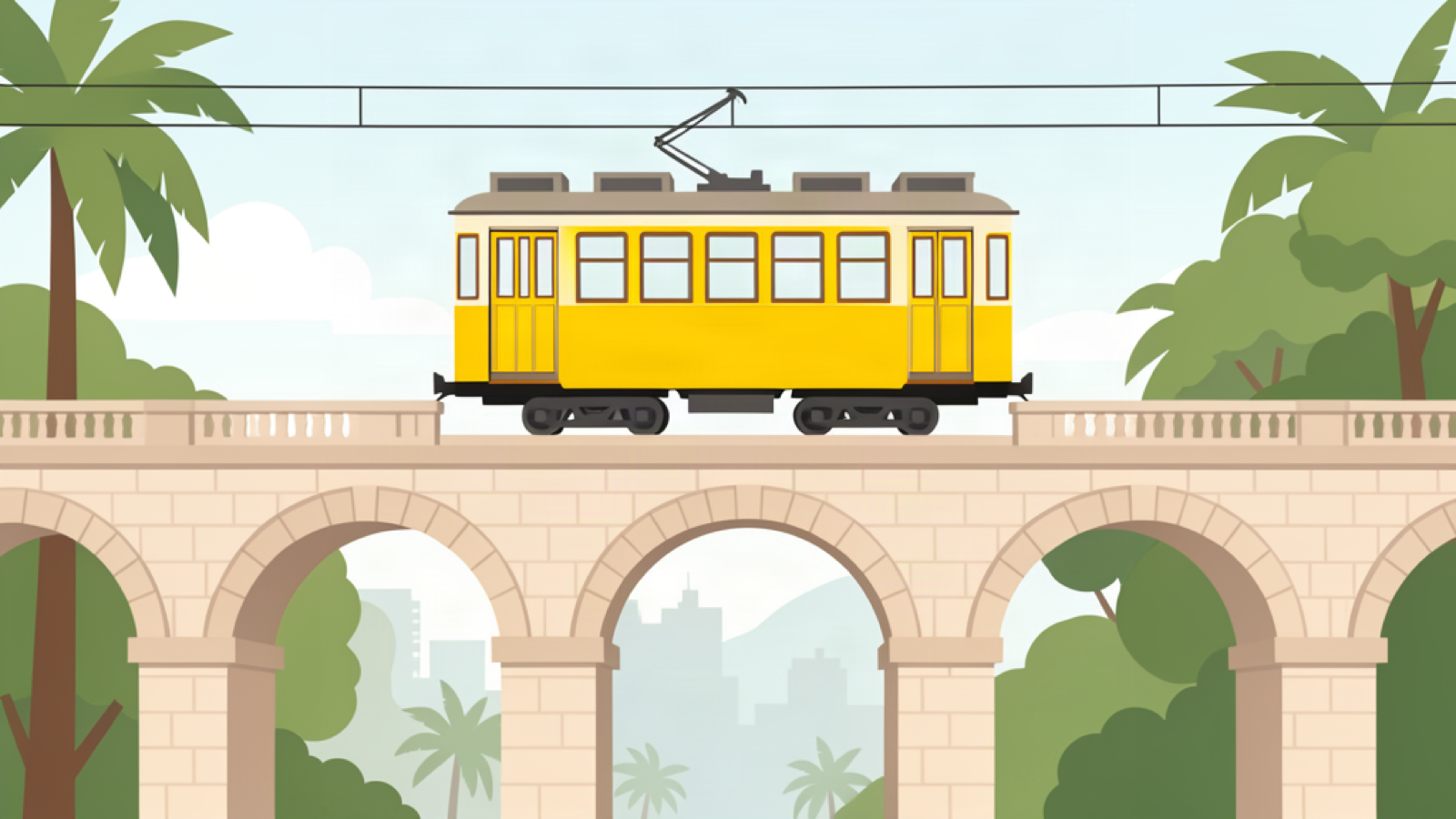
The Santa Teresa tram, known locally as the bonde, is still the most iconic way to reach the neighborhood, and hopping on for the ride up is part of the experience. It departs from Estação Carioca, next to the Largo da Carioca metro station, and crosses the Arcos da Lapa — Rio’s old aqueduct and one of the city’s most photographed landmarks — on its way up the hill.
The line dates back to 1896, was declared a national historic monument in 1985, and reopened in 2015 after a lengthy restoration. A round trip costs somewhere around R$20, though fares and schedules are the kind of detail that changes, so it’s worth confirming the current price before you go. Ticket booths generally run from around 8am to 6:30pm on weekdays, with shorter hours on weekends.
The tram is popular enough that lines can get long, especially on weekends and holidays. If avoiding a wait matters to you, an early weekday morning is your best bet.
A Walking Route Through Santa Teresa: What to See and in What Order
Once you’re in the neighborhood, Santa Teresa is best explored on foot, and there’s a logical order to see it in.
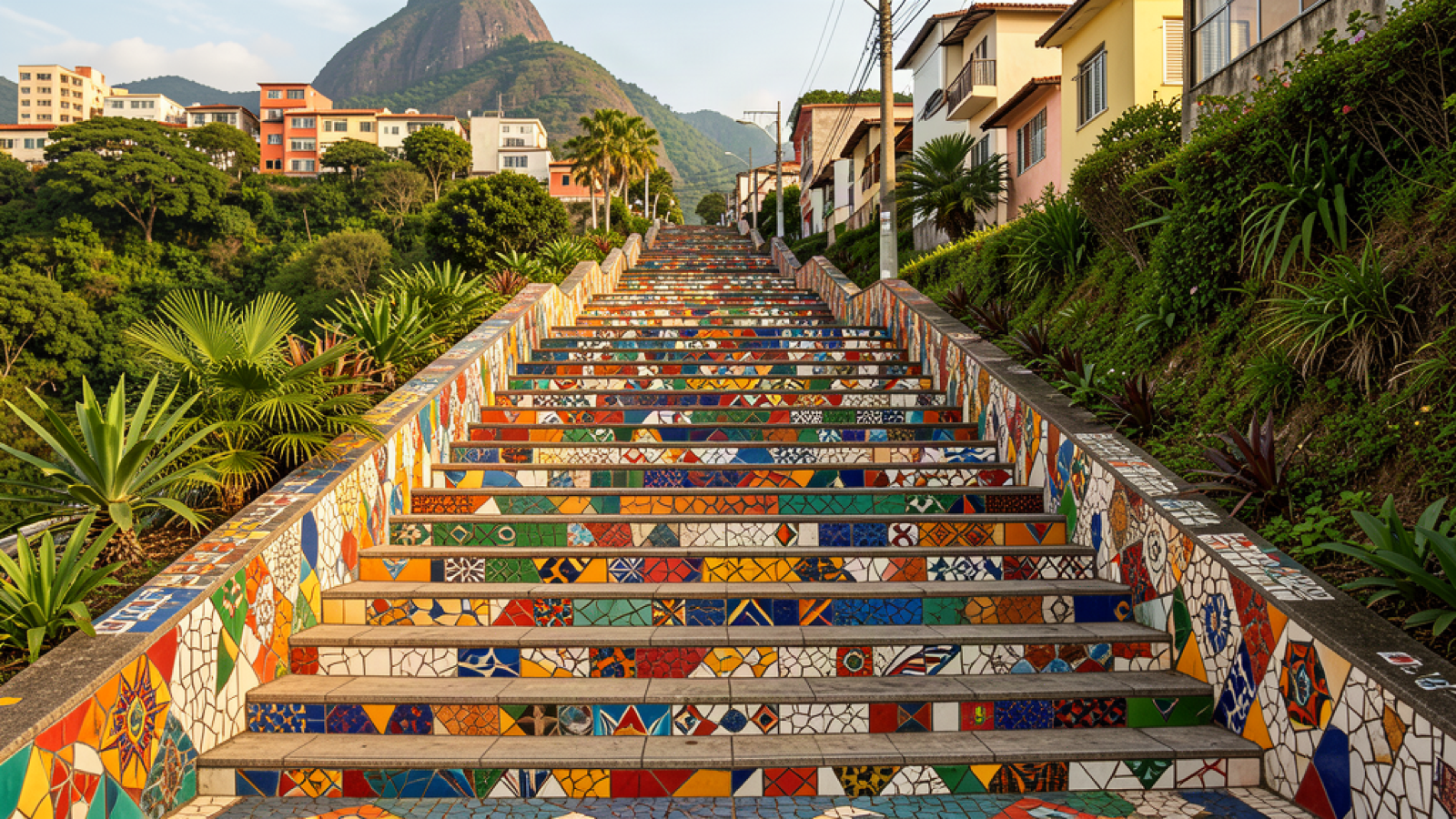
- Escadaria Selarón. Technically on the border between Lapa and Santa Teresa, but included in almost every walking route through the neighborhood. The staircase was a plain, unremarkable set of steps until Chilean-born artist Jorge Selarón began covering it in tile in 1990, funding the work himself by selling his paintings. More than three decades later, it holds over 2,000 tiles from more than 60 countries, many donated by travelers who visited and left a piece of home behind.
- Largo do Guimarães. From the steps, make your way up toward this square, the closest thing Santa Teresa has to a town center and a natural point to get your bearings before continuing on foot.
- Parque das Ruínas and Museu Chácara do Céu. These two sit right next to each other on Rua Murtinho Nobre. Parque das Ruínas is a public park built around the ruins of a mansion, and its terrace has a wide panoramic view over the city — entry is free. The Museu Chácara do Céu next door is normally closed on Tuesdays, but the exact opening hours and admission policy vary depending on the source, so it’s worth checking ahead if the museum itself is the reason for your visit.
Winding through the streets between these stops is really the point of Santa Teresa — the mansions, the street art, and the small studios along the way are as much a part of the experience as any single stop on the list.
Is Santa Teresa Safe? What Visitors Should Actually Know
This is the part most generic guides either skip or overstate, so here’s the direct version.
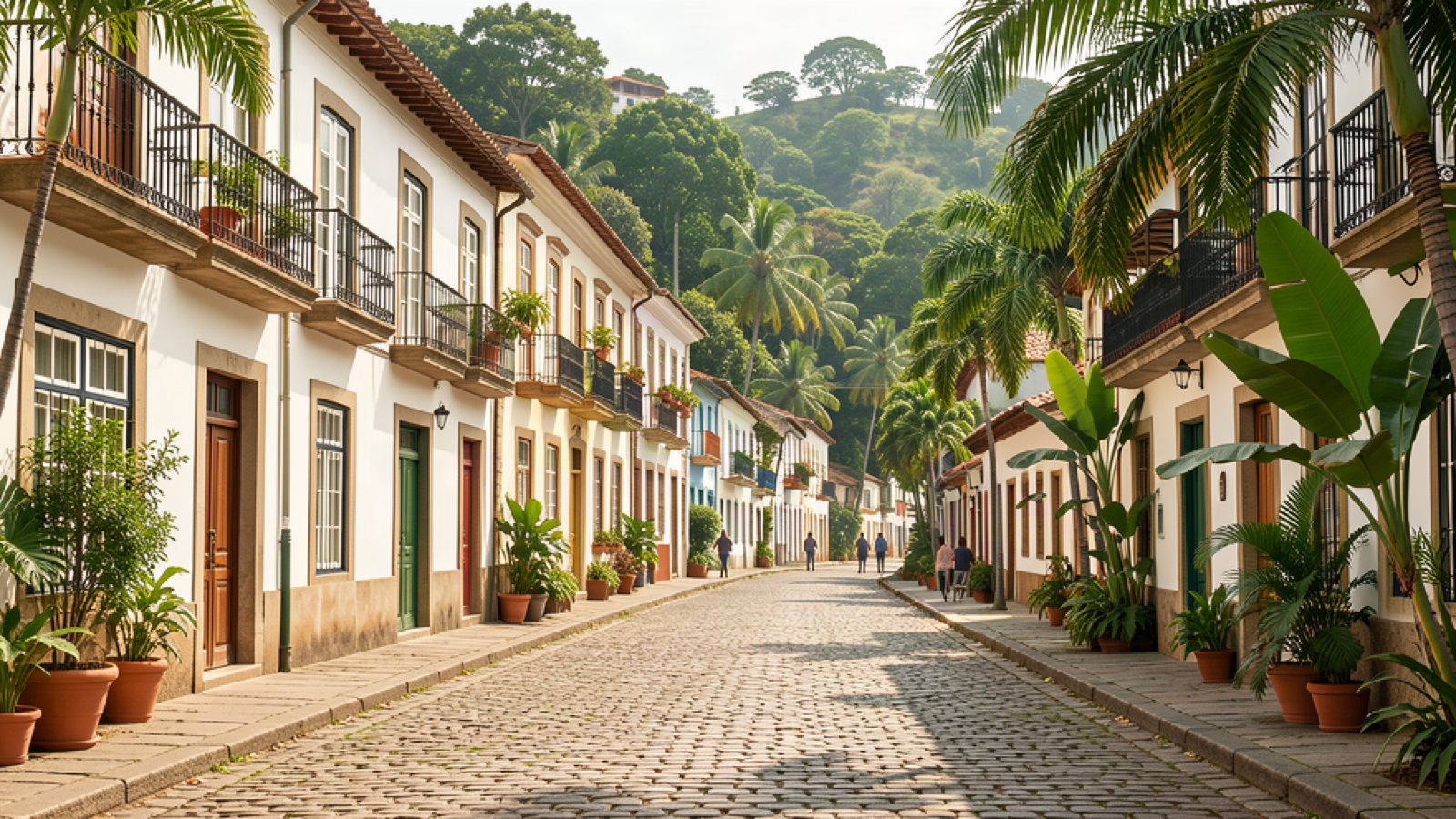
During the day, Santa Teresa is generally calm, especially along the main streets and around the sights covered above. Travelers and local guides consistently describe the neighborhood as comfortable to explore on foot in daylight, and it’s one of the more walkable hillside areas in Rio for that reason.
At night, the guidance changes. Multiple travel guides and traveler reports consistently recommend avoiding walking around Santa Teresa after dark, particularly alone or on quieter side streets, and suggest using a taxi or ride-hailing app instead of walking once the sun goes down. This isn’t a reason to avoid the neighborhood altogether — it’s about matching how you get around to the time of day.
The practical takeaway: plan your visit for daytime hours, keep an eye on your phone and camera the way you would in any dense urban neighborhood, and if you’re staying for dinner or drinks in the area, arrange transport back instead of walking.
Practical Tips Before You Go
- Wear comfortable, closed shoes — the cobblestones and hills are harder on sandals than they look.
- Visit in the morning or early afternoon, both for shorter tram lines and for the safety reasons above.
- Carry some cash in small amounts; not every stop along the way is set up for cards.
- Confirm the tram’s schedule and fare, along with the Museu Chácara do Céu’s hours, on the day of your visit — these details can change.
- Pair Santa Teresa with a visit to Lapa, since the Escadaria Selarón connects the two neighborhoods within a short walk.
If you have a free morning or early afternoon in Rio, Santa Teresa earns its place on the itinerary for the walk alone — few other neighborhoods in the city look quite like it. If your schedule only allows an evening visit, it’s worth pairing with a guided tour or arranged transport rather than skipping it altogether. Either way, treat the tram fare, museum hours, and safety guidance here as a starting point to confirm closer to your trip, since all three can shift over time.
Planning the rest of your trip? Use our Rio de Janeiro itinerary for first-time visitors and compare the logistics with our Christ the Redeemer and Sugarloaf Mountain guide.
Frequently Asked Questions About Santa Teresa
Is Santa Teresa worth visiting on a short trip to Rio de Janeiro?
For most first-time visitors with half a day to spare, yes — Santa Teresa’s colonial streets, tram, and hillside views offer a different side of Rio than the beaches or Christ the Redeemer, and the main sights can be covered in a single visit.
Is it safe to walk around Santa Teresa?
Generally yes during the day, especially on the main streets and around the popular sights. Travelers and local guides recommend avoiding walking alone on quiet streets after dark and using a taxi or ride-hailing app instead.
How much does the Santa Teresa tram cost?
A round trip costs somewhere around R$20, but fares can change, so it’s worth confirming the current price before your visit.
How long does it take to walk through Santa Teresa?
Covering the main route — the Escadaria Selarón, Largo do Guimarães, Parque das Ruínas, and the Museu Chácara do Céu — typically takes a couple of hours at a relaxed pace, not counting time spent browsing shops or studios along the way.
What is the best time of day to visit Santa Teresa?
Morning or early afternoon, which lines up with both shorter tram lines and the daytime safety guidance covered above.