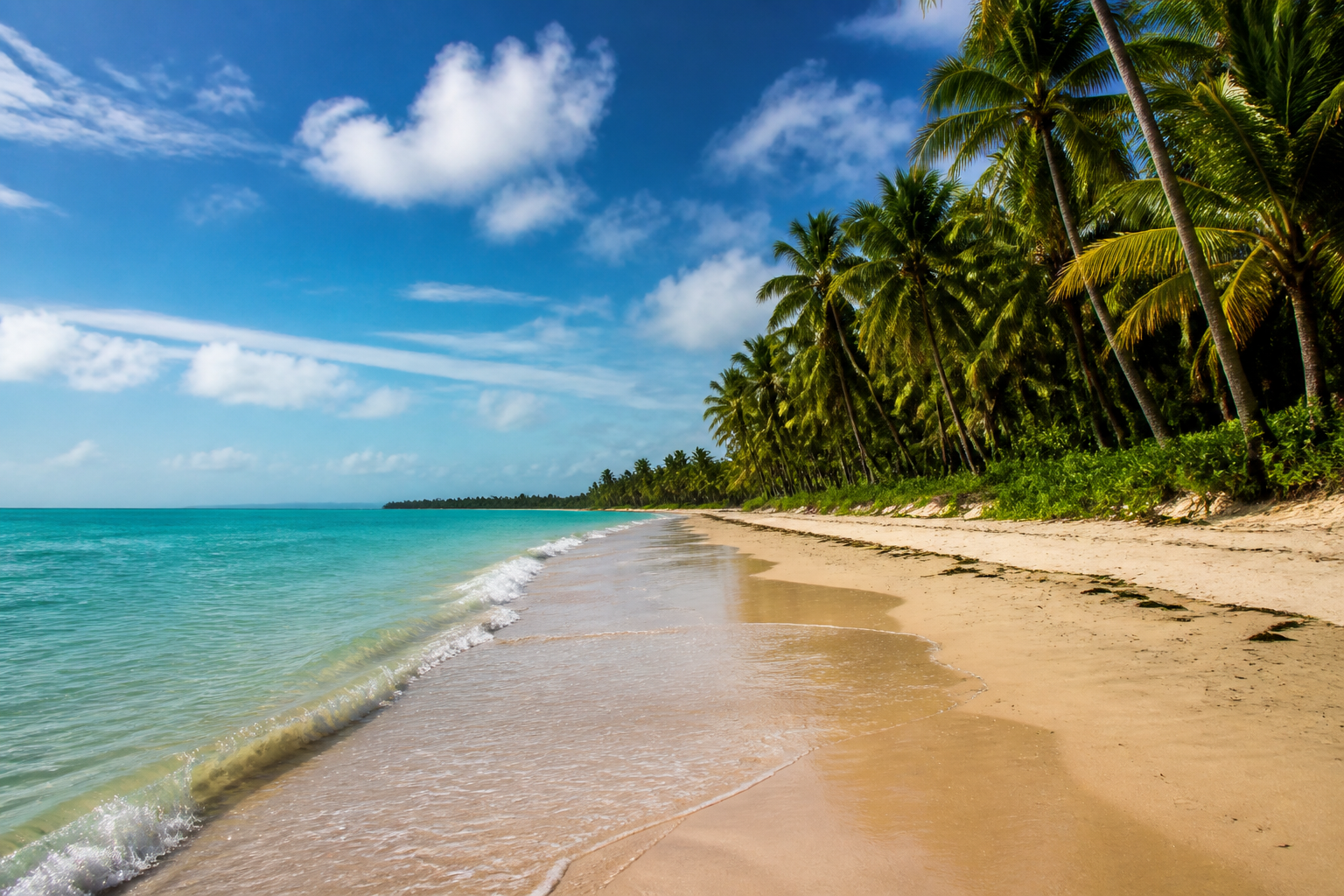
Three days is the ideal amount of time to experience João Pessoa. As the capital of Paraíba and the third-oldest capital city in Brazil, this coastal hub combines calm urban beaches, remarkably preserved 16th-century colonial architecture, and one-of-a-kind natural attractions. Unlike the fast-paced, high-rise skylines of larger northeastern hubs, João Pessoa has maintained a distinctly relaxed, green character shaped by strict coastal zoning and a lifestyle synchronized with the sun and sea.
Because João Pessoa sits at the easternmost point of the American continent, daylight begins very early. The sun rises around 5:00 AM year-round, prompting locals to start their mornings on the waterfront promenade before work. To help you make the most of your visit, this 3-day itinerary organizes the city logically by geography, ensuring you hit every major highlight—from coastal cliffs to baroque cloisters and river sunsets—without unnecessary backtracking.
Why João Pessoa Deserves a Dedicated 3-Day Trip
João Pessoa is widely regarded as one of Brazil’s greenest and most tranquil coastal capitals. Strict municipal regulations prohibit tall high-rises along the beachfront, preserving continuous ocean breezes, unobstructed daylight, and a direct visual connection to the Atlantic.
The city’s geographic position directly influences its daily rhythm. With first light breaking around 4:50 AM to 5:15 AM, the main beachfront avenue along Cabo Branco and Tambaú is closed entirely to vehicular traffic every single morning from 5:00 AM to 8:00 AM. During these early hours, the boulevard fills with runners, cyclists, walkers, and rollerbladers enjoying the cool ocean breeze. To experience the city like a local, plan on waking early, taking advantage of bright morning hours, and winding down your days with late-afternoon sunsets.
Day 1: Urban Beaches, the Easternmost Point of the Americas, and Tambaú
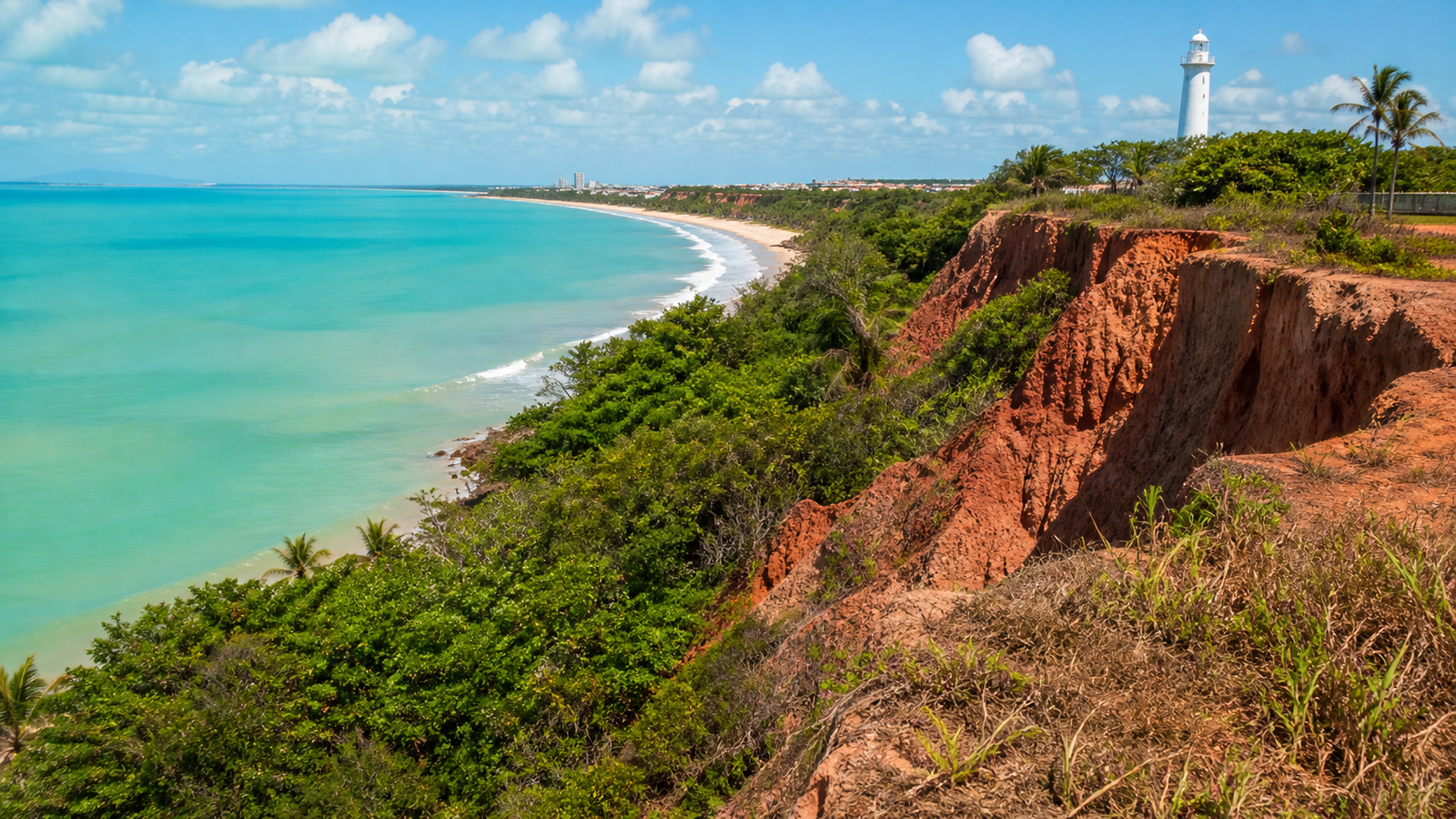
Your first day is dedicated to João Pessoa’s southern coastline, iconic geographic landmarks, and central beachfront neighborhoods.
Morning: Ponta do Seixas and Farol do Cabo Branco
Start your day by visiting Ponta do Seixas, the absolute easternmost continental point of the Americas. Official nautical surveys by the Brazilian Navy confirmed this low-lying sandy cape as the easternmost tip of continental South America. Approximately 800 meters to the north, perched atop the coastal cliffs, stands the Farol do Cabo Branco (Cabo Branco Lighthouse). Built in 1972 with a distinct triangular structure inspired by a sisal plant, the lighthouse area provides sweeping panoramic viewpoints over the turquoise ocean and the red clay cliffs below.
Afternoon: Cabo Branco and Tambaú Beachwalk
Head back toward the urban beaches of Cabo Branco and Tambaú. Both stretches feature calm, warm waters suitable for swimming, backed by wide pedestrian sidewalks shaded by coconut palms. Stop for lunch at one of the breezy beachfront kiosks (quiosques) to sample fresh grilled fish (peixada) or fried cheese (queijo coalho) while taking in the sea view.
Evening: Local Crafts at Tambaú
In the late afternoon and evening, browse the Mercado de Artesanato Paraibano (MAP) in Tambaú or the outdoor stalls at the Feirinha de Tambaú. These markets are excellent places to find authentic Paraíba cotton textiles, leather goods, handmade pottery, and fresh regional street food such as filled sweet or savory tapiocas.
Day 2: Historic João Pessoa, Baroque Grandeur, and Sunset Over Rio Sanhauá
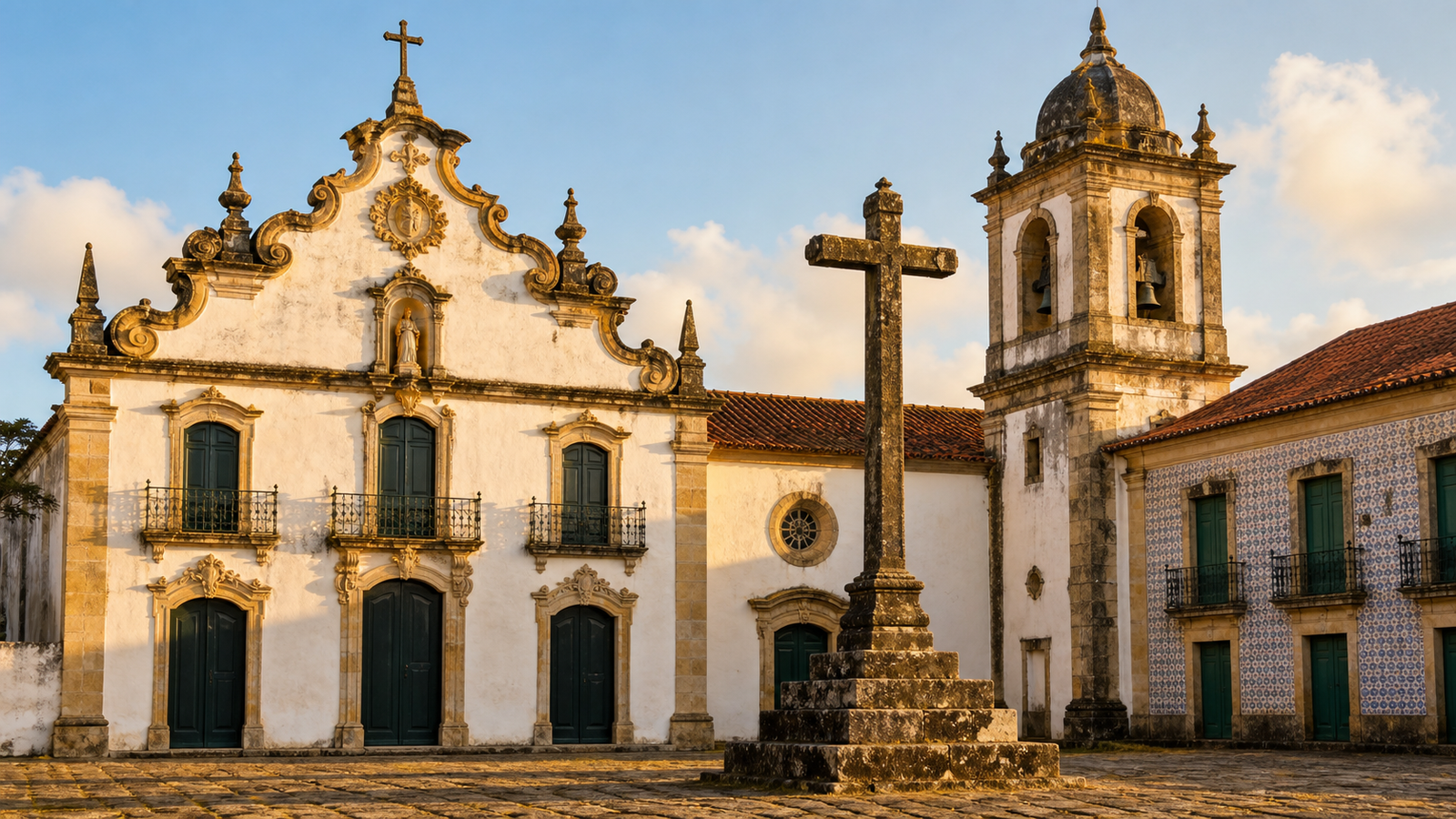
Day 2 turns inland to explore João Pessoa’s historic center, where cobblestone streets, pastel facades, and world-class colonial heritage await.
Morning: Centro Cultural São Francisco
Founded in 1585, João Pessoa is home to one of Brazil’s most significant historical architectural treasures: the Centro Cultural São Francisco (the Church and Convent of Santo Antônio). Initiated in 1589 and completed in the late 18th century, this expansive Franciscan complex features stunning baroque and rococo carvings, ornate gold leaf details, an intricately carved stone courtyard cross, and extensive panels of hand-painted Portuguese blue-and-white azulejos.
The monument is open to visitors Tuesday through Saturday from 9:00 AM to 5:00 PM (with a midday closure between 12:30 PM and 1:30 PM) and Sunday from 9:00 AM to 3:00 PM (closed on Mondays). Admission is R$ 24,00 for general entry and R$ 12,00 for half-price concession, purchased directly at the ticket window. Plan to spend at least 1.5 to 2 hours exploring the cloisters, chapel, and sacred art collection.
Midday: Praça Antenor Navarro and Colonial Streets
After your visit, take a short stroll to Praça Antenor Navarro, a charming square flanked by brightly colored colonial buildings and historic townhouses. Nearby, the Theatro Santa Roza (opened in 1889) stands as one of Brazil’s oldest operating theaters.
Late Afternoon: Sunset at Hotel Globo
Head to the historic Hotel Globo, located on Praça São Frei Pedro Gonçalves. Constructed in 1928 and now operating as a cultural exhibition center with free admission (open daily from 8:00 AM to 5:00 PM), the building features a tranquil rear garden and stone terrace overlooking the wide, winding valley of the Rio Sanhauá. Arrive by 4:30 PM to watch the golden sunset light illuminate the river and tropical wetlands.
Practical Safety Note: The historic center is safe and welcoming during daytime business hours (9:00 AM to 4:30 PM). Because downtown streets empty out in the evening, use ride-hailing apps (Uber or 99) for door-to-door transit between your beachfront hotel and the colonial core.
Day 3: Low-Tide Natural Pools and the Boléro de Ravel Sunset at Praia do Jacaré
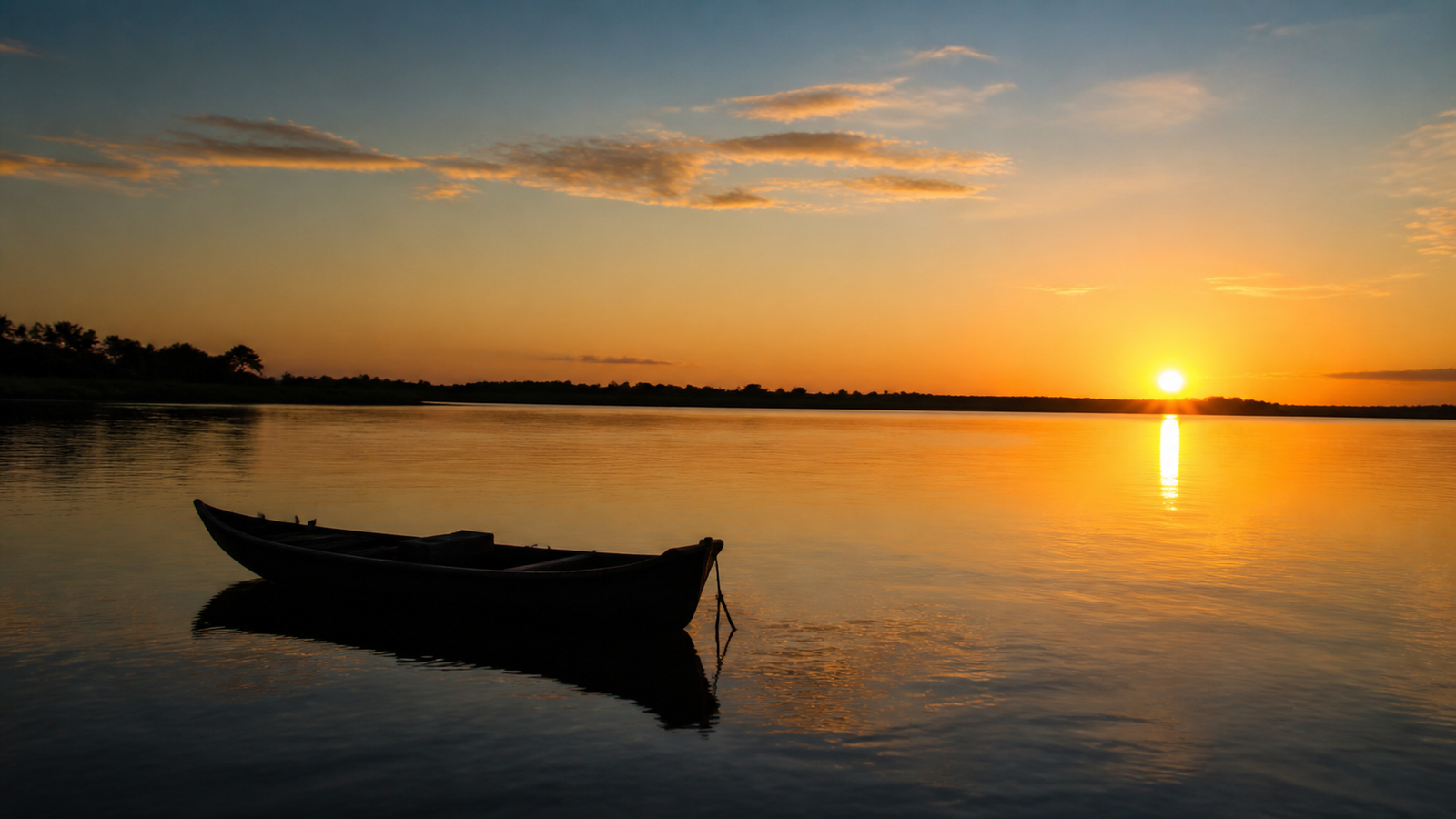
Day 3 combines natural ocean wonders with Paraíba’s most famous musical tradition.
Morning: Offshore Coral Reefs (Picãozinho or Areia Vermelha)
João Pessoa’s coastal reefs form crystal-clear natural swimming pools when the ocean tide recedes. Depending on where you embark, you have two primary options:
- Picãozinho: Coral reefs situated approximately 1.5 km off Tambaú beach, where catamarans anchor over shallow reefs filled with colorful tropical fish (catamaran tickets cost ~R$ 50 to R$ 70 per person).
- Areia Vermelha: A protected State Marine Park featuring a temporary red sandbank that emerges 1.5 km off Camboinha beach in neighboring Cabedelo (boat transfers cost ~R$ 50 to R$ 60 per person).
Crucial Tide Rule: These excursions operate strictly during low tide—specifically when the water level drops to 0.5 meters or lower, typically occurring during new moon and full moon cycles. Because low tide shifts by 30 to 50 minutes each day, check the official Marinha do Brasil tide table (Tábua de Marés for Cabedelo) before booking your boat trip.
Late Afternoon: Sunset and Live Saxophone at Praia do Jacaré
In the late afternoon, head to Praia do Jacaré along the Rio Paraíba in Cabedelo (about a 20 to 25-minute drive from Tambaú). Every day around 5:00 PM as the sun dips beneath the western horizon over the river, local musician Jurandy do Sax glides across the water in a small wooden canoe, performing a synchronized rendition of Maurice Ravel’s Boléro on his saxophone.
You can enjoy this performance completely free of charge from the public wooden boardwalk, which is lined with artisan souvenir shops, cozy snack stands, and riverfront cafes. Alternatively, sunset catamarans run river cruises for approximately R$ 45 to R$ 60 per person. Arrive around 4:00 PM to secure a prime viewing spot and browse the local craft stalls before the music begins.
Practical Planning: Timing, Budget, Getting Around, and Where to Eat
To ensure a smooth trip, keep these practical travel factors in mind:
- Where to Stay: The beachfront neighborhoods of Tambaú and Cabo Branco offer the best base for first-time visitors, placing you within easy walking distance of beach kiosks, dining options, and evening strolls.
- Getting Around: Ride-hailing apps like Uber and 99 operate extensively and reliably throughout João Pessoa. A typical ride between beachfront hotels and the historic center or Praia do Jacaré costs between R$ 15,00 and R$ 28,00.
- What to Eat: Don’t leave without tasting authentic Paraíba specialties:
- Rubacão: A creamy, comforting traditional dish combining rice, brown beans, sun-dried beef (carne de sol), curd cheese (queijo coalho), and cream.
- Carne de Sol com Macaxeira: Tender cured beef served with boiled or fried cassava.
- Cartola: A classic dessert made of pan-fried bananas topped with melted curd cheese, sugar, and cinnamon.
- Estimated Daily Dining Budget: Budget approximately R$ 70 to R$ 150 per person per day to comfortably cover casual beach kiosk lunches, refreshments, and sit-down evening meals at local restaurants.
João Pessoa 3-Day Itinerary Summary & Estimated Costs (2026)
| Day | Focus & Key Highlights | Recommended Timing | Estimated Admission / Tour Cost (per person) |
|---|---|---|---|
| Day 1 | Ponta do Seixas, Cabo Branco Lighthouse, Tambaú Beach & MAP Crafts | 08:30 – 19:00 | Free entry (Beaches, Farol & Markets) |
| Day 2 | Historic Center, Centro Cultural São Francisco & Hotel Globo Sunset | 09:00 – 17:30 | R$ 24,00 (São Francisco ticket); Hotel Globo free |
| Day 3 | Picãozinho / Areia Vermelha Marine Pools + Jacaré River Sunset Sax | Low-tide window + 16:00 Jacaré | R$ 50-70 (Boat trip); Boardwalk free (Catamaran R$ 45-60) |
Frequently Asked Questions
How many days do you need in João Pessoa?
Three full days is the optimal amount of time to experience João Pessoa’s core attractions without feeling rushed. This allows one dedicated day for the urban coastline and the easternmost point of the Americas, one day for the historic colonial center, and one day for low-tide reef excursions and the famous Jacaré river sunset. If you have four or five days, you can easily add day trips to Paraíba’s stunning southern beaches like Coqueirinho and Tambaba.
Is João Pessoa safe for foreign tourists?
João Pessoa is widely recognized as one of the safest and most pleasant state capitals in Northeast Brazil. The beachfront neighborhoods of Tambaú, Cabo Branco, and Manaíra are exceptionally safe, active, and well-lit for walking during both day and night. When visiting the Historic Center (Centro/Varadouro), explore during daytime business hours (9:00 AM to 4:30 PM) and use ride-hailing apps (Uber or 99) for quick door-to-door transit between your hotel and monuments.
What is the best month to visit João Pessoa?
The best time to visit João Pessoa is during the dry, sunny season from September through March. During these months, rainfall is minimal, ocean visibility is at its clearest for snorkeling at natural pools, and cooling sea breezes keep tropical temperatures comfortable. The regional rainy season typically falls between April and July.
How do you check tides for natural pools in João Pessoa?
You can check the daily tide tables published online by the Brazilian Navy (Marinha do Brasil) for the Port of Cabedelo / João Pessoa. Excursions to Picãozinho and Areia Vermelha only operate when the tide level reaches 0.5 meters or lower. These optimal low tides occur twice a day around the new moon and full moon phases.
Do you need to book a boat tour to see the sunset at Praia do Jacaré?
No, booking a boat tour is not required. You can watch Jurandy do Sax perform Ravel’s Boléro for free from the public wooden boardwalk along the riverfront in Cabedelo. Paid catamaran cruises (around R$ 45 to R$ 60 per person) are available for travelers who prefer watching the sunset from the water, where musicians often board the boat for a close-up performance.