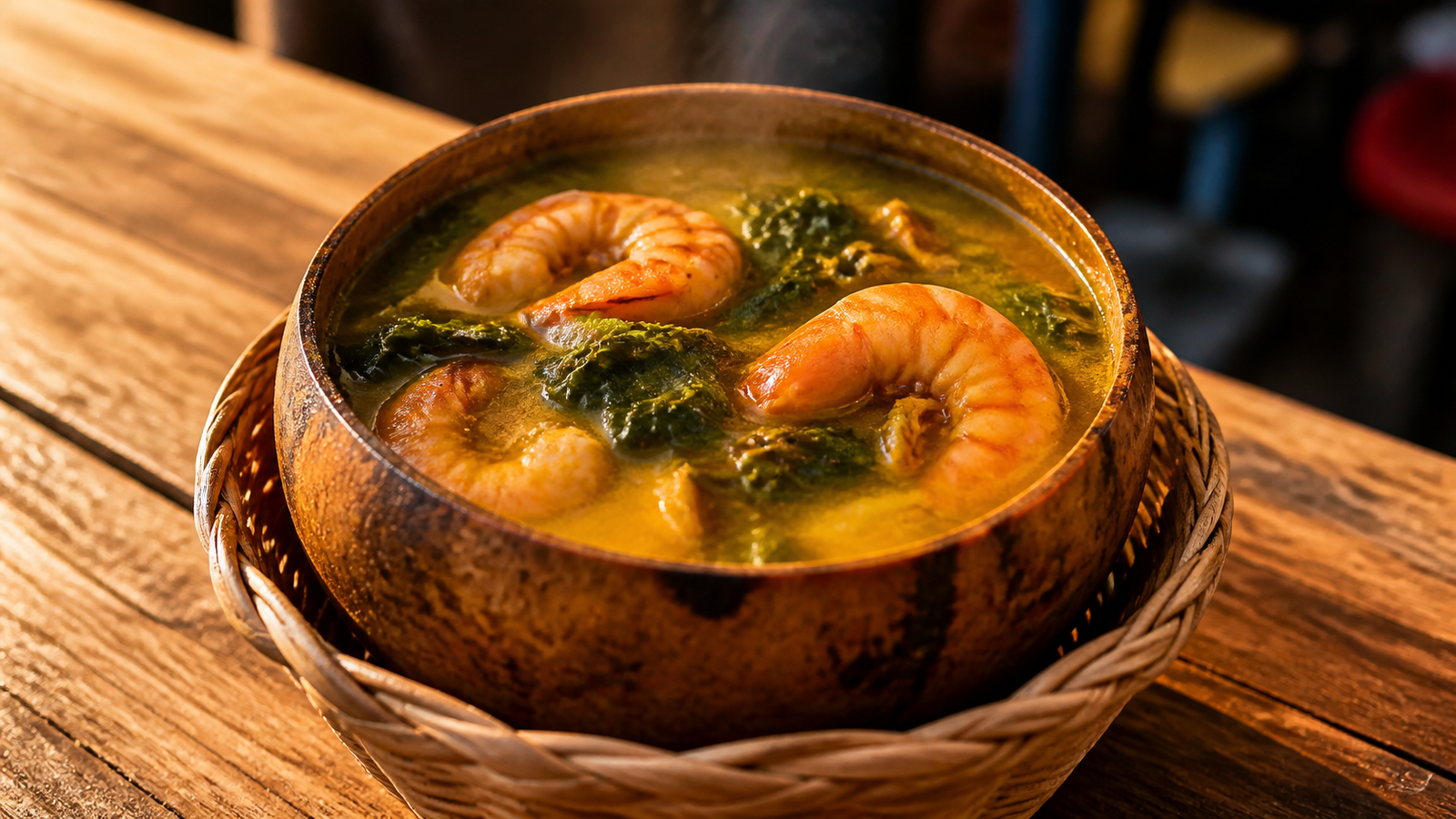
Belém is the undisputed culinary capital of the Brazilian Amazon, designated by UNESCO as a Creative City of Gastronomy for an indigenous food heritage found nowhere else on the planet. Walking through the city in the late afternoon, you will notice a distinct ritual: street corners buzzing as locals gather around steaming cauldrons, sipping golden broths from natural dried gourds beneath the canopy of towering mango trees.
For international visitors, dining in Belém is an exhilarating sensory adventure. Unlike the sweet, heavily processed smoothie bowls common in Western cities, authentic Pará gastronomy is savory, herbal, deeply comforting, and electrified by native ingredients like tongue-tingling jambu leaves and rich yellow tucupi broth. Best of all, Belém remains remarkably accessible, allowing travelers to feast on heritage street food for under $6 USD or dine on gourmet river fish overlooking Guajará Bay for under $20 USD per person.
The Holy Trinity of Belém Food: What to Expect Before Your First Bite
To truly understand Belém’s food culture, every traveler needs to experience the three defining pillars of Pará cuisine: tacacá, maniçoba, and authentic açaí.
1. Tacacá (The Electric Amazonian Soup): Served piping hot in a polished natural gourd called a cuia, tacacá is a masterclass in balance. The base is tucupi—a vibrant yellow broth extracted from wild manioc root and boiled with Amazonian chicory, garlic, and wild herbs. Floating in the broth is a silky layer of translucent cassava starch (goma de mandioca), whole salted jumbo river shrimp, and generous sprigs of jambu (Acmella oleracea). Jambu contains a natural bioactive compound called spilanthol, which produces an unmistakable electric tingling and mild numbing sensation across your lips and tongue. It is refreshing, aromatic, and deeply addictive.
2. Maniçoba (The Seven-Day Amazonian Stew): Often described as the Amazonian counterpart to Brazilian feijoada, maniçoba replaces black beans with finely ground leaves of the bitter cassava plant (maniva). Because raw maniva contains naturally occurring hydrocyanic acid (cyanide), culinary tradition requires it to be boiled continuously in massive pots for at least seven full days. This patient slow-cooking completely neutralizes the toxin and breaks the leaves down into a rich, dark green, deeply savory stew loaded with smoked bacon, pork ribs, sausages, and salted beef. It is traditionally served with fluffy white rice, toasted manioc flour (farofa), and hot pepper sauce.
3. Authentic Pará Açaí (The Savory Lunch Staple): In Belém, açaí is not a frozen dessert with granola, peanut butter, or banana. Fresh açaí berries are picked in the rainforest, brought to riverside markets before dawn, and processed daily into a thick, glossy, purple pulp served at room temperature or slightly chilled. Locals eat pure, unsweetened açaí as a hearty lunchtime accompaniment, pairing it with crispy fried freshwater fish—such as filhote (Amazonian goliath catfish) or dourada—or sun-dried salted beef (charque), sprinkled generously with crunchy farinha d’água (water-toasted cassava flour) or light tapioca pearls.
How to Eat Like a Local: Crucial Etiquette and Ordering Rules
Eating in Belém comes with a few cherished traditions. Following these simple cultural rules will instantly earn you the respect of local vendors and ensure the best tasting experience:
- Never Ask for a Spoon with Tacacá: Tacacá is traditionally drunk directly from the rim of the cuia using both hands. The vendor will hand you a small wooden toothpick (palito), which is used exclusively to spear the shrimp and jambu leaves from the broth. Sip slowly from the edge to savor the temperature and tucupi flavor.
- Keep Açaí Pure for Lunch: When ordering an açaí meal, do not request sweet syrups or toppings. Take a spoonful of thick purple açaí, add a pinch of crunchy farinha d’água for texture, and alternate each spoonful with a bite of hot, crispy fried fish. If you want sweet açaí, treat it as a separate afternoon bowl with a spoonful of raw sugar, but never mix sweets with fried fish.
- Watch for Shellfish Allergies: Both tacacá and regional vatapá (a rich, creamy shrimp and coconut puree seasoned with dendê oil) feature dried river shrimp. If you have a crustacean allergy, explicitly order tacacá sem camarão.
- Afternoon Timing is Sacred: While restaurants serve meals throughout standard lunch and dinner hours, street tacacazeira stalls operate primarily between 16:00 and 20:00, when the afternoon heat begins to break.
Budget Dining & Street Stalls: Tacacazeiras and Market Feasts (Under R$ 35 / $6 USD)
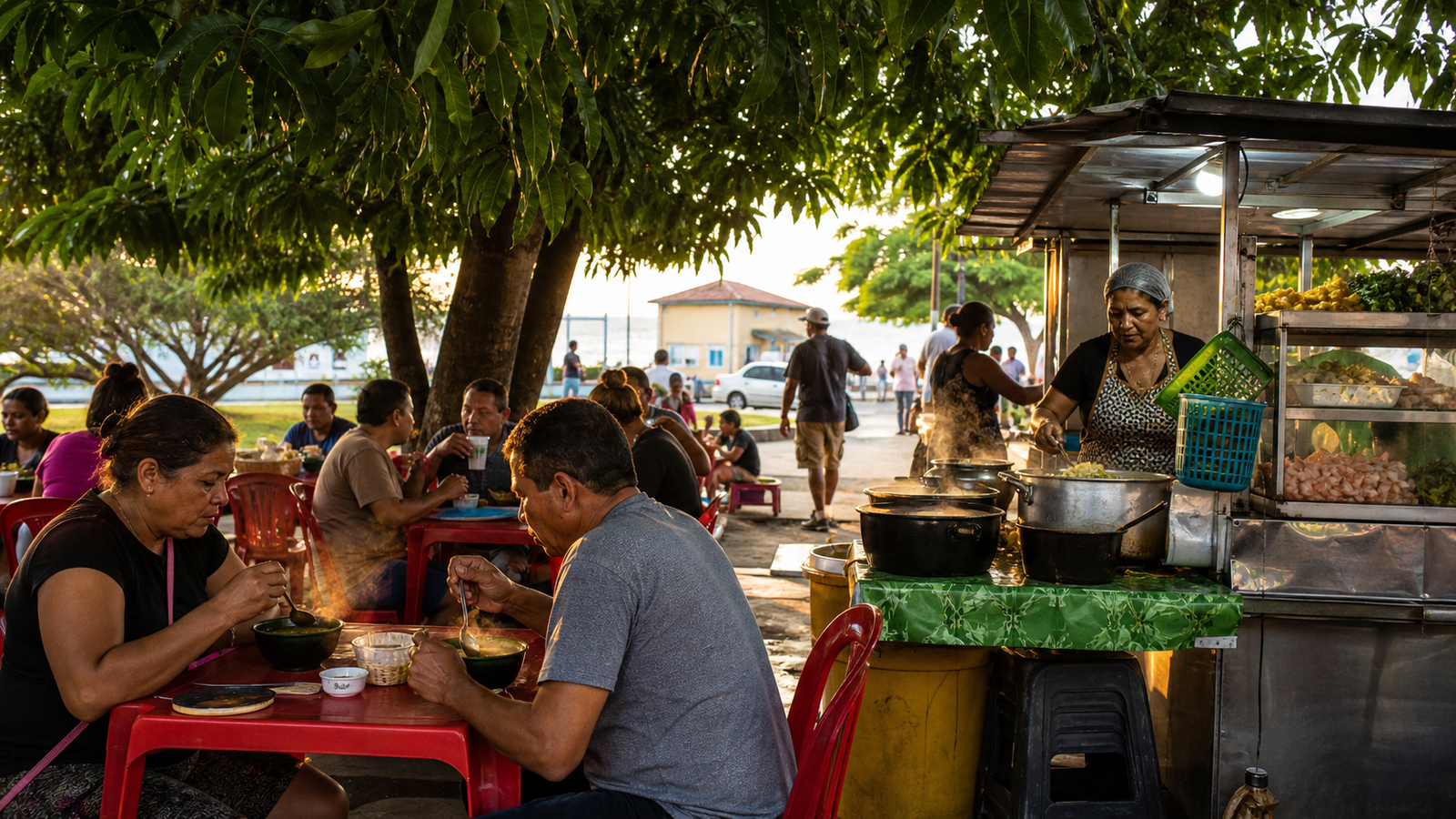
A traditional late-afternoon street tacacazeira stall in Belém, where locals gather for fresh tacacá and vatapá (illustrative photo).
Belém’s street food stalls and open-air markets offer some of the most authentic, heritage-rich culinary experiences in South America for just a few Brazilian Reais.
Tacacá da Dona Maria (Nazaré): Situated on Avenida Nossa Senhora de Nazaré, 902 (directly across from Colégio Nazaré), this sidewalk stall is a living monument of Belém gastronomy. Founded by the beloved Maria do Carmo Pompeu dos Santos and operating daily from 16:00 to 20:00, Dona Maria’s stall is revered for its exceptionally smooth, well-balanced tucupi broth. A steaming cuia of tacacá costs approximately R$ 25.00 ($4.50 USD). Be sure to also try their creamy vatapá (R$ 25.00) and freshly baked cassava cake (bolo de macaxeira, R$ 10.00) while sitting on the sidewalk plastic chairs.
Tacacá do Renato (Batista Campos & Praça Brasil): With popular locations across Belém, including Rua dos Mundurucus, 1806 (facing Praça Batista Campos) and Travessa Pombal, 210 (facing Praça Brasil), Renato is a beloved institution. In addition to first-rate tacacá (R$ 25.00–R$ 30.00), Renato serves individual portions of hot maniçoba and vatapá, along with gigantic, freshly fried crab croquettes (unha de caranguejo, R$ 15.00–R$ 22.00).
Mercado Ver-o-Peso Market Stalls (Cidade Velha): Inside the bustling Mercado Ver-o-Peso along the Guajará Bay docks, the covered fish food stalls (Box de Peixe Frito) serve the quintessential Belém working-class lunch. For R$ 20.00 to R$ 35.00 ($3.50 to $6.00 USD), you receive a generous plate of golden fried pescada-amarela or filhote served with a bowl of freshly pressed, room-temperature açaí, farinha d’água, and lime wedges.
Mid-Range Traditional Eateries: Hearty Plates & Authentic Açaí (R$ 45–R$ 80 / $8–$15 USD)
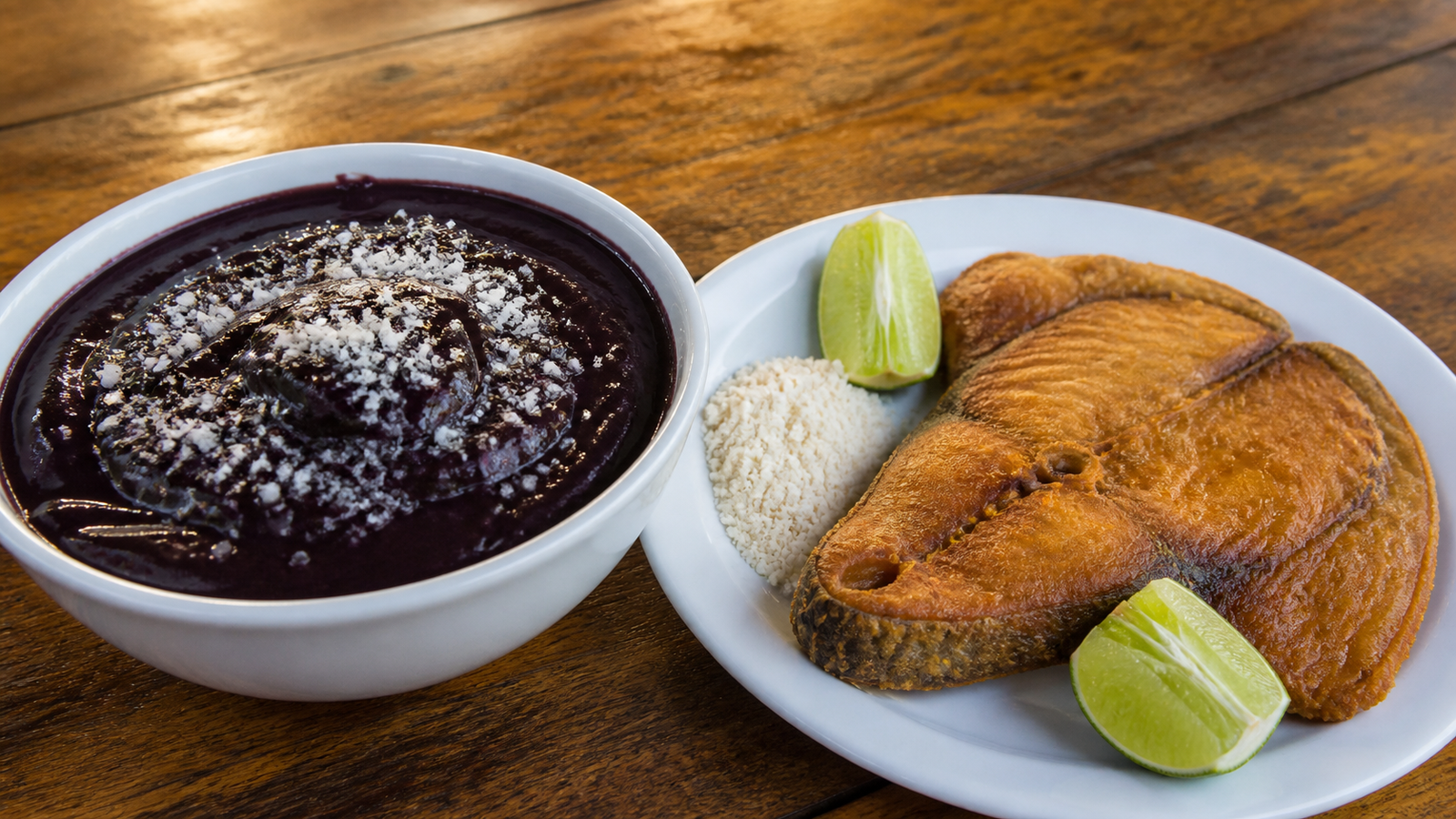
Authentic Pará açaí is savory, served pure and thick alongside crispy fried river fish and farinha d’água (illustrative photo).
For visitors seeking air-conditioned comfort, expansive regional menus, and table service without breaking the bank, Belém’s traditional casual restaurants offer generous portions perfect for lunch after sightseeing.
Point do Açaí (Cidade Velha): Located in a historic mansion at Boulevard Castilhos França, 744 (near the docks) and Rua Veiga Cabral, 450, Point do Açaí is the gold standard for travelers wanting to experience authentic Pará açaí in a comfortable, beautifully decorated colonial setting. Their signature platters feature thick organic açaí paired with grilled filhote, crispy pirarucu, or savory charque, costing between R$ 45.00 and R$ 75.00 ($8.00 to $13.50 USD) per person. They also offer multi-dish tasting combinations (Menu Pai d’Égua) allowing newcomers to sample maniçoba, vatapá, and river fish in one meal.
Tomaz Culinária do Pará (Reduto & Marco): If you want to sample maniçoba prepared with strict traditional oversight, Tomaz is a local favorite. Serving hearty individual portions (R$ 40.00–R$ 60.00) and generous sharing platters with white rice, farofa de castanha, and spicy tucupi sauce, it provides a welcoming environment to dive into Amazonian comfort food.
Upscale & Scenic Dining: Tapajós Flavors and Bayfront Settings (R$ 120–R$ 220 for Two)
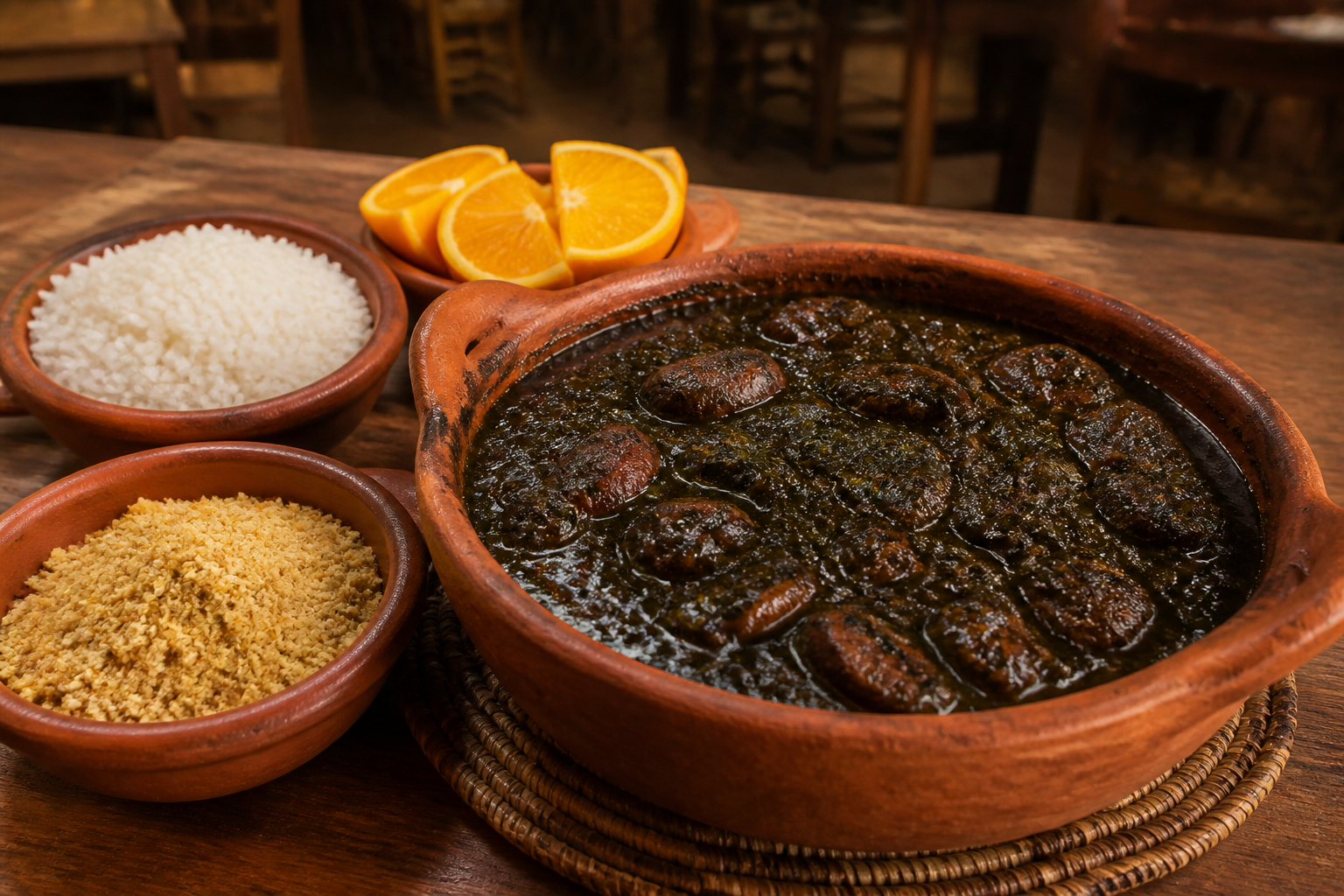
Traditional maniçoba, slowly boiled for seven full days to create a rich, savory Amazonian stew (illustrative photo).
Belém’s high-end dining scene celebrates Amazonian biodiversity through refined techniques, historic architecture, and breathtaking bay views. Note: Travelers should be aware that the historic restaurant Lá em Casa inside the Estação das Docas permanently closed its physical restaurant in 2021; top honors for scenic and chef-driven dining now belong to the following active venues:
Casa do Saulo das Onze Janelas (Cidade Velha): Set inside the restored 18th-century hospital fortress of Casa das Onze Janelas on Rua Siqueira Mendes, Chef Saulo Jennings brings the vibrant cuisine of the Tapajós River to Belém. Diners enjoy panoramic views of Guajará Bay while feasting on grilled filhote topped with Brazil nut cream (creme de castanha-do-pará), wild shrimp, and sweet plantains. Shared main courses for two to three people range between R$ 120.00 and R$ 200.00 ($22.00 to $36.00 USD), with excellent weekday executive lunch menus available for approximately R$ 55.00 ($10.00 USD).
Remanso do Peixe (Marco): Hidden in the residential Marco district at Travessa Barão do Triunfo, 2590, Remanso do Peixe was created by the pioneering Castanho family (including celebrated Chef Thiago Castanho). Renowned internationally for its mastery of river fish, the kitchen prepares whole roasted filhote over charcoal, clay-pot moqueca paraense with tucupi and jambu, and delicate Amazonian fruit desserts made with cupuaçu and bacuri. A full meal for two with drinks typically costs between R$ 140.00 and R$ 220.00 ($25.00 to $40.00 USD).
Belém Dining at a Glance: Budget, Specialties, and Top Spots
Use this reference table to plan your dining budget and pick the right spots for every meal of your Belém itinerary:
| Dining Category | Price Range (BRL) | Signature Dishes | Top Recommended Venues | Best For |
|---|---|---|---|---|
| Street Stalls (Tacacazeiras) | R$ 25 – R$ 35 per cuia | Tacacá, Vatapá, Bolo de macaxeira | Tacacá da Dona Maria (Nazaré), Tacacá do Renato | Late-afternoon cultural snacking (16:00–20:00) |
| Market Eateries | R$ 20 – R$ 35 per meal | Fried filhote or pescada with fresh açaí | Mercado Ver-o-Peso fish stalls | Bustling, authentic morning and midday meals |
| Traditional Mid-Range | R$ 45 – R$ 80 per person | Authentic thick açaí + fish, Maniçoba | Point do Açaí (Cidade Velha), Tomaz | Relaxed, air-conditioned sit-down lunches |
| Upscale & Scenic Dining | R$ 120 – R$ 220 for two | Grilled filhote with castanha cream, Pirarucu | Casa do Saulo das Onze Janelas, Remanso do Peixe | Special waterfront dinners & chef-driven tasting |
Frequently Asked Questions About Eating in Belém
What does jambu in tacacá feel like, and is it safe to eat?
Jambu contains spilanthol, a harmless natural plant compound that creates a refreshing tingling, buzzing, and mild numbing sensation across your lips and tongue along with slight salivation. It is completely safe, highly prized in Amazonian gastronomy, and dissipates naturally after a few minutes.
Is maniçoba safe for tourists to eat?
Yes, traditional maniçoba is completely safe. While raw cassava leaves (maniva) contain toxic hydrocyanic acid, traditional Pará preparation mandates boiling the leaves continuously for at least seven full days, which completely evaporates the toxin and leaves a rich, intensely flavorful, dark stew.
How is authentic açaí eaten in Belém compared to Western smoothie bowls?
In Belém, authentic açaí is served pure, thick, and unsweetened at room temperature or lightly chilled. It is eaten as a savory lunchtime staple alongside fried river fish or dried beef (charque) and sprinkled with crunchy water-toasted manioc flour (farinha d’água), rather than blended with guarana syrup, granola, and sweet fruit.
How do you properly drink tacacá without a spoon?
Tacacá is traditionally served in a natural dried gourd (cuia). You cup the cuia in both hands and sip the hot yellow broth directly from the rim. Use the provided wooden toothpick only to spear the jumbo shrimp and leafy jambu from the bottom of the gourd.
Do food stalls and restaurants in Belém accept credit cards and PIX?
Nearly all established restaurants, cafes, and famous street stalls (including Tacacá da Dona Maria and Tacacá do Renato) accept major credit/debit cards and PIX mobile payments. However, carrying R$ 30 to R$ 50 in cash is helpful when dining at smaller market stands inside Mercado Ver-o-Peso.
Final Culinary Tips for Your Belém Trip
Belém proves that world-class gastronomy does not require fine-dining prices. The true essence of Amazonian cooking lives in the patience of a seven-day maniçoba pot, the morning freshness of Ver-o-Peso açaí, and the warm community spirit around a sidewalk tacacazeira stall.
Start your culinary journey on your first afternoon by ordering a cuia of tacacá at Dona Maria in Nazaré, take your time sipping the tucupi broth from the rim, and embrace the tingling magic of the Amazon.