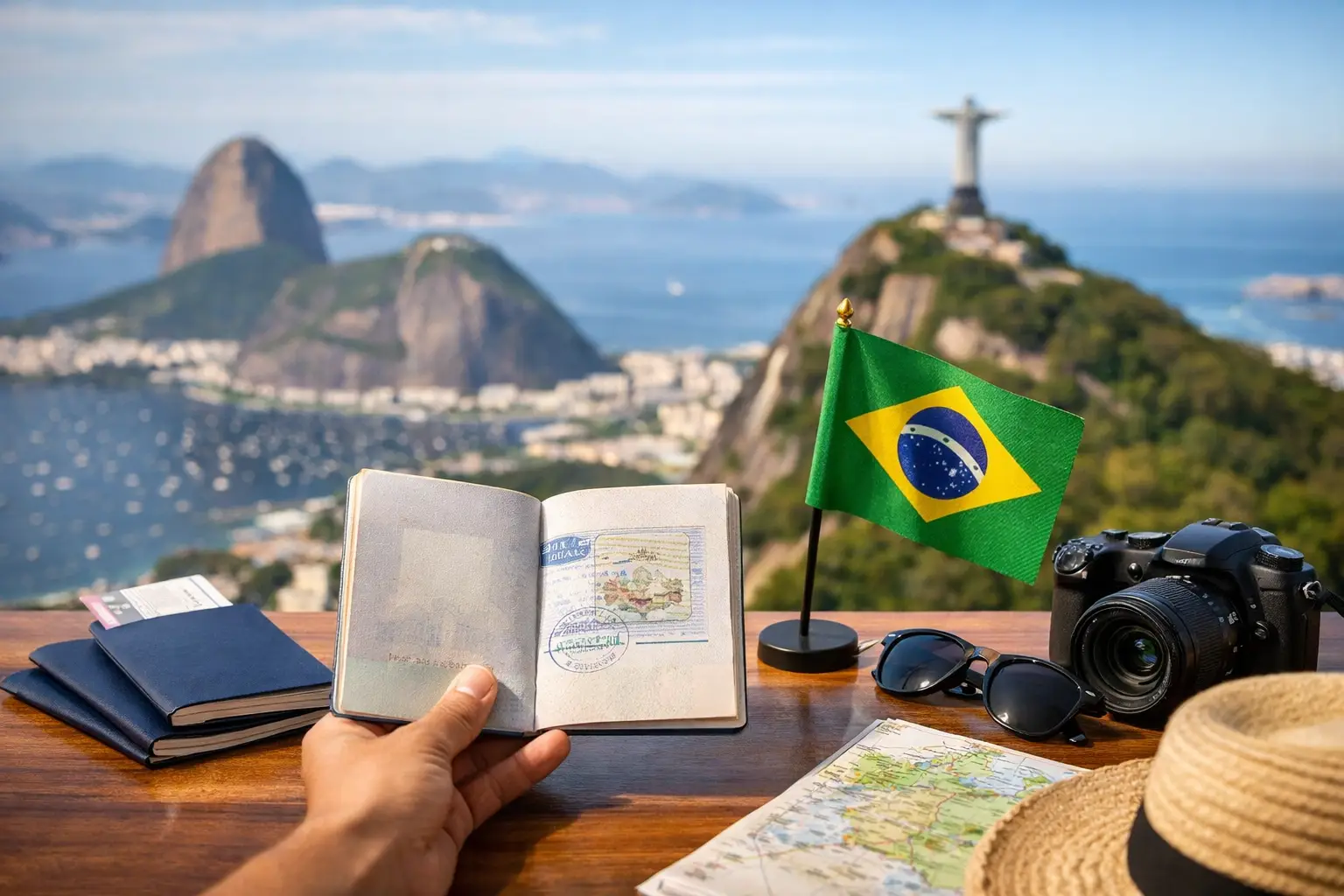
A Brazil trip can come together quickly – flights booked, hotels saved, beach plans taking shape – until one question stops everything: do you actually need a visa? Brazil visa requirements tourists need to follow depend mainly on nationality, passport type, and the purpose of the visit, so the right answer is not the same for every traveler.
For international visitors, the good news is that Brazil’s tourist entry rules are usually straightforward once you know where to look. The less helpful news is that visa policies can change, and travelers often rely on outdated advice from forums, social media, or old airline pages. If you are planning a vacation to Rio de Janeiro, the Amazon, Salvador, Iguazu Falls, or a multi-city trip across the country, it helps to understand the basics before you pack.
Brazil visa requirements for tourists at a glance
The first thing to check is whether your nationality is visa-exempt or visa-required for tourism. Brazil allows citizens of some countries to enter for tourism without applying for a visa in advance, while travelers from other countries must complete a tourist visa process before departure.
That distinction matters because Brazil does not treat all foreign visitors the same way. A US passport holder, a Canadian traveler, and a European Union traveler may face different requirements depending on current bilateral agreements. The practical takeaway is simple: your passport decides the starting point.
Even when a visa is not required, tourists still need to meet entry conditions. Immigration officers may ask for a valid passport, proof of onward or return travel, evidence of accommodation, and sometimes proof that you can financially support yourself during your stay. Visa-free does not mean documentation-free.
Who usually needs a visa to visit Brazil
If you are visiting Brazil for leisure, sightseeing, visiting friends, or general tourism, you are usually entering as a tourist rather than for business or long-term residence. That sounds obvious, but it matters because the visa category must match your real purpose of travel.
Some travelers assume they can enter as tourists and sort out work, study, or extended stays later. That is risky. Tourist permission is generally intended for short visits, not paid work or relocation. If your plans include anything beyond tourism, the correct entry route may be different.
For travelers who do need a visa, the most common path is an electronic visa or a consular tourist visa, depending on nationality and current Brazilian policy. An e-visa is typically simpler and faster, but it is only available to eligible passport holders when Brazil offers that option for their country. Other travelers may need to apply through a Brazilian consulate or embassy and submit supporting documents.
Common documents tourists may need
Whether you need a visa or not, Brazil may require you to show standard travel documents at check-in or on arrival. In most cases, tourists should be prepared with a passport that remains valid for the required period, though airlines and immigration authorities can apply specific rules differently, so checking the current validity standard before travel is wise.
You should also be ready to present your return or onward ticket. This is one of the most common pieces of evidence requested because it shows that your visit is temporary. If you are entering Brazil and later traveling onward to another South American country, have those reservations easy to access.
Accommodation details are also useful. That can mean hotel bookings, a vacation rental confirmation, or an invitation and address if you are staying with friends or family. Border officers do not always ask for every document, but if they do, vague answers can create unnecessary delays.
Proof of financial means may also come up. This does not always require a formal bank letter, but you should be able to show that you can cover your trip. Recent statements, credit cards, or other clear evidence may help if questions arise.
How long tourists can stay in Brazil
One of the most misunderstood parts of Brazil visa requirements tourists research is length of stay. A visa or visa exemption does not always guarantee a long visit. The permitted stay depends on your nationality, the type of authorization you received, and the decision recorded at entry.
For many tourists, Brazil allows short stays measured in days rather than months of open-ended travel. In some cases, visitors may be admitted for up to 90 days, with the possibility of extension depending on immigration rules. In other cases, the total allowed stay across a 12-month period may be capped.
This is where assumptions cause problems. Travelers sometimes see that a visa is valid for several years and think they can remain in Brazil the entire time. That is not how tourist validity usually works. A visa validity period often refers to the time window during which you can use it to seek entry, not the number of days you can remain in the country on one trip.
If you hope to stay longer than a typical vacation, confirm both the initial stay length and whether extensions are possible. Overstaying can lead to fines, travel disruptions, or complications on future visits.
Applying for a Brazil tourist visa
If your nationality requires a visa, start early. Processing times vary by country, season, and application method. Around major holiday periods and school vacation months, demand can rise and waiting times may stretch.
Most tourist visa applications ask for the basics first: passport details, travel dates, purpose of visit, and supporting documents. Depending on the process available in your country, you may need a digital upload, an in-person appointment, or both. Photos, completed forms, proof of travel arrangements, and payment of a visa fee are all common parts of the process.
Accuracy matters more than people expect. Small inconsistencies between your form, passport, and bookings can slow approval. If your hotel booking shows one arrival date and your application shows another, fix it before submitting. Clear, matching information makes the process easier.
It is also smart not to leave your visa application until after you have committed to expensive nonrefundable bookings. Brazil is a destination worth planning ahead for, and a little breathing room reduces stress if additional documents are requested.
Arrival rules that can affect entry
Having a visa does not guarantee automatic admission. Final entry decisions are typically made by immigration authorities when you arrive. That is standard practice in many countries, and Brazil is no exception.
In practical terms, most genuine tourists with proper documents have no issue. Still, officers may ask where you are staying, how long you plan to remain, and what you intend to do in Brazil. Simple, consistent answers help. If you are visiting for tourism, say so clearly.
Travelers should also pay attention to health-related entry rules. Depending on global public health conditions or your travel history, documentation requirements can change. Some trips, especially those involving the Amazon region or border areas, may also raise questions about recommended vaccines. These are not always immigration requirements, but they can affect travel planning.
Mistakes travelers make with Brazil entry requirements
The most common mistake is assuming that rules for one nationality apply to all. A friend from France may not need what a traveler from the United States or Australia needs. Always match the rule to the passport you will actually use.
The second mistake is relying on old information. Brazil periodically updates visa policies in response to diplomatic agreements and government decisions. A blog post from two years ago may no longer reflect current requirements.
Another issue is confusing transit, business, and tourism. If you are entering Brazil for a cruise, a regional flight connection, or a mixed-purpose trip, confirm which rules apply. It depends on whether you will pass through immigration, leave the airport, and what activities you plan to do once in the country.
Finally, some travelers forget the airline factor. Airlines check entry eligibility before boarding because they can be fined for transporting passengers without the right documents. That means you may be stopped before you ever reach Brazil if your paperwork is incomplete.
A simple way to prepare
Before booking your final itinerary, confirm whether your nationality needs a visa for tourism in Brazil. Then check passport validity, gather proof of onward travel and accommodations, and review the allowed length of stay. If a visa is required, apply early and make sure every document tells the same story.
Brazil rewards good planning. Once your entry requirements are sorted, the rest of the trip becomes much more enjoyable – whether you are heading for Rio’s coastline, the colonial streets of Paraty, the dunes of Lençóis Maranhenses, or the rainforest north of Manaus. If you treat visa rules as the first step of the journey rather than an afterthought, you give yourself a much smoother start.