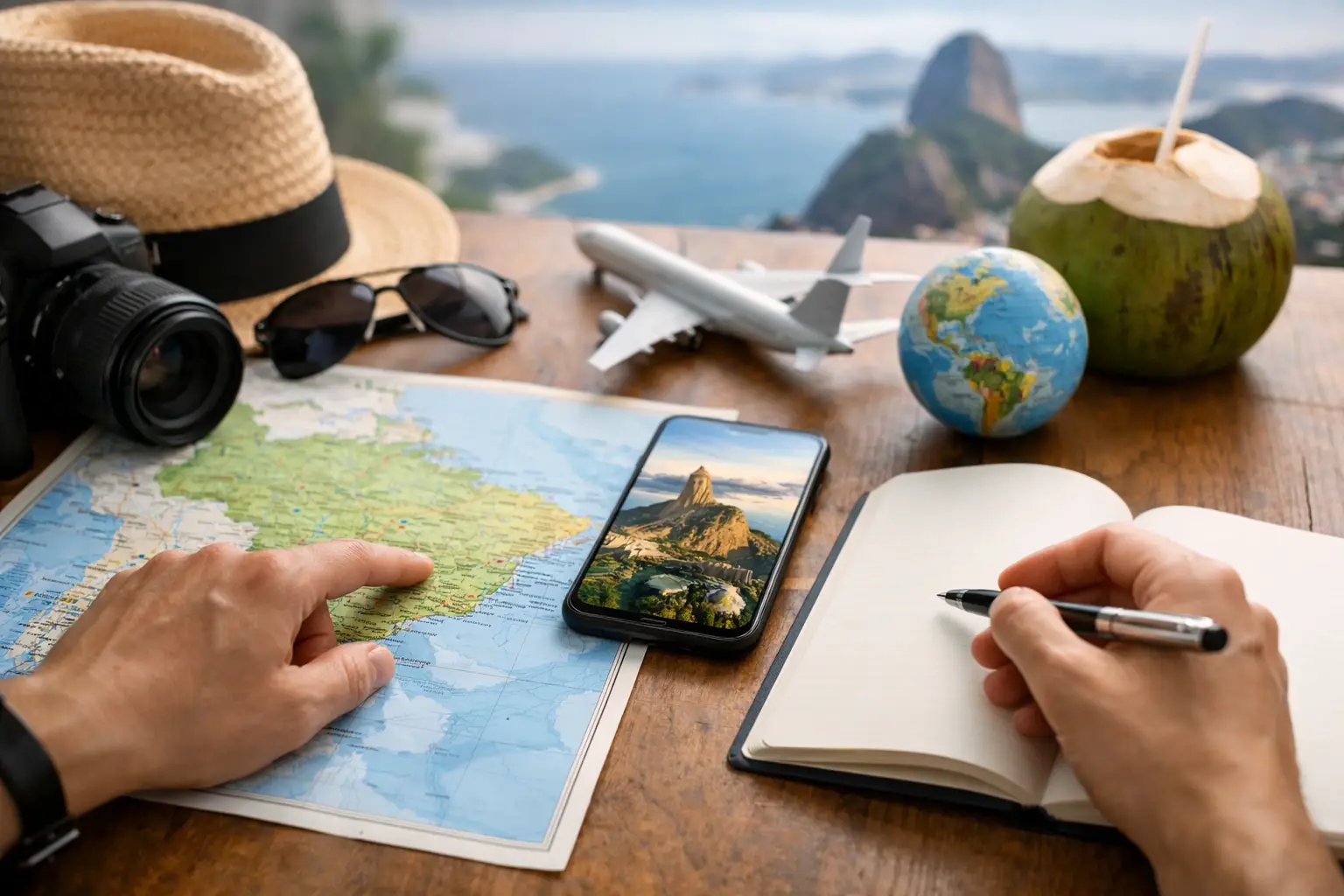
Brazil rarely works well as a last-minute, see-everything trip. The country is continental in scale, flight times can surprise first-time visitors, and the difference between a beach itinerary in the Northeast and an Amazon journey is bigger than many travelers expect. If you are wondering how to plan Brazil trip details without getting overwhelmed, the key is to narrow the country down before you start booking.
How to plan Brazil trip around your travel style
The smartest first decision is not the flight or the hotel. It is the kind of trip you actually want. Brazil can be urban, tropical, historic, remote, family-friendly, nightlife-focused, or nature-heavy, but it is difficult to do all of that in one short visit.
If this is your first time, start with one primary goal and one secondary goal. You might want beaches first and culture second, or cities first and nature second. That simple filter will shape everything else, from the region you choose to how many internal flights make sense.
Travelers who want iconic highlights often combine Rio de Janeiro with Iguazu Falls or São Paulo. Those looking for colonial streets, Afro-Brazilian culture, and coastline may prefer Salvador and the Northeast. If your priority is rainforest and wildlife, the Amazon deserves its own trip rather than being squeezed into a beach itinerary. Families may prefer fewer hotel changes and destinations with easier logistics, while couples often build around scenery, food, and a slower pace.
This matters because Brazil rewards depth more than speed. Three destinations done well usually feel better than six rushed stops.
Pick the right time before you pick the route
Brazil does not have one single travel season. Weather varies widely by region, so the best month depends on where you are going.
Rio de Janeiro and much of the Southeast are popular year-round, but summer runs from December to March. That means hotter weather, fuller beaches, and higher prices, especially around New Year and Carnival. If you want a balance between good weather and lighter crowds, shoulder months can be easier.
The Northeast has warm beach weather for much of the year, but rain patterns differ by state. The Amazon is also possible in different seasons, yet the experience changes. Higher water can mean more boat access, while drier periods can favor hiking and beach-like riverbanks. The Pantanal has its own rhythm too, especially if wildlife viewing is your main goal.
National holidays affect costs and availability. Carnival, New Year, and major Brazilian school vacation periods can push up prices fast. If your dates are fixed, book well ahead. If your dates are flexible, moving your trip by even one or two weeks can make a real difference.
Build a realistic itinerary for a country this large
One of the most common planning mistakes is underestimating distances. Brazil looks manageable on a map until you realize that traveling between major regions often requires a flight and most of a day.
For a 7 to 10 day trip, two bases are usually enough. For 12 to 14 days, two or three destinations can work comfortably. Beyond that, you can add another stop if connections are efficient. The goal is to reduce transit days, not maximize pins on a map.
Try organizing your route by geography. Rio de Janeiro and São Paulo pair naturally. Salvador can connect well with other Northeastern coastal destinations. Foz do Iguacu often fits best as a separate stop with direct flights, not as a side trip by land. The Amazon, especially around Manaus, should be treated as a major destination rather than an add-on.
Give each place enough time to settle in. Brazil is more enjoyable when you leave room for weather changes, traffic, and simple pleasures like a long lunch, a beach afternoon, or a market visit.
Sample first-trip combinations
A classic first route is Rio de Janeiro plus Iguazu Falls, with or without São Paulo. It gives you a strong mix of landscape, urban energy, and easy recognition.
A more culture-and-coast route could be Salvador plus a beach destination in Bahia or another part of the Northeast. This works especially well for travelers who want history, music, and a slower rhythm.
A nature-led trip might focus on the Amazon or the Pantanal with one city gateway before or after. That approach makes more sense than trying to combine both wilderness areas in a short vacation.
Set your budget early, then plan within it
Brazil can be more affordable than some long-haul destinations, but costs vary sharply by city, season, and travel style. Rio and São Paulo tend to be pricier, especially in well-located neighborhoods. Smaller cities and some inland destinations may offer better value, though transportation can offset those savings.
For most international travelers, the biggest budget categories are long-haul flights, internal flights, accommodations, and guided experiences. Once those are in place, daily costs become easier to control.
It helps to decide where to spend and where to save. Many travelers choose to pay more for a good location and direct flights, then keep restaurant and activity spending flexible. That usually leads to a smoother trip than saving on logistics and losing time in transit.
If you are traveling during peak periods, budget buffers matter. Prices for hotels and domestic airfare can change quickly, particularly in destinations with limited supply.
Book flights and transportation with geography in mind
International visitors often enter Brazil through Rio de Janeiro or São Paulo, but that is not always the best option for every itinerary. Depending on your route, flying directly into another gateway city can save time and one extra domestic connection.
When booking internal flights, look at total travel time rather than ticket price alone. A cheaper flight with a long layover may cost you a full day. For a short trip, that trade-off is rarely worth it.
Buses are common in Brazil and can work well between some cities, especially in regions with shorter distances. But for first-time travelers covering major areas, flights are often the practical choice. In large cities, rideshare apps and official taxis are usually easier for visitors than renting a car. A car makes more sense in rural or coastal regions where you want flexibility and public transportation is limited.
Choose where to stay by neighborhood, not just city
In Brazil, your neighborhood can shape your trip as much as your destination. A well-located hotel or rental can save time, improve comfort, and make it easier to enjoy evenings without complicated transportation.
For first-time visitors, central and well-known areas are usually the best starting point. In beach cities, staying near the waterfront may be worth the higher rate. In major urban centers, being close to restaurants, transit, and daytime attractions often matters more than having the lowest room price.
This is also where planning style matters. Some travelers want a full-service hotel with staff support, airport transfer help, and organized tours. Others are comfortable with boutique stays or rentals. Neither is better across the board. If you are arriving late, changing cities often, or do not speak Portuguese, more support can be worth the extra cost.
Plan for safety the practical way
Safety is part of planning Brazil realistically, not fearfully. Like many large and varied countries, Brazil includes destinations and neighborhoods with different risk levels. Good planning reduces stress.
Start with basics. Choose well-reviewed areas, avoid displaying valuables, use official or trusted transport options, and stay aware of your surroundings. Ask locally about areas to avoid at night and whether a route that looks short on the map is actually a good walk.
The right approach depends on destination. Beach cities, major capitals, and remote nature regions all come with different practical considerations. In urban areas, situational awareness matters most. In remote areas, logistics, weather, and guided support can matter more.
Prepare for the details international travelers often miss
A few small preparations can make your trip much easier. Check entry requirements and passport validity well before departure. Review whether you need any health-related documentation or destination-specific precautions, especially for nature-focused travel.
Language also affects planning. Portuguese is the national language, and while English is spoken in some hotels and tourism services, it is not universal. Learning a few basic phrases helps, but the bigger advantage is keeping addresses, reservation details, and transport information easy to access on your phone.
Payment is generally straightforward in tourist areas, with cards widely accepted, but carrying a small amount of local currency can still be useful. Mobile data or an eSIM is also worth arranging in advance so you can navigate cities, confirm rides, and translate when needed.
How to plan Brazil trip experiences, not just logistics
Once the practical parts are set, leave room for what makes Brazil memorable. That might mean a samba night in Rio, a food-focused afternoon in Salvador, a boat trip in the Amazon, or simply choosing fewer attractions so you can enjoy the atmosphere of a place.
The best itineraries balance headline sights with local rhythm. A trip that includes Christ the Redeemer or Iguazu Falls can still feel personal if you pair it with neighborhood walks, regional dishes, and time that is not over-scheduled.
Brazil is easier to plan once you stop treating it as one destination and start seeing it as many distinct regions. Make a few clear choices, respect the distances, and let your route match your interests. That is usually when the country starts to feel not just exciting, but genuinely manageable.