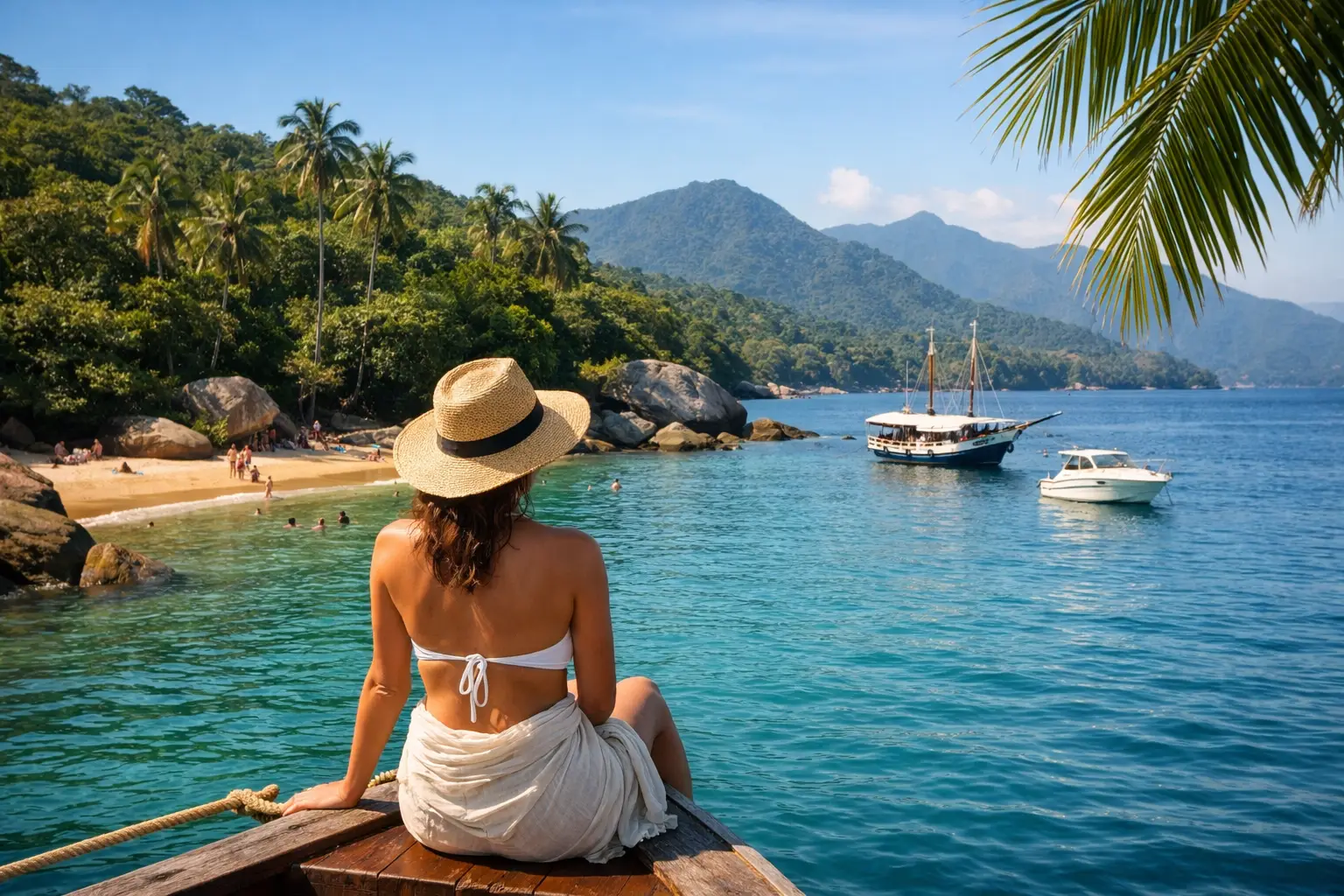
If your Brazil itinerary includes Rio de Janeiro, Ilha Grande is one of the easiest ways to trade traffic and high-rises for rainforest trails, boat rides, and clear water. This Ilha Grande travel guide is designed for international visitors who want to understand how the island works before they book – because once you arrive, the pace is slower, cash access is limited, and planning ahead makes a real difference.
Why Ilha Grande is worth the trip
Ilha Grande sits off the coast of Rio de Janeiro state and feels very different from the city. There are no cars in the main village, much of the island is covered by Atlantic Forest, and the appeal is simple: beaches, hiking, snorkeling, diving, and a quieter rhythm of travel.
What makes the island stand out is the balance between nature and accessibility. It feels remote enough to be memorable, but it is still realistic to visit as part of a broader Southeast Brazil trip. For many travelers, that combination is exactly the point.
It is also a destination with range. Some visitors come for boat tours and easy beach days. Others come for multi-hour hikes, scuba diving, or a few nights away from busier places like Rio. Ilha Grande works well for couples, solo travelers, and small groups, but families should plan carefully if traveling with very young children or anyone with limited mobility, since many paths are uneven and transport is mostly on foot or by boat.
How to get to Ilha Grande
A practical Ilha Grande travel guide has to start with logistics, because reaching the island is not difficult, but it does take a few steps. First, you travel overland from Rio de Janeiro, Paraty, or another nearby base to a mainland port. The most common departure points are Conceicao de Jacarei, Angra dos Reis, and Mangaratiba. From there, you take a ferry or fast boat to Vila do Abraao, the island’s main village.
For most travelers coming from Rio, Conceicao de Jacarei is the most straightforward option because crossings are frequent and relatively short. Angra dos Reis can also work well, especially if schedules line up better with your arrival time.
The main trade-off is cost versus convenience. Public ferries are cheaper, but they may be slower and more restricted by schedule. Private boats are faster and often more flexible, but they cost more. Weather can also affect crossings, especially in rougher conditions, so it is wise to avoid tight connections on the same day.
If you are arriving in Brazil by air, the nearest major gateway is Rio de Janeiro. There is no airport on Ilha Grande.
Where to stay on the island
Most first-time visitors stay in Vila do Abraao, and for good reason. It is the transport hub, has the widest choice of pousadas and guesthouses, and offers easy access to restaurants, tour agencies, and boat departures. If you want convenience, this is usually the best base.
Abraao is not a luxury beach resort town. It is casual, walkable, and practical. Streets are simple, infrastructure is limited compared with major cities, and occasional power or internet instability can happen. For many travelers, that is part of the island’s character. Still, it helps to arrive with the right expectations.
If your priority is seclusion, there are smaller beach areas and lodgings outside the main village, but they require more planning. Staying farther from Abraao can be rewarding if you want quiet and nature first, yet it may also mean fewer dining options, more dependence on boats, and less flexibility if weather changes your plans.
For a short visit of two to four nights, Abraao is usually the smartest choice.
Best things to do in Ilha Grande
The island is best experienced outdoors, and most itineraries mix beaches with either a boat trip or a hike.
Visit Lopes Mendes
Lopes Mendes is the beach most associated with Ilha Grande, and it earns its reputation. The sand is long and bright, the water is clear, and the setting feels strikingly untouched. Getting there takes effort – usually a hike, a boat plus a shorter walk, or some combination of both – but that effort helps preserve the atmosphere.
The beach is ideal if you want scenery over infrastructure. There are no big developments here, so bring water, snacks, and sun protection. If the sea is rough, swimming conditions can be stronger than they look.
Take a boat tour around the island
Boat tours are one of the easiest ways to see more of Ilha Grande in limited time. Routes usually include beaches, lagoons, snorkeling stops, and smaller coves that are harder to reach on foot.
This is a good option for travelers who want variety without committing to long hikes. The trade-off is that boat tours are weather-dependent and can feel crowded in high season. If you prefer quieter experiences, ask about smaller boats or departures outside peak times.
Hike to nearby beaches and viewpoints
Ilha Grande has trails for different levels, from shorter walks near Abraao to more demanding routes deeper into the island. Popular nearby options include Praia Preta and Abraaozinho, both manageable for many travelers staying in the village.
If you enjoy hiking, the island offers some of the best trail-and-beach combinations in Brazil. Just be realistic about heat, humidity, and trail conditions. Good shoes matter more here than many visitors expect.
Go snorkeling or diving
Clearer days bring good visibility around parts of the island, and marine life is one of the reasons Ilha Grande appeals to divers. Even casual snorkelers can enjoy calm bays and transparent water, especially on organized boat trips.
Conditions vary by season and weather, so do not assume every beach will be ideal for underwater visibility every day.
Beaches and nature: what to expect
The island’s strongest asset is not one single attraction. It is the overall setting. Rainforest reaches down to the coast, many beaches are framed by green hills, and even short walks can feel scenic.
That said, Ilha Grande is not a polished resort destination. Some beaches are easier to access than others, and natural beauty often comes with limited services. You may need to carry what you need for the day, especially outside Abraao.
Mosquito repellent is useful, particularly near forested areas and after rain. So is reef-safe sun protection, because shade is not guaranteed once you leave the village.
Food and dining on Ilha Grande
Dining is concentrated in Vila do Abraao, where you will find casual Brazilian restaurants, seafood spots, pizza, cafes, and simple bars. Menus are generally accessible for visitors, and in tourist-facing places you may find some English support, though not always.
Seafood is a natural highlight, and many travelers also enjoy trying Brazilian classics such as moqueca, grilled fish, and fresh juices. Prices can be higher than on the mainland because supplies arrive by boat, so budget travelers should expect island pricing rather than city bargains.
If you have dietary restrictions, plan ahead. Vegetarian options are usually possible in Abraao, but specialized diets may require more flexibility.
Practical travel tips for first-time visitors
This Ilha Grande travel guide would be incomplete without the basics that shape your trip once you arrive. Cash is still helpful, even if many places accept cards, because internet issues can affect payments. Do not rely entirely on mobile signal or last-minute digital transactions.
Pack light and practical. Since there are no cars in Abraao, you may need to walk with your luggage on uneven streets or sandy stretches. A backpack or compact suitcase is easier than large hard-shell luggage.
Weather matters more here than in many urban destinations. Heavy rain can affect trails and visibility, while rough seas can disrupt boat plans. Build some flexibility into your itinerary, especially if Ilha Grande is a highlight rather than a quick add-on.
Safety is generally centered on standard travel awareness rather than major urban concerns. Watch your belongings on boats and beaches, stay on marked trails, and avoid isolated hiking routes late in the day unless you are well prepared.
When to visit Ilha Grande
The island can be visited year-round, but your experience changes with the season. Summer in Brazil, from roughly December to March, brings hotter weather, a lively atmosphere, and stronger demand. It is a great time for swimming and boat outings, but also the busiest and often the most expensive.
Shoulder seasons often offer a better balance. You may find pleasant weather, fewer crowds, and more breathing room in accommodations and tours. Winter is usually milder and can still be enjoyable, though sea conditions and rain patterns can vary.
If your priority is quiet, avoid major Brazilian holidays. If your priority is classic beach weather, summer is attractive – just book early and expect more movement.
Ilha Grande rewards travelers who like nature, do not mind simple logistics, and understand that the island experience depends on weather, timing, and pace. Plan the basics well, leave room for the unexpected, and you will likely find that the slower rhythm is exactly what makes the trip memorable.