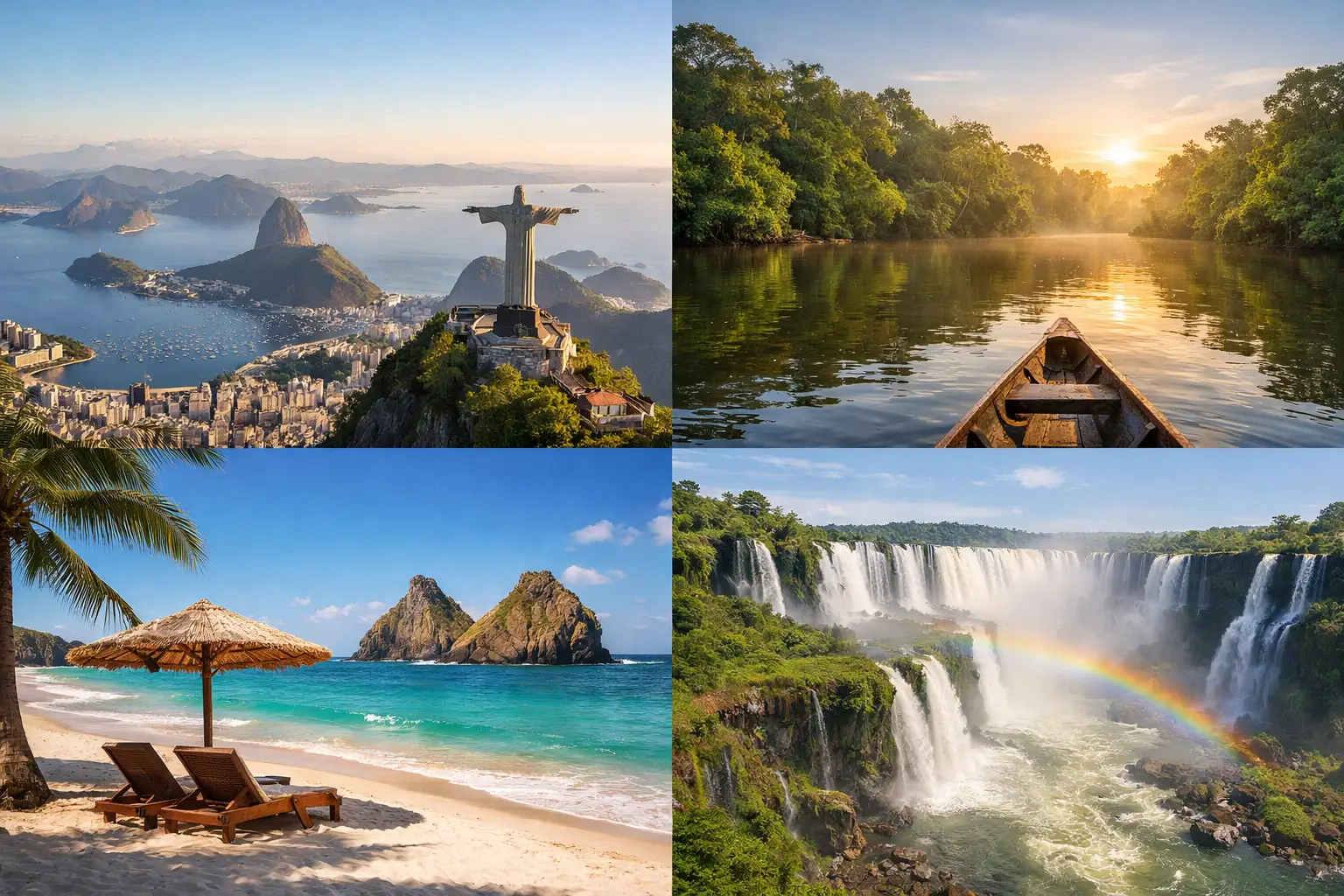
Brazil is not the kind of destination where one “best month” works for everyone. A sunny week in Rio can line up with heavy rain in the Amazon, while the Pantanal may be perfect for wildlife when the northeast coast is at its busiest. If you are deciding when to visit Brazil, the right answer depends on what you want most – beaches, festivals, nature, lower prices, or milder weather.
Because Brazil is a continental-size country, seasons feel different from one region to another. That matters for trip planning. A first-time visitor who wants classic postcard experiences may choose summer on the southeast coast. A traveler focused on hiking, colonial cities, or wildlife may get better conditions in a completely different season.
When to visit Brazil: what matters most
The most useful way to choose your timing is to start with priorities, not the calendar. Brazil has a tropical and subtropical mix of climates, with regional contrasts that are bigger than many travelers expect. In general, December through March is summer, with hotter temperatures, school vacations, and strong demand in major beach destinations. June through August is winter, but in much of Brazil that means mild, dry, and comfortable rather than cold.
Rainfall also changes a lot by region. The Amazon has wetter and less wet periods rather than a simple dry-versus-rainy split. The northeast coast can still be warm and attractive during months that are less ideal elsewhere. Southern Brazil has clearer seasonal shifts, with cooler winters and occasional chilly fronts.
If your goals are broad, April to June and August to November are often the easiest windows. These shoulder seasons can bring a good balance of weather, manageable crowds, and better hotel value. But there are exceptions, especially around Carnival, New Year’s, and major school holiday periods.
Summer in Brazil: best for beaches, energy, and big events
From December to March, Brazil feels lively, social, and very active. This is peak summer, and in many coastal destinations it is the classic time for beach travel. Rio de Janeiro, Florianópolis, Búzios, and much of the northeast attract both domestic and international visitors looking for sunshine, nightlife, and a festive atmosphere.
The trade-off is simple: higher prices, fuller hotels, and more crowded attractions. Around Christmas, New Year’s, and Carnival, demand rises sharply. Flights can be more expensive, and popular places need to be booked well in advance. Weather can also be less predictable than travelers assume. Summer often brings heat and humidity, along with afternoon rain in parts of the southeast.
This season makes sense if you want Brazil at its most energetic. It is especially appealing for first-time visitors who care more about atmosphere and iconic beach culture than quiet sightseeing days.
Carnival changes everything
Carnival usually falls in February or early March, and it can reshape travel plans across the country. For some travelers, it is the main reason to come. Rio’s samba parades, Salvador’s street energy, and Recife and Olinda’s traditions offer very different experiences.
For others, Carnival is better avoided. Prices rise, logistics get more complicated, and accommodation sells out fast. If you want a calm beach trip or a slower city break, the week around Carnival may not be the best fit.
Fall and spring: the easiest answer for many travelers
If you want a more flexible recommendation for when to visit Brazil, look closely at April to June and August to November. These months often offer the best mix of pleasant weather and simpler planning.
In the southeast, cities like Rio de Janeiro and São Paulo are usually more comfortable outside peak summer. You can still get sunny days, but with less intense heat. Historic destinations in Minas Gerais, such as Ouro Preto and Tiradentes, are also easier to explore when temperatures are moderate.
Spring and fall can be especially good for travelers combining cities with nature. Iguazu Falls, coastal road trips, and mountain towns often feel more enjoyable without holiday-season crowds. Hotel rates may also be more reasonable, particularly outside long weekends and event dates.
This is often the smartest choice for international travelers who want a little of everything: beach time, urban sightseeing, regional food, and a smoother overall trip.
Winter in Brazil: best for mild weather and some regional specialties
Winter runs from June to August. Many international travelers hesitate when they hear the word “winter,” but in much of Brazil it remains a very travel-friendly season. In Rio, for example, days can still be pleasant and bright. In the northeast, beach conditions remain attractive in many destinations, though rainfall varies depending on the coast.
Winter is often a strong time for city travel. São Paulo, Brasília, and many inland destinations are more comfortable for walking, museum visits, and restaurant-focused itineraries. It is also one of the best periods for the Pantanal, where drier conditions improve wildlife viewing. Animals gather closer to water sources, and access is generally easier.
The main exception is the far south. Places like Porto Alegre, Curitiba, and the mountain areas of Santa Catarina and Rio Grande do Sul can be genuinely cool, especially at night. That may be a plus if you enjoy wine regions, cozy stays, and a change from tropical heat, but it is worth packing for.
Best time by region
Southeast Brazil
For Rio de Janeiro, São Paulo, and nearby destinations, the best periods are often April to June and August to October. These months usually bring good conditions for sightseeing and fewer crowds than high summer. December to March is best for beach atmosphere and major events, but expect more heat, rain, and higher prices.
Northeast Brazil
The northeast is one of Brazil’s most dependable beach regions, but timing still matters. Places such as Salvador, Maceió, Recife, Natal, and Fortaleza are warm year-round. Broadly speaking, September to March is excellent for many coastal trips, with plenty of sun and strong beach appeal. Some areas see more rain between April and July, especially on the eastern coast, so it helps to check the specific state rather than treating the whole region as one destination.
Amazon
The Amazon can be visited year-round, but the experience changes a lot. In wetter months, rivers rise and boat access improves, which can be ideal for exploring flooded forests. In drier months, trails become more accessible and wildlife spotting may be easier in some areas. There is no universal perfect season here – only the version of the Amazon you want to see.
Pantanal
For wildlife, the dry season from roughly May to September is usually the best time. This is when animal sightings are more consistent and roads are often easier to use. The wet season has dramatic landscapes and birdlife, but travel can be less straightforward.
South Brazil
The south has stronger seasonal variation than much of the country. Summer is great for beaches in Santa Catarina, while winter suits travelers interested in cooler weather, wine, and mountain towns. Shoulder seasons tend to be the most balanced for general touring.
When to visit Brazil for specific travel styles
If your priority is beaches, aim for the drier months in your chosen coastal region, with December to March working well for the southeast and much of the south, and a broader warm-weather window in the northeast. If you care most about festivals, build around Carnival or June festivals, especially in the northeast.
If your trip is centered on wildlife, the Pantanal is strongest in the dry season, while the Amazon depends more on whether you prefer river exploration or land-based activities. For city breaks and mixed itineraries, shoulder season is usually the easiest and most comfortable choice.
Budget travelers should be cautious with peak dates. New Year’s, Carnival, and January vacation weeks can make Brazil significantly more expensive. Traveling just before or after these periods can make a real difference without sacrificing the experience.
A practical way to decide
If this is your first trip, start by choosing two or three priority experiences. That could be Rio and the beach, Salvador and culture, or the Amazon and wildlife. Once you know your focus, the timing becomes much clearer.
Brazil rewards travelers who plan by region rather than by countrywide averages. That is the simplest way to avoid weather surprises and choose a season that actually fits your trip. If you treat Brazil as many destinations in one, you will have a much easier time deciding when to go – and a much better chance of getting the trip you want.
The best time to visit Brazil is the time that matches your version of the country, whether that means summer energy, dry-season nature, or a quieter shoulder-season escape.