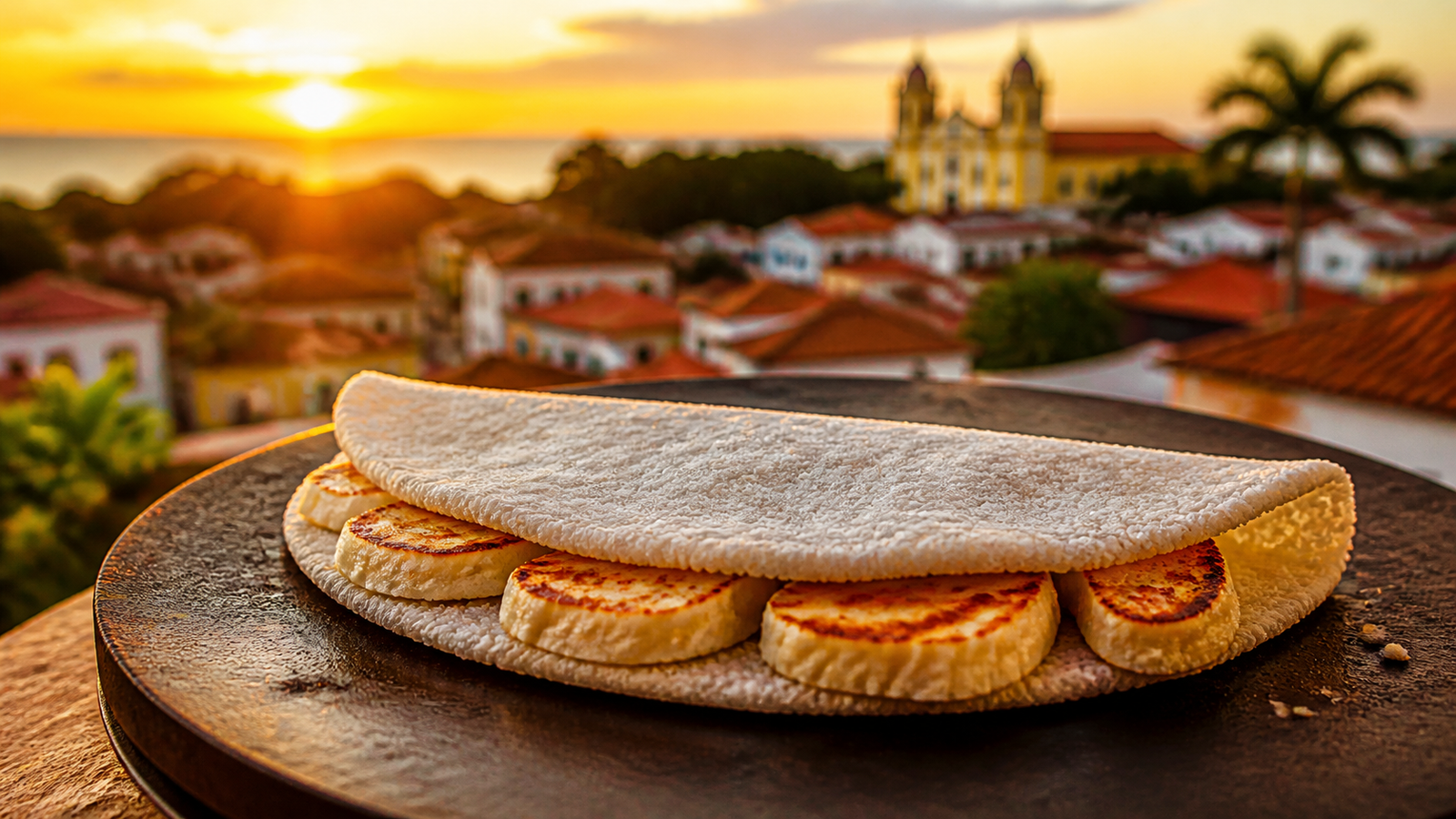
Perched on steep green hills overlooking the Atlantic Ocean and the distant skyline of Recife, the UNESCO World Heritage town of Olinda is famous for its baroque churches and vibrant colonial architecture. Yet for many travelers, the most lasting memories of Olinda are defined by its flavors. From the aroma of freshly griddled cassava flatbreads drifting across the hilltop at sunset to the bubbling clay pots of regional seafood served in 18th-century mansions, eating here is an essential cultural ritual.
Unlike generic tourist hubs where menus look identical, Olinda offers a distinct culinary ecosystem organized into three clear price tiers: affordable street food and snacks (R$ 12 to R$ 35), lively bohemian botecos and casual lunch spots (R$ 20 to R$ 45), and atmospheric sit-down bistros and fine dining (R$ 50 to R$ 180+ per person). Knowing where to go based on your budget and walking route ensures you experience the best of Pernambucan gastronomy without unnecessary friction.
Understanding Olinda’s Food Scene: Hills, Heritage, and Fresh Flavors
Olinda’s culinary identity is rooted in Pernambuco’s rich coastal and sertanejo heritage, combining indigenous cassava traditions with fresh Atlantic seafood and Afro-Brazilian spice. The town’s dining geography revolves around three main focal points: the panoramic hilltop of Alto da Sé, the historic bohemian spine of Rua do Amparo, and the artsy enclave near the Mercado da Ribeira.
Because Historic Olinda is largely pedestrian-focused with steep, cobblestone streets, your meals naturally anchor your sightseeing itinerary. A typical food-lover’s day involves wandering historic monuments in the morning, enjoying a leisurely seafood lunch in a shaded colonial courtyard, heading to Alto da Sé for late-afternoon tapioca at sunset, and finishing with cold craft beer and savory petiscos on Rua do Amparo.
The Alto da Sé Tapioca Experience: How to Order and What to Expect
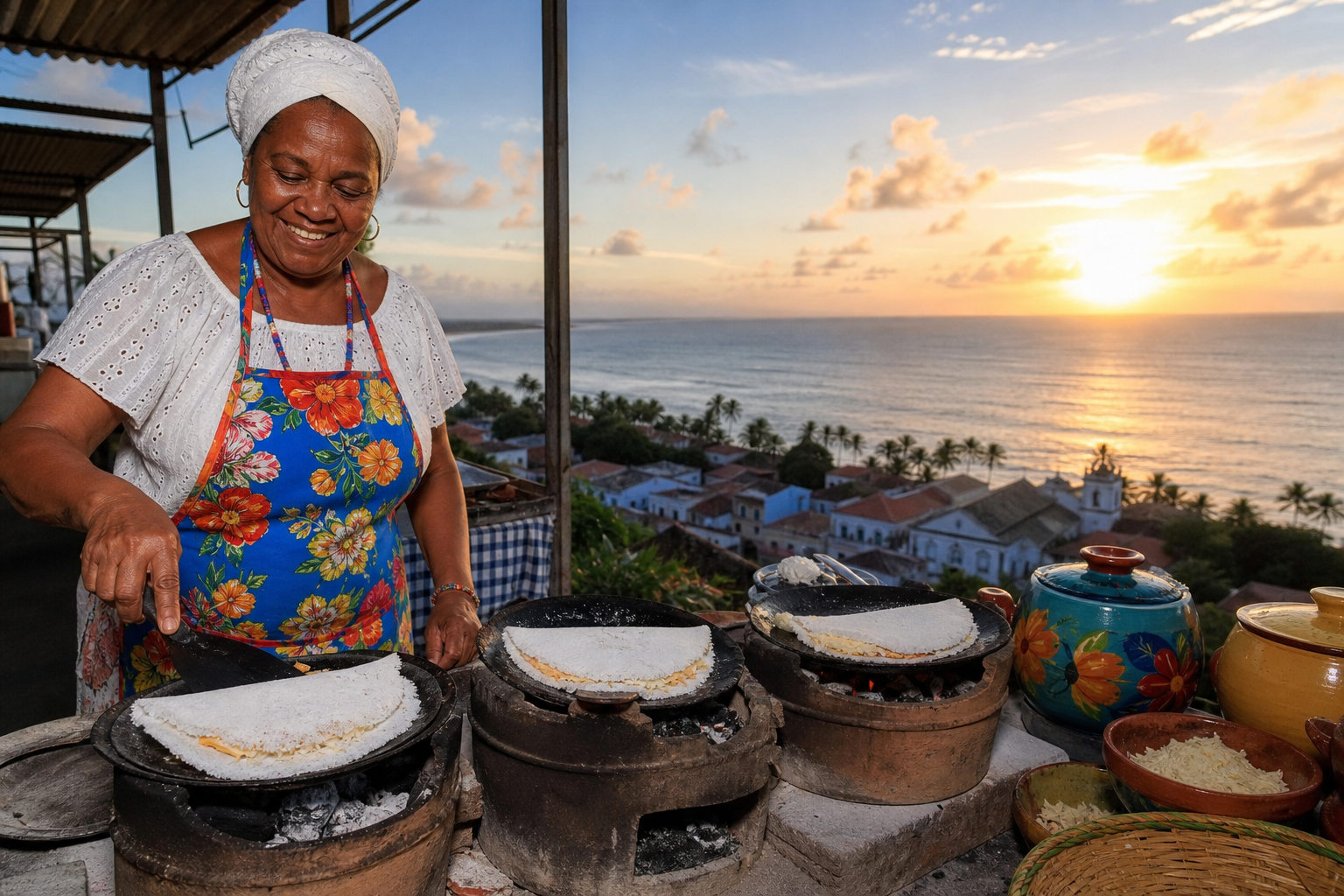
No trip to Olinda is complete without visiting the open-air food stalls at Alto da Sé. Officially recognized as part of the city’s intangible cultural heritage, the licensed tapioqueiras of Olinda operate roughly 40 standardized municipal stalls set against one of the most stunning coastal viewpoints in Brazil.
Tapioca is a naturally gluten-free crepe made from hydrated cassava starch (goma de mandioca). Sifted directly onto a hot, dry charcoal griddle, the starch magically binds together in seconds without any oil or batter, resulting in a crisp exterior and soft, chewy center. It is then lightly brushed with butter, filled, and folded hot.
Ordering is straightforward, but knowing the flavor varieties helps you choose:
- Traditional & Simple (R$ 12 – R$ 18): Freshly shredded coconut with thick slices of grilled queijo coalho (a squeaky, salty regional cheese). This is the quintessential Pernambuco breakfast and snack.
- Hearty Savory (R$ 20 – R$ 35): Stuffed with shredded carne de sol (sun-cured beef), dried shrimp, or seasoned shredded chicken with creamy Catupiry cheese.
- Dessert & Sweet (R$ 16 – R$ 28): Sweetened condensed milk with coconut, banana with cinnamon and cheese (inspired by the classic dessert cartola), or chocolate and Nutella.
Timing Tip: The stalls begin firing up their charcoal stoves around 15:30, reaching peak atmosphere between 16:30 and 18:30 as the sun dips below the horizon. Pair your warm tapioca with a chilled, freshly cracked coconut water (água de coco) for R$ 6 to R$ 10. For complete sightseeing details around the viewpoint, check our Alto da Sé visiting guide.
Budget Bites & Bohemian Botecos: Sandwiches, Cold Cuts, and Casual Lunches
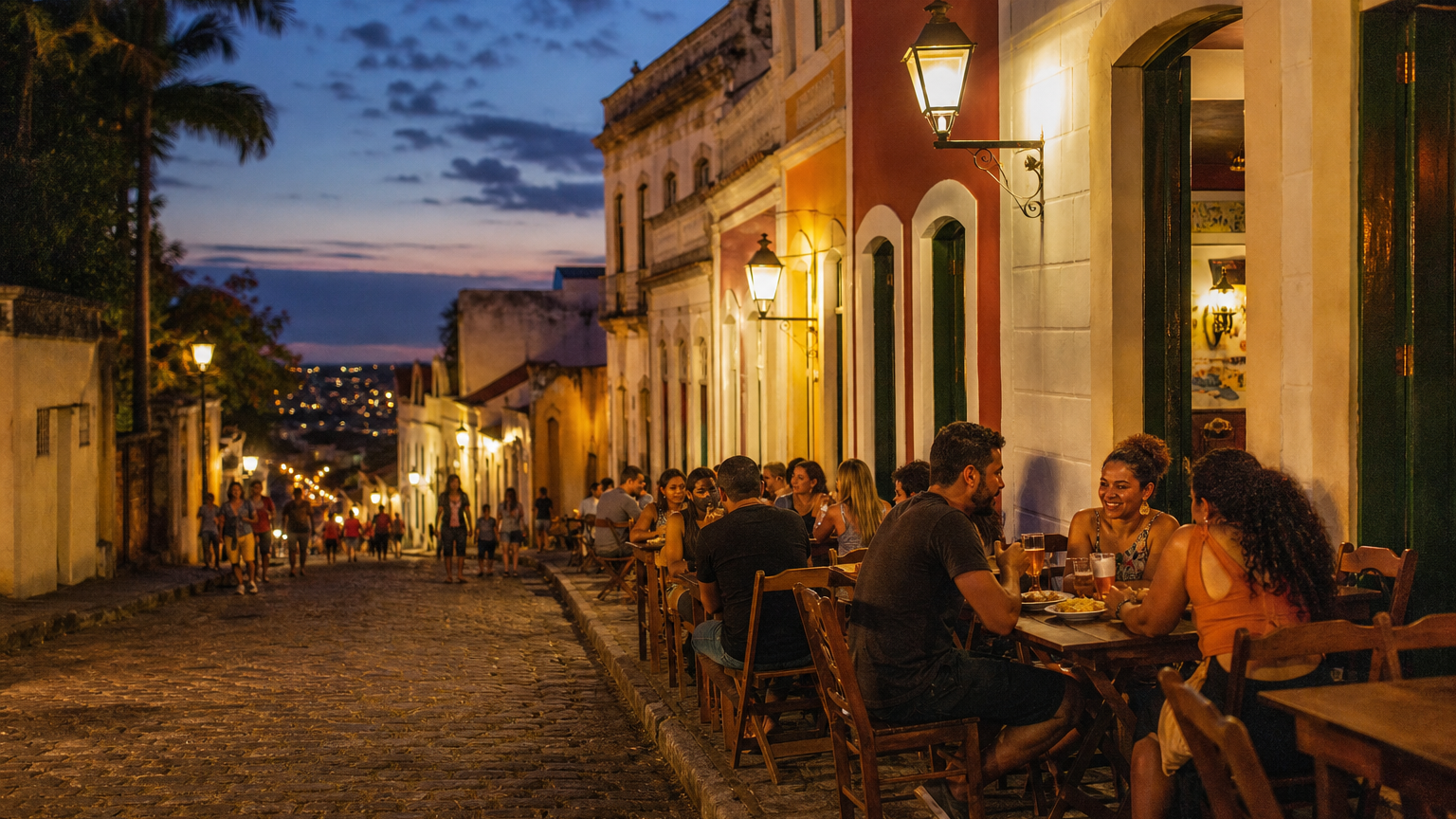
If you are exploring the mid-slope streets of the historic center around lunchtime or in the early evening, you will find fantastic casual options that cater to locals, artists, and budget-conscious travelers.
The crown jewel of Olinda’s bohemian scene is Bodega de Véio (Rua do Amparo, 212). Operating as a traditional dry-goods grocery bar (venda), the walls are lined with vintage bottles, canned goods, and hanging cured meats. The house specialty is the famous warm sanduíche de pernil (slow-roasted shredded pork) and generous mortadella sandwiches served on crusty French rolls (R$ 20 to R$ 35), alongside shared plates of Dutch-style queijo do reino, cured salami, and green olives. It is an unpretentious, lively gathering place where patrons drink ice-cold beer on the sidewalk.
For a traditional, filling midday meal, several small botecos and family-run diners around Quatro Cantos and the lower Carmo district serve daily pratos feitos (PF lunch plates). For R$ 25 to R$ 40, you receive a generous portion of grilled beef, roast chicken, or fried fish accompanied by rice, beans, farofa, and fresh salad.
Sit-Down & Fine Regional Dining: Coastal Seafood and Colonial Mansions
When you want to sit down for a relaxed, multi-course meal accompanied by fine regional ingredients and historic ambiance, Olinda’s upper-tier restaurants deliver some of the finest gastronomy in Northeastern Brazil.
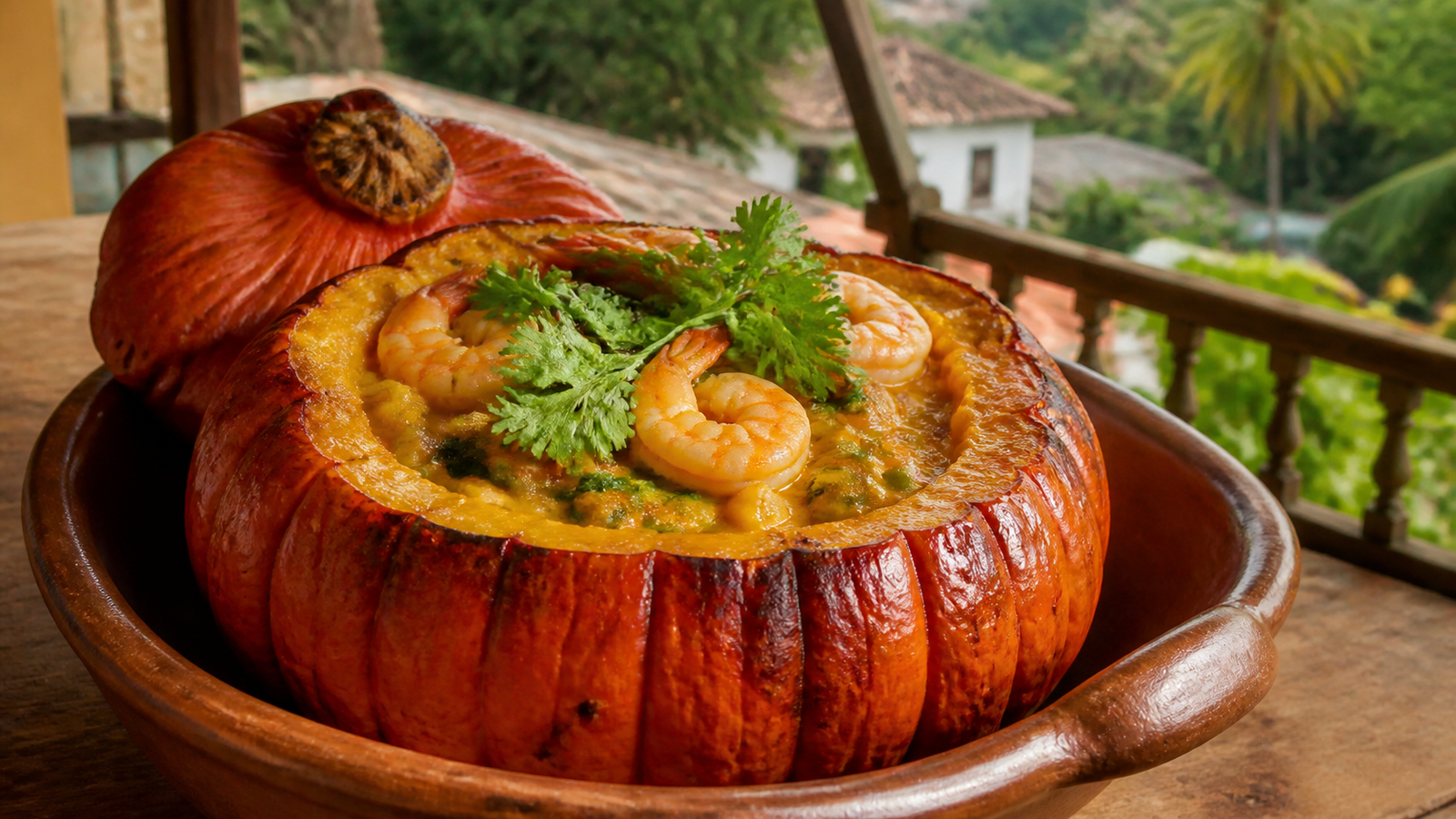
Oficina do Sabor (Rua do Amparo, 335): Led by acclaimed Chef César Santos for over three decades, this colorful restaurant set inside a historic house is synonymous with modern Pernambucan cuisine. The undeniable signature dish is Jerimum Recheado—a whole roasted pumpkin hollowed out and overflowing with tender shrimp, octopus, or mixed seafood in a fragrant, spiced coconut cream sauce (R$ 130 to R$ 220, designed for two people). The rear terrace offers panoramic views across the tiled roofs toward the sea. (Closed on Mondays; reservations recommended on weekends).
Restaurante Patuá (Rua Bernardo Vieira de Melo, 79): Located near the Mercado da Ribeira in a charming blue colonial townhouse, Patuá celebrates coastal Brazilian flavors with artistic flair. Highlights include rich seafood moquecas, caldeiradas, and their popular crispy appetizer pastéis (Cabra Macho mix). Expect to spend between R$ 60 and R$ 120 per person for an exceptional lunch or dinner overlooking Recife.
Beijupirá Olinda (Rua do Amparo, 148): Accessible via the serene garden courtyard of Pousada do Amparo, Beijupirá is celebrated for pairing fresh ocean fish with tropical fruits and regional herbs (such as whitefish in passionfruit sauce or grilled fish with bananas and sweet pitanga glazes). Expect a refined dining experience ranging from R$ 100 to R$ 190 per person.
Editorial Note: Longtime travel guidebooks frequently mentioned French-Nordestino bistro Maison do Bonfim; please note that this venue is permanently closed and should not be included in current travel plans.
Pernambucan Dish Decoder: Essential Regional Specialties to Try
Navigating Portuguese menus in Northeastern Brazil can be bewildering if you are unfamiliar with regional culinary terminology. Here are the core dishes you should seek out while visiting Olinda:
- Tapioca: A griddled, crescent-folded flatbread made from 100% cassava starch. Crisp on the outside, delightfully chewy inside, and naturally gluten-free.
- Arrumadinho: A beautifully presented plate of ingredients arranged side by side before mixing: cooked black-eyed peas (feijão macassa), toasted cassava flour (farofa), fresh tomato-onion vinaigrette, and diced grilled carne de sol (sun-cured beef) or charque.
- Caldinhos: Rich, savory broths served piping hot in small glasses at bars and beach kiosks. Common varieties include caldinho de feijão (black or brown bean), caldinho de peixe (fish), and caldinho de camarão (shrimp), garnished with boiled quail eggs, green olives, and fresh lime.
- Peixada Pernambucana: A hearty stew of fresh coastal fish simmered with onions, bell peppers, tomatoes, hard-boiled eggs, and coconut milk, served with a silky side of pirão (gravy thickened with cassava flour).
- Cartola: The quintessential Pernambucan dessert, featuring pan-fried ripe bananas layered with melted queijo manteiga or queijo coalho, generously dusted with sugar and ground cinnamon.
Practical Dining Tips: Payments, Hill Walking, Timing, and Safety
To ensure a seamless dining experience while navigating Olinda’s historic district, keep these practical realities in mind:
Payment Methods: Electronic payments are universal across Olinda. Virtually all registered tapioqueiras at Alto da Sé, street snack kiosks, and sit-down restaurants accept international credit and debit cards (Visa, Mastercard) alongside digital payments. However, carrying R$ 30 to R$ 50 in small cash notes is helpful for buying bottled water, artisanal popsicles, or tipping street musicians.
Footwear & Hill Navigation: Historic Olinda is built across several steep hills paved with uneven, centuries-old cobblestones. Stiletto heels or slippery flip-flops are impractical and dangerous. Wear comfortable sneakers or secure walking sandals with reliable rubber traction when heading out to dine.
Timing Your Meals: Lunch is typically served from 12:00 to 15:00. The late afternoon (16:00 to 18:30) belongs entirely to Alto da Sé and sunset tapiocas. Dinner on Rua do Amparo comes alive after 19:30, especially from Thursday through Sunday.
Evening Safety: While the historic district is generally relaxed and well-patrolled around main squares during the day, isolated colonial alleys can become poorly lit after dark. When dining late at night on Rua do Amparo or Carmo, request an Uber or licensed taxi directly from your restaurant doorstep back to your accommodation rather than wandering lonely backstreets on foot.
Olinda Dining at a Glance: Budgets, Venues & Typical Costs
| Dining Category | Recommended Venues | Typical Price Range (BRL) | Best Suited For |
|---|---|---|---|
| Street Tapioca Stalls | Alto da Sé Tapioqueiras (~40 stalls) | R$ 12 – R$ 35 per item | Sunset snacks, budget light dinners, sweet treats |
| Bohemian Botecos & Sandwiches | Bodega de Véio, Quatro Cantos spots | R$ 20 – R$ 45 per person | Pernil sandwiches, cold beer, afternoon appetizers |
| Casual & Mid-Range Regional | Restaurante Patuá, Carmo bistros | R$ 50 – R$ 85 per person | Relaxed sit-down lunch, seafood moquecas, ocean views |
| Fine Heritage Dining | Oficina do Sabor, Beijupirá Olinda | R$ 95 – R$ 180+ per person | Celebratory dinners, signature pumpkin seafood dishes |
Frequently Asked Questions About Eating in Olinda
How much does a tapioca cost at Alto da Sé in Olinda?
Simple tapiocas filled with fresh grated coconut and grilled queijo coalho cheese typically cost between R$ 12 and R$ 18. Elaborate versions loaded with sun-cured beef (carne de sol), shredded chicken, dried shrimp, or dessert combinations like banana and chocolate range from R$ 20 to R$ 35.
What is the most famous dish at Oficina do Sabor?
The renowned creation of Chef César Santos is Jerimum Recheado—a whole roasted pumpkin carved out and filled with succulent shrimp, octopus, or mixed seafood in a rich, spiced coconut cream reduction.
Do street food vendors in Olinda take credit cards?
Yes. Nearly all registered tapioqueiras at Alto da Sé carry mobile card machines that accept Visa and Mastercard, as well as Brazil’s Pix system. Carrying a small amount of cash in Reais is still handy for small purchases.
Is it safe to eat street food at Alto da Sé?
Yes. The approximately 40 tapioqueiras on the hilltop are officially registered, inspected by municipal health authorities, and prepare every tapioca fresh to order right over hot charcoal griddles in front of you.
What is the best time of day to eat at Alto da Sé?
Between 16:00 and 18:30 is the prime window. Arriving in the late afternoon allows you to enjoy freshly griddled tapioca and cold coconut water while watching the golden sunset over the historic church spires and Recife’s coastline.
Final Takeaway: How to Plan Your Meals in Olinda
Olinda rewards hungry travelers with authentic flavors that reflect the town’s vibrant history and artistic spirit. If you only have a single day to explore, plan a walking route through the colonial monuments in the morning, stop for a casual regional lunch near Quatro Cantos, and make your way to Alto da Sé by 16:30 for a warm, savory tapioca as the sun goes down.
To connect your dining stops seamlessly into a complete walking itinerary, be sure to explore our Olinda Sítio Histórico walking tour and our step-by-step Olinda one-day itinerary. If you are also spending time across the river in the state capital, check out our companion guide on where to eat in Recife.