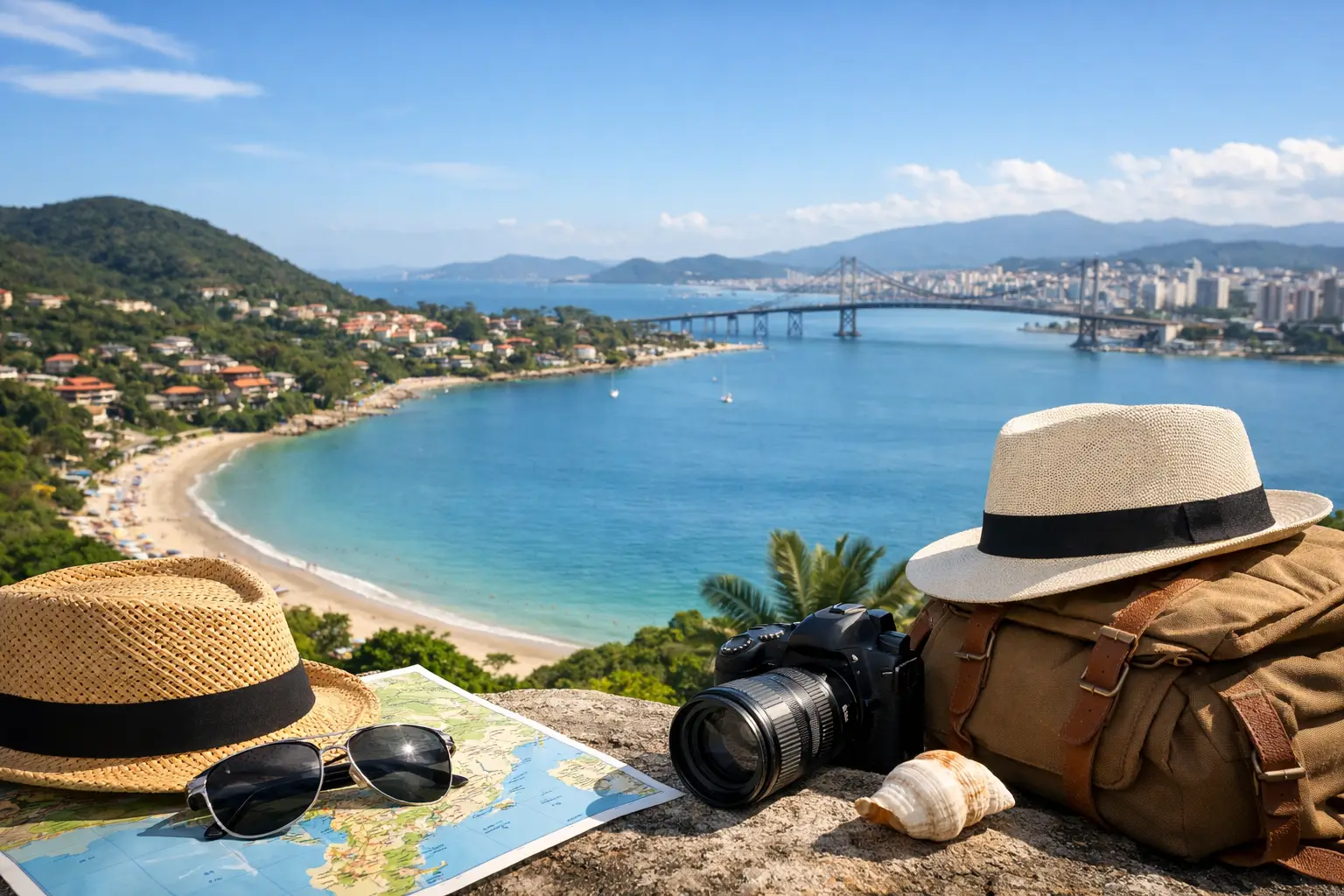
Florianopolis can change quickly from a calm fishing village atmosphere to a busy beach town, sometimes within the same afternoon. That contrast is exactly why a good Florianopolis travel guide matters. For international visitors, this island city in southern Brazil feels more relaxed than Rio, more beach-focused than Sao Paulo, and more spread out than many expect.
Known simply as Floripa, Florianopolis is the capital of Santa Catarina and one of Brazil’s most appealing coastal destinations. Part of the city sits on the mainland, but most visitors stay on Santa Catarina Island, where surf beaches, dune landscapes, lagoons, seafood restaurants, and residential neighborhoods create a destination with several different personalities. It is not the kind of place where you see everything in a day or two. Planning by area makes a big difference.
Florianopolis travel guide: what the city is really like
The first thing to understand is that Florianopolis is not a compact beach city with one obvious center. It is a large island destination with distinct regions, and each one suits a different type of trip. Some travelers come for surfing and nightlife, others for family-friendly beaches, hiking, or a slower stay near the water.
The north of the island is where many first-time visitors base themselves. Areas like Jurere, Canasvieiras, and Ingleses are popular because they have broad beaches, a solid tourism structure, and easier access to restaurants, shops, and hotels. This part of the island is convenient, especially in high season, but it can also feel more built-up and busier.
The east coast has a different rhythm. Barra da Lagoa, Praia Mole, and Joaquina attract surfers, younger travelers, and anyone looking for a more active beach scene. Lagoa da Conceicao, just inland from those beaches, is one of the best areas for dining, bars, and a central location with a little more urban energy.
The south is quieter and more scenic in parts, with beaches and villages that still preserve a more traditional character. Campeche has grown a lot and is now one of the most attractive areas for travelers who want a long beach and a less commercial atmosphere than the north. Armacao, Pantano do Sul, and Ribeirao da Ilha feel more local and are especially interesting if food and scenery are priorities.
Where to stay in Florianopolis
Choosing where to stay is one of the most important parts of any Florianopolis travel guide because transport times can be longer than the map suggests. Roads can slow down significantly, especially during summer weekends and holidays.
If you want convenience and a classic beach vacation structure, the north is usually the easiest choice. Jurere is known for upscale beach clubs, modern rentals, and a polished atmosphere. Jurere Internacional is especially popular with travelers looking for comfort and a more exclusive setting. Canasvieiras works well for families and visitors who want a lively area with practical services close by.
If you prefer a younger, more flexible base, Lagoa da Conceicao is a strong option. It is not right on the ocean, but it gives you access to several beaches and has one of the best food and nightlife scenes on the island. It suits couples, solo travelers, and visitors who do not want their evenings to end when they leave the sand.
For a quieter stay, Campeche is often the best balance. The beach is long and beautiful, the atmosphere is more residential, and the area gives you easier access to the south and east. The trade-off is that services are more spread out than in the busiest tourist districts.
Best beaches and what to expect
Florianopolis is famous for having dozens of beaches, but they are not interchangeable. Sea conditions, crowd levels, and overall vibe vary a lot.
Joaquina Beach is one of the best-known names, especially for surfing. It is dramatic, windy at times, and backed by large dunes that are part of the experience. Praia Mole is also popular for surfing and has a more social, energetic atmosphere. These beaches are great if you want action, but less ideal for small children or travelers looking for calm water.
For gentler swimming conditions, Daniela, Jurere, and parts of Canasvieiras are usually easier choices. Their water is often calmer, and the beach environment is more family-oriented. Ingleses is another major beach area with plenty of infrastructure, though conditions can vary depending on the day.
Campeche is one of the island’s most striking beaches – wide, open, and scenic. It is excellent for long walks and a more natural setting, but the sea can be rough. If your ideal day means calm water and easy swimming, this may not be the best beach every day.
In the south, Matadeiro stands out for travelers who enjoy a more remote feel. You usually reach it by walking from Armacao, which helps keep it less urbanized. It is beautiful, but better suited to visitors comfortable with fewer facilities.
What to do beyond the beach
Florianopolis rewards travelers who leave time for more than sunbathing. One of the simplest ways to understand the island is to combine beaches with scenic viewpoints, short hikes, and food-focused stops.
Lagoa da Conceicao is worth visiting even if you stay elsewhere. The lagoon area has restaurants, cafes, and a lively atmosphere that works well in the afternoon and evening. Nearby, the dunes between Joaquina and the lagoon are one of the island’s signature landscapes.
For history and local character, Ribeirao da Ilha offers a different side of Florianopolis. This southern district preserves strong Azorean heritage, with colonial-style buildings, a slower pace, and some of the island’s best oyster restaurants. It is one of the best places to see that Florianopolis is more than a resort destination.
If you enjoy hiking, trails on the island range from easy scenic walks to more demanding routes. Popular options connect beaches or lead to viewpoints and natural pools. Conditions depend on weather, and some paths are better tackled with good shoes and daylight to spare.
Downtown Florianopolis, on and near the mainland connection, is not the main focus for most beach travelers, but it can still be worth a stop. The public market, historic center, and Hercilio Luz Bridge area add urban context to a trip that might otherwise stay entirely coastal.
Food, seafood, and local specialties
Seafood is central to the local food scene, and many visitors end up having some of their best meals in the south of the island. Oysters are a standout, especially around Ribeirao da Ilha, where oyster farming is part of the local identity. If you enjoy shellfish, this is one of the clearest culinary reasons to spend time outside the main beach zones.
You will also find grilled fish, shrimp dishes, seafood stews, and casual beachside meals across the island. In more tourist-heavy areas, menus are often broader and designed for mixed crowds, which can be convenient but sometimes less distinctive. If your priority is atmosphere and local flavor, seek out restaurants in traditional neighborhoods rather than only near the busiest stretches of sand.
Brazilian beach culture also means simple pleasures are everywhere – fresh coconut water, acai, snacks, and relaxed lunch spots with sea views. Service styles can be slower than what some US travelers expect, especially during peak season, so it helps to plan meals with a little flexibility.
Getting around and when to go
Transportation is where many trips go either smoothly or poorly. Renting a car gives you the most freedom, especially if you want to explore several parts of the island. That said, traffic can be frustrating in summer, and parking near famous beaches may be limited.
Ride apps and taxis are useful for shorter hops or if you are staying in one main area. Public buses exist and can connect many districts, but they are less intuitive for first-time international visitors and not always the easiest option if you are trying to maximize beach time.
The best time to visit depends on what matters most. Summer, from December through March, brings the hottest weather and liveliest atmosphere, but also the biggest crowds and the highest prices. If you want a classic beach vacation and do not mind energy and traffic, this is the peak period.
Shoulder months can be a smarter choice. March, April, and November often offer pleasant weather with fewer crowds. Winter is quieter and can still be beautiful, but it is not ideal if your main goal is swimming every day.
Practical tips for international travelers
Florianopolis is generally approachable for international visitors, but it helps to prepare for a few local realities. English is not widely spoken everywhere, so basic Portuguese phrases or a translation app can make everyday interactions easier. Card payment is common, but carrying a little cash is still useful in smaller places.
Beach conditions can change fast, especially on the surf-facing coast, so always pay attention to local flags and warnings. Sun protection matters more than many travelers expect, and weather shifts can happen even in warmer months.
If this is your first visit to Brazil, Florianopolis is a strong choice because it combines scenery, infrastructure, and a relatively easy pace. It is not Brazil in one package – no destination is – but it gives you a clear, appealing introduction to the country’s coastal life without demanding a complicated learning curve.
The best approach is to choose your base carefully, leave room to explore more than one side of the island, and let the destination show its contrasts. In Florianopolis, that is where much of the appeal lives.