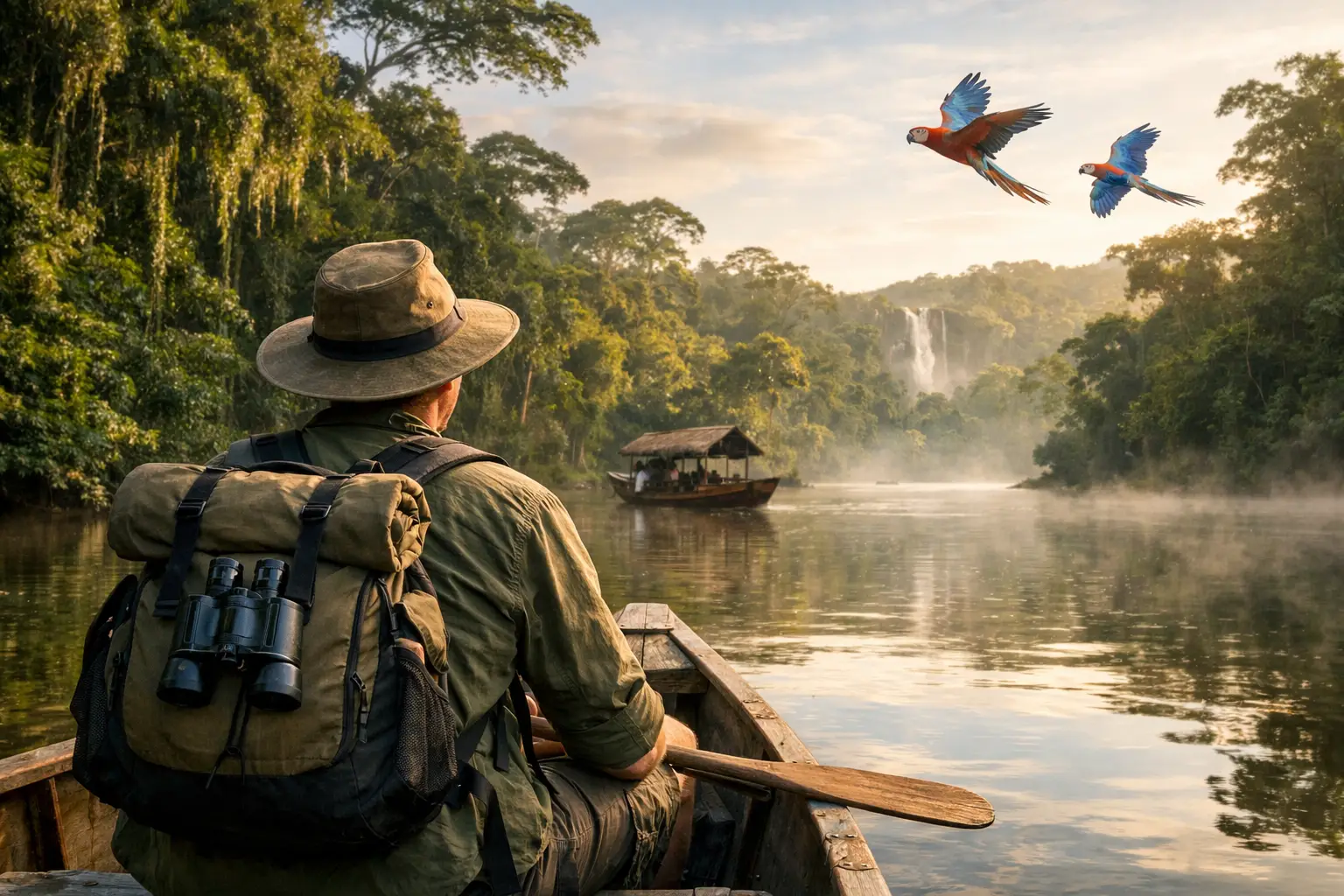
The Amazon is not the kind of trip you plan the night before. A hotel with air conditioning, a river lodge reached only by boat, and a jungle cruise can all fall under the same broad idea of an Amazon visit, but they deliver very different experiences. The best Amazon rainforest travel tips start with that distinction, because your route, budget, comfort level, and even packing list depend on where in the region you go and how you want to experience it.
For international travelers, Brazil’s Amazon often begins with Manaus, the region’s main gateway. From there, you can stay in the city and take day trips, head to a jungle lodge for several nights, or continue deeper into the state of Amazonas by river or small plane. None of these options is automatically better. The right choice depends on whether you want convenience, wildlife-focused activities, cultural experiences, or a more remote stay.
Start with the right Amazon base
Many first-time visitors assume the Amazon is one single destination. In practice, it is a vast region, and logistics matter. Manaus is usually the easiest place to begin because it has the strongest flight connections, organized tours, and accommodation across different price ranges. If you want a smoother introduction to the rainforest, this is often the safest bet.
That said, staying only in Manaus will not feel the same as sleeping in a lodge surrounded by forest sounds. City-based travelers get easier transportation, better access to restaurants, and more comfort. Lodge-based travelers usually trade convenience for immersion. If your priority is waking up in the rainforest and heading out by canoe at sunrise, spend at least two or three nights outside the city.
This is also where expectations matter. Wildlife in the Amazon is real, but it is not a zoo. You may see pink river dolphins, monkeys, caimans, sloths, and an extraordinary range of birds. You may also spend hours on the water and see less than you hoped. That does not mean the trip is disappointing. It means the forest sets the pace.
Amazon rainforest travel tips for choosing when to go
The Amazon is a year-round destination, but conditions change a lot between the high-water and low-water seasons. This affects what you can do more than whether you should go.
During high-water months, usually around December to May depending on the area, boats can travel deeper into flooded forest. This often creates beautiful scenery and calmer navigation through narrow channels. It can be an excellent time for canoe excursions and certain wildlife sightings. The trade-off is that some trails may be underwater, which limits hiking.
In lower-water months, generally from June to November, beaches and sandbanks may appear along the rivers, and jungle walks are usually easier. Fishing-focused excursions also tend to be more common. The heat can feel stronger, and some waterways become less accessible by boat.
If you are deciding between seasons, think less about finding the perfect month and more about matching the season to your interests. For photography, river landscapes, and boat access, high water can be ideal. For trails and more land-based exploration, lower water often works better.
Choose your stay based on experience, not just price
In the Amazon, accommodation is part of the trip itself. A city hotel in Manaus works well if you want flexibility, stronger Wi-Fi, and easier transfers. A jungle lodge is a better fit if you want guided activities built into your stay. Riverboats appeal to travelers who want to cover more ground, though comfort levels vary widely.
When comparing lodges, do not focus only on the room. Look at what is included: transfers from Manaus, meals, guide services, group size, language options, and the daily activity schedule. A slightly more expensive lodge may offer much better value if transport and excursions are already covered.
It is also worth checking how remote the property really is. Some lodges are close enough to Manaus for easy access but can feel less wild. Others require longer boat transfers and offer a stronger sense of isolation. Neither is wrong. For many first-time visitors, a mid-range lodge within manageable distance of Manaus offers the best balance.
What to pack for the Amazon without overpacking
Packing well matters in the rainforest because climate and access are not forgiving. Lightweight, breathable clothing is essential, but so is coverage. Long sleeves and long pants help with sun, insects, and vegetation during walks. Quick-dry fabrics are usually better than heavy cotton.
A good rain jacket is worth bringing even in drier months. Humidity is constant, and sudden rain is common. Closed-toe shoes with grip are better than sandals for most excursions, although many travelers also pack flip-flops for use at the lodge or on the boat.
The essentials are simple: insect repellent, sunscreen, a hat, a reusable water bottle, a dry bag for electronics, and any personal medication you may need. If you are carrying cameras or phones, humidity protection matters more than people expect. Waterproof pouches and zip bags are not glamorous, but they help.
You do not need technical expedition gear for a standard Amazon itinerary. What you do need is practical clothing that can handle heat, moisture, mud, and repeated use.
Health, safety, and realistic precautions
Among the most useful Amazon rainforest travel tips is this one: prepare carefully, but do not let exaggerated fears shape your whole trip. Most visits are safe and well managed when travelers use reputable operators and make sensible choices.
Before traveling, check current vaccination and health recommendations for Brazil with a qualified medical source in your home country. Mosquito protection is important, and so is basic hydration. The heat and humidity can tire travelers faster than expected, especially on boat rides and walks.
Choose guided activities over independent exploration. In the Amazon, local knowledge is not a luxury. It is part of staying safe. River currents, weather shifts, trail conditions, and distances are not always obvious to visitors.
Petty theft concerns are usually more relevant in transit hubs and cities than deep in the forest, so apply the same common-sense habits you would use elsewhere in Brazil. Keep valuables secure, avoid carrying more cash than necessary, and confirm transfers in advance.
Understand transport before you book
The Amazon can look simple on a map and feel very different in practice. A transfer listed as “from Manaus” may include a car ride, a speedboat, and then another boat segment. Travel times are often longer than first-time visitors expect.
That is why one of the smartest planning decisions is to avoid tight schedules. Do not try to land in Manaus late, transfer immediately to a remote lodge, and fly out the next morning after checkout. Give yourself buffer time. Weather, river conditions, and local operating rhythms can all affect timing.
If you have limited days, resist the temptation to do too much. A short but well-paced trip is better than rushing between disconnected experiences. Three to four nights is often enough for a first visit to feel rewarding without becoming logistically stressful.
Culture and local context matter in the Amazon
The rainforest is not only nature. It is also home to riverside communities, Indigenous cultures, regional food traditions, and ways of life shaped by the river. Travelers usually get more from the trip when they treat the Amazon as a lived region rather than just a backdrop for wildlife photos.
Ask questions respectfully, listen to your guides, and avoid experiences that feel staged or extractive. Not every community visit is equally meaningful. The best ones provide context, are organized with local participation, and feel grounded rather than performative.
Food is also part of understanding the region. In Manaus and across Amazonas, you may encounter fish such as tambaqui and pirarucu, tropical fruits, and ingredients that are unfamiliar to many international visitors. Trying regional cuisine adds another layer to the trip, especially if you are splitting time between the city and the forest.
Amazon rainforest travel tips for setting expectations
The Amazon rewards travelers who stay flexible. Rain may interrupt a boat outing. Wildlife may appear when you least expect it and disappear when you are looking hardest. Internet access may be slow or unavailable, depending on where you stay. For many visitors, that shift is part of the appeal.
Comfort can also be relative. Even high-quality lodges may have occasional power limitations, weaker air conditioning, or a more rustic feel than travelers are used to in major cities. If that sounds frustrating, choose accommodations carefully and lean toward properties with stronger infrastructure. If it sounds refreshing, you will have more options.
For families, couples, and solo travelers alike, the most successful trips are usually the ones built around a clear priority. If your focus is nature, stay longer in the forest. If your focus is combining the Amazon with other Brazilian destinations, keep the itinerary simple and accessible. Explora Brasil’s style of planning works best here: clear route, realistic timing, and enough room to actually enjoy the place.
The Amazon does not ask for perfect planning, but it does reward informed planning. Choose your base carefully, match the season to your interests, and leave enough space in your itinerary for the forest to surprise you.