Foz do Iguaçu is one of those places that actually lives up to the hype. Roughly 2.7 km of waterfalls pour through Atlantic rainforest, one of the world’s largest hydroelectric dams sits twenty minutes from downtown, and you can stand in three countries before dinner. This guide covers the decisions that matter: when to go, how many days to plan, how to cross into Argentina and Paraguay, what tickets cost in 2026 and which part of town to sleep in.
One heads-up before anything else: in October 2026 the Iguaçu River is running far above normal and some walkways are closed. We explain the situation below, but always check the parks’ official channels on the morning of your visit.
Quick facts: Foz do Iguaçu
- Best time to go: year-round. Autumn (April to June) and late winter to early spring (August to October) are milder; summer is hotter and usually brings more water over the falls.
- Days needed: 3 full days cover both sides of the falls and Itaipu Dam; 4 days lets you add Bird Park, Macuco Safari and Paraguay without rushing.
- Airport: Foz do Iguaçu/Cataratas International Airport (IGU), on highway BR-469 at km 16.5, about 13 km from downtown.
- Getting around: taxis and ride-hailing apps, a rental car, or city bus line 120, which links the downtown terminal, the airport, Bird Park and the national park.
- 2026 tickets: Iguaçu National Park (Brazil) R$134 for international visitors; Iguazú National Park (Argentina) AR$60,000 for foreigners.
- Where to stay: Avenida das Cataratas for resorts and quick park access; downtown (Centro) for restaurants and lower rates; inside the Brazilian park, only Hotel das Cataratas.
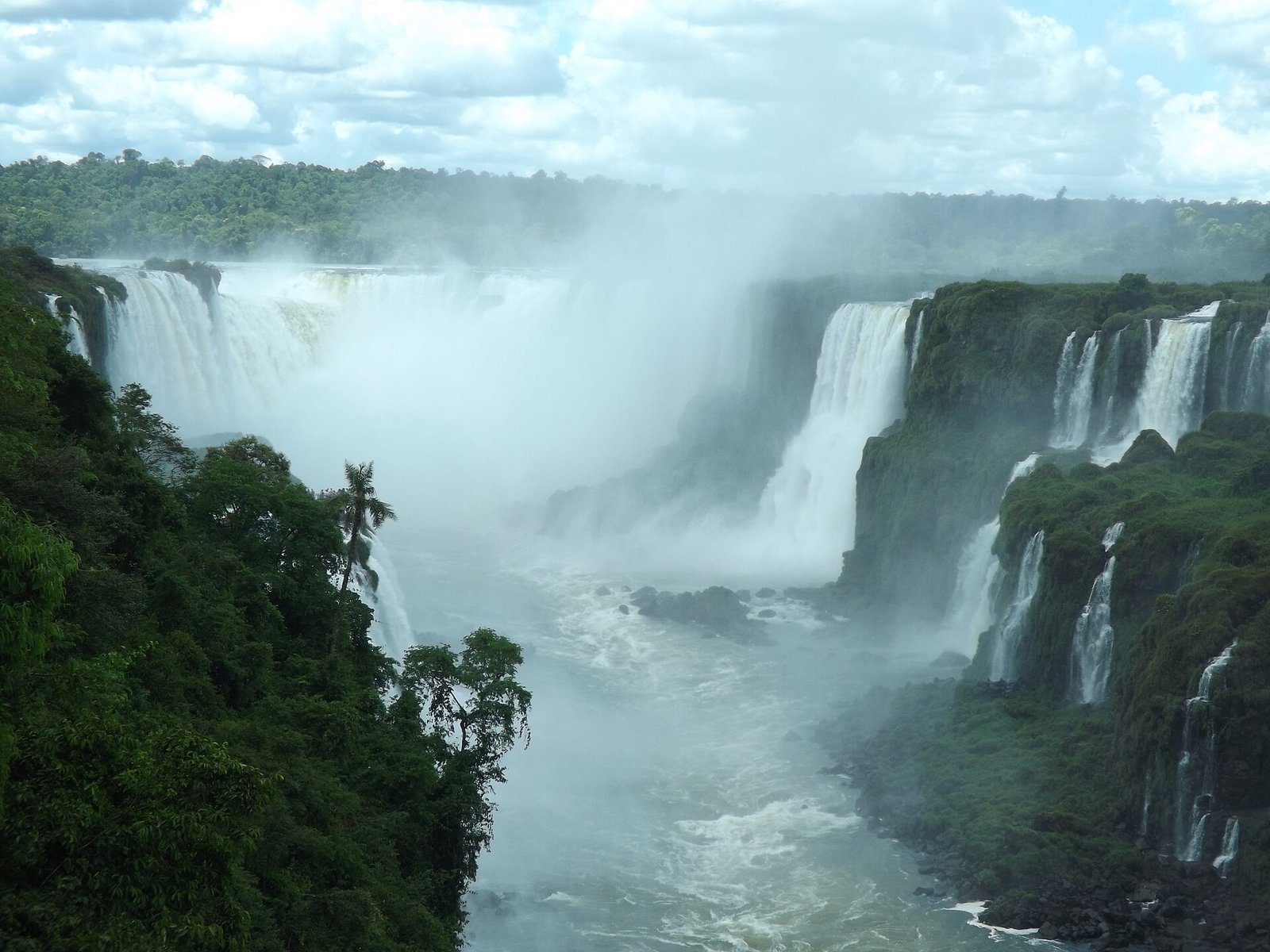
Iguazu Falls in October 2026: high water and closed walkways
Short answer: both parks are open, but the Devil’s Throat walkway on the Brazilian side has been closed since October 11 because of flooding, and Argentina’s Garganta del Diablo circuit has been closed since August with no reopening date.
According to Iguaçu National Park, the flow peaked at around 16 million liters per second on October 14, more than ten times the historical average of 1.5 million. On October 19 it was still 6.2 million. Under the Brazilian safety protocol, the walkway over the river closes when the flow exceeds 8.5 million liters per second and only reopens after an inspection. The main trail stays open, as do the viewpoints at the start of the trail, the lower viewpoint at Espaço Naipi and Espaço Tarobá.
On the Argentine side, the park reopened on October 13 with the Upper and Lower circuits. The walkway to the Garganta del Diablo was dismantled as a precaution in August, ahead of an El Niño forecast, and there is no date to put it back. This has happened before: the 2023 flood, above 20,000 cubic meters per second, wrecked more than half of that walkway.
Is it still worth going? We think so. With the river this high, the sheer volume of water is something few visitors ever see. Just adjust your expectations and check cataratasdoiguacu.com.br and the Iguazú National Park portal on the day.
A short history: from “big water” to Itaipu
Short answer: the name comes from Guarani and means “big water”; the Brazilian park was created in 1939 and has been a UNESCO World Heritage Site since 1986, two years after its Argentine neighbor.
In Guarani, y means water and guasu means big. It’s an honest description: a wide river that, a few kilometers before joining the Paraná, drops over hundreds of cascades up to 80 meters high along an arc about 2.7 km long.
Iguaçu National Park was established on January 10, 1939, by Decree-Law 1,035, signed by President Getúlio Vargas. It was enlarged in 1944 and 1981 and now protects close to 170,000 hectares of Atlantic Forest, home to jaguars, ocelots, tapirs, giant anteaters, giant otters, broad-snouted caimans and the harpy eagle. UNESCO inscribed it in 1986. Argentina’s Iguazú National Park dates from 1934 and was inscribed in 1984. In 2011 the falls were voted one of the New 7 Wonders of Nature.
The city itself changed scale because of Itaipu. Brazil and Paraguay signed the treaty on April 26, 1973; construction began in 1974 and employed around 40,000 workers at its peak. Foz had roughly 20,000 residents before the project and over 100,000 a decade later. The reservoir filled in October 1982 in just 14 days, drowning the Sete Quedas falls. In Tupi, Itaipu means “the stone that sings”.
When to visit Foz do Iguaçu: weather and water flow by month
Short answer: Foz works year-round; for comfortable hiking go April to June or August to October. For maximum water, summer is usually better, but the flow depends on rainfall and changes week to week.
The climate is subtropical, with hot summers and winters that catch people out in shorts. The figures below come from Visit Iguassu, the destination’s tourism bureau. For a wider view of Brazil’s seasons, see our guide on when to visit Brazil.
| Months | Typical temperature | What to expect |
|---|---|---|
| December to March (summer) | 25 °C to 38 °C | Intense heat, afternoon showers, lush forest and usually more water. Brazilian school holidays mean crowds. |
| April to June (autumn) | 15 °C to 25 °C | Pleasant hiking weather; it cools down from late May. |
| July to August (winter) | 10 °C to 20 °C, can drop to 5 °C | Chilly mornings and evenings, busy July holidays. August and September are usually the driest months. |
| September to November (spring) | 17 °C to 30 °C | Ipê trees bloom in late winter and early spring; a good season, but floods like October 2026 can happen. |
About water flow: the historical average is 1.5 million liters per second, but major floods hit in October 2022, in 2023 and again in 2026, while dry years can shrink the falls noticeably. No month is guaranteed. If seeing the Devil’s Throat up close is a must, build a spare day into your plan.
How to get to Foz do Iguaçu
Short answer: fly into IGU airport, which has direct flights from Brazilian hubs such as São Paulo, Rio de Janeiro and Curitiba, among others.
The airport, run by Motiva (formerly CCR Aeroportos), sits on BR-469, the same highway that leads to the national park. It’s about 13 km to downtown, and the park’s Visitor Center, at km 18, is just up the road. That makes a handy trick possible: on a morning arrival you can head straight to the falls.
Entry to Brazil: since April 10, 2025, citizens of the United States, Canada and Australia need a visitor visa, which can be requested online as an e-Visa. Check our Brazil visa requirements guide and the official Brazilian consulate pages before booking.
Getting around and crossing into Argentina and Paraguay
Short answer: city buses or ride-hailing cover the Brazilian sights; for Argentina, international visitors need a valid passport; for Ciudad del Este, Paraguay doesn’t require migration registration if you stay within about 30 km of the border and return through the same crossing.
Inside Foz
Bus line 120 (Parque Nacional) leaves the downtown Urban Transport Terminal and stops at the airport and Bird Park before ending at the national park’s Visitor Center. It’s the cheapest way to the Brazilian falls. For Itaipu and the Triple Frontier Landmark, apps and taxis are usually worth it, especially for groups. For more on transport across the country, read how to get around Brazil.
To Argentina (Puerto Iguazú and the Argentine park)
You cross on the Tancredo Neves International Bridge, where both countries run a joint border center. Foreign visitors need a valid passport (Mercosur residents can use their national ID), and minors traveling without both parents need specific authorizations. Rental cars need the rental company’s written permission to cross plus Mercosur insurance (Carta Verde), so many travelers simply book a transfer or take a taxi. At the Argentine park, the ticket office accepts cash and Visa or Mastercard; carry some pesos for small purchases.
To Paraguay (Ciudad del Este)
The Friendship Bridge (Ponte da Amizade) leads to Ciudad del Este. Under the rules of Paraguay’s Dirección Nacional de Migraciones, visitors who stay within the roughly 30 km border zone and enter and leave through the same post do not need to register, but must carry valid ID because random checks happen. If you plan to travel deeper into Paraguay or leave through another crossing, get your entry stamped.
Practical safety tips for both crossings: stick to large, established stores, keep receipts, don’t flash cash, and plan your return early, since the bridge often backs up in the late afternoon.
Brazilian side vs Argentine side: which is better?
Short answer: do both. The Brazilian side gives you the big panorama in a short walk; the Argentine side puts you right among the falls, with several hours of walkways and trails.
| Brazilian side | Argentine side | |
|---|---|---|
| Best for | Front-on panoramic views | Walking above and below the cascades |
| Time needed | Half a day | Full day |
| Main trail | Cataratas Trail, about 1.5 km | Upper and Lower circuits, train, Garganta del Diablo |
| 2026 ticket | R$134 (international) | AR$60,000 (foreigners) |
| Hours | Mon–Fri 9 am–4 pm; Sat–Sun 8:30 am–4 pm (ticket sales) | 8 am–6 pm |
Iguaçu National Park (Brazil)
Tickets are sold online with a set date and entry time. From the Visitor Center, park buses take you to the start of the Cataratas Trail, roughly 1.5 km with viewpoints along the way, ending at the Devil’s Throat walkway (closed during the current flood) and Espaço Naipi, which has ramps and a panoramic elevator. Longer options include the Bananeiras trail and the Poço Preto trail, 9 km each way, on foot or by bike. Children up to 6 enter free.
Iguazú National Park (Argentina)
Your ticket covers the Rainforest Ecological Train, the Upper Circuit, the Lower Circuit, the Garganta del Diablo circuit (when open) and the Macuco and Verde trails. The first train leaves at 8:20 am. There’s a discount for a second consecutive day and a three-day pass for AR$120,000. Start early and give it the whole day. Our team also compared both sides in Spanish in this side-by-side guide.
Other must-do experiences in Foz do Iguaçu
Short answer: beyond the falls, the most popular experiences are Macuco Safari, Bird Park, Itaipu Dam and the Triple Frontier Landmark; you can fit them all into four days.
Macuco Safari
This is the boat trip that takes you to the base of the falls inside the national park. It lasts about two hours, combining a ride through the forest with 25 to 30 minutes on the river. Departures run every 20 minutes and no booking is needed. In 2026 an adult ticket costs R$384, and the park entrance is charged separately. You will get soaked: bring a change of clothes and a waterproof phone pouch.
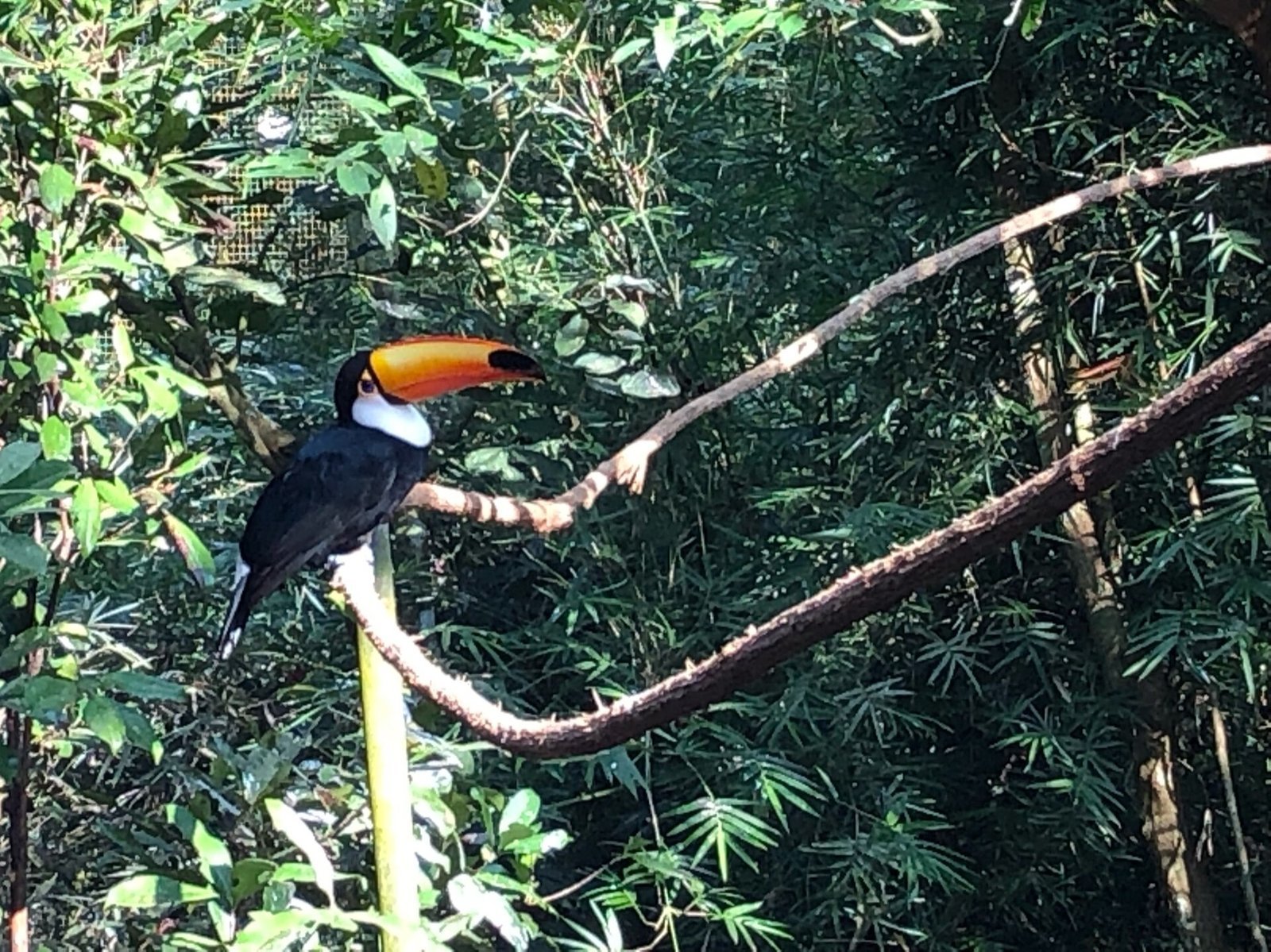
Bird Park (Parque das Aves)
It sits right next to the national park entrance, so it pairs well with an afternoon on the same day. A paved, accessible trail of about 2 km winds through the forest and walk-through aviaries full of toucans, macaws and other birds. Tickets cost R$110 for Brazilians and foreigners alike (children up to 8 free) until November 30, 2026; it opens daily from 8:30 am to 4:30 pm.
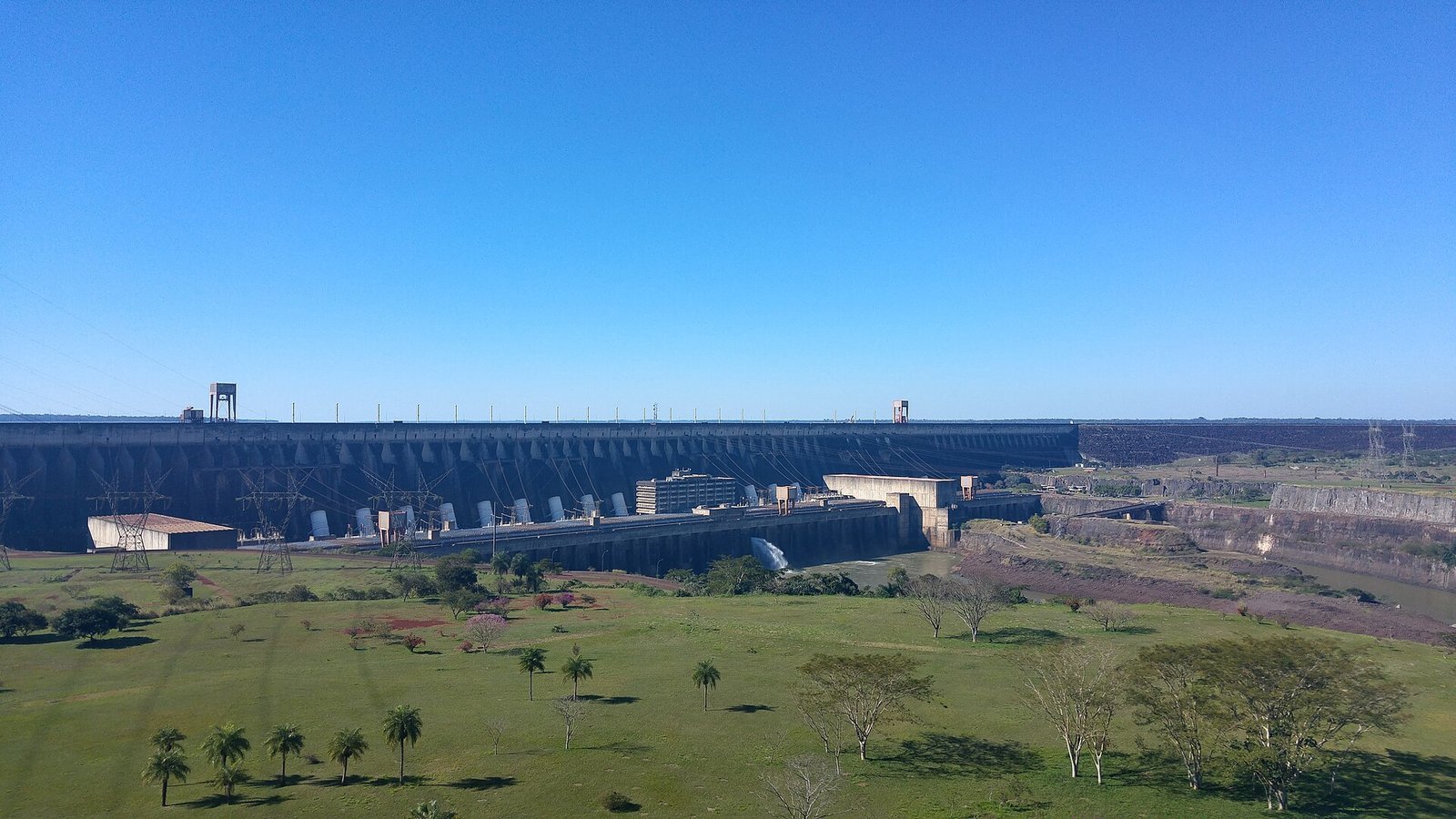
Itaipu Dam
The Panoramic tour (R$63, about 1 hour 10 minutes, with an audio guide in three languages) takes you along the dam by bus with stops at viewpoints. The Special circuit (R$185, 2.5 hours, ages 14 and up) goes inside the plant, including the control room. On Friday and Saturday nights at 7 pm, Itaipu Illuminated (R$50) shows the dam lit up. Payment is in Brazilian reais only. In 2016 Itaipu became the first hydro plant to top 100 million MWh in a year, and in 2024 Guinness recognized it as the world’s largest in cumulative hydroelectric output.
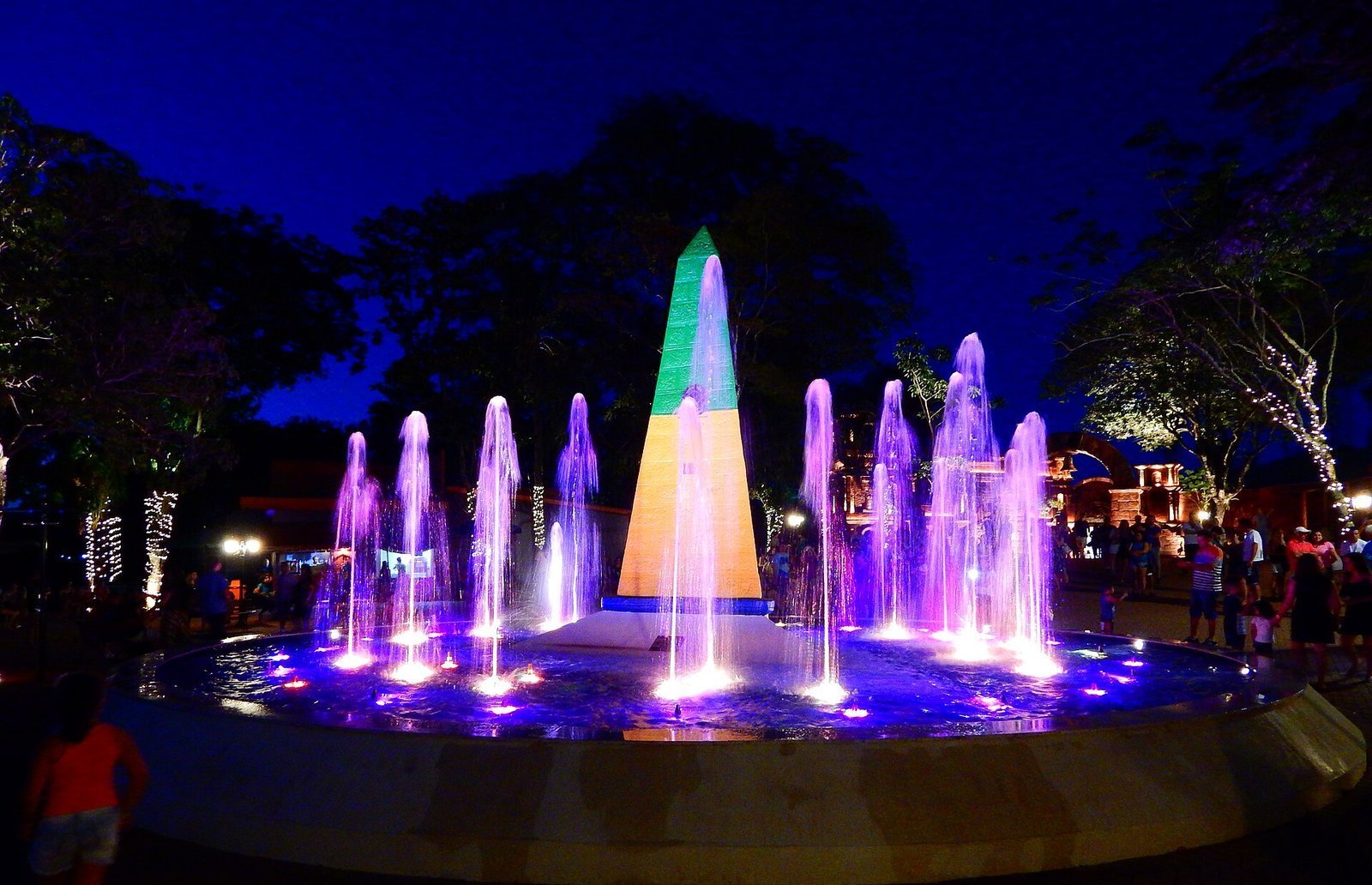
Triple Frontier Landmark (Marco das Três Fronteiras)
This is where the Iguaçu and Paraná rivers meet, with Argentina and Paraguay in view across the water. It opens Tuesday to Sunday from 2 pm to 9 pm, with a cultural show from 6:15 pm. Tickets are R$60. Arrive before sunset, which is the best moment here.
Ciudad del Este
For most visitors, Paraguay means shopping for electronics, perfume and liquor. Research prices before you go, compare with home and keep in mind Brazil’s customs allowance if you’re continuing your trip in Brazil: US$500 per person for goods brought in by land. Half a day is plenty. On the way back, walk the Avenida Brasil in downtown Foz for shops and snacks.
What to eat in Foz do Iguaçu
Short answer: try the Pirá de Foz, Paraguayan staples like chipa and sopa paraguaya, and an Argentine parrilla; the city blends the three border cuisines.
Pirá de Foz was chosen as the city’s signature dish in 1996: surubim catfish in ginger sauce, served with cassava purée and spinach rice. Paraguayan influence shows up in chipa, a horseshoe-shaped cheese bread, and sopa paraguaya, which despite the name is a savory corn and cheese cake. Across the bridge, Puerto Iguazú is the place for grilled beef and empanadas. Foz also has churrascarias with Latin American dance shows and a large Arab community that left the city with good Lebanese restaurants.
3 to 4 day Foz do Iguaçu itinerary
Short answer: give each side of the falls a day and spend a third day on Itaipu and the Triple Frontier; with a fourth day, add Bird Park, Macuco or Paraguay.
- Day 1, Brazilian side: enter Iguaçu National Park at opening, walk the Cataratas Trail and do Macuco Safari late morning. Spend the afternoon at Bird Park next door.
- Day 2, Argentine side: leave early, catch the first train and walk the Upper and Lower circuits. Have dinner in Puerto Iguazú or head back to Foz.
- Day 3, Itaipu and the Triple Frontier: Panoramic or Special tour in the morning, the free Ecomuseum (Wednesday to Monday) and sunset at the Triple Frontier Landmark.
- Day 4, flexible: Ciudad del Este in the morning, the Itaipu Biological Refuge or one of the national park’s longer trails, such as Poço Preto.
Building a longer trip? Foz fits neatly into our 10-day Brazil itinerary with Rio, Iguaçu Falls and Salvador, and our Rio de Janeiro travel guide covers the most common starting point. Traveling with kids? See our best Brazil family destinations.
How much does a trip to Foz do Iguaçu cost?
Short answer: tickets alone for the main Brazilian-side attractions (national park, Macuco, Bird Park, Itaipu Panoramic and the Triple Frontier) add up to about R$750 per adult in 2026, before the Argentine park, lodging, transport and food.
| Attraction | 2026 adult ticket |
|---|---|
| Iguaçu National Park (Brazil) | R$134 (international visitors) |
| Iguazú National Park (Argentina) | AR$60,000 (foreigners) |
| Macuco Safari (boat + forest ride) | R$384 |
| Bird Park | R$110 |
| Itaipu Panoramic / Special | R$63 / R$185 |
| Triple Frontier Landmark | R$60 |
What the Argentine ticket costs in your currency depends on the exchange rate that day. To save money, buy online, take bus 120 to the national park and choose a hotel with breakfast included. Prices are as published by each attraction for 2026 and may change.
Where to stay in Foz do Iguaçu
Short answer: stay on Avenida das Cataratas if your focus is the parks and family leisure; stay downtown if you want restaurants nearby and lower rates. For a once-in-a-lifetime stay, Hotel das Cataratas is the only hotel inside the Brazilian park.
The list below covers real properties across budgets, each linked to its official website. We don’t publish rates because they swing a lot by date; check directly with the hotel.
Hotel das Cataratas, A Belmond Hotel (luxury, inside the park)
The only hotel inside the national park on the Brazilian side, facing the falls. It has 176 rooms and suites, a pool and exclusive early and late access to the falls outside public hours, which is priceless during high water. Official website
Wish Foz do Iguaçu Resort (luxury resort)
A five-star resort surrounded by greenery, with pools, a leisure program and its own golf course, the Iguassu Falls Golf Club. Good if you want to spend part of your time at the hotel. Official website
Bourbon Thermas Eco Resort Cataratas do Iguaçu (family resort)
On Avenida das Cataratas, set in 245,000 m² of preserved native forest, with thermal pools and kids’ activities. Official website
Mabu Thermas Grand Resort (resort with water park)
Also on Avenida das Cataratas, with thermal pools, a spa and access to Blue Park, the group’s water park. A hit with children. Official website
Vivaz Cataratas Resort (nature resort)
On Avenida das Cataratas in the Carimã area, on the way to the park, with a heated pool, water park, spa and forest trails. Pet-friendly. Official website
Viale Cataratas Hotel & Eventos (mid-range, tourist corridor)
A modern 199-room hotel on Avenida das Cataratas, close to the airport, the park and the road to Argentina, with adult and kids’ pools and a gym. Official website
Rafain Palace Hotel & Convention (large hotel with grounds)
With 270 rooms and 63,000 m² of leisure grounds, it’s one of the biggest hotels in town and popular with groups and events. Official website
Nadai Confort Hotel & SPA (downtown)
On Avenida República Argentina downtown, with a spa. A good base if you like walking to dinner and using apps for day trips. Official website
Continental Inn (downtown)
On Avenida Paraná downtown, with a generous breakfast, a restaurant and a complimentary afternoon tea. Practical and good value. Official website
Tetris Container Hostel (budget)
A hostel built from shipping containers on Avenida das Cataratas, with a pool and private rooms only. Young crowd and weekend parties. Official website
Video: Foz do Iguaçu, a world destination
This official video from Visit Iguassu shows the falls, Itaipu and the feel of the city. It helps you grasp the scale of the place before you plan.
Foz do Iguaçu FAQ
How many days do you need in Foz do Iguaçu?
Plan 3 full days: one for the Brazilian side of the falls, one for the Argentine side and one for Itaipu Dam and the Triple Frontier Landmark. With 4 days you can add Bird Park, Macuco Safari and Ciudad del Este at an easy pace.
Which side of Iguazu Falls is better, Brazil or Argentina?
They complement each other. The Brazilian side gives the panoramic view on a trail of about 1.5 km in half a day. The Argentine side has walkways above and below the falls and needs a full day.
How much are Iguazu Falls tickets in 2026?
Iguaçu National Park in Brazil charges R$134 for international visitors and R$121 for Brazilians and Mercosur residents. Iguazú National Park in Argentina charges foreigners AR$60,000. Children up to 6 enter free on both sides.
Is the Devil’s Throat open?
Not as of October 2026. The Brazilian walkway has been closed since October 11 because of flooding, and Argentina’s Garganta del Diablo circuit has been closed since August with no reopening date. Check the official park websites before you go.
Do I need a visa for Brazil to visit Iguazu Falls?
It depends on your passport. Since April 10, 2025, citizens of the United States, Canada and Australia need a Brazilian visitor visa, available online as an e-Visa. Many other nationalities, including most EU citizens, can visit visa-free; check the official consulate site for your country.
Can I visit the Argentine side from Foz do Iguaçu in one day?
Yes. The Argentine park is a short drive across the Tancredo Neves Bridge. Bring your passport, leave early to catch the first train at 8:20 am and plan to spend the whole day there.
Do I need my passport to go to Ciudad del Este?
Carry it. Paraguay doesn’t require migration registration for visitors who stay within about 30 km of the border and return through the Friendship Bridge, but you must carry valid ID because random checks happen.
What is the best time of year to visit Foz do Iguaçu?
Foz works year-round. April to June and August to October have the most comfortable temperatures for walking; summer is hotter and usually brings more water over the falls, but the flow depends on rainfall.
How do I get from the airport to the falls?
The airport is on the same highway as the national park, BR-469, just a few kilometers from the Visitor Center. You can take a taxi, a ride-hailing app or city bus line 120, which stops at the airport on its way to the park.
Where is the best place to stay in Foz do Iguaçu?
Avenida das Cataratas has most of the resorts and sits between the airport, the park and downtown. Downtown has cheaper hotels and restaurants within walking distance. Hotel das Cataratas is the only hotel inside the Brazilian park.
Sources
- Iguaçu National Park: cataratasdoiguacu.com.br (2026 tickets, opening hours, trails, October 2026 flow bulletins)
- Iguazú National Park: iguazuargentina.com and argentina.gob.ar (fees and hours)
- UNESCO World Heritage Centre: Iguaçu National Park and Iguazú National Park
- Itaipu Binacional: itaipu.gov.br and turismoitaipu.com.br
- Bird Park: parquedasaves.com.br; Macuco Safari: macucosafari.com.br; Triple Frontier Landmark: marcodastresfronteiras.com.br
- Brazil’s Ministry of Foreign Affairs (e-Visa rules), Paraguay’s Dirección Nacional de Migraciones and Receita Federal (customs allowance)
- Visit Iguassu: iguassu.com.br (climate); Motiva Airports (IGU airport)