Recife is a city of rivers, bridges and sea. The capital of Pernambuco state had 1,488,920 residents in Brazil’s 2022 census, and it is laced by the Capibaribe and Beberibe rivers, which meet in the old town before reaching the Atlantic. That is why Brazilians call it the Venice of Brazil. For visitors, Recife is really three trips in one: Recife Antigo, the historic island with the Marco Zero square, the first synagogue in the Americas and museums of frevo and the backlands; Boa Viagem, an urban beach where a reef forms warm natural pools at low tide; and Olinda, the colonial hill town right next door.
Recife is also the base for the most famous stretch of coast in Brazil’s Northeast. Day trips leave from here for Porto de Galinhas, Praia dos Carneiros, Maragogi, Cabo de Santo Agostinho and João Pessoa, and this is where you catch the flight to Fernando de Noronha. This Recife Brazil travel guide covers the weather month by month using official INMET data, entry rules for foreign visitors, how to get from the airport to your hotel, what buses, the metro, museums and tours cost in 2026, what to do in each neighborhood, what to eat, how Carnival and the Galo da Madrugada work, the shark warnings on the city beaches, 3-, 5- and 7-day itineraries and ten real hotels, each linked to its official website.
Quick facts: Recife, Brazil
- What it is: the capital of Pernambuco state, with 1,488,920 residents in the 2022 IBGE census. Neighboring Olinda, a UNESCO World Heritage Site, had 349,976.
- Best time to visit: September to February, the drier half of the year. October and November get less than 55 mm of rain a month. The rainy season runs from March to August and peaks in June, with more than 390 mm.
- Temperature: average highs of 27.9–31 °C (82–88 °F) and lows of 20.7–23.3 °C (69–74 °F) all year (INMET 1991-2020 normals, Recife Curado station).
- Getting there: Recife/Guararapes-Gilberto Freyre International Airport (REC), about 11 km from downtown, right next to Boa Viagem, with its own metro station.
- Getting around: buses cost R$ 4.50 and the metro R$ 4.25 since February 1, 2026, with 2-hour transfers on the VEM card. Uber, 99 and taxis work well between Boa Viagem, downtown and Olinda.
- Daily budget: roughly R$ 250–400 per person on a budget trip, excluding accommodation and paid tours (our estimate).
- How many days: 3 days for Recife and Olinda. With 5, add Porto de Galinhas and the Brennand museums; with 7, add Carneiros or Maragogi.
- Where to stay: Boa Viagem for the beach and the widest choice of hotels; Pina for a spot between the beach and downtown; Recife Antigo and São José to walk to museums; Olinda for character guesthouses in the historic center.
Entry requirements, money and practical basics
Direct answer: US, Canadian and Australian citizens need a Brazilian eVisa, applied for online before the trip; citizens of many countries, including most of the EU, the UK and South America, can enter as tourists without a visa. Brazil’s currency is the real (R$), cards are widely accepted, and Recife runs on 220 V power.
- eVisa: since April 10, 2025, Brazil requires a visa from citizens of the United States, Canada and Australia. The application is online through the official provider linked from the Brazilian Ministry of Foreign Affairs site, costs US$ 80.90 and allows stays of up to 90 days. Processing can take up to 10 business days, so apply well ahead and only through official channels.
- Other passports: rules vary by nationality, so check the Ministry of Foreign Affairs visa table before booking.
- Money: withdraw reais from bank ATMs inside shopping malls or at the airport, which are safer than street machines. Credit and debit cards work in hotels, restaurants and most shops. Pix, the instant transfer system Brazilians use for almost everything, usually needs a Brazilian bank account; as a visitor, plan on cards plus some cash for markets, street food and the Porto de Galinhas raft rides.
- Language: Portuguese. English is spoken at larger hotels and some tour desks, much less at markets and beach kiosks. Download a translation app with offline Portuguese.
- Power: Recife uses 220 V. That matters if you are coming from Rio or São Paulo, where it is 127 V. Check your chargers and hair dryers before plugging in, and bring a plug adapter.
- Tipping: restaurants usually add a 10% service charge to the bill. It is technically optional.
- Time zone: Recife is on UTC-3 all year, with no daylight saving time.
- Emergency numbers: Military Police 190, ambulance (SAMU) 192 and fire department 193.
A short history: from a reef harbor to a state capital
Direct answer: Recife began as Olinda’s port. Its name comes from the reef that runs along the coast and created a natural harbor, mentioned in Olinda’s 1537 charter, the date the city uses as its founding year. The Dutch occupied Pernambuco from 1630 to 1654 and, under Johan Maurits of Nassau, turned the settlement into a city with bridges, palaces and the first synagogue in the Americas. Recife became the capital of Pernambuco in 1827.
In the 16th century, Olinda was the seat of the captaincy and the wealthy sugar town on the hills. Down below, on a spit of sand between the river and the sea, sat the port: a handful of warehouses and fishermen’s houses sheltered by the stone barrier you can still see at low tide. That barrier, the arrecife, gave the city its name.
The turning point was the Dutch invasion. The Dutch West India Company took Olinda and the port in 1630, burned the hill town and made the island by the sea the center of its Brazilian colony. Between 1637 and 1644, governor Johan Maurits brought artists, scientists and engineers, built palaces, gardens and the city’s first major bridge, and laid out Mauritsstad on the islands of Santo Antônio and São José. The religious tolerance of the period let Jews arriving from the Netherlands, many of Portuguese descent, open the Kahal Zur Israel synagogue on what is now Rua do Bom Jesus, considered the first in the Americas. When the Portuguese retook Pernambuco in 1654, part of that community left, and one group helped found the Jewish community of New Amsterdam, the future New York.
After the Dutch were expelled, Recife grew as the sugar port and clashed with Olinda’s landed aristocracy. The city was the stage for the Pernambucan Revolution of 1817 and the Confederation of the Equator in 1824, two uprisings that challenged the Crown. In 1827 it became the provincial capital. The 19th century left the Teatro de Santa Isabel, the iron-framed São José Market, the old prison that is now the Casa da Cultura craft center and much of downtown’s architecture.
In the 20th century Recife spread south toward Boa Viagem beach, which became the city’s most populous neighborhood, with 125,805 residents in the 2010 census. In the 1990s, the Manguebeat movement led by Chico Science and Nação Zumbi mixed maracatu drumming with rock and hip hop and put the city on Brazil’s musical map. In 2000, the Porto Digital tech park began moving into restored buildings in Recife Antigo, which today mixes software companies, bars and museums on the same blocks. The city has 94 official neighborhoods and anchors a metropolitan area that includes Olinda, Jaboatão dos Guararapes, Paulista and Cabo de Santo Agostinho.
When to visit Recife: weather month by month
Direct answer: the best time to visit Recife is September to February. October and November are the driest months, with 52.8 mm and 39 mm of rain on average, and December and January bring strong sun and calm seas. The rainy season runs from March to August, with June topping 390 mm. Temperatures barely change: highs stay between 28 °C and 31 °C (82–88 °F) all year.
The table uses INMET’s 1991-2020 climate normals for the Recife (Curado) weather station.
| Month | Average low and high | Average rain (mm) |
|---|---|---|
| January | 23.1–30.8 °C (74–87 °F) | 106.6 |
| February | 23.3–31.0 °C (74–88 °F) | 127.0 |
| March | 23.2–30.9 °C (74–88 °F) | 197.2 |
| April | 22.8–30.4 °C (73–87 °F) | 268.9 |
| May | 22.3–29.6 °C (72–85 °F) | 317.1 |
| June | 21.5–28.5 °C (71–83 °F) | 390.5 |
| July | 21.0–27.9 °C (70–82 °F) | 314.8 |
| August | 20.7–27.9 °C (69–82 °F) | 186.7 |
| September | 21.5–28.6 °C (71–83 °F) | 93.3 |
| October | 22.4–29.6 °C (72–85 °F) | 52.8 |
| November | 22.8–30.4 °C (73–87 °F) | 39.0 |
| December | 23.0–30.8 °C (73–87 °F) | 61.6 |
| Year | 22.3–29.7 °C (72–85 °F) | 2,155.5 |
Recife is much wetter than Fortaleza or Natal: more than 2,100 mm a year, almost all of it between March and August. In those months, downpours can last for hours and flood streets downtown and in Boa Viagem, something locals know well. From September to February the pattern switches to sunny days, sea breeze and, when it rains at all, short late-afternoon showers.
High season, holidays and prices
December, January and Carnival are the busiest periods. Hotel rates go up, tours to Porto de Galinhas and Carneiros sell out, and hotels in Olinda and Recife Antigo are booked months ahead for Carnival week. July has Brazilian school holidays but falls right in the rainy season. September, October and November combine dry weather, good conditions for the natural pools and lower prices than the summer peak. They are also when the tour operator Luck Receptivo still charges its low-season rates, valid until December 18.
Can you go in the rainy season?
Yes, if you stay flexible. Between April and July, plan museums for the gray days and keep the beach for sunny mornings, which happen even in winter. Recife Antigo, the Instituto Ricardo Brennand, the Oficina Francisco Brennand and the Cais do Sertão work in any weather. On the other hand, raft trips to the Porto de Galinhas natural pools depend on low tide and calm water and can be canceled.
Sun and tides
Recife sits about 8 degrees south of the equator, and the sun burns fast, even through clouds. Use high-SPF sunscreen and a hat. For the natural pools at Boa Viagem and Porto de Galinhas, check a tide table before you go: the best time is low tide, ideally a very low one close to 0.0 m, and the time changes every day.
How to get to Recife: by plane, bus and car
Direct answer: most visitors arrive at Recife/Guararapes-Gilberto Freyre International Airport (REC), run by Aena, about 11 km from downtown and right next to Boa Viagem. It is one of the busiest airports in Brazil’s Northeast, with flights to every capital in the region, to Rio and São Paulo, to international destinations and direct to Fernando de Noronha.
Recife International Airport (REC)
The airport can handle 8.7 million passengers a year, according to Aena, and its codes are REC (IATA) and SBRF (ICAO). Recife is one of Azul’s main connecting hubs in the Northeast, and international traffic grew by about 40% through July 2026, according to the travel trade site Panrotas, with routes to Europe and South America. International routes change by season, so check which direct flights are available for your dates. For Fernando de Noronha, Azul and GOL fly direct in about 1 hour 20 minutes.
From the airport to Boa Viagem, downtown or Olinda
- Metro: Aeroporto station, on the South Line, is the closest to the terminal and runs from 5 am to 11 pm. It is linked by a walkway of about 500 meters. A ticket costs R$ 4.25 and the ride to Recife station, downtown, takes about 38 minutes. It works if you are heading downtown with light luggage; the metro does not run along the Boa Viagem seafront.
- Taxi: Aena lists regular taxis, 24 hours, at the North and South arrivals areas, phone +55 81 3322-5050, and special taxis, 24 hours, at South arrivals, phone +55 81 3322-4153.
- Ride-hailing: Uber and 99 serve the airport. The ride to Boa Viagem is usually short, 10 to 20 minutes without traffic; to Recife Antigo, 20 to 35 minutes; to Olinda, 35 to 50 minutes. Check the fare in the app at the time.
- Shuttle: Luck Receptivo sells a shared transfer from the airport to hotels in Boa Viagem and Piedade for R$ 44 per person until December 18, 2026, R$ 49.50 from December 19 to January 31, and R$ 45 in 2027.
By bus or car
The Terminal Integrado de Passageiros (TIP), in the Curado neighborhood, handles interstate buses and has its own metro station. By road, Recife is about 115 km from João Pessoa and 250 km from Maceió, and the BR-101 and BR-232 highways connect the city with the south and north coasts and the interior. For Porto de Galinhas there are metropolitan bus lines from downtown, with fares in the day trips section.
Getting around Recife: buses, metro, BRT, taxis and apps
Direct answer: in 2026, a bus ride costs R$ 4.50 on the main fare zone and the metro costs R$ 4.25, with transfers of up to 2 hours between bus, metro and light rail on the VEM card. For visitors, the easiest approach is to walk in Recife Antigo and Olinda and use Uber, 99 or taxis between Boa Viagem, downtown and the museums in Várzea.
Fares set by the Grande Recife transport consortium under Resolution CSTM 002/2026 have applied since February 1, 2026. The standard single fare is R$ 4.50, the shortest lines cost R$ 3.00 and the student fare is R$ 2.25. The metro, operated by CBTU, has the Center Line, linking Recife station with Camaragibe and Jaboatão, and the South Line, which passes the airport and runs to Cajueiro Seco. There are also BRT corridors and a light rail line (VLT) within the same integrated system.
In practice, public transport is cheap and covers the whole city, but buses get packed at rush hour and the heat is real. If you stay in Boa Viagem and spend the day in Recife Antigo, a ride-hailing car does the trip in 20 to 30 minutes outside peak hours. Olinda is a short ride from downtown; from Boa Viagem, allow 40 minutes to an hour with traffic. For the Instituto Ricardo Brennand and the Oficina Francisco Brennand, both in Várzea on the far west side of the city, a car is the simplest option.
Renting a car only makes sense for independent day trips. In the city, traffic is heavy, downtown streets are narrow and parking in Recife Antigo and Olinda is hard. The catamaran tours on the Capibaribe River are an attraction in themselves and also a good way to see the bridges without traffic.
Recife neighborhoods: where each one fits
Direct answer: Boa Viagem is the beach, hotel and restaurant district; Recife Antigo has Marco Zero and the museums; Santo Antônio and São José have the baroque churches and the markets; Boa Vista and Graças are residential and full of bars; Várzea is home to the two Brennand museums; and Olinda is a separate town next door, with its historic center on the hills.
Boa Viagem and Pina
Boa Viagem is the city’s modern postcard: an avenue of high-rises facing a beach of about 7 km, with a promenade, kiosks and the reef that forms pools at low tide. It has the widest choice of hotels, restaurants, supermarkets and pharmacies, plus the Shopping Recife mall. Pina sits at the start of the seafront, closer to downtown, and has Parque Dona Lindu, designed by Oscar Niemeyer. It is the most practical base for a first trip, as long as you respect the shark warnings explained in the safety section.
Bairro do Recife (Recife Antigo)
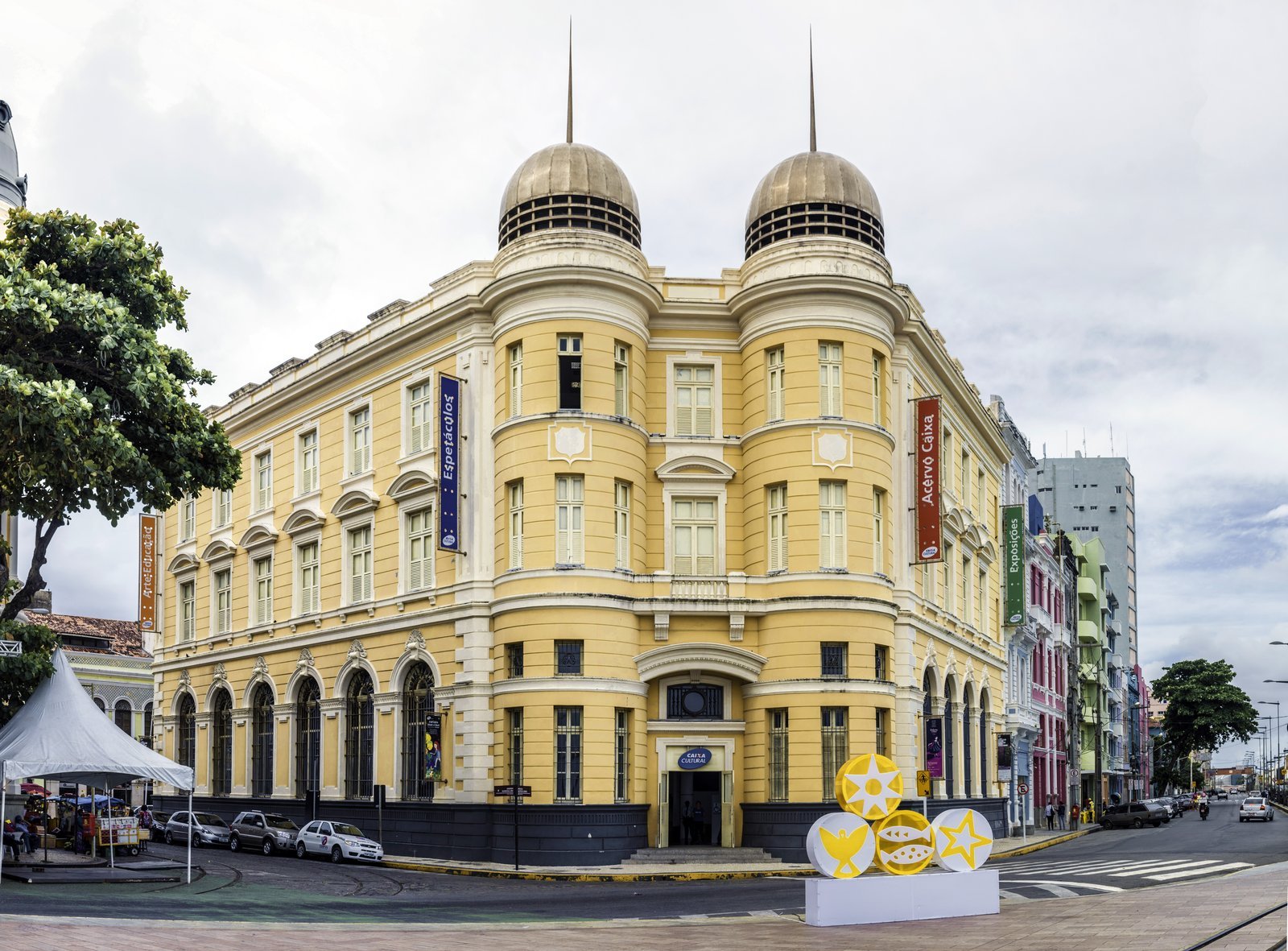
This is the island where the city was born, with Marco Zero, Rua do Bom Jesus, the Kahal Zur Israel synagogue, Paço do Frevo, Cais do Sertão, the Giant Puppets museum and the Porto Digital tech park. By day, it is the best place in the city to explore on foot; in the evenings and on weekends, bars and events on the square bring it to life. Outside those times, some streets are empty.
Santo Antônio, São José and Boa Vista
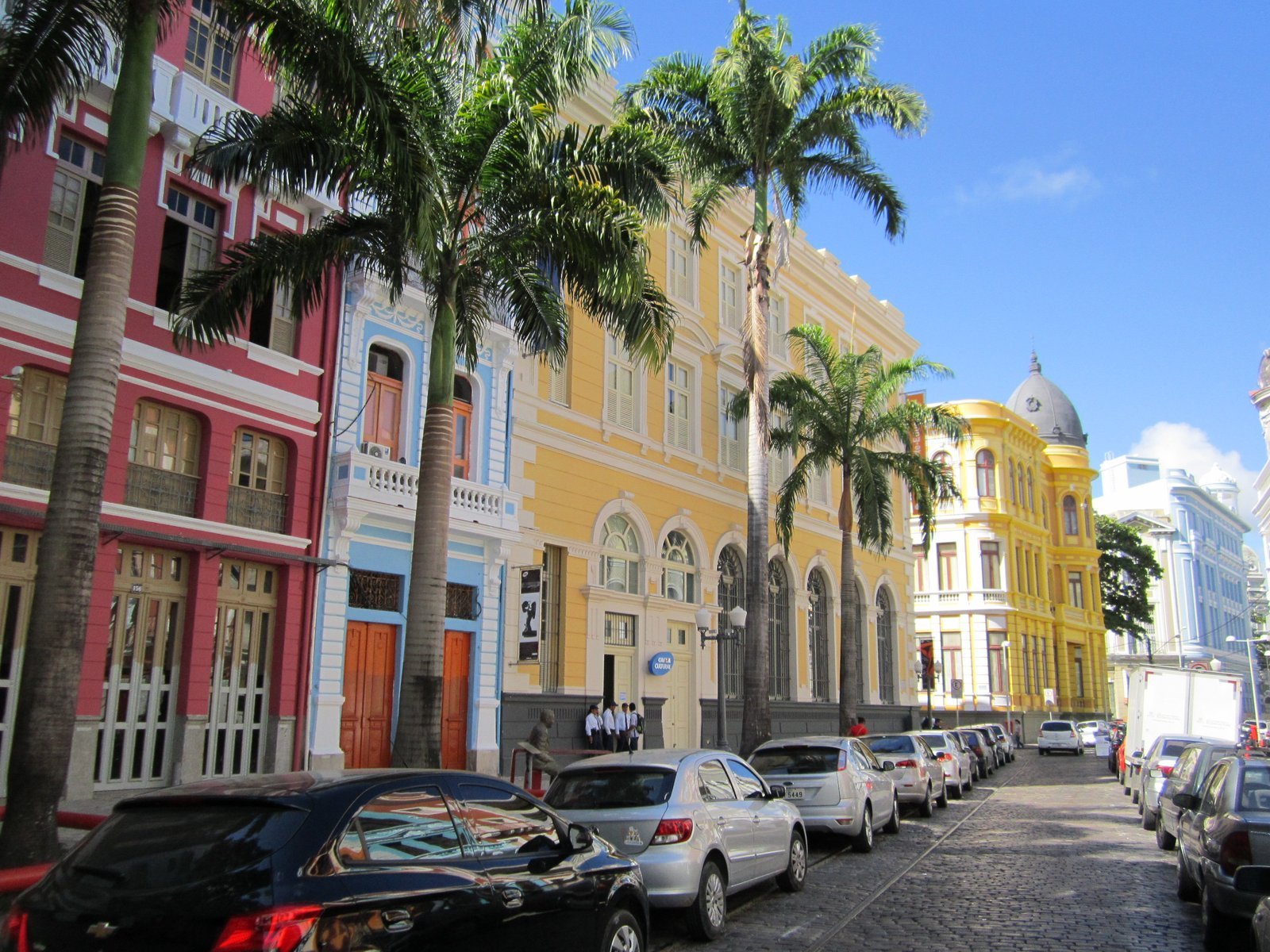
Across the Maurício de Nassau bridge lies the commercial and historic center: the Golden Chapel, Pátio de São Pedro, the São José Market, Casa da Cultura, the Forte das Cinco Pontas and the Teatro de Santa Isabel on Praça da República. Boa Vista, to the north, has Rua da Aurora, with colorful old houses along the Capibaribe. Visit these areas by day, ideally on a weekday, when shops are open.
Graças, Espinheiro, Casa Forte, Jaqueira and Poço da Panela
These are the leafy residential neighborhoods of the north side, with Parque da Jaqueira, good restaurants and bars where locals actually go. There is no beach, but you get a calmer Recife close to downtown.
Várzea
On the far west side, almost at the border with Camaragibe, are the Instituto Ricardo Brennand and the Oficina Francisco Brennand, two of the most visited places in the city. Set aside a full morning or afternoon for each, or a whole day for both.
Olinda
Olinda is a separate city, but it runs right into Recife to the north. Its historic center, up on the hills, has been a UNESCO World Heritage Site since 1982, with churches, convents, cobbled slopes and colorful houses. Sleeping in Olinda is a choice for travelers who want quiet nights and character and don’t mind relying on a car to reach the beach and Recife’s museums.
Things to do in Recife: top attractions, hours and prices
Direct answer: the essentials in Recife are walking around Recife Antigo, from Marco Zero to Rua do Bom Jesus; visiting Paço do Frevo and the Kahal Zur Israel synagogue; seeing the churches and markets of Santo Antônio and São José; spending an afternoon at the Instituto Ricardo Brennand and another at the Oficina Francisco Brennand; climbing to Alto da Sé in Olinda; and swimming in the Boa Viagem natural pools at low tide. The prices below were checked on official websites on October 26, 2026.
Marco Zero and the Sculpture Park
Praça Rio Branco, known as Marco Zero, is the point from which distances in Pernambuco are measured and the stage for the big Carnival and New Year’s Eve concerts. The ground features a compass rose by the artist Cícero Dias. Facing the square, on the breakwater that protects the port, is the Francisco Brennand Sculpture Park, opened in December 2000, with 90 works by the artist and the 32-meter Crystal Tower. You reach it by boat from the Marco Zero pier, with a short crossing paid separately; check the price on site.
Rua do Bom Jesus and the Kahal Zur Israel synagogue
Rua do Bom Jesus, once known as the Street of the Jews, is lined with colorful townhouses from the 17th to the 19th centuries, plus cafés, shops and the Kahal Zur Israel synagogue, considered the first in the Americas. Today the building houses the Jewish Cultural Center of Pernambuco, with the original foundations visible under a glass floor. According to Recife City Hall, it is open Tuesday to Friday from 9 am to 5 pm and on Sundays from 2 pm to 6 pm, with tickets at R$ 40 full price and R$ 20 half price. Brazil’s national museum registry still lists lower prices, so check before you go by calling +55 81 3224-8351.
Paço do Frevo
Paço do Frevo, on Praça do Arsenal da Marinha, tells the story of frevo, the fast Carnival music and dance that UNESCO recognized as Intangible Cultural Heritage of Humanity in 2012. It has club banners, costumes, sheet music, a dance and music school and a terrace overlooking Recife Antigo. It opens Tuesday to Friday from 10 am to 6 pm and on Saturdays and Sundays from 11 am to 7 pm, with last entry 30 minutes before closing. Tickets cost R$ 10, or R$ 5 half price, and entry is free on Tuesdays. Closed on Mondays.
Cais do Sertão
Housed in Warehouse 10 of the port, Cais do Sertão is a museum about the Northeastern backlands, the sertão, and about Luiz Gonzaga, the King of Baião, with interactive exhibits on music, faith, work and landscape. Entry costs R$ 10, or R$ 5 half price, and is free on Tuesdays. It opens Tuesday to Friday from 10 am to 4 pm and on weekend afternoons; since sources disagree on the Saturday and Sunday hours, confirm on the official website. On the last Thursday of the month it stays open until 8 pm. Closed on Mondays.
Giant Puppets museum (Embaixada dos Bonecos Gigantes)
At Rua do Bom Jesus 183, the Embaixada dos Bonecos Gigantes gathers dozens of the giant puppets of Olinda’s Carnival, from historical figures to artists and politicians, and explains how they are made and carried. It opens every day from 8 am to 5 pm, last entry 4:30 pm. Tickets cost R$ 35 per adult; children up to 12 with their parents go free, up to two per family, and a combined ticket with the Embaixada de Pernambuco costs R$ 50. Closed from Carnival Saturday to Tuesday, on December 25 and on January 1.
Catamaran tour on the Capibaribe
Catamaran Tours runs river trips from the Restaurante Catamaran in São José. The Recife and its Bridges tour lasts about 1 hour 20 minutes, runs daily and costs from R$ 95. There is also the evening Recife Iluminado tour, also from R$ 95, and Recife and its Neighborhoods, about 2 hours 30 minutes, on Sundays. From the boat you see the Sculpture Park, the bridges, Rua da Aurora and the historic buildings from an angle you don’t get on foot.
Santo Antônio and São José: churches, markets and Casa da Cultura
Across the bridge, the historic center has some of the richest churches of colonial Brazil. The Golden Chapel (Capela Dourada), of the Third Order of Saint Francis, is covered in gilded wood carving; nearby are Pátio de São Pedro, a square ringed by small houses and bars, and the Basilica of Our Lady of Carmo. The São José Market, an iron structure from the 19th century, sells crafts, herbs, cordel folk literature and food, and Casa da Cultura, in the old city jail, has turned the cells into shops and is the city’s biggest crafts center. Some churches charge a small visiting fee and keep short hours; check before you go.
Forte das Cinco Pontas and Teatro de Santa Isabel
The Forte das Cinco Pontas, of Dutch origin, houses the Recife City Museum, with maps, engravings and documents on how the city grew. It is also where the Galo da Madrugada parade sets off on Carnival Saturday. The Teatro de Santa Isabel, on Praça da República, forms one of downtown’s most beautiful architectural ensembles together with the Campo das Princesas Palace, the Palace of Justice and the Liceu de Pernambuco.
Instituto Ricardo Brennand
The Instituto Ricardo Brennand, in Várzea, is a complex of medieval-style buildings in a large park, with the São João Castle Museum, a picture gallery with an important group of landscapes by Frans Post, the Dutch painter who portrayed Pernambuco in the 17th century, plus armor, edged weapons, tapestries and sculpture. Museum tickets cost R$ 60, or R$ 30 half price; access to the garden and chapel only costs R$ 30, and the full combo R$ 80. The audio guide is R$ 15. Entry is free on the last Tuesday of each month, except January, July and December; the next one is October 27, 2026. The website gives different hours on different pages, 1 pm to 5 pm or 10 am to 5 pm depending on the day, with last entry at 4:30 pm, so confirm before going by calling +55 81 2121-0352.
Oficina Francisco Brennand
A few kilometers away, the Oficina Francisco Brennand fills an old ceramics factory with more than two thousand works by the artist, including sculptures, murals and paintings, spread across sheds and gardens. It opens Tuesday to Sunday from 9 am to 5 pm, with the ticket office open until 4 pm. Tickets cost R$ 50, or R$ 25 half price, and Pernambuco residents pay R$ 40. Closed during Carnival. Combine it with the Instituto Ricardo Brennand on the same day by car or ride-hailing.
Museu do Homem do Nordeste
This museum of the Joaquim Nabuco Foundation, in Casa Forte, holds one of the most important collections on Northeastern culture, from folk ceramics to objects from the sugar era. In October 2026, its official page said it was closed while the long-term exhibition is renovated. When open, tickets are R$ 6, or R$ 3 half price, cash only, and free on Sundays and public holidays. Check whether it has reopened before you go.
Boa Viagem and its natural pools
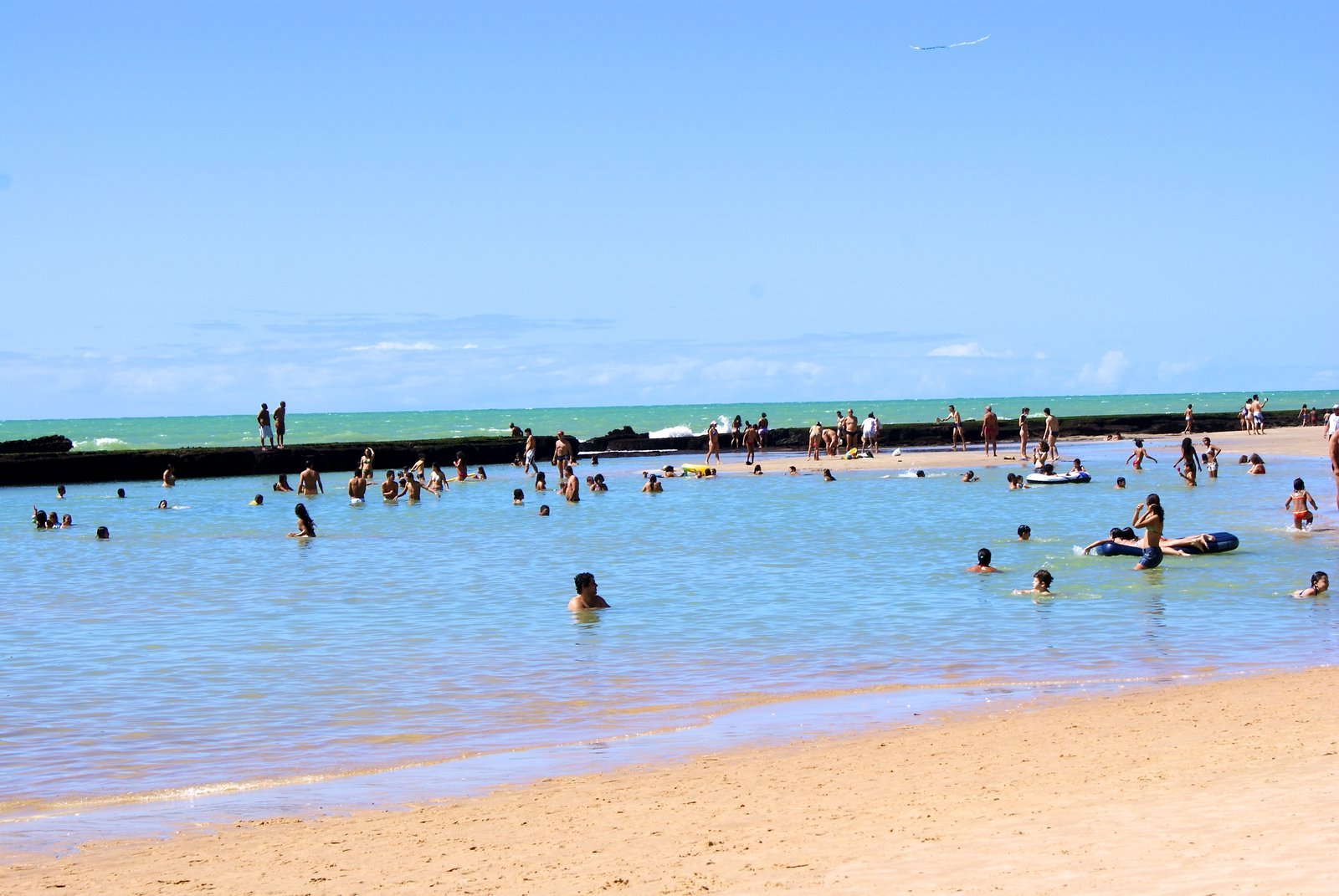
At low tide, the Boa Viagem reef forms pools of warm, clear water close to the sand, especially on the stretch between Pina and the middle of the seafront. That is the best time to swim, always on the inner side of the reef. The promenade is great for a late-afternoon walk, and Parque Dona Lindu hosts cultural events. Read the safety section first, because the Boa Viagem and Piedade shoreline has the highest concentration of shark incidents in Brazil.
Olinda: Alto da Sé and the historic center
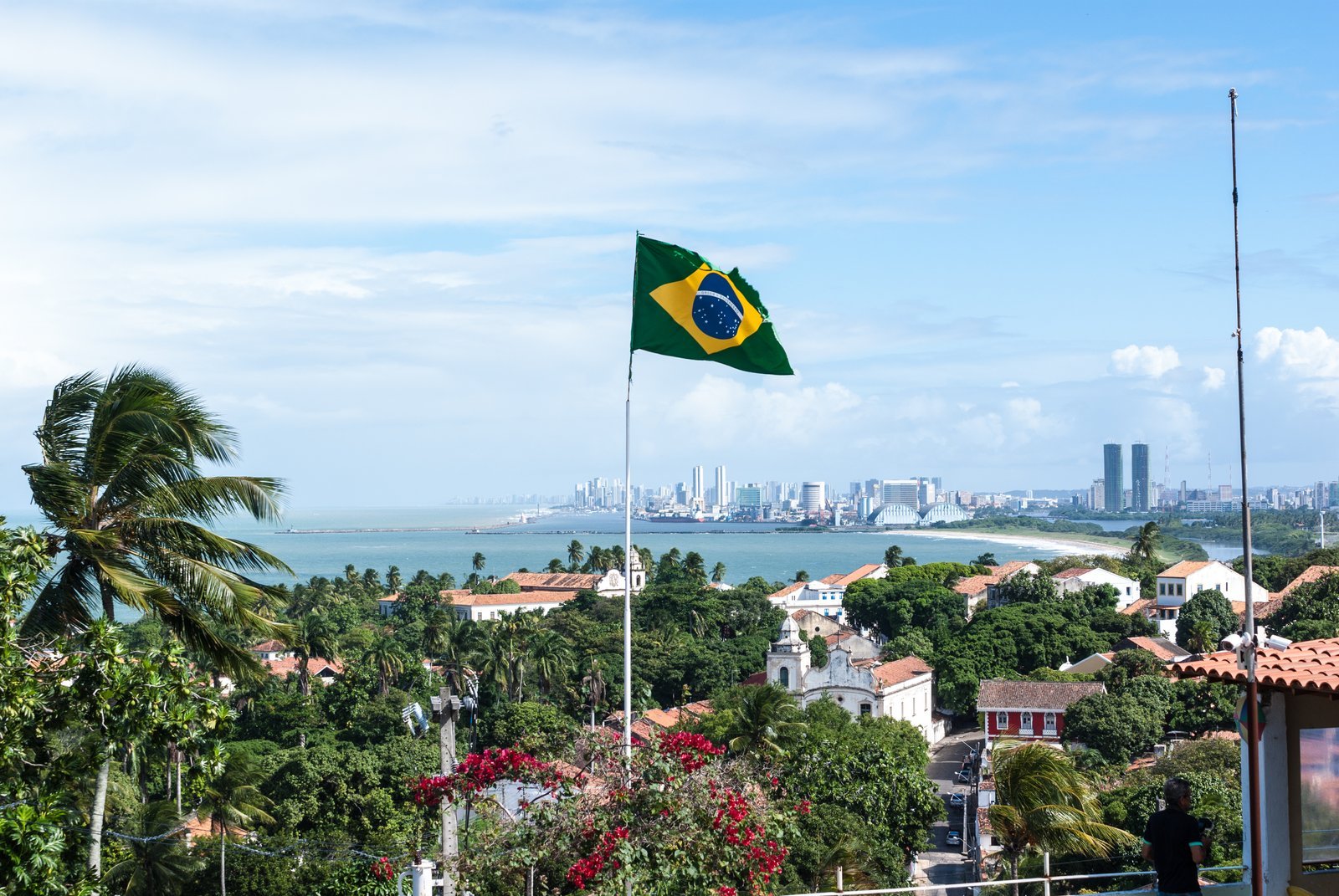
Olinda deserves at least half a day, ideally a full one. Climb to Alto da Sé for the view of Recife and the sea, step into the Sé Cathedral, walk the slopes down to the São Bento Monastery and the São Francisco Convent, and stop at the studios and craft shops along the way. The slopes are steep and cobbled, so wear sneakers and avoid the midday sun. Licensed local guides offer walking tours; agree on the price before you start. We have a detailed one-day Olinda itinerary.
Parque da Jaqueira and Rua da Aurora
For a calmer afternoon, Parque da Jaqueira, opened in 1985, has a walking track, a bike path and the 18th-century Capelinha da Jaqueira chapel. Rua da Aurora, in Boa Vista, is the best place to watch the sunset over the Capibaribe, with the old houses reflected in the river. For more free things to do in the old town, see our guide to Recife’s historic streets and free attractions.
Carnival in Recife and Olinda: Galo da Madrugada, frevo and maracatu
Direct answer: Carnival in Recife and Olinda happens on the streets and is free. The Galo da Madrugada, listed by Guinness as the world’s largest Carnival parade group since 1995, marches on Carnival Saturday; in 2027 that is February 6, gathering at the Forte das Cinco Pontas with a planned 9 am start. Ash Wednesday falls on February 10, 2027.
Recife’s Carnival is nothing like Rio’s samba school parades. Here the rhythms are frevo, fast and acrobatic, danced with small colorful umbrellas, and maracatu, with drums and processions of kings and queens. Maracatu Nação, also called baque virado, has records going back to 1711, and Maracatu Elefante was founded in 1800. In Recife, the main stage is Marco Zero, with free concerts every night, and there are smaller stages across the neighborhoods. In Olinda, Carnival takes over the slopes of the historic center, with traditional street groups and the giant puppets that pull huge crowds.
The Galo da Madrugada sets off from São José and winds through downtown with sound trucks and a giant rooster mounted on the Duarte Coelho bridge, drawing hundreds of thousands of revelers. To enjoy it, arrive early, wear light clothes and sneakers, carry little cash and a copy of your passport, keep your phone close to your body and agree on a meeting point with your group, because cell signal often fails in the crowd.
Book accommodation for Carnival months ahead, especially in Olinda and Recife Antigo. During Carnival week, many museums close or change their hours, including the Oficina Francisco Brennand and the Giant Puppets museum. The rest of the year, Paço do Frevo is the best place to understand the party.
Day trips from Recife: distances, prices and how much time to allow
Direct answer: the most popular day trips are Porto de Galinhas, Praia dos Carneiros and Maragogi on the south coast, plus Olinda, Cabo de Santo Agostinho, the north coast and João Pessoa. The per-person prices below are from the tour operator Luck Receptivo, checked on October 26, 2026, and do not include optional extras such as raft, catamaran or buggy rides.
| Tour | Distance from Recife | Price until Dec 18, 2026 | Departure days |
|---|---|---|---|
| Porto de Galinhas | about 60 km | R$ 120 | Monday, Tuesday, Wednesday, Friday and Saturday |
| Recife and Olinda city tour | in the city | R$ 112 | Monday, Tuesday, Thursday, Friday and Saturday |
| Cabo de Santo Agostinho | south coast | R$ 142 | Monday and Friday |
| North coast | north coast | R$ 132 | Check with the operator |
| Praia dos Carneiros | 98 km | R$ 160 | Sunday, Wednesday and Saturday |
| Maragogi (Alagoas) | 130 km | R$ 160 | Sunday, Tuesday, Thursday and Friday |
| João Pessoa with sunset at Jacaré (Paraíba) | 115 km | R$ 180 | Check with the operator |
From December 19, 2026 to January 31, 2027, prices go up: Porto de Galinhas rises to R$ 145, Carneiros and Maragogi to R$ 190, the city tour to R$ 130, the north coast to R$ 190 and João Pessoa to R$ 215. For the rest of 2027, the operator lists Porto de Galinhas at R$ 130 and Carneiros and Maragogi at R$ 175.
Porto de Galinhas
Pernambuco’s most famous beach is in Ipojuca, about 60 km from Recife. The classic outing is a ride on a jangada, the traditional wooden raft, out to the natural pools between the reefs at low tide. The rafters’ association sells the ride for R$ 60 per person in cash or Pix and R$ 63 by card, from age 7; children aged 4 to 6 pay R$ 30, and under 3s go free. It lasts about an hour and depends on the tide. If you go on your own, metropolitan bus line 191, without air conditioning, costs R$ 14.80, and line 195, the Opcional, costs R$ 22.50. Spending one or two nights in the village is worth it.
Praia dos Carneiros
Carneiros, 98 km from Recife in Tamandaré, has calm water, coconut groves and the little São Benedito chapel right on the sand. Catamaran or speedboat trips to the sandbanks are paid separately. It is a long day, but one of the most beautiful on the Pernambuco coast.
Maragogi
Over the border in Alagoas, 130 km from Recife, Maragogi is famous for its galés, natural pools far out at sea visited by catamaran at low tide. The boat trip is paid separately and has a daily visitor cap, so book ahead. If you are also going to Maceió, see our Maceió travel guide, which covers Maragogi among its day trips.
Cabo de Santo Agostinho and the north coast
Cabo de Santo Agostinho has beaches such as Calhetas and Gaibu and the ruins inside the Armando de Holanda Cavalcanti Metropolitan Park, with sea views. On the north coast, Itamaracá Island is the classic destination, with the Dutch-built Forte Orange and calm beaches.
João Pessoa
The capital of Paraíba is about 115 km away and can be done in a day, with the historic center and the sunset at Praia do Jacaré, where a saxophonist plays Ravel’s Boléro. It is better with an overnight stay.
Fernando de Noronha
Recife is the main gateway to Noronha, with direct Azul and GOL flights of about 1 hour 20 minutes. Fares vary a lot, so search early. On the island, every visitor pays the Environmental Preservation Fee, R$ 105.79 per day in 2026, and visitors to the beaches of the Marine National Park pay R$ 384 until October 31, 2026 and R$ 393 from November 1. Details in our Fernando de Noronha travel guide.
What to eat in Recife
Direct answer: try bolo de rolo, cartola, tapioca, cuscuz, carne de sol with cassava, bean or fish caldinho, seafood from the beachfront and, if you are brave, buchada and sarapatel. The São José and Boa Vista markets and the Boa Viagem kiosks are good places to eat like a local.
Pernambuco cooking blends Portuguese, African and Indigenous heritage with the sugar of the coastal forest zone and the cattle of the sertão. In practice, that shows up in dishes you will find at almost any regional restaurant:
- Bolo de rolo: paper-thin layers of sponge rolled with guava paste. It is the state’s signature sweet and one of the gifts visitors take home most. Buy it at bakeries and specialty shops, which sell slices and whole rolls.
- Cartola: fried banana with melted coalho cheese, sugar and cinnamon. A must-have dessert.
- Tapioca and cuscuz: for breakfast or an afternoon snack, filled with coalho cheese, coconut, carne de sol or manteiga de garrafa, a clarified butter. Olinda has tapioca stalls at Alto da Sé.
- Carne de sol with macaxeira: salted, air-dried beef served with boiled or fried cassava, green beans and manteiga de garrafa.
- Caldinhos: small cups of bean, fish or shrimp broth served at bars and kiosks. It is the city’s most typical beach and bar snack.
- Fish and seafood: fried needlefish (agulhinha), grilled fish, shrimp, lobster and crab appear on nearly every beachfront menu.
- Buchada and sarapatel: hearty dishes made with goat and pork offal, a legacy of the sertão. Not for everyone, but part of local identity.
- Juices and ice creams from regional fruit: cajá, soursop (graviola), mangaba, pitanga and umbu turn up in juices and ice creams. Try at least one you don’t know.
For a more detailed list, with suggestions by neighborhood and budget, see our guide to where to eat in Recife. Meal prices vary widely: a bar caldinho and a street tapioca cost little, while a seafood dinner in Boa Viagem can run past R$ 150 per person (our estimate).
Nightlife in Recife
Direct answer: Recife’s nightlife is split between Recife Antigo, with bars, live music and events at Marco Zero; the bars of Boa Viagem and Pina; Graças, Espinheiro and Casa Forte, where locals go out; and Olinda, with bars on the slopes and forró on weekends.
Recife is a music city. Frevo and maracatu take over the streets at Carnival, but all year there are shows of forró, coco, ciranda, manguebeat and electronic music. Recife Antigo has venues and bars around Rua da Moeda and Rua do Bom Jesus, and what’s on changes a lot by day of the week. In Boa Viagem and Pina, snack bars and seafront stalls stay open late. In Olinda, nights are more bohemian and happen in small bars in the historic center. At night, move between neighborhoods by ride-hailing car or taxi and avoid empty downtown streets.
Safety in Recife
Direct answer: Recife calls for the same precautions as any large Brazilian city: don’t flash your phone or jewelry, use ride-hailing or taxis at night and stick to busy areas. What sets the city apart is the sea: from Paiva, in Cabo de Santo Agostinho, to Olinda, there is a shark risk, and swimming beyond the reef is not recommended. Emergencies: Military Police 190, SAMU ambulance 192 and fire department 193.
Shark warnings in Boa Viagem and Piedade
This is the most important precaution for anyone coming to Recife for the beach. Pernambuco has the highest number of recorded shark incidents in Brazil, tracked since 1992 by the State Committee for Monitoring Shark Incidents (CEMIT). By September 2026 there had been 84 incidents, 70 of them in the Recife metropolitan area and 14 in Fernando de Noronha. Boa Viagem and Piedade account for more than half, with 25 and 24 cases respectively.
The highest-risk area, according to CEMIT, is a strip of about 33 km between Reserva do Paiva, in Cabo de Santo Agostinho, and Praia do Farol, in Olinda. On a 2.2 km stretch of Piedade, between the small church and the Air Force Hospital, swimming in the sea is banned. Along the whole shoreline, surfing has been banned by state decree since 1999. In 2026 there were three incidents in the metropolitan area: on January 29, a 13-year-old boy died at Del Chifre beach in Olinda; on May 31, an 11-year-old boy lost a leg in Piedade; and on June 1, a 19-year-old lost a leg in Boa Viagem, in an attack attributed to a tiger shark. Scientific shark monitoring, halted since 2015, resumed on September 4, 2026, with a 24-month project that plans to tag up to 50 animals.
In practice, follow these rules:
- Go in the sea only at low tide and on the inner side of the reef, in the natural pools, where the water is shallow.
- Don’t swim beyond the reef or in open water, especially at high tide, in the late afternoon and in murky water.
- Obey the CEMIT signs. In January 2025, the state installed 150 new warning signs along the shoreline.
- Don’t go in the sea if you are bleeding, or near channels and river mouths.
- If you want to swim in open water, do it at beaches outside the risk area, such as those on the south coast, always following local advice.
Everyday precautions
Phone snatching is the most common problem for tourists, especially at traffic lights, bus stops and in crowds. Use your phone discreetly on the street, ideally with your back to a wall or inside a shop. Recife Antigo is busy by day and on event nights but empties out at certain times; the same goes for downtown Santo Antônio and São José, which go quiet after business hours and on Sundays. In Olinda, explore the slopes by day and stick to busy streets at night. To get back to your hotel after dinner, call an Uber, 99 or taxi.
At the beach, take only what you need and never leave belongings alone on the sand. Drink water constantly, because heat and sun dehydrate you fast, and use insect repellent during the rainy months.
How much does a trip to Recife cost in 2026?
Direct answer: Recife is a mid-priced destination for Brazil’s Northeast. The bus costs R$ 4.50 and the metro R$ 4.25, the Recife Antigo museums charge between R$ 10 and R$ 40, the Instituto Ricardo Brennand costs R$ 60, and day trips to Porto de Galinhas and Carneiros run R$ 120 to R$ 160 per person in low season, without optional extras. For accommodation, check each hotel’s official website, because rates vary a lot by season.
The table gathers prices we checked with official sources and tour operators in October 2026. Optional tours are paid on site and can change without notice.
| Item | Price in 2026 | Notes |
|---|---|---|
| Bus (standard fare) | R$ 4.50 | Since Feb 1, 2026; 2-hour transfers on the VEM card |
| Bus, short lines | R$ 3.00 | Shortest routes |
| Metro | R$ 4.25 | Center and South lines; Aeroporto station 5 am to 11 pm |
| Bus to Porto de Galinhas | R$ 14.80 to R$ 22.50 | Line 191 without air conditioning or line 195 Opcional |
| Shared airport shuttle to Boa Viagem | R$ 44 | Luck Receptivo, until Dec 18, 2026; R$ 49.50 in high season |
| Uber or 99 from the airport to Boa Viagem | R$ 20 to R$ 45 | Our estimate; check in the app |
| Paço do Frevo | R$ 10 | R$ 5 half price; free on Tuesdays |
| Cais do Sertão | R$ 10 | R$ 5 half price; free on Tuesdays |
| Giant Puppets museum | R$ 35 | Children up to 12 free (up to two per family) |
| Kahal Zur Israel synagogue | R$ 40 | R$ 20 half price; City Hall figure, check before going |
| Instituto Ricardo Brennand | R$ 60 | Combo R$ 80; free on the last Tuesday of the month, except Jan, Jul and Dec |
| Oficina Francisco Brennand | R$ 50 | R$ 25 half price; R$ 40 for Pernambuco residents |
| Recife and its Bridges catamaran | from R$ 95 | About 1 h 20 min, daily departures |
| Porto de Galinhas day trip | R$ 120 | Luck Receptivo, until Dec 18, 2026; R$ 145 in high season |
| Raft to the Porto de Galinhas pools | R$ 60 | R$ 63 by card; tide-dependent |
| Carneiros or Maragogi day trip | R$ 160 | Luck Receptivo, until Dec 18, 2026; R$ 190 in high season |
| Noronha Environmental Preservation Fee | R$ 105.79 per day | 2026 rate |
| Budget daily spend | R$ 250 to R$ 400 | Per person, excluding accommodation and paid tours (our estimate) |
A few ways to save: visit Paço do Frevo and Cais do Sertão on a Tuesday, when entry is free; use the last Tuesday of the month at the Instituto Ricardo Brennand; travel between September and mid-December, when tours are on low-season rates; and take the metro from the airport to downtown if you are traveling light. Note that “half price” (meia-entrada) in Brazil is usually limited to students, seniors and other groups defined by law, so most adult visitors pay full price.
Recife itineraries for 3, 5 and 7 days
Direct answer: with 3 days you can see Recife Antigo, the historic center, Olinda and Boa Viagem beach. With 5, add both Brennand museums and Porto de Galinhas. With 7, add Carneiros or Maragogi and a night outside the city. Match beach days to the tide table and museum days to opening days, because almost all of them close on Mondays.
3-day itinerary
- Day 1, Recife Antigo: morning at Marco Zero, Rua do Bom Jesus and the Kahal Zur Israel synagogue; lunch in the neighborhood; afternoon at Paço do Frevo and Cais do Sertão; late-afternoon catamaran tour of the bridges.
- Day 2, Olinda and downtown: morning on the slopes of Olinda, with Alto da Sé, the São Bento Monastery and artists’ studios; tapioca at Alto da Sé; afternoon at the São José Market, the Golden Chapel and Casa da Cultura; sunset on Rua da Aurora.
- Day 3, Boa Viagem: natural pools at low tide, always on the inner side of the reef; lunch on the seafront; afternoon at Parque Dona Lindu or Shopping Recife; dinner in Boa Viagem or Pina.
5-day itinerary
Follow the 3-day plan and add:
- Day 4, Várzea: morning at the Oficina Francisco Brennand, from 9 am; afternoon at the Instituto Ricardo Brennand. Pick a day from Tuesday to Sunday.
- Day 5, Porto de Galinhas: day trip with a raft ride to the natural pools at low tide. If you can, spend a night in the village.
7-day itinerary
Follow the 5-day plan and add:
- Day 6, Carneiros or Maragogi: choose Carneiros for coconut groves and the beach chapel, or Maragogi for the offshore pools. Both are long days on the road.
- Day 7, free day: João Pessoa with the Jacaré sunset, Itamaracá Island, a second visit to Olinda or a rest day in Boa Viagem. With more time and budget, add three or four nights in Fernando de Noronha.
Where to stay in Recife
Direct answer: on a first trip, stay in Boa Viagem, close to the beach and restaurants and a few minutes from the airport. Pina is a middle ground between the beach and downtown. Recife Antigo and São José suit travelers who want to walk to museums and bars, and Olinda is for those who prefer a character guesthouse in the historic center. Every link below goes to the hotel’s official website and was checked in October 2026; we don’t use agency or booking-site links.
Rates change a lot with the season, and December, January and Carnival are the most expensive periods. Check prices directly on each hotel’s official site and book early for those dates.
Mar Hotel Recife (upscale, Boa Viagem)
Mar Hotel Recife is at Rua Barão de Souza Leão 451, in Boa Viagem, near the seafront and a few minutes from the airport. It bills itself as the most complete hotel in Recife, with an urban-resort concept, a kids’ area and the Promenade restaurant. A good fit for families and for anyone who wants full facilities close to the beach.
Atlante Plaza (upscale, Boa Viagem)
Atlante Plaza is at Avenida Boa Viagem 5426, facing the sea. It has a spa, a gym, the Mirage Brasserie restaurant and oceanfront suites, and it is pet friendly, according to its official site. A classic choice if you want to wake up to a beach view and walk the promenade.
Transamerica Prestige Recife (upscale, Boa Viagem)
Transamerica Prestige Recife is at Avenida Boa Viagem 420, at the start of the seafront, closer to Pina and downtown. In October 2026 its official site showed a renovation notice, so check the status of common areas directly with the hotel before booking. Phone: +55 81 3039-9000.
ibis Recife Boa Viagem (budget, Boa Viagem)
ibis Recife Boa Viagem, part of the Accor group, is the budget option near the beach, with the brand’s predictable standard. Good for travelers who are out all day and just want a clean, well-located room.
Vivaz Boutique Hotel (boutique, Pina)
Vivaz Boutique Hotel is at Rua Capitão Rebelinho 374, in Pina, between the beach and downtown. It describes itself as the city’s first boutique-style hotel. A smaller alternative if you want to avoid the big Boa Viagem hotels.
Novotel Recife Marina (mid-range, São José)
Novotel Recife Marina is at Cais Santa Rita 46, in São José, close to Recife Antigo, the Forte das Cinco Pontas and the São José Market. It is the pick if you want to stay in the historic center with an international chain’s facilities, and it also works well for business travelers.
Motto by Hilton Recife Antigo (mid-range, Bairro do Recife)
Motto by Hilton Recife Antigo is at Rua Domingos José Martins 33, about 100 meters from Marco Zero. Opened in 2026, it was the first Motto-brand hotel in Brazil and has 132 rooms, according to Hilton. It has the best location for exploring Recife Antigo on foot.
Pousada do Amparo (character guesthouse, Olinda)
Pousada do Amparo is at Rua do Amparo 199, in Olinda’s historic center, and presents itself as a boutique guesthouse in the heart of Olinda for more than 30 years, with a pool and breakfast served in the garden or in your room. It is for travelers who want to sleep inside the World Heritage Site, walk to the churches and studios and enjoy quiet nights.
Hotel 7 Colinas (mid-range, Olinda)
Hotel 7 Colinas is at Ladeira de São Francisco 307, in Olinda’s Carmo district, near the São Francisco Convent. It has 44 rooms spread across green grounds with century-old trees, pools, a sauna, a restaurant and free parking, according to its official site. It is the option for staying in Olinda with more facilities than a small guesthouse.
ibis Recife Aeroporto (budget, near the airport)
ibis Recife Aeroporto is the practical choice if you land late, leave early or are connecting to Fernando de Noronha. It is not a base for exploring the city, but it works for a night in transit.
Video: Recife by Visit Brasil
Visit Brasil, the official tourism channel of Embratur, the Brazilian tourism board, presents Recife as a tropical and multicultural city, a quick way to get a feel for its rivers, beaches and culture before you go.
Frequently asked questions about Recife
When is the best time to visit Recife?
The best time is September to February, the drier half of the year. According to INMET climate normals, October and November are the driest months, with 52.8 mm and 39 mm of rain on average. September, October and November combine sunshine, good conditions for the natural pools and lower prices than December, January and Carnival. The rainy season runs from March to August and peaks in June.
How many days do you need in Recife?
Three days are enough for Recife Antigo, the historic center, Olinda and Boa Viagem beach. With five days, add the Instituto Ricardo Brennand, the Oficina Francisco Brennand and a day trip to Porto de Galinhas. With seven, add Praia dos Carneiros or Maragogi.
What is the best area to stay in Recife?
For a first trip, Boa Viagem is the most practical base: it has the beach, the widest choice of hotels and restaurants and is a few minutes from the airport. Recife Antigo and São José are better if you want to walk to museums and bars, and Olinda suits those who prefer a character guesthouse in a historic town.
Is it safe to swim at Boa Viagem beach because of sharks?
Yes, as long as you follow CEMIT’s rules: go in the sea only at low tide and on the inner side of the reef, in the natural pools. Don’t swim beyond the reef or in open water, especially at high tide and in murky water. Pernambuco has recorded 84 incidents since 1992, and Boa Viagem and Piedade account for more than half; on a 2.2 km stretch of Piedade, swimming is banned.
How do I get from Recife airport to Boa Viagem?
The airport is next to Boa Viagem, and an Uber, 99 or taxi ride takes 10 to 20 minutes without traffic. Aena lists regular taxis at +55 81 3322-5050 and special taxis at +55 81 3322-4153. Luck Receptivo also runs a shared shuttle for R$ 44 per person until December 18, 2026. The metro, at R$ 4.25, is better if you are heading downtown.
How much does it cost to go from Recife to Porto de Galinhas?
Porto de Galinhas is about 60 km from Recife. Luck Receptivo’s day trip costs R$ 120 per person until December 18, 2026 and R$ 145 in high season, not including the raft ride, which costs R$ 60 per person in cash or Pix. By public bus, metropolitan lines 191 and 195 cost R$ 14.80 and R$ 22.50.
When is the Galo da Madrugada in 2027?
The Galo da Madrugada parades on Carnival Saturday, which in 2027 falls on February 6. It gathers at the Forte das Cinco Pontas, in São José, with a planned 9 am start. Guinness has listed it as the world’s largest Carnival parade group since 1995, and it is free to join.
Is Recife safe for tourists?
Boa Viagem, Pina, Recife Antigo by day and on event nights, and Olinda’s historic center by day are busy areas that are usually fine with big-city common sense. The most common risk is phone theft. Use ride-hailing or taxis at night, avoid empty downtown streets after business hours and obey the shark warnings at the beach.
How much is the ticket to the Instituto Ricardo Brennand?
According to the official site, museum entry costs R$ 60, or R$ 30 half price; the garden and chapel only cost R$ 30, and the full combo R$ 80. Entry is free on the last Tuesday of each month, except January, July and December. The institute is in Várzea and closes on Mondays; confirm opening hours before you go.
Can you get to Fernando de Noronha from Recife?
Yes. Recife is the main gateway to Noronha, with direct Azul and GOL flights of about 1 hour 20 minutes. Fares vary a lot, so search early. On the island, every visitor pays the Environmental Preservation Fee, R$ 105.79 per day in 2026, and the Marine National Park ticket costs R$ 384 until October 31, 2026 and R$ 393 from November 1.
Is Recife worth visiting?
Direct answer: yes, especially if you want history, culture and beaches in a single trip. Few Brazilian cities have such a rich historic center, with the first synagogue in the Americas, baroque churches, museums of frevo and the sertão and the two Brennand museums, alongside an urban beach with natural pools and Olinda, a World Heritage Site a few kilometers away.
Recife works well for couples, families and solo travelers, and it is the best starting point for Porto de Galinhas, Carneiros, Maragogi and Fernando de Noronha. The city asks you to be careful with the sea and your belongings, but it rewards those who give it time, above all at Carnival. If you are continuing around the Northeast, see our travel guides to Fernando de Noronha, Maceió, Natal, Fortaleza and Salvador. Starting or ending in the Southeast? Read our Rio de Janeiro travel guide.
Sources
- IBGE Cidades: Recife (PE), overview and Olinda (PE), overview (2022 census population)
- INMET: Brazil climate normals 1991-2020 (rainfall, highs and lows, Recife Curado station)
- Brazilian Ministry of Foreign Affairs: visitor visa requirement for nationals of Australia, Canada and the USA
- Wikipedia: Recife (history, neighborhoods, culture, maracatu, Sculpture Park and Parque da Jaqueira)
- Aena Brasil: getting to Recife International Airport (metro, taxis and phone numbers)
- Panrotas: Recife airport grows 40% in international passengers (September 2026)
- Grande Recife Consórcio de Transporte: 2026 fares (Resolution CSTM 002/2026)
- Metrô Recife (unofficial site): Aeroporto station (walkway and travel time)
- CEMIT/Semas-PE: State Committee for Monitoring Shark Incidents; O Globo: shark incidents since 1992; G1: why Boa Viagem and Piedade have so many incidents; Folha: monitoring resumes after 11 years
- Paço do Frevo: official site (hours and tickets)
- Cais do Sertão: official site (hours and tickets)
- Recife City Hall: Kahal Zur Israel synagogue (hours and tickets)
- Embaixada dos Bonecos Gigantes: visiting information
- Instituto Ricardo Brennand: hours and tickets
- Oficina Francisco Brennand: visit
- Fundaj: Museu do Homem do Nordeste (renovation and tickets)
- Catamaran Tours: river tours in Recife (“from” prices on Oct 26, 2026)
- Luck Receptivo: tours from Recife (seasonal prices on Oct 26, 2026)
- Porto de Galinhas Rafters’ Association: raft ride
- Folha de Pernambuco: Galo da Madrugada announces 2027 parade date
- Hilton: Motto by Hilton opens first hotel in Brazil