São Paulo is Brazil’s largest city and the biggest in the Southern Hemisphere, with 11,451,999 residents in the 2022 IBGE census spread across roughly 1,521 km². For visitors, that size means two things. First, you will never “see it all”, so the trick is to pick neighborhoods and plan each day around them. Second, few cities in Latin America pack in this many museums, restaurants, bars, theaters and free events. You can spend the morning in front of the paintings at MASP, eat the famous mortadella sandwich at the Municipal Market for lunch, watch the sunset from a 1960s skyscraper and end the night in a Vila Madalena bar, all by metro.
This guide covers what you need to plan a trip in 2026: when to go and which events are worth timing your trip around, how to get into town from Guarulhos and Congonhas airports, how the metro, trains and transit cards work, what to do in each neighborhood, opening hours and prices checked on the official websites of museums and attractions, where to eat, day trips, 2-, 3- and 5-day itineraries and real hotels in different price ranges, each linked to its official website.
Quick facts: São Paulo, Brazil
- What it is: the capital of São Paulo state, with 11,451,999 people in the 2022 IBGE census (an estimated 11.9 million in 2026). Locals from the city are called paulistanos.
- Best time to visit: April to September is the driest and mildest period. December to March is hot, with heavy late-afternoon downpours. Museums and food are great all year round.
- Getting there: Guarulhos International Airport (GRU), Brazil’s main international gateway; Congonhas Airport (CGH), inside the city, for domestic flights; and Viracopos (VCP) in Campinas, about 100 km away.
- Airport to the city: the Line 13-Jade train from Aeroporto-Guarulhos station (R$5.40), or the Airport Bus Service coach (R$68.05 full fare) to Avenida Paulista, Congonhas, Tietê and Barra Funda.
- Getting around: metro and train rides cost R$5.40 and city buses R$5.30; buses are free on Sundays. The metro accepts contactless credit and debit cards on lines 1, 2, 3 and 15.
- Daily budget: roughly R$250 to R$400 per person on a budget trip (hostel, metro, free museums and simple food), before shopping and nights out.
- How many days: 3 days cover Paulista, downtown, Ibirapuera and Vila Madalena. With 5 days you can take the museums slowly and add a day trip to Santos or Embu das Artes.
A short history: from a Jesuit school to a megacity
Direct answer: São Paulo was founded on January 25, 1554, when Jesuit priests, including Manuel da Nóbrega and José de Anchieta, held a Mass at the school they had built on a hill between the Tamanduateí and Anhangabaú rivers. The spot is the Pátio do Colégio, downtown. The city only became a metropolis from the late 19th century on, thanks to coffee money, railroads and the arrival of millions of immigrants.
For almost three centuries, São Paulo was a modest town and the starting point of the bandeiras, expeditions that pushed deep into the interior of the continent. The original Jesuit school, built of rammed earth, was replaced by other buildings over time. What you see at the Pátio do Colégio today is a reconstruction that houses the Anchieta Museum, but a stretch of the 17th-century rammed-earth wall survives and is on display.
Coffee changed everything. From the second half of the 19th century, plantations in the interior of the state shipped coffee out through the port of Santos, and the capital sat right in the middle of that route. Railroads, banks and the mansions of the coffee barons followed, along with waves of Italian, Portuguese, Spanish, Arab and Japanese immigrants, among many others. Avenida Paulista opened in 1891 as the address of the coffee elite’s mansions. The Theatro Municipal opened in 1911 and the Municipal Market in 1933.
Japanese immigration officially began in 1908, when the ship Kasato Maru docked in Santos, and it grew into the largest community of Japanese descendants outside Japan. In the capital, it settled in Liberdade, which later also welcomed Chinese and Korean immigrants. Italians shaped neighborhoods such as Bixiga, Brás and Mooca, and they are behind the city’s pizza and cantina traditions.
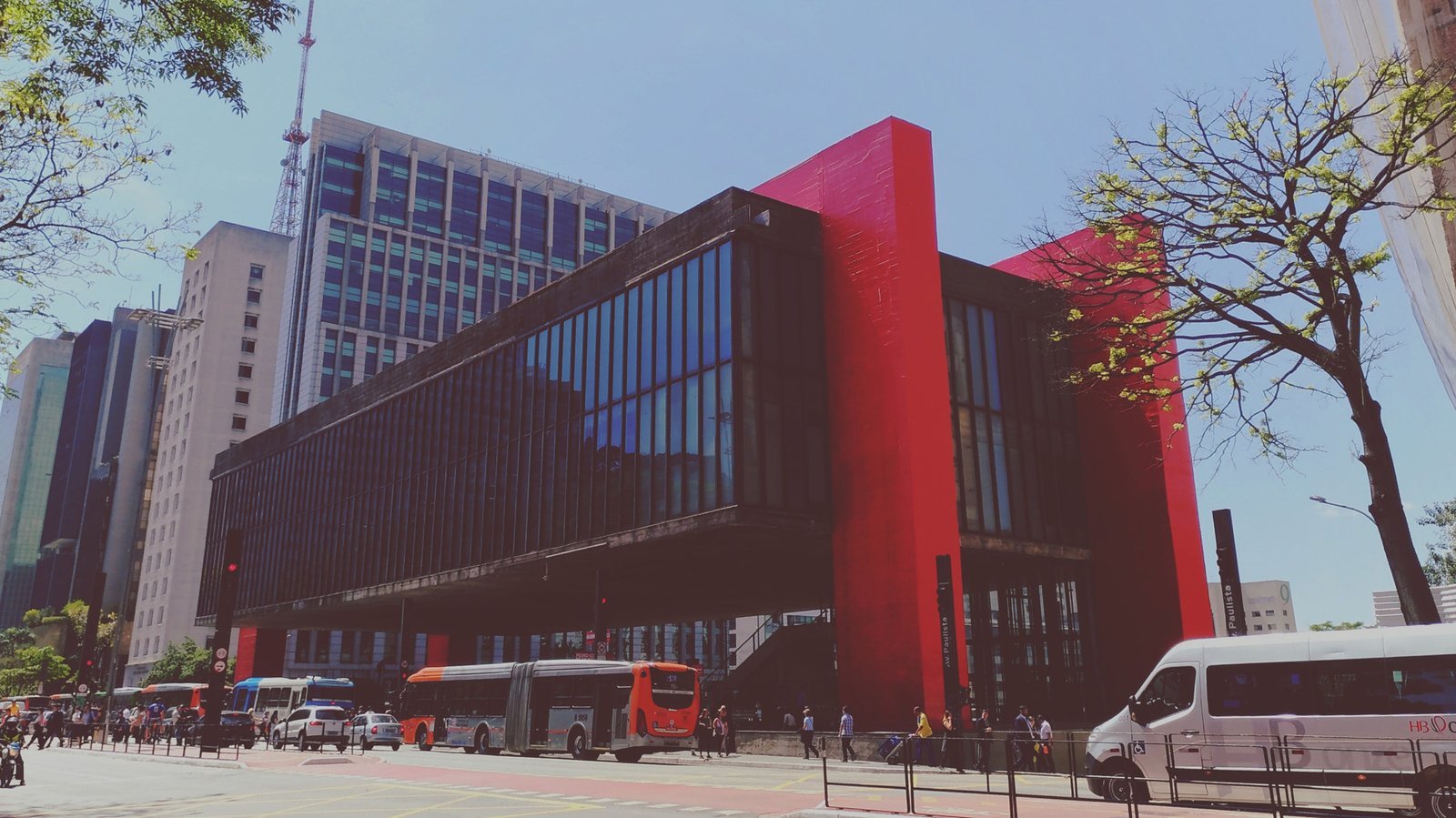
The city also hosted turning points in Brazilian culture. In February 1922, the Modern Art Week took over the Theatro Municipal and launched modernism in Brazil, with names like Mário de Andrade, Oswald de Andrade, Anita Malfatti and Heitor Villa-Lobos. In the 1950s, for the city’s 400th anniversary, Ibirapuera Park opened with buildings by Oscar Niemeyer. In 1968, MASP moved into its Lina Bo Bardi building on Avenida Paulista, with its famous open span underneath.
Industry made São Paulo Brazil’s economic powerhouse in the 20th century, and rapid growth brought the problems locals know well: traffic, flooding and inequality. Today the city is a hub for services, finance, food and culture. The city’s anniversary, January 25, is a local holiday that usually comes with free events.
When to visit São Paulo: weather, rain and events
Direct answer: April to September is the driest and most pleasant period, with average highs between 21 °C and 24 °C (70 °F to 75 °F). January is the wettest month, with short, heavy storms in the late afternoon. More than the weather, check the calendar: street Carnival in February, Virada Cultural in May, the Pride Parade in June, the Biennial and the film festival in the second half of the year and Formula 1 in November.
São Paulo has a subtropical climate and sits about 760 meters above sea level, so it is much cooler than the coast. In winter, mornings can drop below 10 °C (50 °F) when a cold front comes through, so pack a jacket. In summer, the heat comes with downpours that flood streets and jam traffic for a few hours, almost always in the late afternoon. Climatempo’s 30-year averages for the city show this pattern:
| Month | Average low and high | Average rainfall (mm) |
|---|---|---|
| January | 19 °C to 26 °C | 238 |
| February | 19 °C to 27 °C | 181 |
| March | 18 °C to 26 °C | 160 |
| April | 16 °C to 24 °C | 70 |
| May | 14 °C to 22 °C | 69 |
| June | 13 °C to 21 °C | 49 |
| July | 12 °C to 21 °C | 58 |
| August | 13 °C to 23 °C | 42 |
| September | 14 °C to 24 °C | 94 |
| October | 16 °C to 25 °C | 125 |
| November | 16 °C to 25 °C | 157 |
| December | 18 °C to 26 °C | 185 |
One quirk of São Paulo is that the city empties out on long holiday weekends and over the Christmas and New Year break, when many locals head to the beach. It is a great time to visit museums and restaurants without lines, but some places close between Christmas and New Year’s Day. During big events such as the Formula 1 Grand Prix, on the other hand, hotels fill up and rates go up.
Street Carnival
São Paulo’s street Carnival has grown so much that it now rivals Rio’s in crowd size. In 2026, according to City Hall, there were 627 street parties (blocos) and an estimated 17.3 million revelers, counting the blocos and the samba school parades at the Anhembi Sambadrome. The mega-blocos gather in areas such as Ibirapuera, Consolação and downtown, while smaller ones take over the streets of Pinheiros, Vila Madalena and Bixiga. The samba school parades at the Sambadrome are ticketed. City Hall usually releases the 2027 schedule early in the year.
Virada Cultural
The Virada Cultural is a free 24-hour marathon of concerts, theater, dance and film all over the city. The 2026 edition took place on May 23 and 24, with more than 1,200 acts on 21 stages, according to the city’s Culture Department. It usually happens in May, and City Hall announces each year’s dates. Read more in our post on Virada Cultural 2026.
São Paulo Pride Parade
The São Paulo LGBT+ Pride Parade, one of the largest in the world, fills Avenida Paulista and continues down Rua da Consolação. In 2026, it was held on Sunday, June 7. The organizers announce each year’s date, and it usually takes place in June.
Biennial, film festival and other cultural events
The São Paulo Biennial, one of the world’s most important contemporary art shows, fills the Ciccillo Matarazzo Pavilion in Ibirapuera Park, with free admission. The 37th edition is planned for the second half of 2027, with no official dates announced as of October 2026. In even-numbered years, book lovers have the International Book Biennial, held from September 4 to 13, 2026, at Distrito Anhembi. In October, the São Paulo International Film Festival (Mostra) screens hundreds of films around the city; the 50th edition runs from October 15 to 29, 2026.
Formula 1 at Interlagos
The Formula 1 São Paulo Grand Prix is held at the Autódromo José Carlos Pace in Interlagos, in the south of the city. In 2026, it is scheduled for November 6 to 8, with the race on Sunday the 8th. Tickets are sold through Eventim. If your trip falls in that week, book your hotel early.
How to get to São Paulo: planes, trains and buses
Direct answer: most visitors arrive at Guarulhos International Airport (GRU), in the neighboring city of Guarulhos. From there, the cheapest option is the Line 13-Jade train for R$5.40, and the most direct one is the Airport Bus Service coach to Avenida Paulista for R$68.05. Congonhas (CGH) is inside the city and handles domestic flights. Viracopos (VCP) is in Campinas, about 100 km away.
Guarulhos Airport (GRU)
Guarulhos is Brazil’s busiest airport and handles most international flights. It is about 28 km from the city center, and the drive can take anywhere from 40 minutes to more than 90 minutes depending on traffic. There are four main ways into town:
- CPTM train (Line 13-Jade): the Aeroporto-Guarulhos station is not right next to the terminals. A free people mover links them. It has run daily from 4 a.m. to midnight since September 27, 2026, and takes about 6 minutes to reach Terminals 1, 2 and 3. Free shuttle buses between the terminals and the station still run as a backup.
- Airport Express: a service on the same Line 13 that leaves from Palmeiras-Barra Funda station, stops at Luz and runs straight to the airport, with departures every hour (every 30 minutes on Sundays). The fare is the same as the regular train, R$5.40. On the regular service, you change at Engenheiro Goulart to Line 12-Safira toward Tatuapé or Brás, where you connect to the metro.
- Airport Bus Service: EMTU executive coaches with luggage space that link GRU to Congonhas, the hotel circuit on Avenida Paulista, Tietê bus terminal and Barra Funda. The full fare in 2026 is R$68.05.
- Taxi and ride-hailing: the most comfortable option if you land at night or with lots of luggage. Prices vary a lot with time of day and demand, so check the app before leaving the terminal and only use the official taxi ranks.
If you are on a tight budget, the metropolitan bus line 257 runs from the airport to Tatuapé metro station for R$8.35.
Congonhas Airport (CGH)
Congonhas is in the south of the city and handles domestic flights, including the Rio shuttle. Since March 31, 2026, metro Line 17-Ouro has linked the airport to lines 5-Lilás and 9-Esmeralda. As of October 2026, the line was still in a free trial operation, Monday to Saturday from 6 a.m. to 10 p.m., with no Sunday service. Check the Metrô website for updated hours before relying on it. By taxi or ride-hailing, Avenida Paulista is about 30 minutes away without heavy traffic.
Viracopos Airport (VCP)
Viracopos is in Campinas and is Azul’s main hub. It can be a good option when fares are cheaper, but the road trip to the capital takes about 90 minutes without traffic. There are intercity buses and transfer services; check times and fares with your airline or the bus companies when you book.
By bus
São Paulo has three major bus terminals, all linked to the metro: Tietê (Line 1-Azul), the largest, with buses to almost every part of Brazil; Barra Funda (Line 3-Vermelha and CPTM), with departures to the interior of the state; and Jabaquara (Line 1-Azul), where buses leave for Santos and the south coast. From Rio de Janeiro, the trip on the Via Dutra highway takes about 6 hours.
Getting around São Paulo: metro, trains, buses and ride-hailing
Direct answer: take the metro. The main sights are close to stations on lines 1-Azul, 2-Verde, 3-Vermelha and 4-Amarela. A ride costs R$5.40 and includes free transfers within the metro and train network. For late nights or neighborhoods without a station, ride-hailing apps are cheap compared with most big cities around the world.
The rail network is run by Metrô, CPTM and private operators (lines 4-Amarela, 5-Lilás, 8-Diamante and 9-Esmeralda), but for passengers it works as one system. These are the fares in effect since January 6, 2026:
- Metro and train: R$5.40 per ride, with free transfers between metro and CPTM lines.
- City bus (SPTrans): R$5.30, with up to four boardings in three hours on the Bilhete Único card.
- Bus + metro or train: R$9.38 with the Bilhete Único.
- 24-hour ticket: R$20.50 for unlimited metro and train rides for 24 hours; there is also a version that includes buses. It pays off from your fourth ride of the day.
- Sundays: SPTrans city buses have been free on Sundays since December 2023, under the Domingão Tarifa Zero program. The metro still charges.
How to pay: since September 14, 2026, every turnstile on lines 1-Azul, 2-Verde, 3-Vermelha and 15-Prata accepts contactless credit and debit cards (Visa, Mastercard and Elo), including phones and smartwatches. On lines 4-Amarela and 5-Lilás, contactless payment was still being tested. You can also buy QR code tickets in the TOP app, via WhatsApp or at ticket offices. Note that paying with a bank card charges the full fare and does not give you the bus transfer discount. The old paper magnetic ticket stops being valid on October 31, 2026.
The Bilhete Único is the SPTrans card used on city buses and for integrated fares. Visitors staying a few days usually manage fine with a contactless card on the metro and ride-hailing for everything else. If you plan to combine lots of bus and metro rides, you can get the card at SPTrans service points.
The metro runs from about 4:40 a.m. to midnight, with later closing on Saturdays on some lines. Avoid rush hours, between 7 and 9 a.m. and between 5 and 7 p.m., especially on lines 3-Vermelha and 4-Amarela, which get extremely crowded.
Taxis and ride-hailing apps such as Uber and 99 are the best option after midnight and for neighborhoods far from the metro. Renting a car to get around the city is not worth it: traffic is heavy, parking is expensive and there is a license-plate rotation scheme (rodízio) on weekdays that bans some cars from the expanded center at peak hours. A car only makes sense for day trips, and even then intercity buses cover most destinations.
São Paulo neighborhoods: where each one fits
Direct answer: on a first visit, the area around Avenida Paulista and Jardins is the most practical, because it sits in the middle of everything with a metro station at the door. Pinheiros and Vila Madalena are the places for bars and nightlife. Downtown (Centro) holds the history and architecture. Liberdade is the Japanese neighborhood. Moema and Ibirapuera are leafy and residential, and Itaim is the business district with pricey restaurants.
Avenida Paulista and Bela Vista
Paulista is the postcard of the modern city: 2.8 km of office towers, banks, cultural centers, bookstores and MASP. Metro Line 2-Verde runs under the whole avenue, with stations at Consolação, Trianon-Masp, Brigadeiro and Paraíso. In Bela Vista, just below the avenue, is Bixiga, the old Italian neighborhood with traditional cantinas and Rua Treze de Maio. It is the best base if you want to walk and use the metro.
Jardins
Jardins (Jardim Paulista, Jardim América and Jardim Europa) is the upscale area south of Paulista. Rua Oscar Freire and Rua Haddock Lobo are lined with designer stores, award-winning restaurants and luxury hotels. It is leafy, quiet at night and a few minutes’ walk from the metro on Paulista.
Pinheiros and Vila Madalena
Pinheiros is one of the liveliest neighborhoods in the city today, with chef-driven restaurants, specialty coffee, galleries and bars around Largo da Batata and the streets that run down to Faria Lima. Right next door, Vila Madalena is the bohemian quarter, with hilly streets full of bars, Beco do Batman and artists’ studios. Fradique Coutinho, Faria Lima and Vila Madalena stations serve the area.
Downtown (Centro)
Downtown is home to Praça da Sé, Pátio do Colégio, the Theatro Municipal, São Bento Monastery, the Copan building, Edifício Itália and Farol Santander. During the day, it is the most interesting part of the city for anyone into architecture and history. At night and on weekends, several streets empty out, so stay alert and use ride-hailing after dark.
Liberdade
Liberdade, next to downtown, is the neighborhood of Japanese immigration, with red lanterns on the lampposts, Asian grocery stores, ramen shops and a weekend fair in Praça da Liberdade. Japão-Liberdade station on Line 1-Azul is right in the heart of it. On Sundays and holidays, some streets close to cars from 9 a.m. to 4 p.m.
Moema and Ibirapuera
Moema and Vila Mariana surround Ibirapuera Park. They are residential neighborhoods with good restaurants, bakeries and quiet streets. Line 5-Lilás reaches Moema and the Ibirapuera area. It is a good base for families and for anyone who wants a morning run in the park.
Itaim Bibi and Vila Olímpia
Itaim and Vila Olímpia, around Faria Lima and Juscelino Kubitschek avenues, are the modern financial district. They have plenty of business hotels, expensive restaurants and after-work bars. For tourists, they are less interesting than Paulista or Pinheiros, but hotel rates are often good on weekends, when business travelers leave.
Things to do in São Paulo: top sights, hours and prices
Direct answer: the must-sees are MASP and Avenida Paulista, Ibirapuera Park and its museums, the Pinacoteca, the Municipal Market, the Theatro Municipal, the historic downtown, a viewpoint such as Farol Santander or Terraço Itália, Beco do Batman and Liberdade. Many museums have one free day a week, and planning around those days saves a good amount of money.
The prices and hours below were checked on the official websites in October 2026. Almost every museum closes on Mondays, so save that day for parks, shopping, neighborhoods and the Mercadão. Half-price tickets (meia-entrada) are for students, people over 60 and other groups defined by Brazilian law, with proof of eligibility. Foreign students should check whether their ID is accepted at each venue.
MASP
The São Paulo Museum of Art Assis Chateaubriand holds the most important collection of European art in the Southern Hemisphere, with works by Raphael, Van Gogh, Renoir, Modigliani and Picasso, as well as Brazilian art. Lina Bo Bardi’s building, a concrete and glass box suspended on four red pillars, is an attraction in itself, as are the glass easels in the collection gallery, which make the paintings seem to float. Tickets cost R$85 (R$42 half price), and admission is free on Tuesdays from 10 a.m. to 8 p.m., with online booking required, even on the free day. On other days, the museum opens at 10 a.m. Nearest station: Trianon-Masp, Line 2-Verde.
Avenida Paulista on Sundays
On Sundays and holidays, from 9 a.m. to 4 p.m., Avenida Paulista closes to cars between Praça do Ciclista and Praça Oswaldo Cruz under City Hall’s Ruas Abertas (Open Streets) program, created in 2016. The avenue turns into a promenade with musicians, street performers, craft stalls, bikes and families. It is one of the best free things to do in the city. The closure can be suspended on special dates: on the 2026 election Sundays, for example, the avenue stayed open to traffic.
On and around Paulista you will find free cultural centers such as Japan House São Paulo, open Tuesday to Friday from 10 a.m. to 6 p.m. and on weekends and holidays from 10 a.m. to 7 p.m., and Instituto Moreira Salles. Trianon Park, across from MASP, is a preserved patch of Atlantic Forest among the towers. For a ready-made plan, follow our smart half-day route along Avenida Paulista.
Ibirapuera Park and its museums
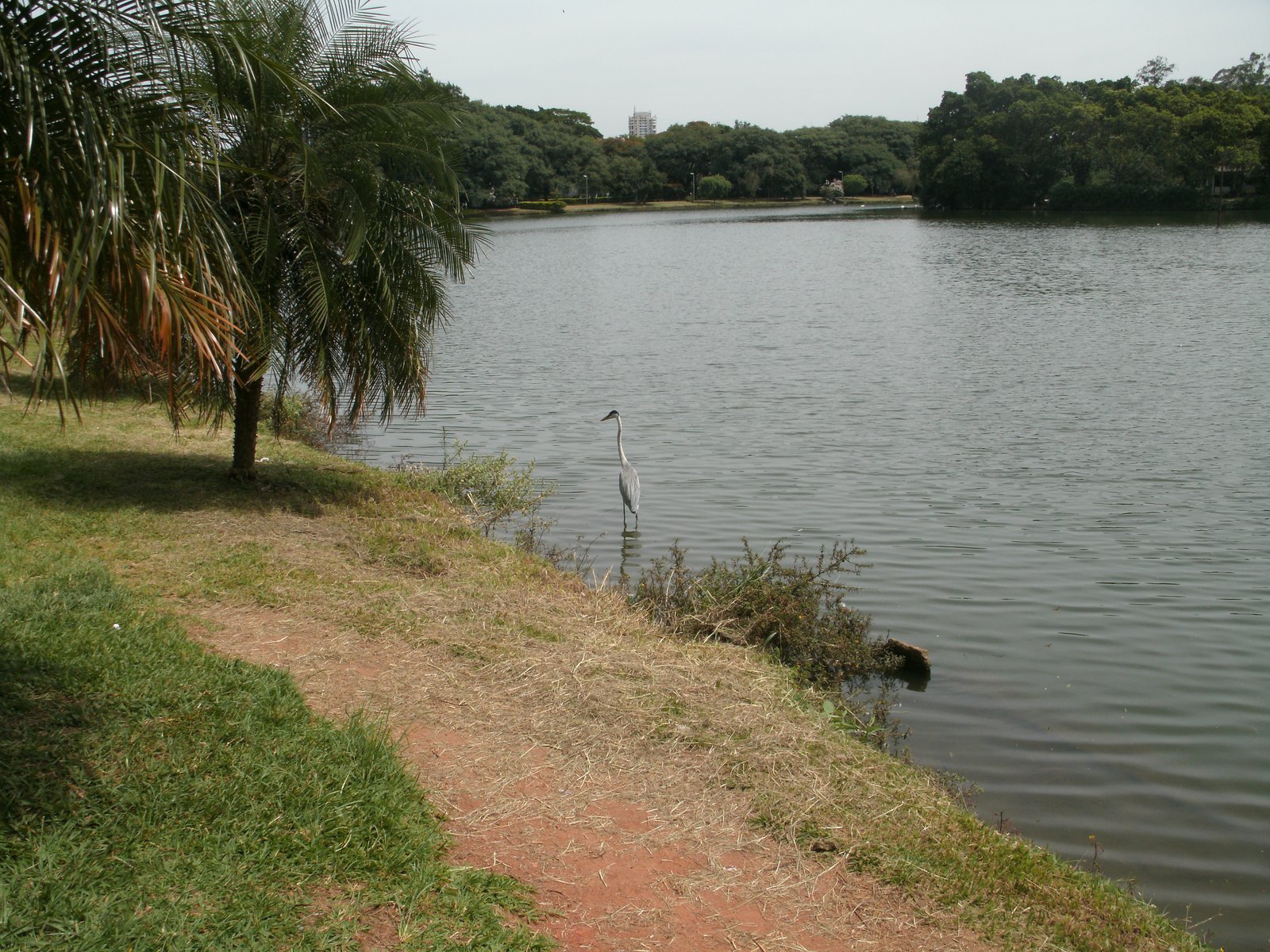
Ibirapuera is the city’s most famous park, with lakes, bike paths, lawns and a series of modernist buildings by Oscar Niemeyer connected by a huge covered walkway, the marquise. It is open every day from 5 a.m. to midnight, and admission is free. Parking at Gate 3 is paid and run by the concessionaire Urbia. In and around the park:
- Museu Afro Brasil Emanoel Araujo: one of Brazil’s largest collections of Afro-Brazilian art and history, near Gate 10. Open Tuesday to Sunday, 10 a.m. to 5 p.m. Tickets are R$15 (R$7.50 half price), free on Wednesdays.
- MAM São Paulo: the Museum of Modern Art, under the marquise, with modern and contemporary Brazilian art and a sculpture garden. Open Tuesday to Sunday, 10 a.m. to 6 p.m., last entry 5:30 p.m. Tickets are R$40 (R$20 half price), free on Sundays.
- MAC USP: the University of São Paulo’s Museum of Contemporary Art sits across the avenue, in a former government building also designed by Niemeyer. Admission is free, and the rooftop terrace has one of the best views of the park and the skyline.
- Biennial Pavilion and Oca: home to the São Paulo Biennial and big temporary exhibitions, with schedules and prices that vary by event.
Go early on weekends, when the park gets very busy, or on a weekday to enjoy it at a slower pace. Bikes are available to rent, and there are snack bars throughout the park.
Pinacoteca de São Paulo
The Pinacoteca is the city’s oldest art museum and holds Brazil’s leading collection of 19th- and early 20th-century Brazilian art, with works by Almeida Júnior, Tarsila do Amaral and Candido Portinari. It has three buildings: Pina Luz, the red-brick building facing Jardim da Luz; Pina Estação, a short walk away; and Pina Contemporânea, opened in 2023. It is open Wednesday to Monday, 10 a.m. to 6 p.m., last entry 5 p.m., and closed on Tuesdays. Admission is free for everyone on Saturdays. Nearest station: Luz, lines 1-Azul and 4-Amarela.
Museum of the Portuguese Language and Luz Station
Housed in Luz Station, a 1901 railway building, the Museum of the Portuguese Language is interactive and tells the story of the language through sound, video and word games. Much of it works even if you do not speak Portuguese, though it is richer if you do. It is open Tuesday to Sunday, 9 a.m. to 4:30 p.m., and you can stay until 6 p.m. Tickets cost R$25 (R$12.50 half price), free on Tuesdays and Sundays and for children up to 7. A combo ticket with the Football Museum gives 50% off the second museum until December 30, 2026.
Football Museum
Under the stands of Pacaembu Stadium, the Museu do Futebol tells the story of Brazilian football and the country’s relationship with the sport through interactive rooms and lots of video. Even people who do not follow football enjoy it. It is open Tuesday to Sunday, 9 a.m. to 6 p.m., last entry 5 p.m., and until 9 p.m. on the first Tuesday of the month. Tickets cost R$25 (R$12.50 half price), free on Tuesdays and for children up to 7.
Municipal Market (Mercadão)
The Mercadão, opened in 1933 near Parque Dom Pedro II, is a building with colorful stained-glass windows and stalls of fruit, cold cuts, spices, fish and cheese. The must-try items are the mortadella sandwich and the salt cod pastel, served at the bars on the mezzanine and ground floor. It is open Monday to Saturday, 6 a.m. to 6 p.m., and on Sundays and holidays from 6 a.m. to 4 p.m. Go hungry and try the fruit vendors offer you, but ask the price before accepting a box: some stalls charge a lot for exotic fruit, and tourists are their favorite target. The nearest station is São Bento, Line 1-Azul.
Theatro Municipal
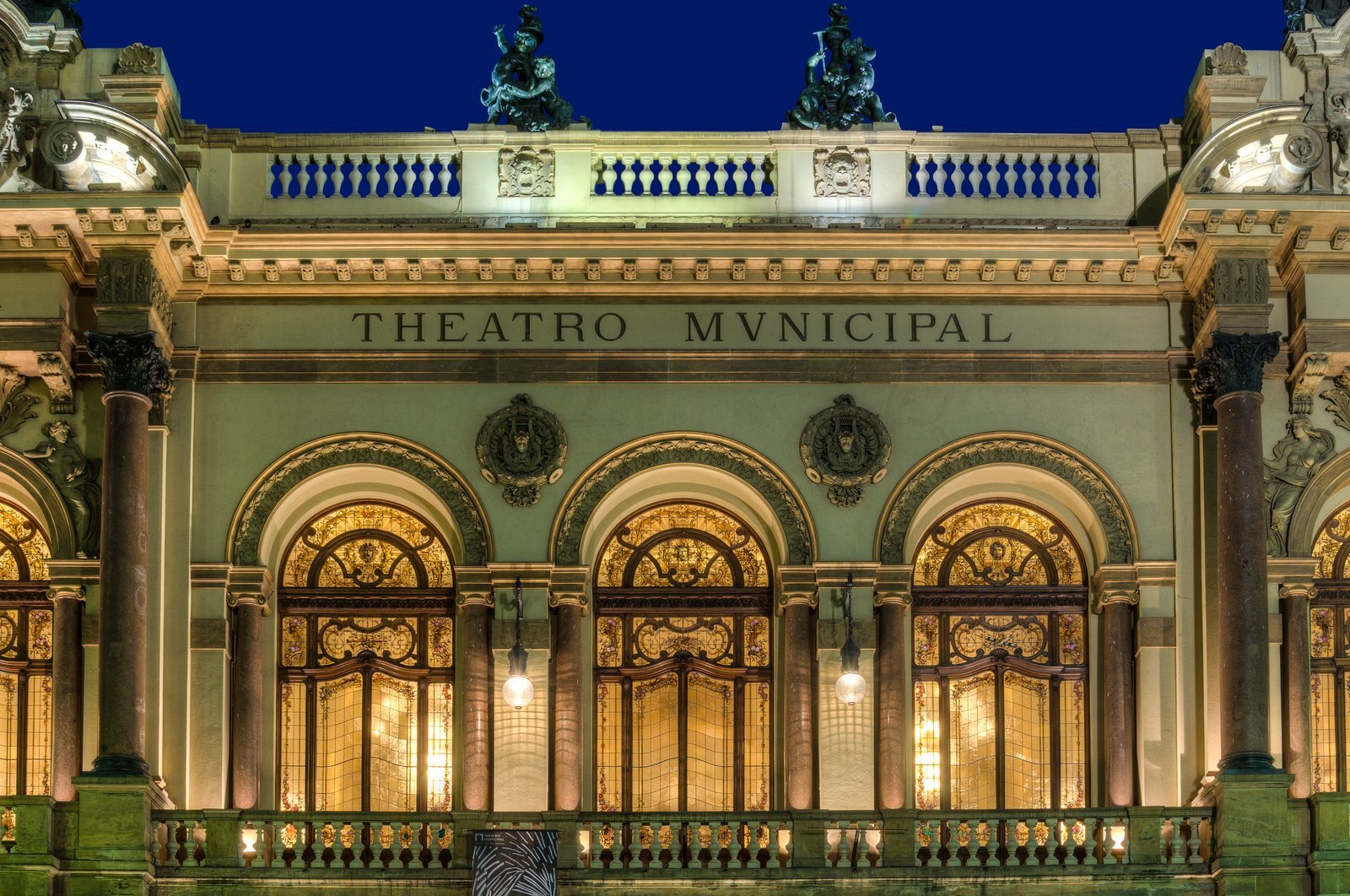
The Theatro Municipal, which opened in 1911 and hosted the 1922 Modern Art Week, is downtown’s most elegant building, with marble staircases, stained glass and a European-style auditorium. It offers free guided tours in Portuguese on Tuesdays at 10 a.m., 11 a.m. and 5 p.m., and Wednesday to Friday at 11 a.m., 1 p.m., 3 p.m. and 5 p.m., except on holidays. Bookings open at 10 a.m. the day before, on the platform listed on the official website. Seeing an opera, a concert by the Municipal Symphony Orchestra or a ballet is well worth it, and many performances have affordable tickets.
Historic downtown: Sé, Pátio do Colégio and São Bento
A walk through downtown packs almost five centuries of history into less than 2 km. Start at Praça da Sé, the city’s zero mile marker, with the neo-Gothic Sé Cathedral, which has a crypt open to visitors. A few steps away is the Pátio do Colégio, where the city was founded. The Anchieta Museum is open Tuesday to Saturday, 9 a.m. to 4:45 p.m., with tickets at R$26 (R$13 half price), and children up to 7 get in free. Continue along Rua XV de Novembro to São Bento Monastery, where the monks sing Gregorian chant at Mass and sell bread and sweets made on site, and finish at the Viaduto do Chá, overlooking Vale do Anhangabaú and the Theatro Municipal.
Viewpoints: Farol Santander, Terraço Itália, Copan and Sampa Sky
Seeing São Paulo from above helps you grasp the size of the city. The main options in 2026 are:
- Farol Santander: the former Altino Arantes building, inspired by the Empire State Building, has a rooftop viewpoint, exhibitions and a café on the 26th floor. Open Tuesday to Sunday, 9 a.m. to 8 p.m., last entry 7 p.m. Tickets cost R$45 (R$22.50 half price).
- Terraço Itália: on the 41st floor of Edifício Itália, near Praça da República. The outdoor viewpoint is open daily from 3 to 7 p.m. for R$68 for adults and R$34 for children aged 7 to 12, and it may close in the rain. For dinner or drinks at the restaurant, book ahead.
- Copan building: Oscar Niemeyer’s wave-shaped building reopened its rooftop to visitors in September 2026. Tours run on Saturdays from 1:30 to 4:30 p.m. in small groups, at R$50 per person, booked on the official website.
- Sampa Sky: in the Mirante do Vale building, with glass boxes that jut out from the facade over Vale do Anhangabaú. It opens Tuesday to Sunday with different hours each day; prices vary by day and ticket type and are sold through Ticketmaster.
For a free sunset, head to Praça do Pôr do Sol in Alto de Pinheiros or the MAC USP rooftop.
Beco do Batman and street art
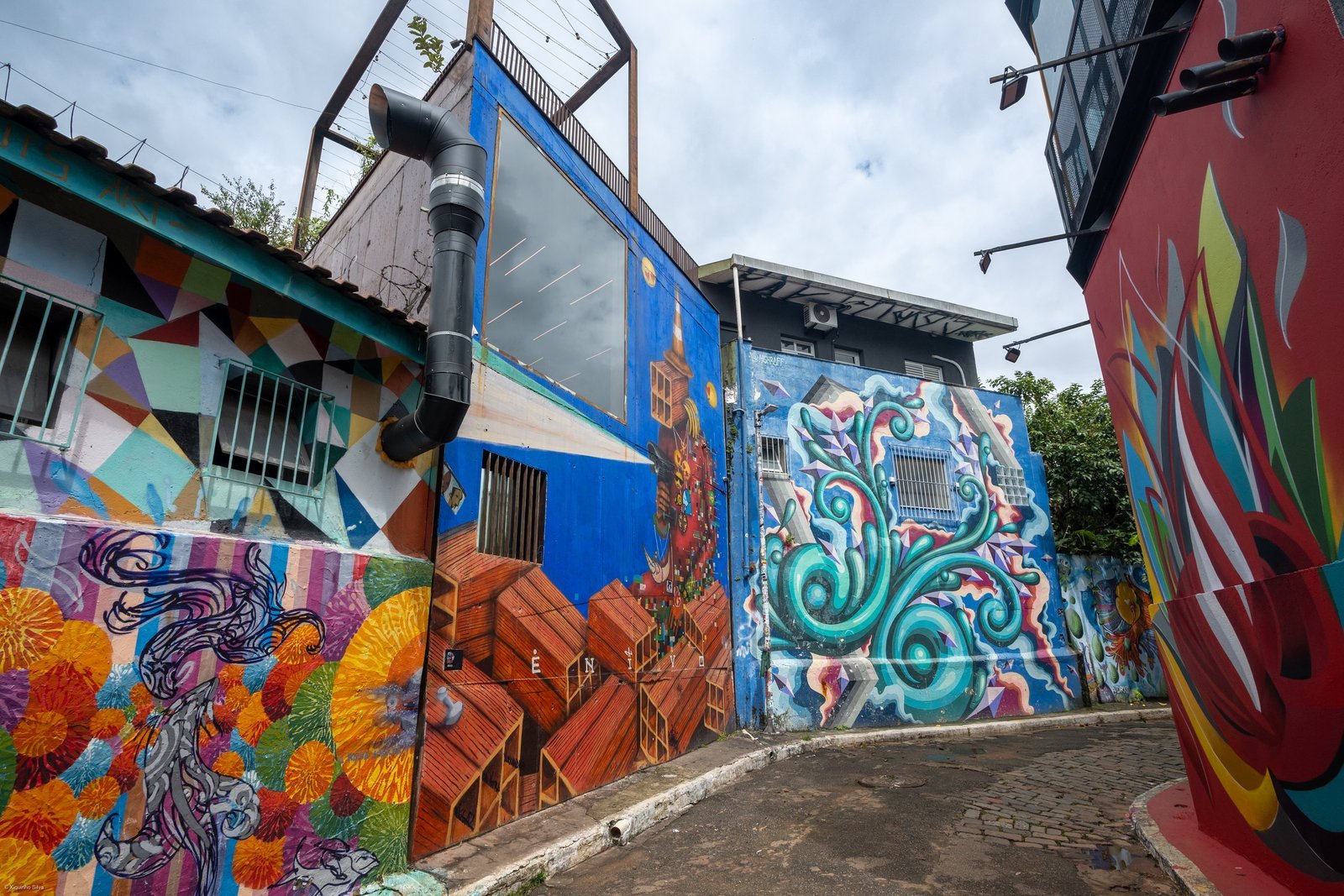
Beco do Batman (Batman Alley) is on Rua Gonçalo Afonso, between Rua Medeiros de Albuquerque and Rua Harmonia, in Vila Madalena. The name comes from a Batman drawing painted in the 1980s that no longer exists; before that, locals called the spot Larguinho. Today, walls, gates and facades are covered in graffiti that changes often, and the alley has become a free open-air museum. Go in the morning for photos with fewer people. Street art fans can continue to other spots suggested by City Hall, such as the murals along the Minhocão elevated highway and the Patápio staircase in Vila Madalena.
Liberdade and its weekend fair
In Liberdade, the crafts and Asian food fair fills Praça da Liberdade on Saturdays and Sundays, from morning to late afternoon, with gyoza, yakisoba, takoyaki and Japanese sweets. On Sundays and holidays, streets such as Galvão Bueno, dos Estudantes, Américo de Campos and dos Aflitos close to cars from 9 a.m. to 4 p.m., which makes walking around much nicer. Do not miss the 18th-century Capela dos Aflitos, one of the few remains of the area’s old cemetery. We cover the area in detail in our Liberdade walking guide.
Ipiranga Museum
The Museu Paulista, better known as the Ipiranga Museum, reopened in 2022 after a major restoration. It stands in Independence Park, near where Dom Pedro I declared Brazil’s independence in 1822, and its collection includes Pedro Américo’s painting “Independence or Death”. It is open Tuesday to Sunday, 10 a.m. to 5 p.m., last entry 4 p.m. Admission is free on Wednesdays and on the first Sunday of each month, with tickets handed out at the box office on the day. The nearest station is Alto do Ipiranga, Line 2-Verde.
More things worth doing
- Pico do Jaraguá: the highest point in the city, at 1,135 meters, in a state park on the north side, with views over the whole metro area on clear days.
- Praça do Pôr do Sol: a grassy square in Alto de Pinheiros where locals gather in the late afternoon, especially on weekends.
- Instituto Butantan: a research center famous for its snakes and vaccines, with museums open to the public, near the University of São Paulo.
- Rua 25 de Março: Brazil’s biggest bargain shopping district, for anyone who enjoys cheap buys and big crowds. Go early and watch your bag.
- Football: catching a Corinthians, Palmeiras or São Paulo FC match is quite an experience. Buy tickets through the clubs’ official channels.
What to eat in São Paulo
Direct answer: pizza, the mortadella sandwich, pastel with sugarcane juice, virado à paulista, Japanese food in Liberdade and Italian cantinas in Bixiga. São Paulo is Brazil’s food capital, with cuisines from all over the world, but these are the flavors that tell the city’s story.
Immigration shaped what São Paulo eats. Italians brought pizza, which locals will tell you is the best in Brazil, and cantinas with huge plates of pasta. The Japanese spread their cuisine, and Arab immigrants left esfiha and kibbeh. People from Brazil’s northeast, who arrived by the millions in the 20th century, brought baião de dois, carne de sol and tapioca. Some specialties to try:
- Mortadella sandwich: the symbol of the Mercadão. At Bar do Mané, in the market since 1933, the sandwich has about 350 g of mortadella and costs R$48 for the smaller size and R$52 for the larger one, according to the official menu. Hocca Bar, open since 1935, is also famous for its mortadella and its salt cod pastel.
- Pizza: Castelões in Brás has been around since 1924, at Rua Jairo Góis 126, open Tuesday to Sunday from 6 to 11:30 p.m. Speranza, at Rua Treze de Maio 1004, is a Bixiga classic. Bráz has several branches, including one in Moema. In São Paulo, pizza is the Sunday night ritual.
- Virado à paulista: beans thickened with manioc flour, rice, collard greens, a pork chop, sausage, a fried egg and breaded banana. It was recognized as part of the state’s intangible heritage by Condephaat in 2018 and is traditionally the Monday lunch special at local diners.
- Pastel with sugarcane juice: the classic snack at the street markets (feiras livres), held in a different neighborhood each day of the week.
- Japanese food: Liberdade has everything from ramen to izakayas and Japanese bakeries, at a wide range of prices.
- Bakeries: São Paulo’s padarias are an institution, serving grilled buttered bread, coffee with milk and ham-and-cheese toasties, and many also do lunch and pizza.
To eat well for less, look for pay-by-weight (por quilo) restaurants and set lunches (prato feito) on weekdays. At the other end of the scale, São Paulo has dozens of award-winning restaurants, concentrated in Jardins, Pinheiros and Itaim, and almost all of them require reservations.
São Paulo nightlife
Direct answer: Vila Madalena and Pinheiros are the heart of the bar scene; Baixo Augusta, on Rua Augusta near Paulista, has clubs and alternative bars; and downtown has classic botecos, cocktail bars and samba spots. The city stays up late every day of the week, and Thursday already counts as a night out.
In Vila Madalena, the area around Rua Aspicuelta and Rua Mourato Coelho fills up with people at sidewalk tables from happy hour onward. Pinheiros has cocktail bars, breweries and restaurants that turn into bars after 10 p.m. Baixo Augusta has more alternative bars, nightclubs and the LGBT+ scene, which extends around Rua Frei Caneca. Downtown, the area around Praça da República and Avenida Ipiranga has historic bars, and there are samba and forró venues in several neighborhoods.
São Paulo’s nightlife is cultural too: theaters at Praça Roosevelt and in Bela Vista, concerts at the Sesc centers, jazz clubs and big shows at the theaters on Paulista. Sesc tickets are usually cheap and sell out fast.
After midnight, when the metro closes, take a ride-hailing car or taxi home. It is safer and cheaper than in many major cities.
Day trips from São Paulo
Direct answer: the three most popular day trips are Embu das Artes, with a weekend crafts fair about 25 to 30 km away; Santos, on the coast, about 1 hour 10 minutes by bus, with a coffee museum, a vintage tram and the beach; and Campos do Jordão, in the Mantiqueira mountains, about 3 hours away, which works best with an overnight stay.
Embu das Artes
Embu das Artes, in the metro area, is known for its crafts, rustic furniture and antiques fair, held on Saturdays, Sundays and holidays from 9 a.m. to 6 p.m. in the historic center. The town has colonial houses and the 18th-century Nossa Senhora do Rosário church. You can get there by EMTU intercity bus from Campo Limpo or Capão Redondo stations on Line 5-Lilás, or by ride-hailing.
Santos
Santos is about 1 hour 10 minutes by bus from Jabaquara terminal, via the Imigrantes highway. The highlight is the historic center: the Coffee Museum, in the old Coffee Exchange at Rua XV de Novembro 95, is open Tuesday to Saturday from 9 a.m. to 6 p.m. and on Sundays from 10 a.m. to 6 p.m., with tickets at R$16 (R$8 half price) and free admission on Saturdays. The tourist tram leaves from Valongo Station for R$7, Tuesday to Saturday. Afterwards, stroll along the beachfront garden, listed by Guinness as the world’s largest, and take in the view from Monte Serrat. Football fans can visit Santos FC’s Memorial das Conquistas at Vila Belmiro, the club where Pelé played.
Campos do Jordão
Campos do Jordão, about 1,600 meters up in the Serra da Mantiqueira, has a mountain climate, Swiss-inspired architecture, fondue and chocolate. It is about 3 hours by Pássaro Marron bus from Tietê terminal. Since a same-day round trip means 6 hours on the road, it is best to stay at least one night. In July, the Winter Festival packs the town.
Is São Paulo safe?
Direct answer: the tourist areas, such as Paulista, Jardins, Pinheiros, Vila Madalena, Ibirapuera and Liberdade, are busy and calm during the day. The main risk for visitors is phone theft, especially on sidewalks, at traffic lights and at metro exits. With the usual big-city precautions, you can enjoy São Paulo without trouble.
Some practical tips:
- Your phone: avoid standing at the curb with your phone out. Step into a shop or café to check the map or call a ride.
- Downtown at night: downtown is great by day. After the shops close and on Sunday afternoons, several streets empty out, so take a ride-hailing car there and back.
- Cracolândia: avoid the area between Luz and Santa Ifigênia off the main routes. The Pinacoteca, Luz Station and Sala São Paulo are perfectly normal to visit; just go straight from the metro to the entrance.
- Metro: it is safe and clean but packed at rush hour. Wear your backpack on your front in crowded cars.
- Ride-hailing: check the license plate and the driver’s name before getting in.
- Big events: at Carnival, Pride and the Virada, carry only what you need, ideally a spare phone, and agree on a meeting point with your group.
- Emergencies: Military Police 190, ambulance (SAMU) 192 and fire department 193. There are police stations that specialize in assisting tourists.
Also keep an eye on summer storms: during heavy rain, avoid standing under trees and streets that tend to flood, and follow Civil Defense alerts.
How much does a trip to São Paulo cost in 2026?
Direct answer: São Paulo can be cheap or very expensive, depending on where you stay and eat. Public transport is cheap, many museums have a free day and outdoor activities cost nothing. The table lists prices checked through official channels in October 2026.
| Item | 2026 price | Notes |
|---|---|---|
| Metro and CPTM train | R$5.40 | Free transfers between lines |
| City bus | R$5.30 | Free on Sundays |
| Bus + metro transfer | R$9.38 | With Bilhete Único |
| 24-hour ticket (metro and train) | R$20.50 | Unlimited rides for 24 hours |
| GRU train, Line 13-Jade | R$5.40 | Free people mover to the terminals |
| Airport Bus Service (GRU) | R$68.05 | Full fare |
| MASP | R$85 | Free on Tuesdays, booking required |
| Pinacoteca | Paid, free on Saturdays | Closed on Tuesdays |
| Museum of the Portuguese Language | R$25 | Free on Tuesdays and Sundays |
| Football Museum | R$25 | Free on Tuesdays |
| MAM São Paulo | R$40 | Free on Sundays |
| Museu Afro Brasil | R$15 | Free on Wednesdays |
| Anchieta Museum (Pátio do Colégio) | R$26 | Tuesday to Saturday |
| Farol Santander | R$45 | Viewpoint and exhibitions |
| Terraço Itália (viewpoint) | R$68 | Daily, 3 to 7 p.m. |
| Copan rooftop | R$50 | Saturdays, booking required |
| Mortadella sandwich (Bar do Mané) | R$48 to R$52 | Mercadão |
| Coffee Museum (Santos) | R$16 | Free on Saturdays |
A budget traveler staying in a hostel or simple hotel, using the metro and eating at por quilo restaurants and bakeries will spend roughly R$250 to R$400 per person per day, by Explora Brasil’s estimate. For a mid-range trip, with a three- or four-star hotel near Paulista, a good dinner and one paid museum a day, plan on about double that. The luxury hotels in Jardins and Bela Vista are among the most expensive in Brazil. Rates swing a lot by date: trade fair, conference and Formula 1 weeks push everything up, while weekends in the business districts tend to be cheaper.
2-, 3- and 5-day São Paulo itineraries
Direct answer: with 2 days, do Paulista and MASP on day one and downtown, the Mercadão and Liberdade on day two. With 3 days, add Ibirapuera and Vila Madalena. With 5 days, take your time at the Pinacoteca and the Museum of the Portuguese Language, add the Ipiranga or Football Museum and a day trip to Santos or Embu das Artes.
Before locking in your plan, match the days of the week with museum hours. Most museums close on Mondays, and Tuesday is free at MASP, the Football Museum and the Museum of the Portuguese Language, which makes them busier that day.
2-day itinerary
- Day 1: MASP in the morning and a walk along Avenida Paulista, stopping at Japan House and Trianon Park. In the afternoon, Rua Oscar Freire and Jardins. Sunset at Praça do Pôr do Sol and dinner in Pinheiros.
- Day 2: historic downtown on foot: Pátio do Colégio, Sé, São Bento Monastery and a mortadella lunch at the Mercadão. In the afternoon, the Theatro Municipal and the Farol Santander viewpoint. Evening in Liberdade.
For an hour-by-hour plan, see our detailed São Paulo 2-day itinerary.
3-day itinerary
- Days 1 and 2: as in the 2-day itinerary.
- Day 3: Ibirapuera Park in the morning, with Museu Afro Brasil or MAM and the MAC USP rooftop. In the afternoon, Beco do Batman and Vila Madalena, ending the night at the bars on Rua Aspicuelta.
5-day itinerary
- Days 1 to 3: as in the 3-day itinerary.
- Day 4: the Pinacoteca and the Museum of the Portuguese Language, in the Luz area, in the morning. In the afternoon, the Football Museum at Pacaembu or the Ipiranga Museum. Pizza for dinner in Bixiga or Brás.
- Day 5: a day trip to Santos for the Coffee Museum, the tram and the beachfront, or to Embu das Artes if it is a weekend. If day 5 falls on a Sunday, swap things around and spend the morning on car-free Paulista.
With more time, set aside two nights for Campos do Jordão or continue to São Paulo’s north coast. To carry on around Brazil, the air shuttle gets you to Rio in about an hour: see our Rio de Janeiro travel guide.
Where to stay in São Paulo
Direct answer: on a first visit, stay on Avenida Paulista, in Bela Vista or in Jardins, which have the metro nearby and plenty of restaurants. Pinheiros and Vila Madalena suit night owls, Liberdade has good prices and Itaim is the pick for business travelers. All links below go to each hotel’s official website and were checked in October 2026; we do not use agency or booking site links.
The neighborhood matters more than the hotel. A good rule of thumb is to stay within a ten-minute walk of a metro station, ideally on Line 2-Verde or 4-Amarela. Since rates change a lot with dates and events in the city, check prices directly on each hotel’s official website.
Hotel Unique (luxury, Jardim Paulista)
Hotel Unique is an icon of contemporary São Paulo architecture, a half-moon-shaped building designed by Ruy Ohtake near Ibirapuera Park. Skye, the rooftop restaurant and bar, has a pool and one of the most famous views of the city skyline. A great choice if you want design and quick access to the park.
Rosewood São Paulo (luxury, Bela Vista)
Rosewood São Paulo is part of Cidade Matarazzo, at Rua Itapeva 435, a complex that combines a restored former hospital with a plant-covered tower, a short walk from Avenida Paulista. It is one of Brazil’s most luxurious hotels, with Brazilian art throughout, several restaurants and a spa.
Tivoli Mofarrej São Paulo (five-star, Paulista)
Tivoli Mofarrej São Paulo is at Alameda Santos 1437, one block from Avenida Paulista and overlooking Trianon Park. It has a spa, a pool and restaurants, and it is a classic choice for luxury with easy access to the metro and MASP.
Hotel Fasano São Paulo (luxury, Jardins)
Hotel Fasano São Paulo is at Rua Vittorio Fasano 88, in Jardins, one block from Rua Oscar Freire. It is the Fasano group’s flagship hotel, with an Italian restaurant, a jazz bar and a rooftop pool.
Hotel Emiliano (luxury, Jardins)
Hotel Emiliano is on Rua Oscar Freire, at the heart of the Jardins designer shopping district. It is a boutique hotel with personalized service, a spa and its own restaurant, ideal if you want to be close to the shops and the area’s best restaurants.
Blue Tree Premium Paulista (mid-range, Paulista)
Blue Tree Premium Paulista is at Rua Peixoto Gomide 707, one block from Avenida Paulista. It is a Brazilian chain hotel with good value for its location, handy for walking to MASP and the metro.
Blue Tree Premium Faria Lima (mid-range, Itaim Bibi)
Blue Tree Premium Faria Lima is at Avenida Brigadeiro Faria Lima 3989, in Itaim Bibi, and has a pool. It suits business travelers working around Faria Lima and anyone who wants to be near the restaurants of Itaim and Vila Olímpia.
Hotel Ca’d’Oro (mid-range, Consolação)
Hotel Ca’d’Oro is at Rua Augusta 129, a short walk from Paulista and Baixo Augusta. A São Paulo classic, it was rebuilt and reopened in 2016, with an Italian restaurant and a sky bar. A good pick if you want to go out at night and walk to Paulista.
Nikkey Palace Hotel (budget, Liberdade)
Nikkey Palace Hotel is in Liberdade, near Japão-Liberdade metro station, and has a Japanese restaurant, an ofurô soaking tub and karaoke. It is one of the most affordable options on this list, great if you want the weekend fair and Asian restaurants on your doorstep and quick access to downtown.
Ô de Casa Hostel (hostel, Vila Madalena)
Ô de Casa Hostel is at Rua Inácio Pereira da Rocha 385, in Vila Madalena, with dorms, pods, private suites and its own bar. It is the choice for backpackers and anyone who wants the neighborhood’s bars and Beco do Batman a few minutes’ walk away.
Video: São Paulo by Visit Brasil
The official video from Visit Brasil, the tourism promotion brand of Brazil’s Embratur agency, sums up São Paulo’s energy in about a minute, from its skyline to its food and culture.
Frequently asked questions about São Paulo
When is the best time to visit São Paulo?
April to September brings little rain and mild temperatures, with average highs between 21 °C and 24 °C (70 °F to 75 °F). December to March is hotter, with late-afternoon storms, but the city works well all year. It is worth choosing your dates around events such as Carnival, Virada Cultural, the Pride Parade, the film festival and Formula 1.
How many days do you need in São Paulo?
Three days let you see Paulista, MASP, the historic downtown, the Mercadão, Liberdade, Ibirapuera and Vila Madalena. With five days, you can add the Pinacoteca, the Museum of the Portuguese Language, the Football Museum or the Ipiranga Museum and a day trip to Santos or Embu das Artes.
How do I get from Guarulhos Airport to central São Paulo?
The cheapest way is the Line 13-Jade train for R$5.40 from Aeroporto-Guarulhos station, which is linked to the terminals by a free people mover. The Airport Express runs straight to Luz and Barra Funda. The Airport Bus Service coach costs R$68.05 and stops on Paulista, at Congonhas, Tietê and Barra Funda. A taxi or ride-hailing car is the fastest option outside rush hour.
Can I pay for the São Paulo metro with a credit card?
Yes. Since September 14, 2026, every turnstile on lines 1-Azul, 2-Verde, 3-Vermelha and 15-Prata accepts contactless credit and debit cards, including phones. On lines 4-Amarela and 5-Lilás, contactless payment was still being tested in October 2026. Paying with a bank card does not give you the discounted bus transfer.
How much does the metro and bus cost in São Paulo?
In 2026, the metro and CPTM trains cost R$5.40, city buses cost R$5.30 and a bus plus metro or train combination costs R$9.38 with the Bilhete Único card. City buses are free on Sundays.
Which São Paulo museums are free?
MASP is free on Tuesdays, the Pinacoteca on Saturdays, MAM on Sundays, Museu Afro Brasil on Wednesdays, the Football Museum on Tuesdays and the Museum of the Portuguese Language on Tuesdays and Sundays. MAC USP and Japan House São Paulo are free every day they open. The Ipiranga Museum is free on Wednesdays and on the first Sunday of each month.
Where should I stay in São Paulo on a first visit?
Around Avenida Paulista, Bela Vista or Jardins, near Line 2-Verde stations. From there you can walk to MASP and take the metro downtown and to Liberdade, Pinheiros and Ibirapuera. If nightlife is your priority, consider Pinheiros or Vila Madalena.
Is São Paulo dangerous for tourists?
The tourist areas are busy and calm during the day, and the main problem is phone theft on the street. Avoid using your phone at the curb, take ride-hailing cars at night, especially downtown, and wear your backpack on your front in crowded metro cars.
What can you do in São Paulo on a Sunday?
Enjoy car-free Avenida Paulista from 9 a.m. to 4 p.m., the Liberdade fair, Ibirapuera Park, MAM and the Museum of the Portuguese Language, which are free on Sundays, and pizza in the evening. City buses are free on Sundays. Keep in mind the Mercadão closes at 4 p.m. on Sundays.
Is a day trip from São Paulo to Santos worth it?
Yes. Santos is about 1 hour 10 minutes by bus from Jabaquara terminal, and its historic center has the Coffee Museum, free on Saturdays, and the tourist tram. Add the beachfront and Monte Serrat and you fill a full, unhurried day.
Is São Paulo worth visiting?
Direct answer: yes, especially if you love culture, food and big cities. São Paulo has no beach and none of Rio’s postcard scenery, but it makes up for it with world-class museums, Brazil’s best restaurant scene, nightlife that never stops and free events all year, with a metro that takes you almost everywhere.
Your first impression of São Paulo may be concrete and traffic. The city reveals itself little by little: on car-free Paulista on a Sunday, at a Mercadão counter, under the MASP span, on the graffitied slopes of Vila Madalena and at sunset from the top of a downtown tower. Pick a good base, plan your days around museum hours and leave room to eat well. To compare with other Explora Brasil destinations, read our guides to Rio de Janeiro, Iguaçu Falls, Gramado, Salvador, Florianópolis, Fernando de Noronha, Bonito and Porto Seguro.
Sources
- IBGE Cidades: São Paulo (SP), overview (2022 census population, estimate and area)
- Climatempo: São Paulo climate normals (30-year temperature and rainfall averages)
- SPTrans: fares (bus, transfers and Bilhete Único in 2026)
- Metrô de São Paulo: tickets and cards and official website (fare, 24-hour ticket and Line 17-Ouro)
- Hora Ônibus: contactless payment on the metro (all turnstiles from Sept 14, 2026, and end of the magnetic ticket)
- GRU Airport: official website (Line 13-Jade and people mover)
- Airport Bus Service: official website (routes and fare)
- São Paulo City Hall: official portal (Open Streets, Carnival 2026, Virada Cultural, Beco do Batman) and Municipal Market (opening hours)
- MASP: visit (tickets and free Tuesdays)
- Pinacoteca de São Paulo: tickets (hours and free Saturdays)
- Museu da Língua Portuguesa: hours and tickets
- Museu do Futebol: hours and tickets
- Museu Afro Brasil Emanoel Araujo: official website (hours and tickets)
- MAM São Paulo: official website (hours and tickets)
- Parque Ibirapuera (Urbia): official website (park hours and parking)
- Farol Santander: FAQ (hours and tickets)
- Terraço Itália: contact and visits (viewpoint)
- g1: Copan reopens rooftop visits (September 2026)
- Sampa Sky: official website (hours)
- Theatro Municipal de São Paulo: guided tours
- Pateo do Collegio: official website (Anchieta Museum, hours and tickets)
- Museu do Ipiranga: visit (hours and free days)
- Japan House São Paulo: visit (hours)
- Bar do Mané: official website (mortadella sandwich menu)
- Museu do Café: official website (Santos, hours and tickets)
- Formula 1: 2026 São Paulo Grand Prix (dates)
- Wikimedia Commons: photos by Felipe Löhnhoff (CC BY 3.0), CORRETOR-CARVALHO (CC BY-SA 3.0), Wilfredor (CC0) and xiquinhosilva (CC BY 4.0)
- Official websites of the hotels listed, checked on October 25, 2026